

By Isa Farfan
Reporting from Washington, D.C.
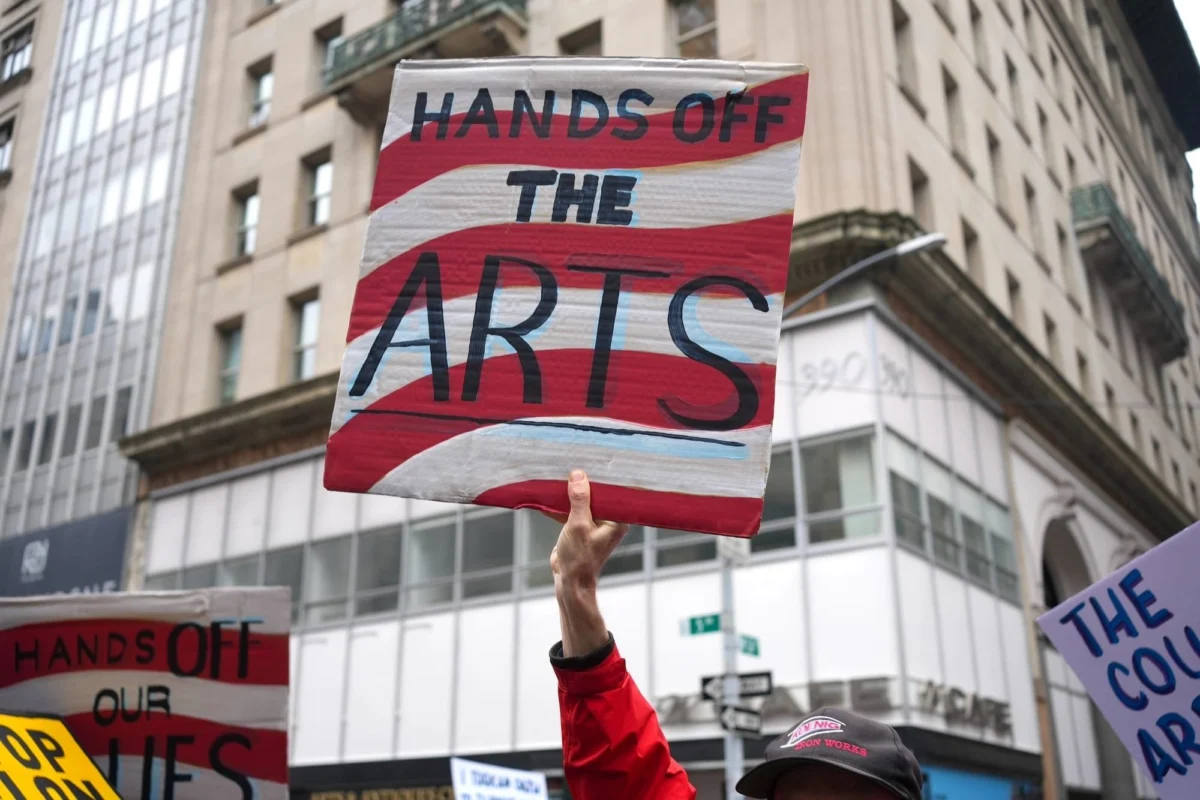
In a move that has sent shockwaves through the national arts and education advocacy sectors, a House Appropriations subcommittee has proposed a federal budget that would effectively eliminate the Department of Education’s (DE) sole dedicated arts education grant program. The proposal, advanced last Tuesday, June 9, signals a tightening grip on federal spending under the current administration and reflects an intensifying ideological battle over the role of the arts in the American public school curriculum.
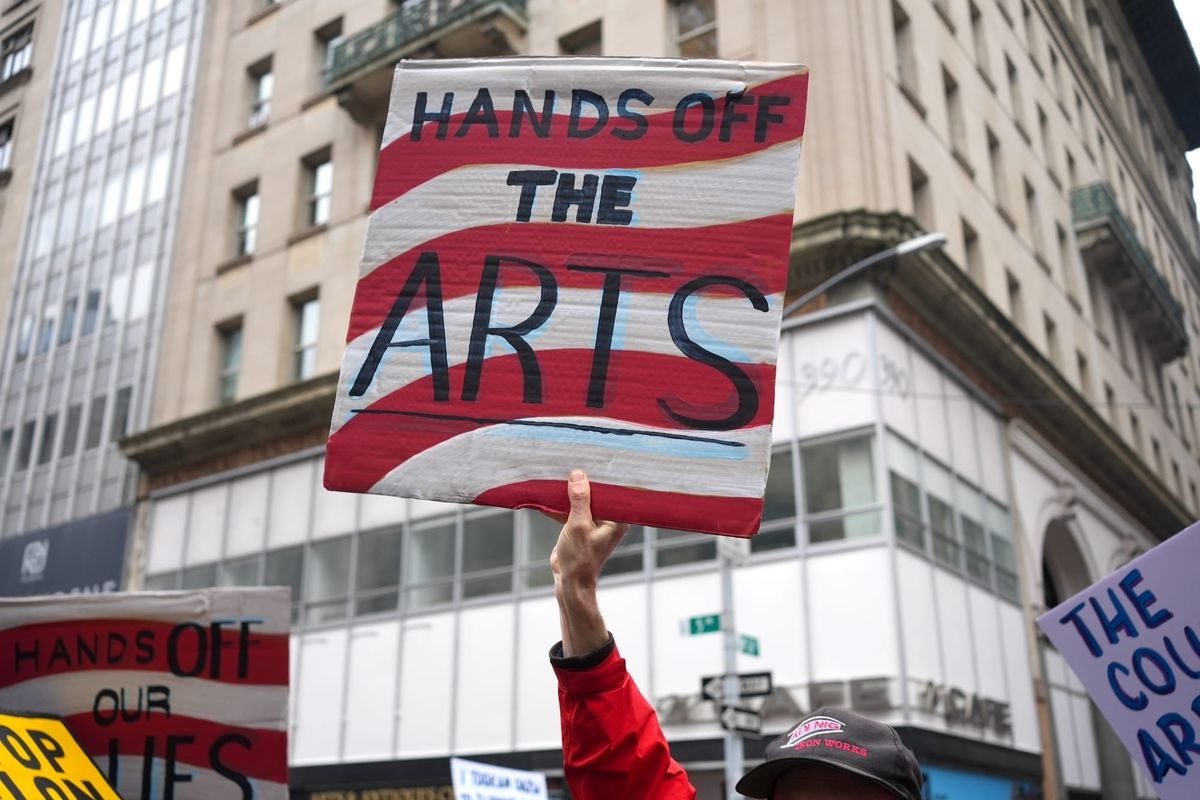
The Assistance for Arts Education program, a vital lifeline for thousands of schools and nonprofit organizations, has been targeted for total defunding—a $0 allocation—in the committee’s latest draft. As the legislative process moves forward, educators, artists, and civil rights groups are mobilizing to prevent what they characterize as a catastrophic withdrawal of federal support for the nation’s most vulnerable students.
The Core Conflict: What is at Stake?
The Assistance for Arts Education program was established in 2015 with a specific mandate: to provide high-quality arts education to primary and secondary students, with a primary focus on those from disadvantaged backgrounds and children living with disabilities. Since its inception, the program has served as the federal government’s only direct vehicle for fostering creativity, critical thinking, and cultural engagement in the classroom.
The grants have historically supported a wide range of initiatives, including teacher professional development, the creation of accessible arts curricula, and the fostering of community-school partnerships. By providing millions in annual funding, the program ensures that arts education is not merely a luxury reserved for affluent school districts but a component of a well-rounded public education.
"The Assistance for Arts Education program is the federal government’s only dedicated arts education grant program," said Erin Harkey, CEO of Americans for the Arts, in a statement to Hyperallergic. "Eliminating it would reduce support for critical work that students, educators, and communities depend on. It is not just about painting or music; it is about the infrastructure of creative learning that helps students excel in all academic areas."
A Chronology of the Funding Crisis
The current threat to the program did not materialize in a vacuum. It is the latest development in a long-standing tension between legislative fiscal conservatives and advocates for federal investment in cultural and educational programming.
- 2015: The Assistance for Arts Education program is codified, creating a dedicated stream of federal funding for arts integration in K-12 education.
- 2024: Despite initial threats of budget cuts, Congress ultimately approved $36.5 million for the program in the final federal budget, signaling a bipartisan recognition of its value.
- Early 2025: The following award cycle saw the program pivot toward new criteria, including the integration of "patriotic education" themes into arts programming. A notable example was a Cleveland Play House initiative that received $830,000 to "enhance patriotic education through arts integration."
- June 9, 2026: The Republican-chaired House Appropriations Committee formally advanced a budget proposal that zeroes out funding for the program, citing a need to refocus on "core" academic subjects.
- Present Day: The proposal now heads to the Senate, which will draft its own version of the budget, setting the stage for a contentious reconciliation process later this year.
Supporting Data and Fiscal Realities
The House subcommittee’s rationale for the elimination of the program is outlined in a 452-page report accompanying the budget proposal. The document points to "the continued decline of public school performance and student achievement across the country" as a justification for the austerity measures.
The committee argues that federal funds "should be focused on core education such as reading, writing, and math." This philosophy aligns with a broader agenda currently pushed by the Trump Administration, which has signaled a desire to dismantle the Department of Education entirely. The current budget proposal suggests a 10% reduction—roughly $8 billion—in the Department of Education’s total budget.
However, advocates argue that the data does not support the exclusion of the arts. Numerous studies have shown that arts-integrated curricula improve student engagement, attendance, and graduation rates, particularly among low-income populations. The Assistance for Arts Education program has historically awarded six-figure grants to individual school districts and major institutions like the John F. Kennedy Center for the Performing Arts, which utilizes these funds for large-scale pre-K through high school educational initiatives.
While Americans for the Arts has requested an allocation of $40 million for the coming fiscal year to account for inflation and expanding needs, the House proposal moves in the opposite direction, threatening to strip the program of all resources.
The Ideological Pivot: "Patriotic Education"
The recent history of the grant program also reveals a complex political landscape. Even as the program faced existential threats, it was utilized by the current administration to promote a specific pedagogical agenda. By incentivizing projects that emphasize "patriotic education," the government has attempted to align arts funding with its broader cultural objectives.
Critics note the irony in the committee’s current move: having used the program to advance specific ideological goals just a year prior, the administration now seeks to abandon the mechanism entirely. This suggests that the current push for defunding is as much about shifting the focus of the federal government as it is about fiscal responsibility.
Broader Implications: A Pattern of Retreat
The threat to the Assistance for Arts Education program is occurring in tandem with broader assaults on federal cultural funding. The same House Appropriations Committee recently approved a proposal to cut funding for the National Endowment for the Arts (NEA) and the National Endowment for the Humanities (NEH) for the second consecutive year.
While Congress ultimately maintained funding for the NEA and NEH at normal levels last year—despite similar threats—the persistent nature of these cuts indicates a growing movement within the legislature to view arts and culture as non-essential, or even politically problematic, expenditures.
The implications for local communities are profound. If these funds disappear, the burden will shift entirely to local property taxes and private philanthropy, both of which are notoriously unequal. Schools in lower-income districts, which rely most heavily on federal grants to bridge the gap, will be the first to lose their music, theater, and visual arts programs.
The Road Ahead: The Senate and Beyond
The legislative journey is far from over. Because the House and Senate must agree on a single, unified funding bill, the fight for the Assistance for Arts Education program is now moving to the upper chamber. Advocacy groups are currently shifting their strategy to lobby Senators, emphasizing the tangible, localized impact of these grants.
"Funds may be appropriated in Washington," Harkey noted, "but their impact is felt in classrooms across America. Every time a child picks up an instrument or a student finds their voice through theater, they are experiencing the return on this federal investment. We cannot allow these opportunities to be treated as dispensable."
As the deadline for the final budget approaches, the debate will likely intensify. The outcome will serve as a bellwether for the federal government’s commitment to arts education and, by extension, its vision for the future of the American public school system. Whether the program survives as a bipartisan necessity or falls victim to the current climate of fiscal and ideological austerity remains to be seen.
For now, the thousands of organizations that rely on these grants are left in a state of precarious uncertainty, waiting to see if the government will maintain its commitment to the next generation of creators, or if the lights will go out on arts education at the federal level.
 Muslim
 Evan Lee Salim
 Jia Lissa
