

As the United States approaches the historic milestone of its 250th anniversary, the national discourse has increasingly turned toward the definition of independence—not just in a political sense, but as an aesthetic and intellectual pursuit. This summer, that spirit of unfettered creative expression finds a sanctuary in the rolling landscapes and industrial corridors of Upstate New York. From the Hudson Valley to the Catskills and beyond, a surge of institutional ambition has transformed the region into one of the most vital contemporary art destinations in the country.
This guide explores the must-see exhibitions defining the 2026 summer season, highlighting a range of works from the ethereal light-based installations of James Turrell to the sociopolitical rigor of Tschabalala Self and the historic, intimate photography of Linda McCartney.

The Landscape of Independence: Main Facts and Regional Impact
The current cultural climate in Upstate New York is characterized by a "decentralized" approach to curation. Museums and art spaces are no longer merely mirroring the trends of New York City; they are setting their own agendas. By leveraging the unique architectural footprints of the region—ranging from the industrial shells of former textile mills to the sprawling, manicured meadows of sculpture parks—curators are creating immersive experiences that would be physically impossible in a constrained urban gallery environment.
This summer’s programming emphasizes the "body as a site of understanding." Whether through the fragmented portraits of Deborah Roberts at the Everson Museum of Art or the microbial landscapes of Anicka Yi at Storm King, the common thread is an exploration of identity, history, and the natural world.
Chronological Overview: A Seasonal Roadmap
For the discerning art traveler, the following exhibitions serve as the pillars of the summer season:
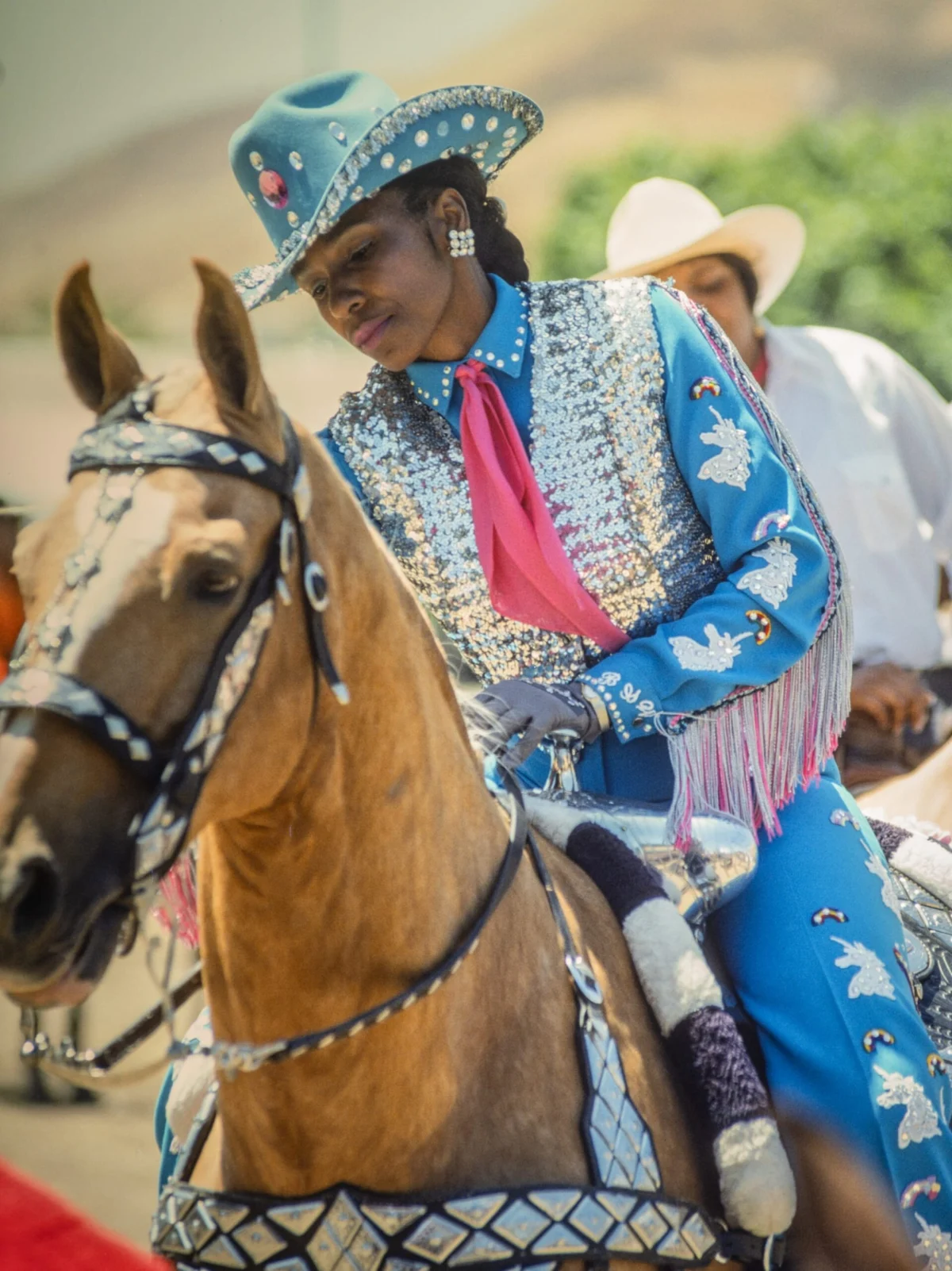
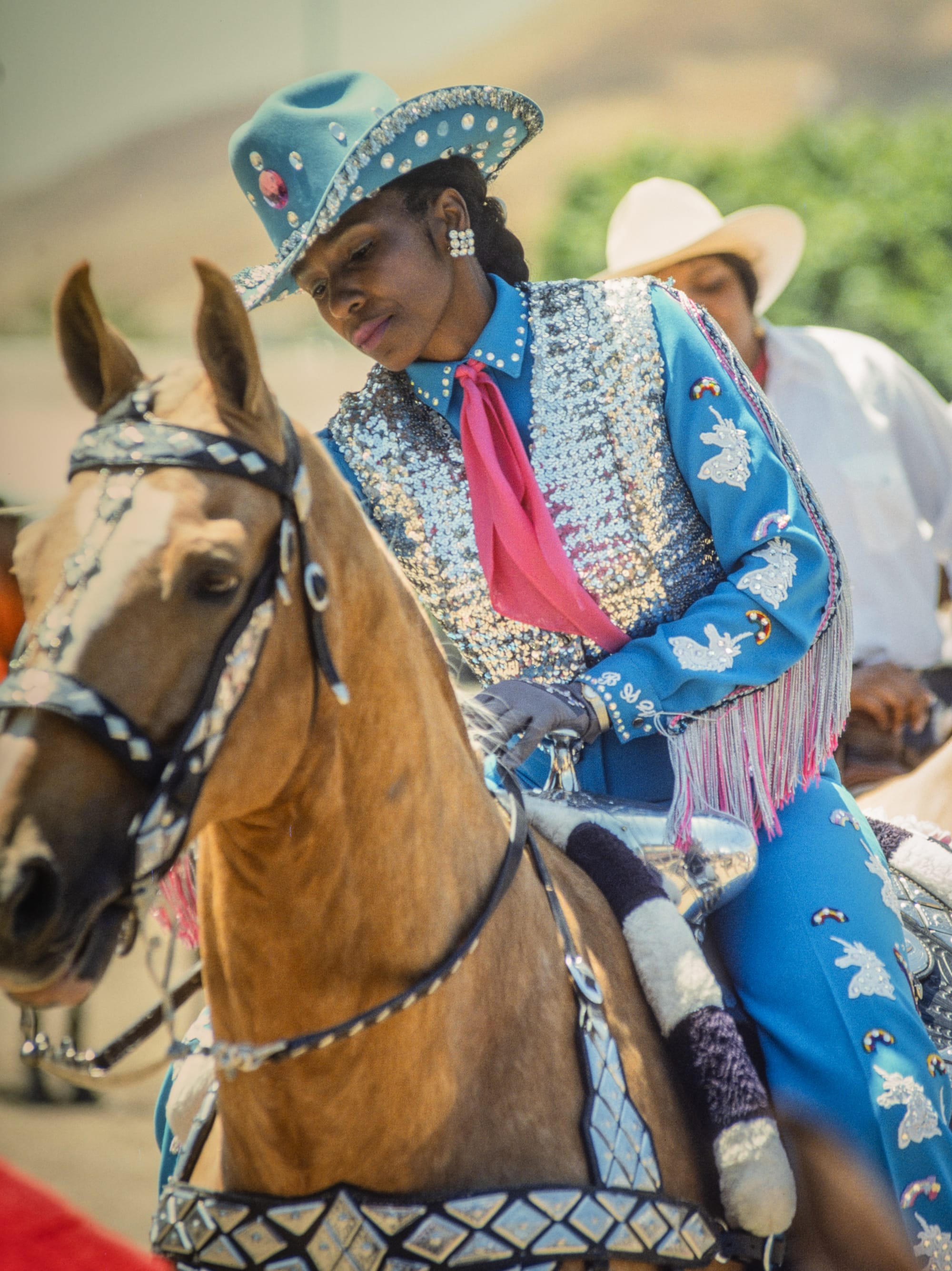
- Now through August 30: Black Cowboys in America (Hudson River Museum)
- Now through September 6: Upstate Photography Biennial (Center for Photography at Woodstock)
- Now through September 7: The Linda McCartney Retrospective (Fenimore Art Museum)
- Now through September 12: Because, now is the time of monsters (Wassaic Project)
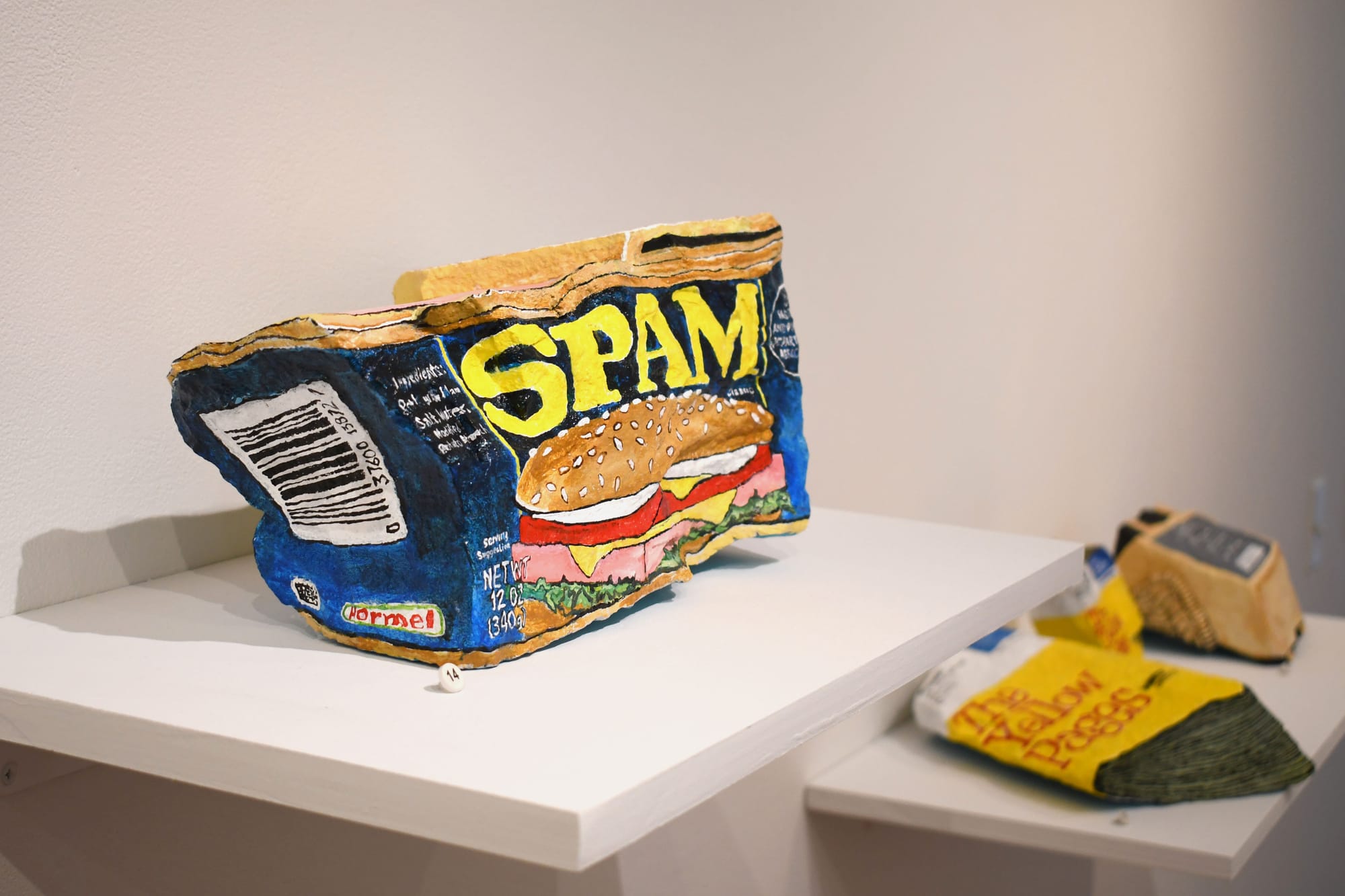
- Now through September 18: Rock, Paper, Sister (Women’s Studio Workshop)
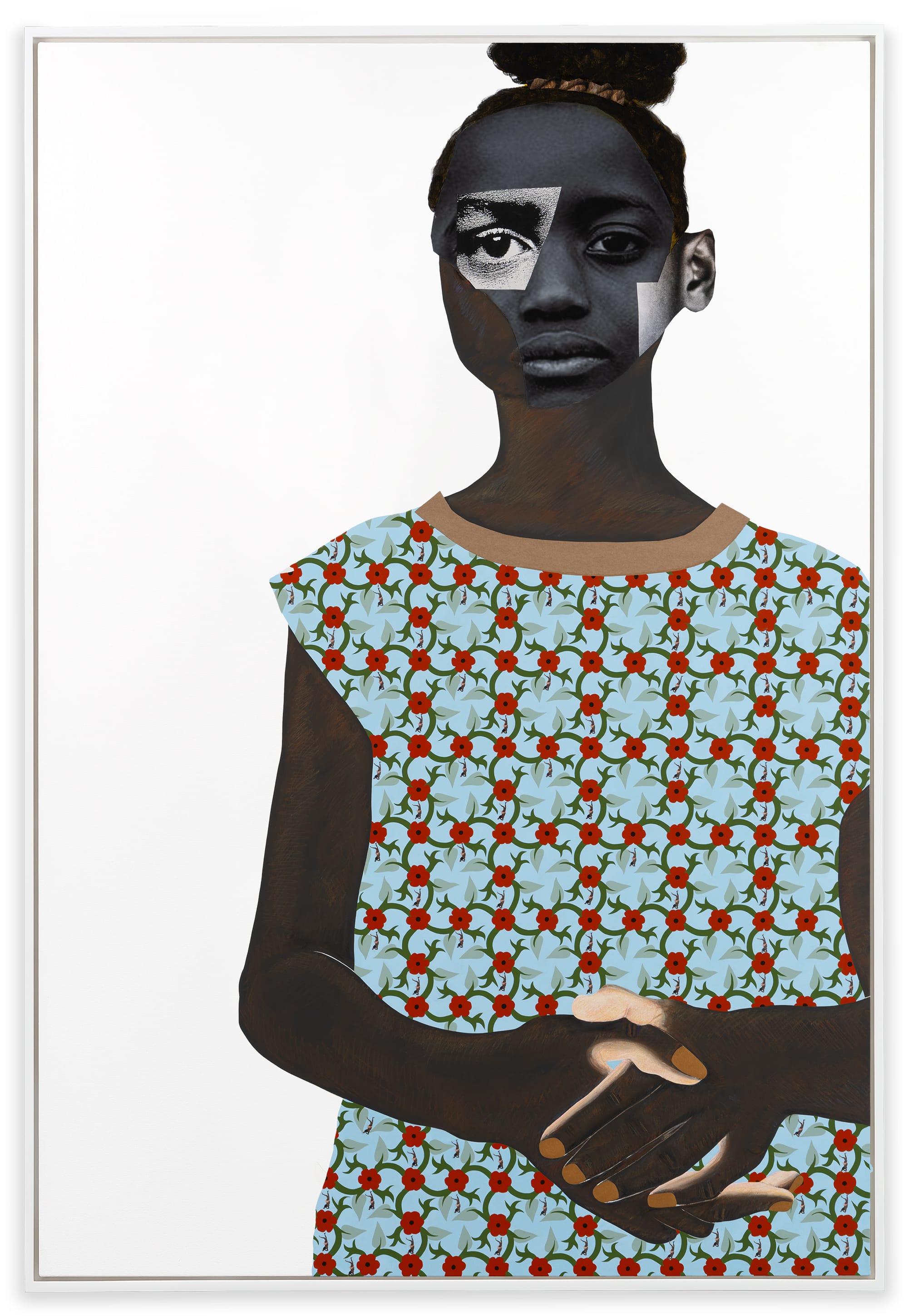
- Now through September 27: Deborah Roberts: Consequences of Being (Everson Museum of Art)
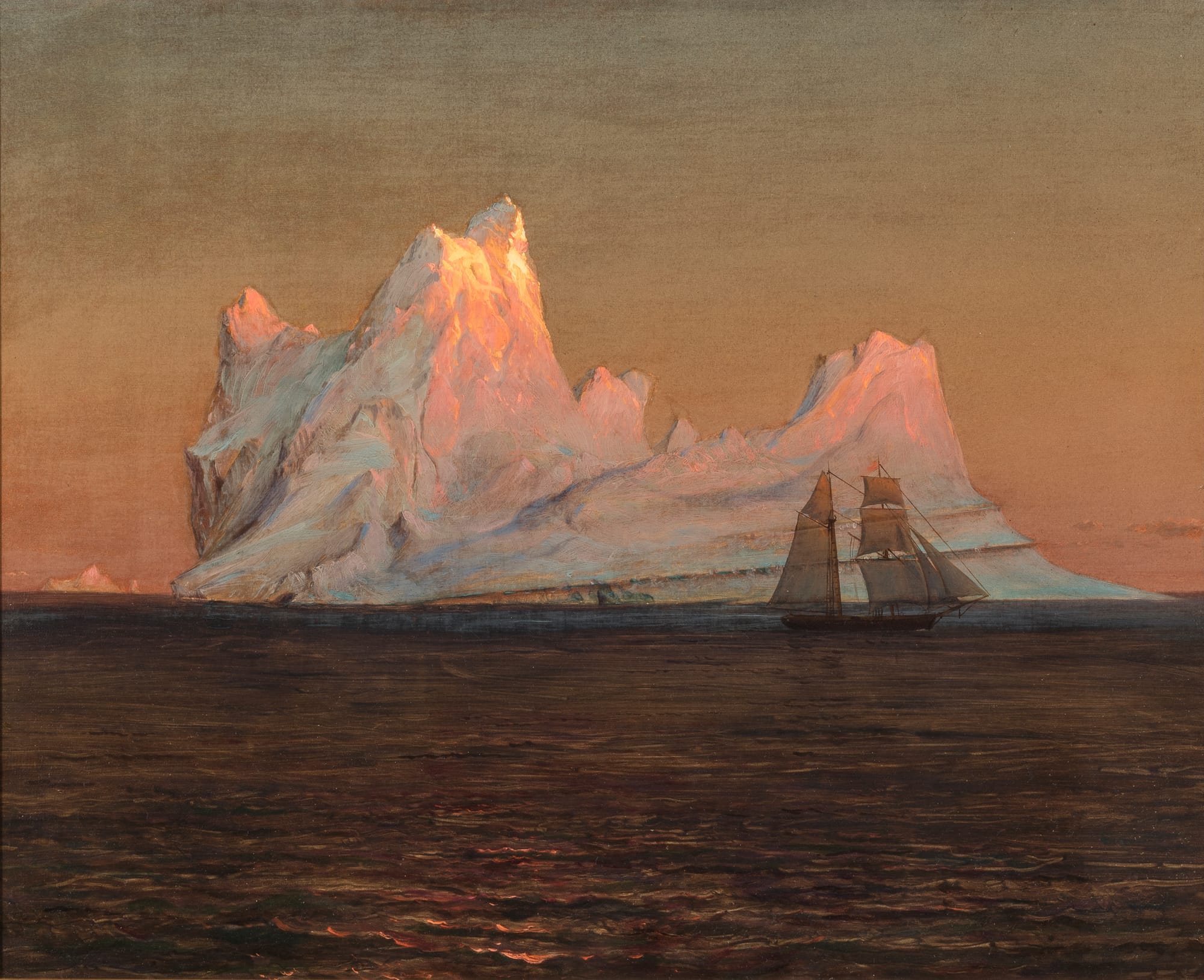
- Now through October 25: Frederic Church, Global Artist (Olana State Historic Site)
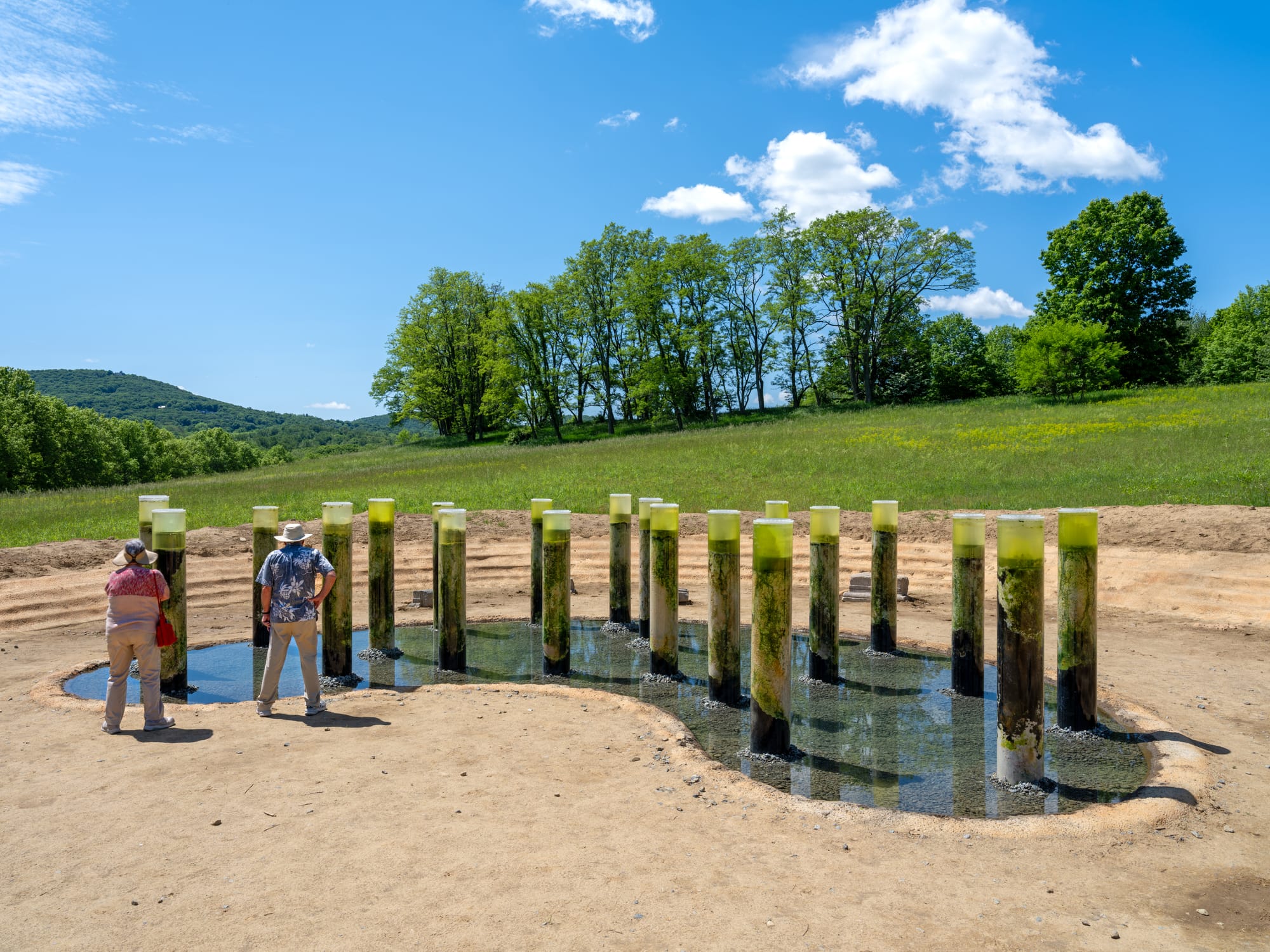
- Now through November 9: Anicka Yi: Message From the Mud (Storm King Art Center)
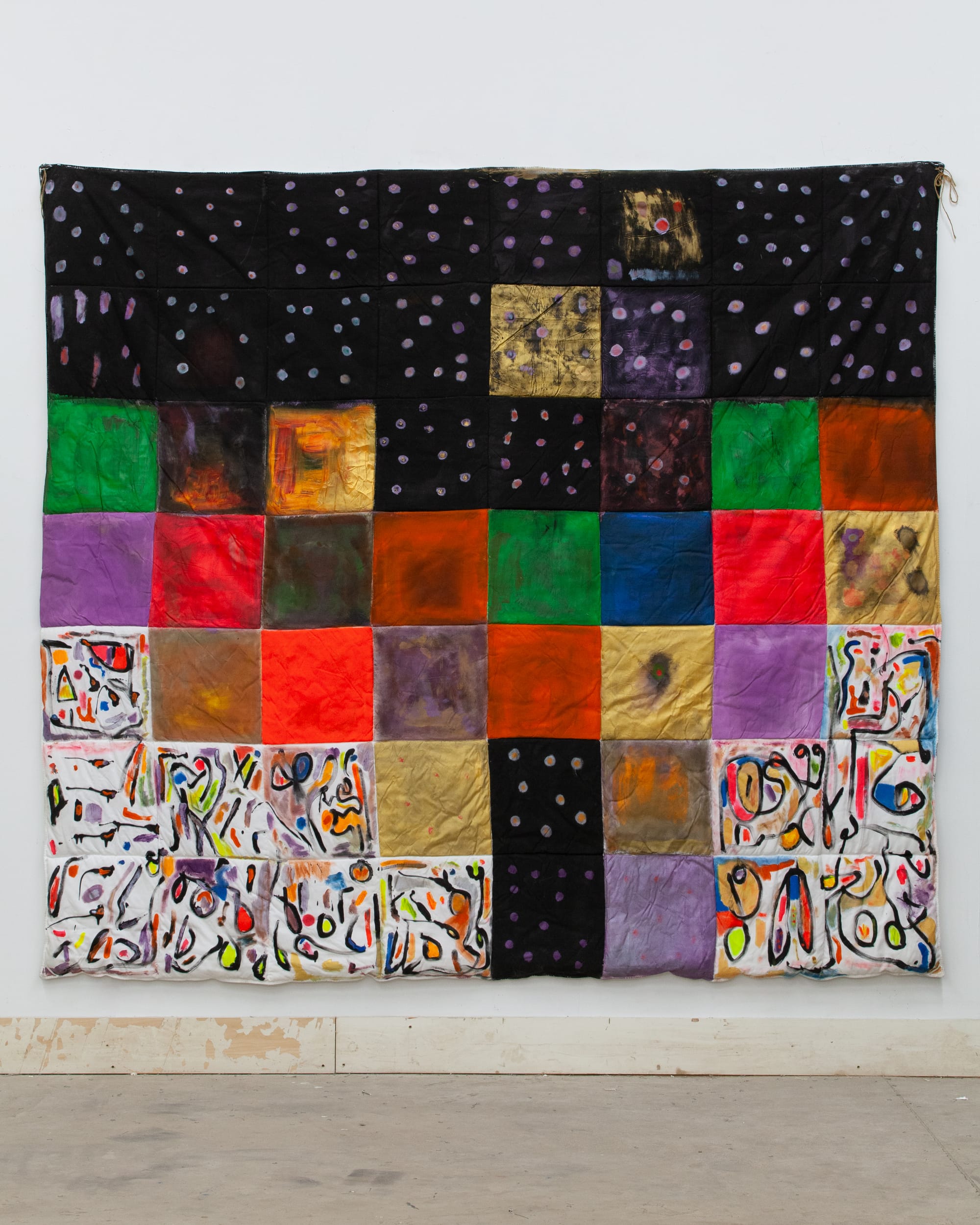
- Now through November 28: Modus Operandi (The School at Jack Shainman Gallery)
- June 27 – November 29: Uman: In Between (Hessel Museum of Art)
- Long-term: Tschabalala Self: Pioneer (Art Omi)
- Long-term: James Turrell: Avaar (Catskill Art Space)
- Long-term: Agnes Martin: Painting is not making paintings (Dia Beacon)
Supporting Data: Examining Key Exhibitions
The Wassaic Project: A Seven-Floor Odyssey
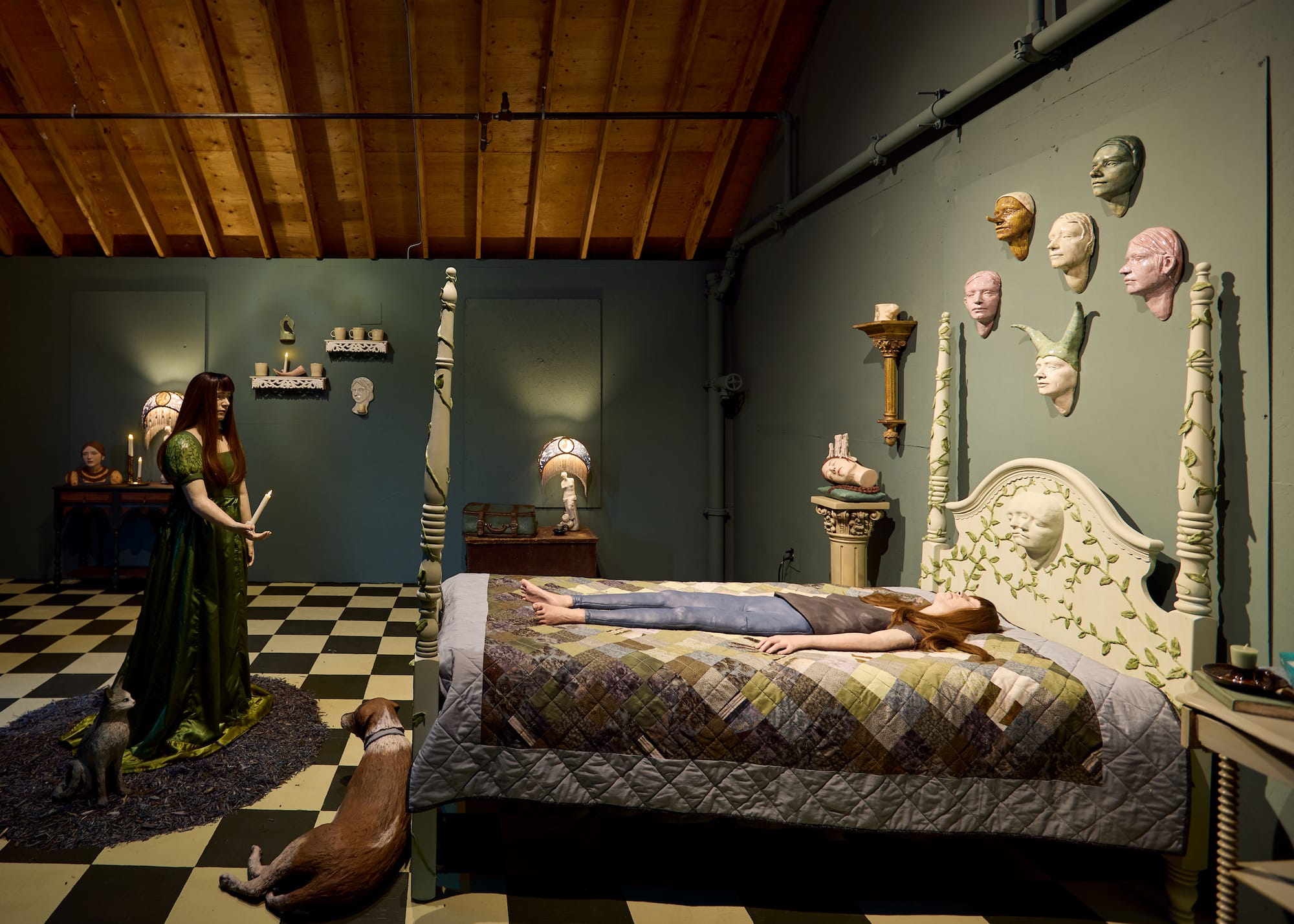
If one exhibition captures the "weird, wild, and wonderful" essence of the region, it is Because, now is the time of monsters at the Maxon Mills building. Spanning seven floors, this exhibition is a masterclass in site-specific installation. It begins with the miniature, melancholic dioramas of Dennis Gordon and concludes with the nightmarish, fantastical interior of Clarissa Pezone’s A Room of My Own. It is an exhausting but essential climb, rewarding visitors with a narrative arc that explores the modern "monstrosity" of our current era.
The Photography Renaissance
The region is currently experiencing a photographic revival. The inaugural Upstate Photography Biennial at the Center for Photography at Woodstock (CPW) is a pivotal moment for regional talent. By co-curators Marina Chao and Adam Gile, the show resists a singular aesthetic, instead showcasing 39 artists using diverse techniques, from the tactile cyanotype to the political grit of black-and-white social commentary.
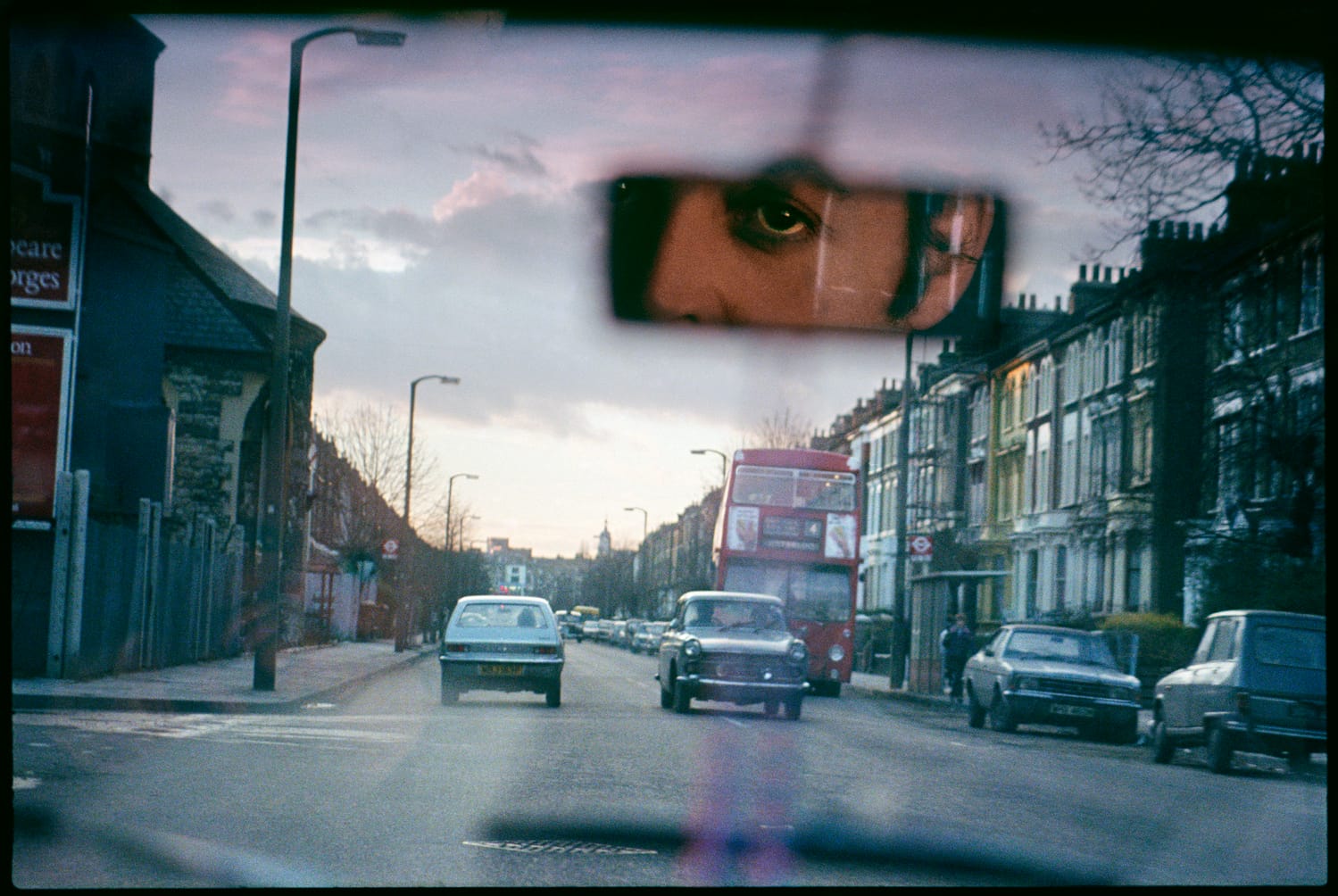
Simultaneously, the Fenimore Art Museum’s Linda McCartney: From the Light offers a softer, more intimate look at the 20th century. McCartney’s work is essential for its candidness; her ability to capture the vulnerability of iconic figures like Jimi Hendrix and her own family underscores the transformative power of the camera as a witness to private history.
The Power of Light and Space
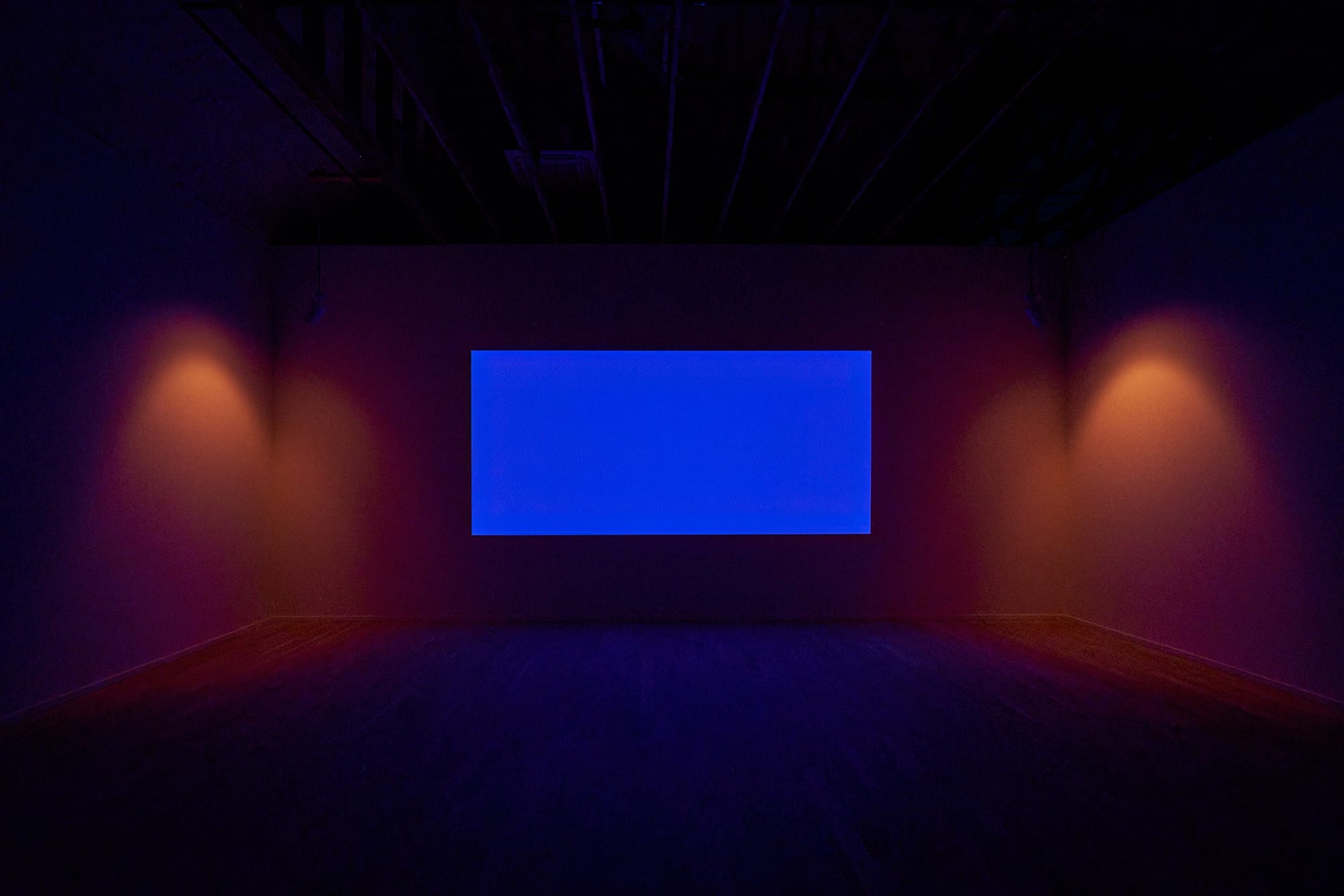
At Catskill Art Space, James Turrell’s Avaar (1982) remains a cornerstone of the regional art experience. It is a work of "pure light" that requires the viewer to relinquish the need for immediate gratification. The transition from the "viewing space" to the "sensing space" in a pitch-black room acts as a spiritual reset, reminding us that art’s primary function is often to alter our perception of reality itself.
Official Perspectives: The Institutional Vision
The curators and directors behind these exhibitions emphasize that their goal is to provide a "third space"—a location that is neither the workplace nor the home, but a site for civic reflection.
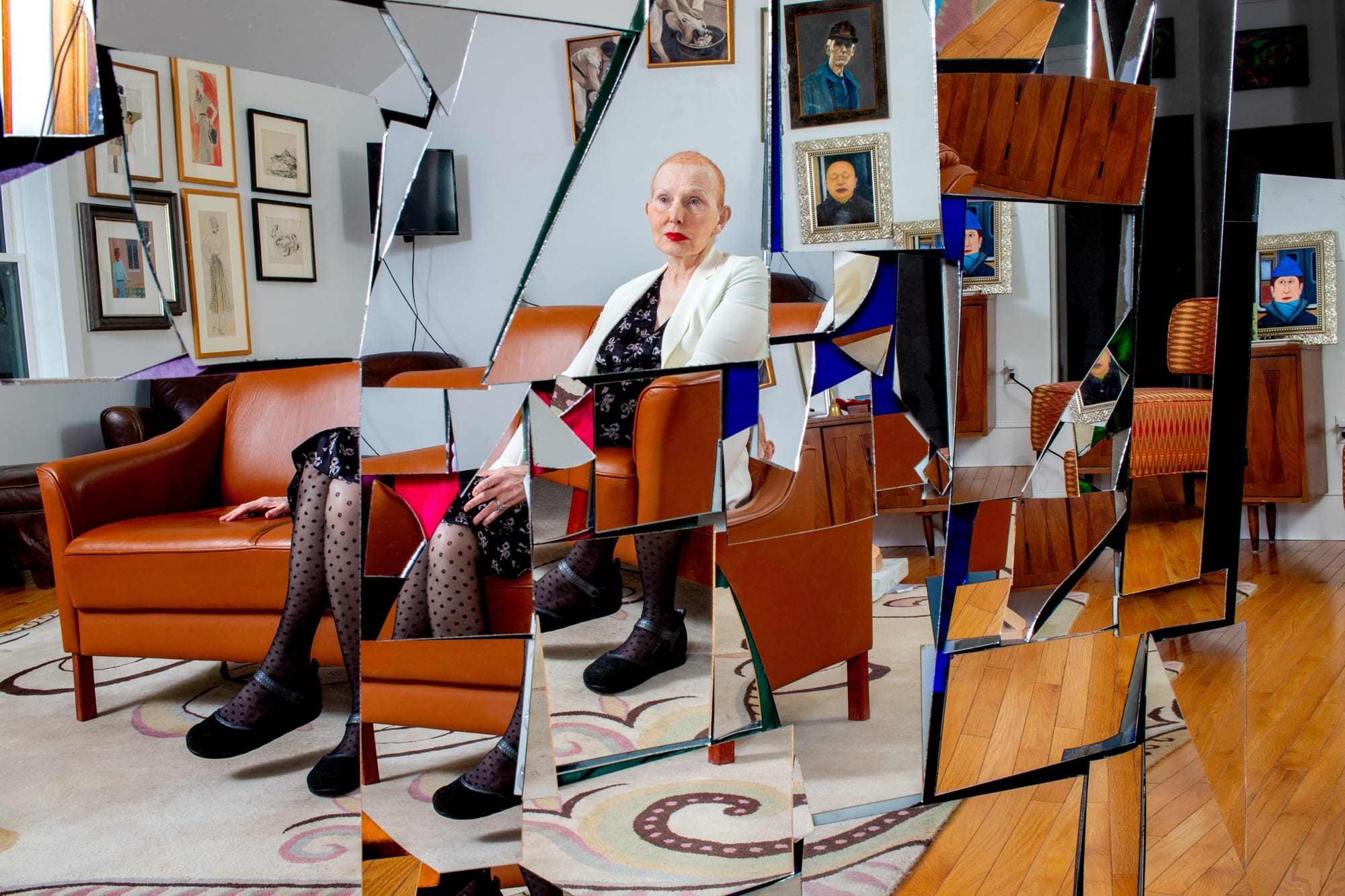
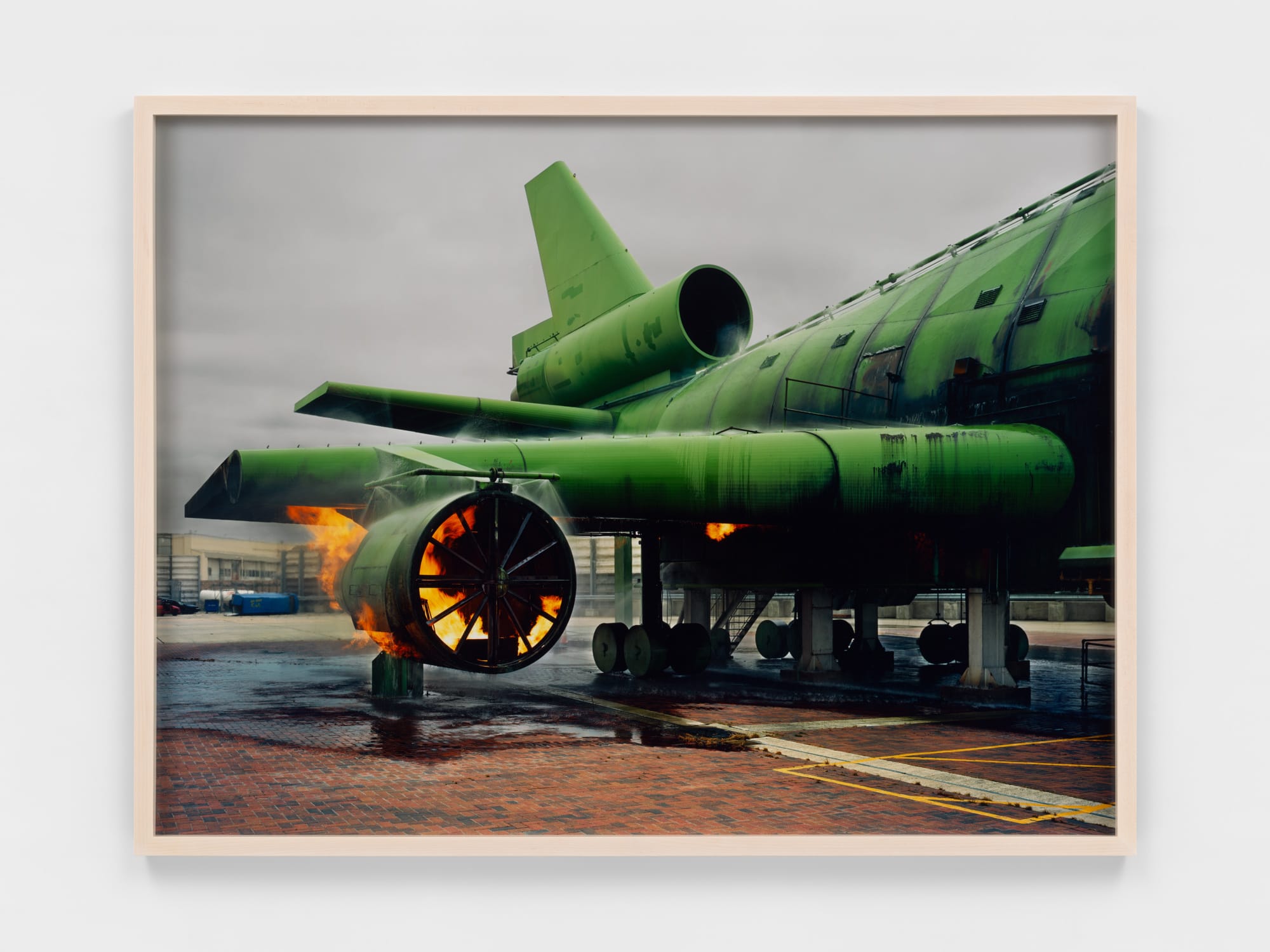
"Identity is not static," notes the exhibition literature for Deborah Roberts’ Consequences of Being at the Everson Museum of Art. Roberts, a Syracuse University graduate, uses her return to the city to challenge the viewer’s perception of the Black body. Her work, which fragments and reconfigures portraiture, serves as a metaphor for the broader American project: a collection of diverse, sometimes contradictory, parts attempting to form a coherent whole.
Similarly, at Dia Beacon, the retrospective Agnes Martin: Painting is not making paintings highlights the work of a woman who rejected the noise of the mid-century art world in favor of internal, quiet meditation. By presenting her work alongside the contemporary, often chaotic, installations found elsewhere in the region, the institutions create a dialogue between the silence of minimalism and the noise of modern identity politics.
Implications: The Future of Upstate Art
The implications of this summer’s programming are significant for the regional economy and the broader art market. As New York City rents continue to squeeze smaller galleries and independent artists, the migration of cultural production to the Hudson Valley and Catskills is not just a trend—it is a structural shift.
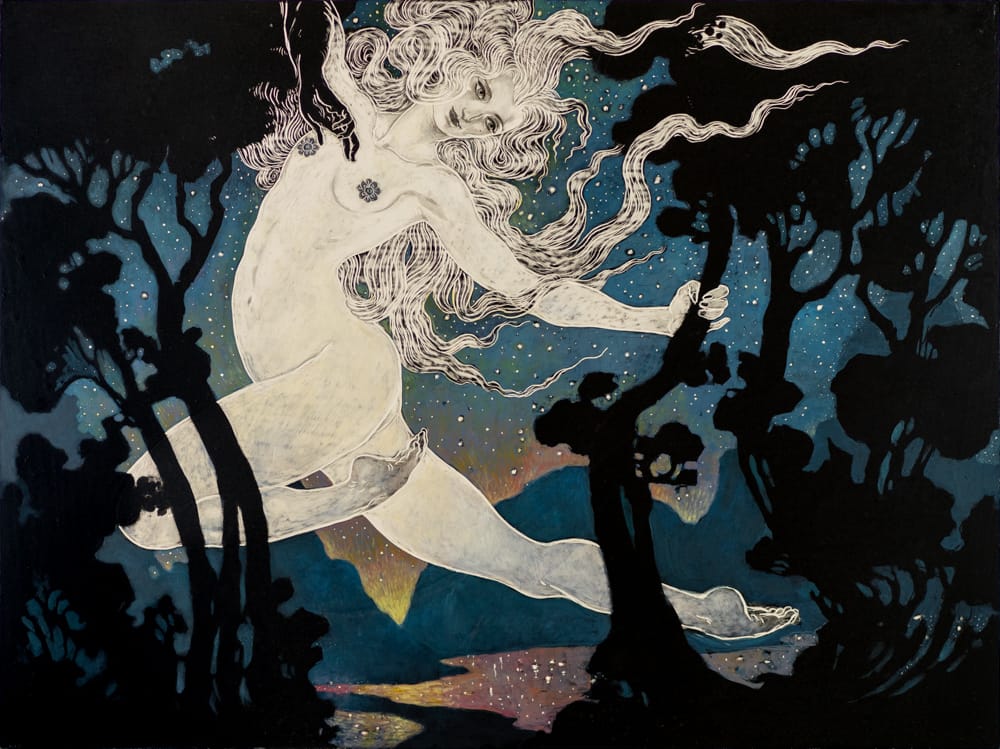
The success of these shows proves that audiences are willing to travel for high-quality, intellectually challenging art. The expansion of institutions like Storm King and the sustained popularity of The School at Jack Shainman Gallery suggest that "Upstate" is no longer a peripheral location. It is becoming a core node in the global art circuit.
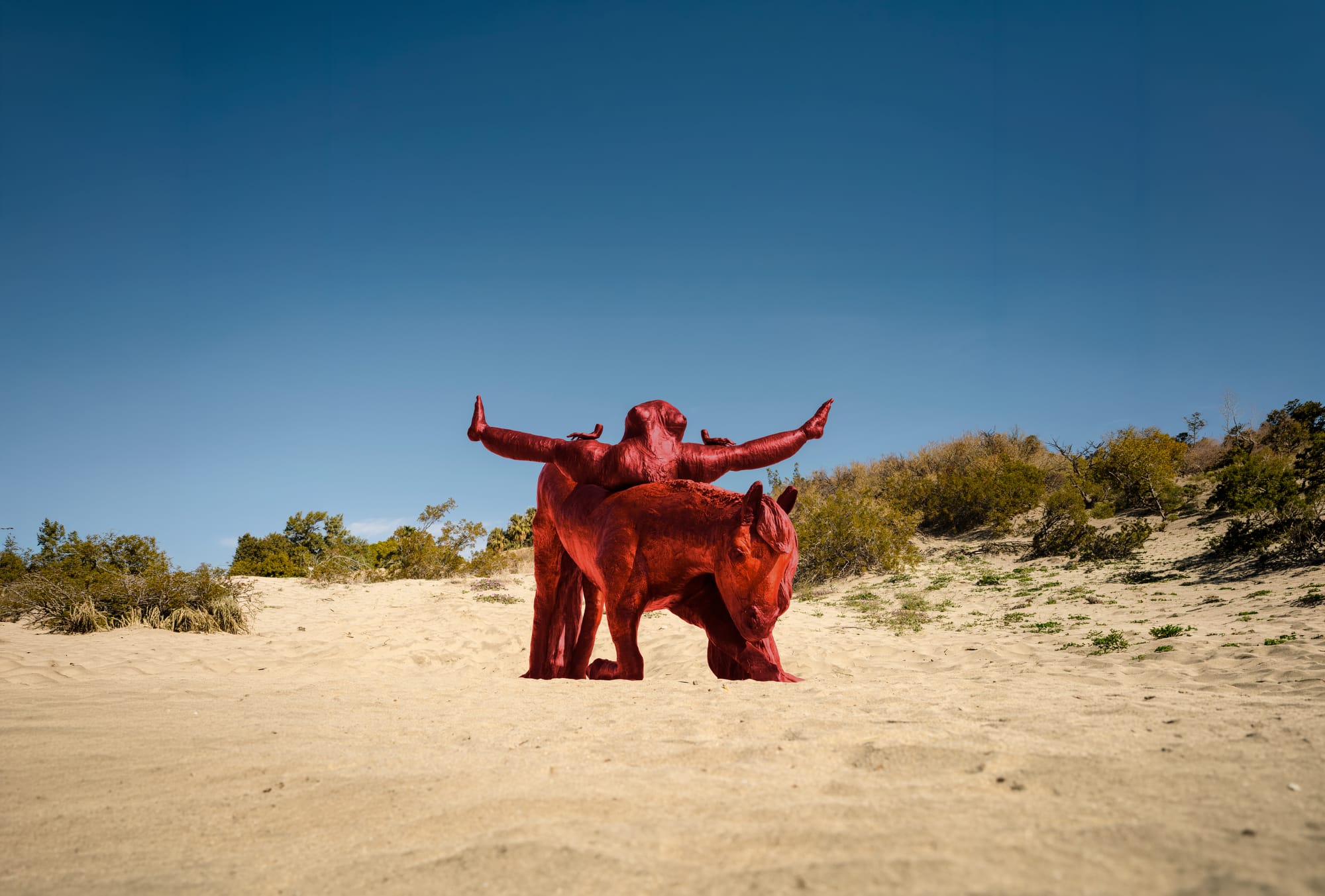
Furthermore, these exhibitions challenge the traditional 4th of July narrative. As we look toward the 250th anniversary of the United States, these artists offer a more complex, inclusive, and nuanced version of "freedom." Whether it is the Black cowboys documented by Ron Tarver or the global, collaborative embroidery of Alighiero Boetti at Magazzino, the message is clear: independence is an ongoing, collaborative, and messy process.
As you plan your visits, remember that the true joy of an Upstate summer is the pace. Unlike the frenetic "art-fair" culture of the city, these shows are meant to be lingered over. They require the time to drive through the rolling hills, to walk the sculpture meadows, and to let the art settle in the quiet of the mountain air. This summer, let the art lead you. It is, quite simply, a beacon of true freedom for all.
 Basiran
 Muslim
 Evan Lee Salim
