

Introduction: A Moment of National Reflection
This year’s Juneteenth holiday serves as a poignant intersection of past and present. As the United States marks the federal holiday—inaugurated during the Biden administration to commemorate the emancipation of enslaved people—the nation also finds itself grappling with the weight of its 250th anniversary. This collision of dates is not merely calendar-coincidence; it acts as a mirror, forcing a candid national conversation about which stories, figures, and values define the American identity.
In New York City, the holiday has evolved beyond somber reflection into a vibrant tapestry of cultural expression. From the Bronx to the Battery, institutions are embracing the duality of the day, offering programming that ranges from the meditative to the celebratory. Simultaneously, the opening of the Obama Center in Chicago provides a modern, architectural counterpoint to the traditional monuments of Washington, D.C., offering a new "moral center" for the public to navigate.
The Chronology of Commemoration
To understand the significance of this year’s events, one must look at the timeline of Juneteenth’s ascent into the national consciousness.

- June 19, 1865: Union General Gordon Granger arrived in Galveston, Texas, to announce that all enslaved people were free, effectively enforcing the Emancipation Proclamation two and a half years after it had been signed.
- 1866–2020: Juneteenth was celebrated as a regional holiday, primarily within Black communities, often referred to as "Emancipation Day" or "Freedom Day."
- June 17, 2021: President Joe Biden signed the Juneteenth National Independence Day Act into law, officially designating June 19 as a federal holiday.
- 2026: The holiday reaches a symbolic maturity as it aligns with the nation’s 250th anniversary, heightening the scrutiny surrounding the American narrative and historical reconciliation.
Supporting Data: NYC’s Cultural Landscape
The arts sector in New York City has mobilized to ensure that the holiday is marked with depth and community engagement. The following highlights demonstrate the breadth of this year’s programming:
Curated Programming Across the Boroughs
- The Bronx Museum: Featuring a robust series of events, the museum has centered its Juneteenth programming around percussive heritage, hosting drumming performances and high-energy DJ sets that bridge the gap between historical remembrance and contemporary joy.
- South Street Seaport: A multi-day free performance series invites residents to engage with public art and live music, emphasizing accessibility and communal gathering.
- The Studio Museum in Harlem: Known for its commitment to Black art, the institution is hosting sound baths and contemplative sessions, providing a space for quiet reflection on the complexities of emancipation.
These events are not merely entertainment; they serve as a deliberate pedagogical tool, allowing the public to interact with the history of the United States through a lens of artistic resilience.
The Obama Center: A New Landmark
Today also marks the official opening of the Obama Center in Chicago, a project that has been anticipated for its potential to redefine the relationship between civic space and public art.
The "Obamalisk" and the Challenge to Tradition
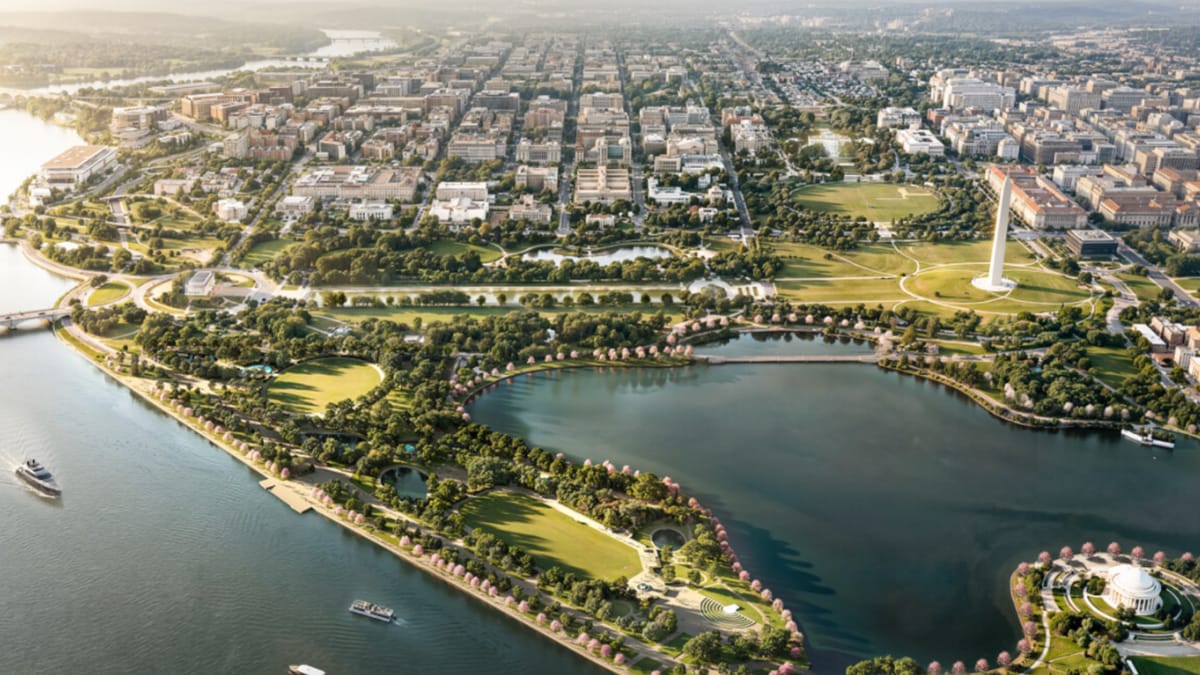
The center has already earned the nickname "The Obamalisk" in architectural circles. By occupying a prominent space in Chicago’s landscape, the structure serves as a formal challenge to the traditional monuments found in Washington, D.C. Critics and observers note that the center does not attempt to replicate the neoclassical aesthetics of the capital. Instead, it offers a contemporary vision of leadership and community.
By design, the Obama Center suggests that the "moral center" of the United States is not a static point located in a single federal district, but a dynamic, evolving concept that can be housed in the heart of a diverse urban landscape. It is a visual reminder that history is an ongoing project, constantly requiring new monuments to represent the shifting demographics and values of the citizenry.
Implications for the American Narrative
The coincidence of the Juneteenth federal holiday and the nation’s 250th anniversary is arguably the most significant cultural event of the year. This juxtaposition creates several key implications for the future of the American identity:
1. The Re-evaluation of "American Heroes"
Recent legal battles, such as the lawsuit involving heritage groups against the proposed "Garden of American Heroes" under the previous administration, underscore the tension regarding whose stories are memorialized. The pushback from heritage advocates suggests a growing demand for a more inclusive and historically accurate representation of the figures who shaped the country.
2. Art as an Act of Protest and Preservation
The prevalence of art in this year’s celebrations—from the inner worlds of Black quilters, which explore domestic history and generational trauma, to the animated biopics of folk artists like Nellie Mae Rowe—highlights how art is being used to reclaim narratives. By focusing on the personal and the domestic, these artists are providing a necessary counter-narrative to the grand, often sanitized, versions of history that have traditionally occupied public squares.
3. The Future of Institutional Responsibility
As media organizations like Vox Media become part of larger corporate conglomerates, and as museums pivot to more socially conscious programming, the role of the institution is in flux. There is an increasing expectation that cultural entities must not only house art but also actively participate in the discourse surrounding equity, labor, and representation.
Official Responses and Public Sentiment
While the official government recognition of Juneteenth remains a cornerstone of the Biden presidency’s cultural agenda, the public response is far more nuanced. Many activists argue that while the holiday is a step toward acknowledgment, it must be paired with substantive policy change—such as addressing economic disparities and systemic issues in the justice system.
The "Required Reading" of this week—ranging from the intersection of astrology and pop culture to the plight of urban pigeons as seen through the artist’s eye—reveals a public that is hungry for multidimensional stories. The discourse has shifted from "What does the government say about our history?" to "How do we live our history in our daily lives?"
Looking Forward: A Call to Action
As the sun sets on this Juneteenth, the challenge for the American public is to sustain the energy generated by these commemorations. The opening of the Obama Center and the proliferation of art events in cities like New York are not end goals; they are invitations to continue the work of historical excavation.
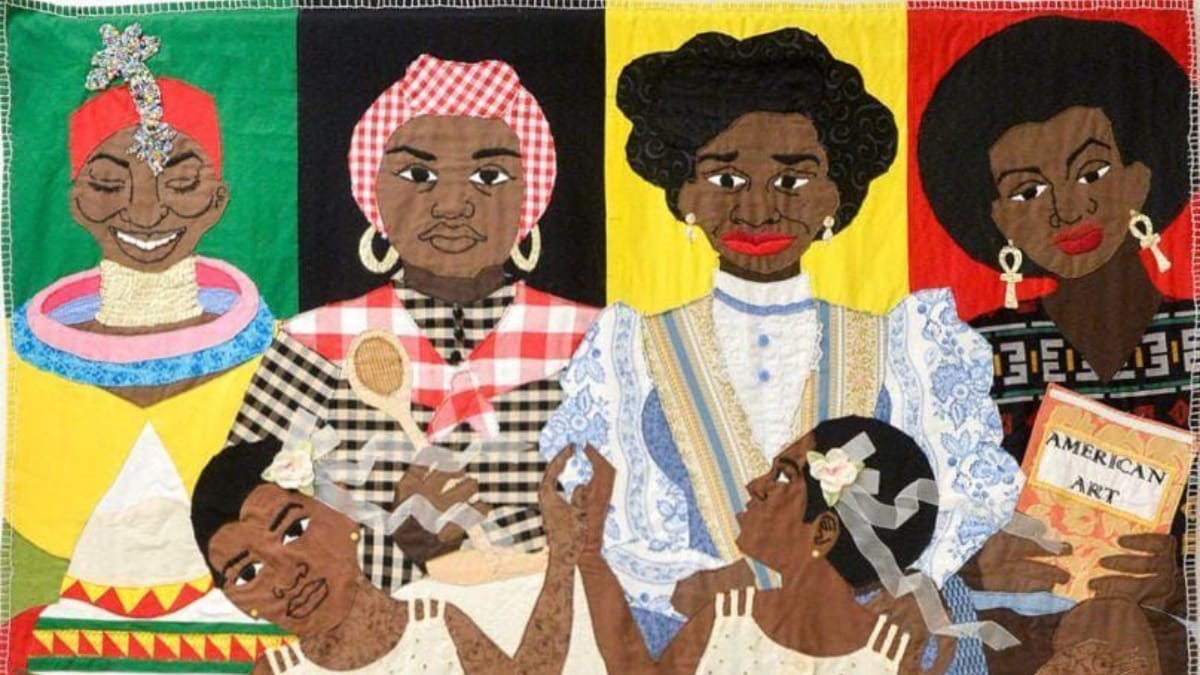
Whether through the intricate, heavy patches of a family quilt, the structural audacity of a new museum in Chicago, or the rhythmic pulse of a drum circle in the Bronx, the message remains clear: the American story is being rewritten in real-time. It is a story that is no longer satisfied with a singular narrative but is instead seeking to incorporate the voices, joys, and struggles of all its citizens.
For those looking to deepen their engagement, the coming months will likely see an increase in exhibitions that explore the legacy of the 250th anniversary. It is an opportunity for scholars, artists, and citizens alike to ensure that the "moral center" of the country remains not in a marble monument, but in the collective consciousness of a people determined to reconcile their past while boldly envisioning their future.
Summary of Key Developments:
- The Obama Center: Now open, providing a new, modern focal point for civic engagement.
- Juneteenth NYC: A comprehensive calendar of art, music, and performance across the five boroughs.
- Historical Discourse: A nationwide effort to reconcile the 250th anniversary of the U.S. with the complexities of emancipation.
- Cultural Preservation: Continued emphasis on elevating marginalized voices through film, textiles, and public art.
 Basiran
 Muslim
 Evan Lee Salim
