

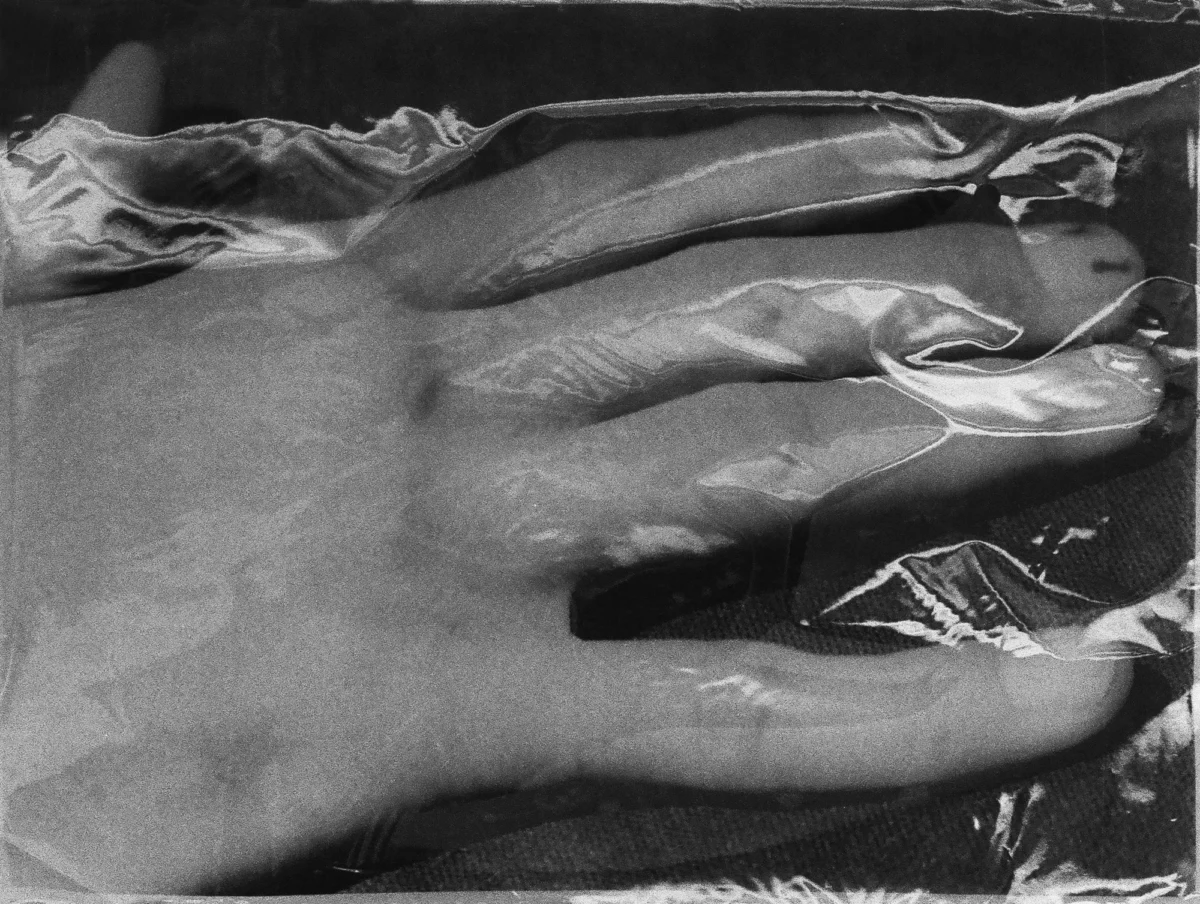
From the haunting, visceral agony of Goya’s Saturn Devouring His Son to the domestic stability captured in the works of the Dutch Masters, the archetype of the father has long served as a cornerstone of Western art history. Yet, these historical representations often feel frozen in time, adhering to rigid patriarchal scripts that offer little room for the nuances of modern experience. As society evolves, so too must our understanding of the paternal bond.
In honor of Father’s Day, Hyperallergic examines how 10 contemporary artists are deconstructing, interrogating, and tenderly reconstructing the figure of the "dad." Whether exploring the trauma of displacement, the void of absence, or the quiet intimacy of shared creative legacies, these artists reveal that fatherhood is not a monolith, but a fluid, often contradictory, and deeply human landscape.
The Archive of Absence and Resilience
The modern reckoning with fatherhood is frequently tied to the physical and emotional distances imposed by history, migration, and systemic inequality. For many of the artists featured here, the "dad" is a figure reconstructed through artifacts, letters, and the fragmented memories of what was left behind.
Arleene Correa Valencia: The Weaver of Migration Stories
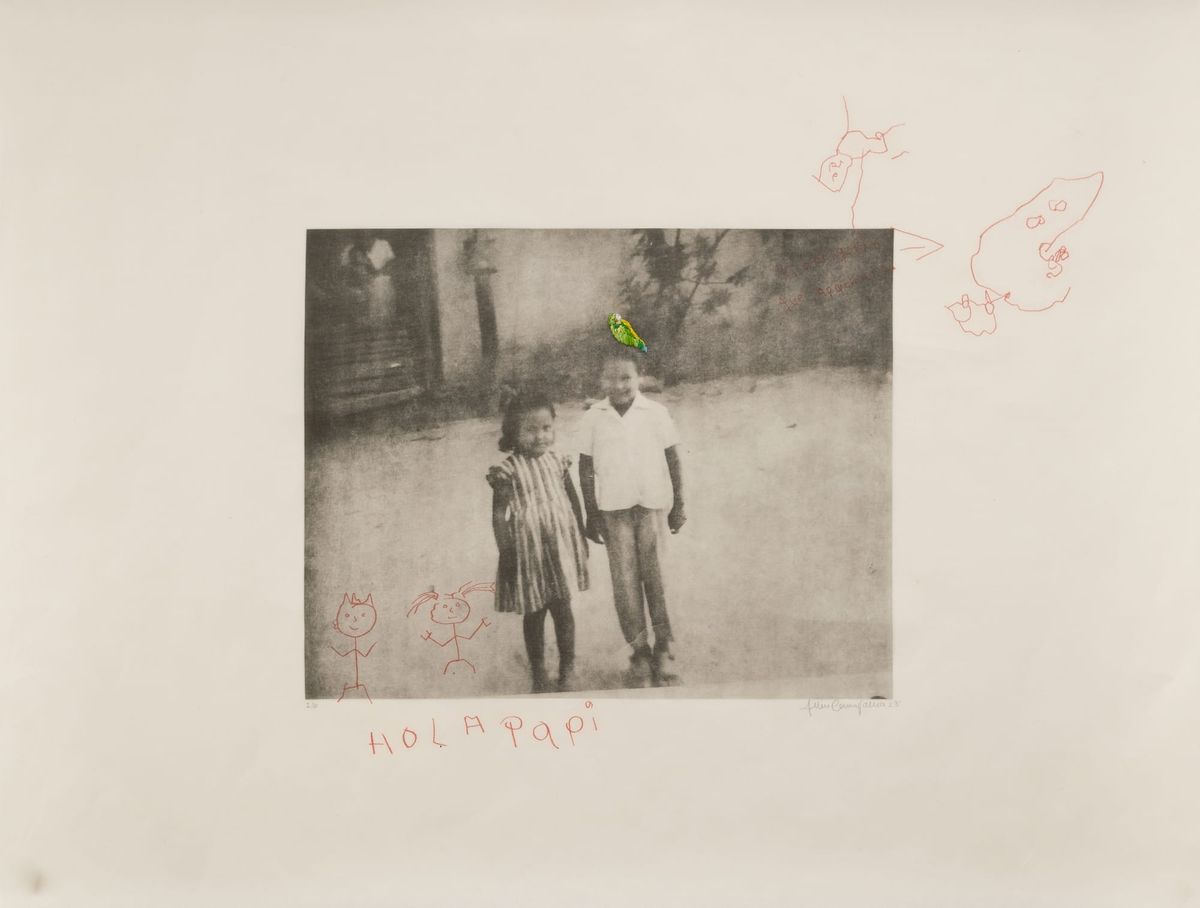
Arleene Correa Valencia’s work is a testament to the resilience of families fractured by borders. In 1996, her father left Michoacán, Mexico, to seek a future in the United States, leaving behind a family that would not reunite for years. During her 2022 residency at Mullowney Printing, Correa Valencia produced Antes de mí, a series of photogravures that weave together family photographs, correspondence, and traditional Mexica imagery.

"My father always made sure we knew our Mexico," Correa Valencia reflects. "As a child, my Pa’s dream was to be an artist… I’ve always felt that I carry that dream inside me. Being an artist doesn’t feel like it belongs to me. It belongs to us." By layering childlike drawings sent to her father during their separation, she transforms personal trauma into a collective narrative of survival.
Amanda Ross-Ho: Reverse-Engineering the "Fake It ’Til You Make It" Era
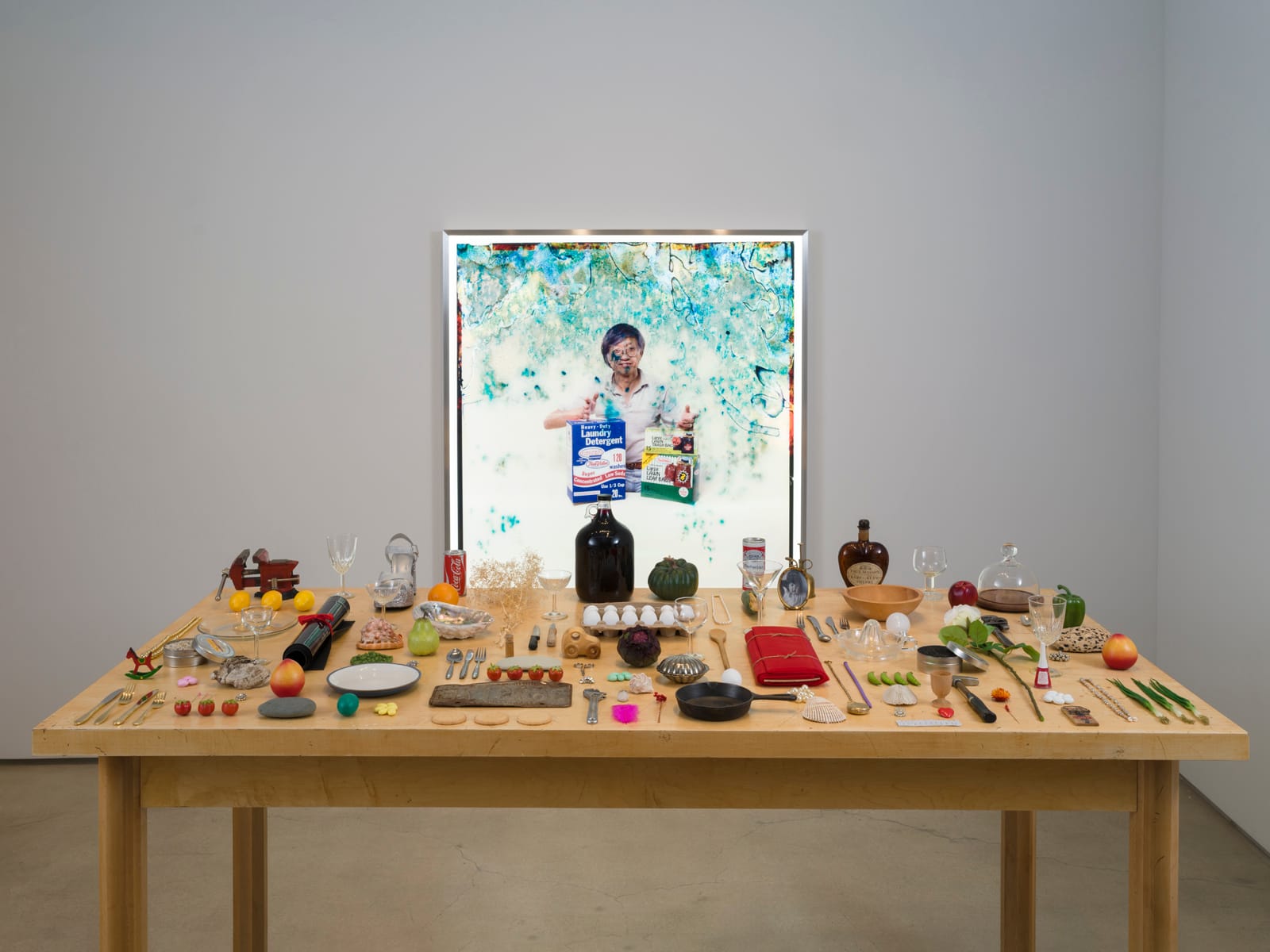
Amanda Ross-Ho approaches the paternal legacy through the lens of performance and labor. Her father, Ruyell Ho, a Chinese immigrant to the US, secured a vital job in a commercial photo studio by creating a portfolio of household objects. Decades later, Ross-Ho reverse-engineered these images in her installation Untitled Prop Archive (THE PORTFOLIO). By meticulously recreating hundreds of props—fake fruit, vintage cans, pearls—and displaying them on a scaled-up version of her childhood kitchen table, she honors the performative necessity of the immigrant experience. The life-size, water-damaged transparency of her father in the background serves as a poignant reminder of the man behind the manufactured image.
Complicating Narratives: Black Fatherhood and Memory
Portraiture remains a primary tool for those seeking to dismantle stereotypes, particularly regarding Black fatherhood.
Larry W. Cook: Reframing the Paternal Presence
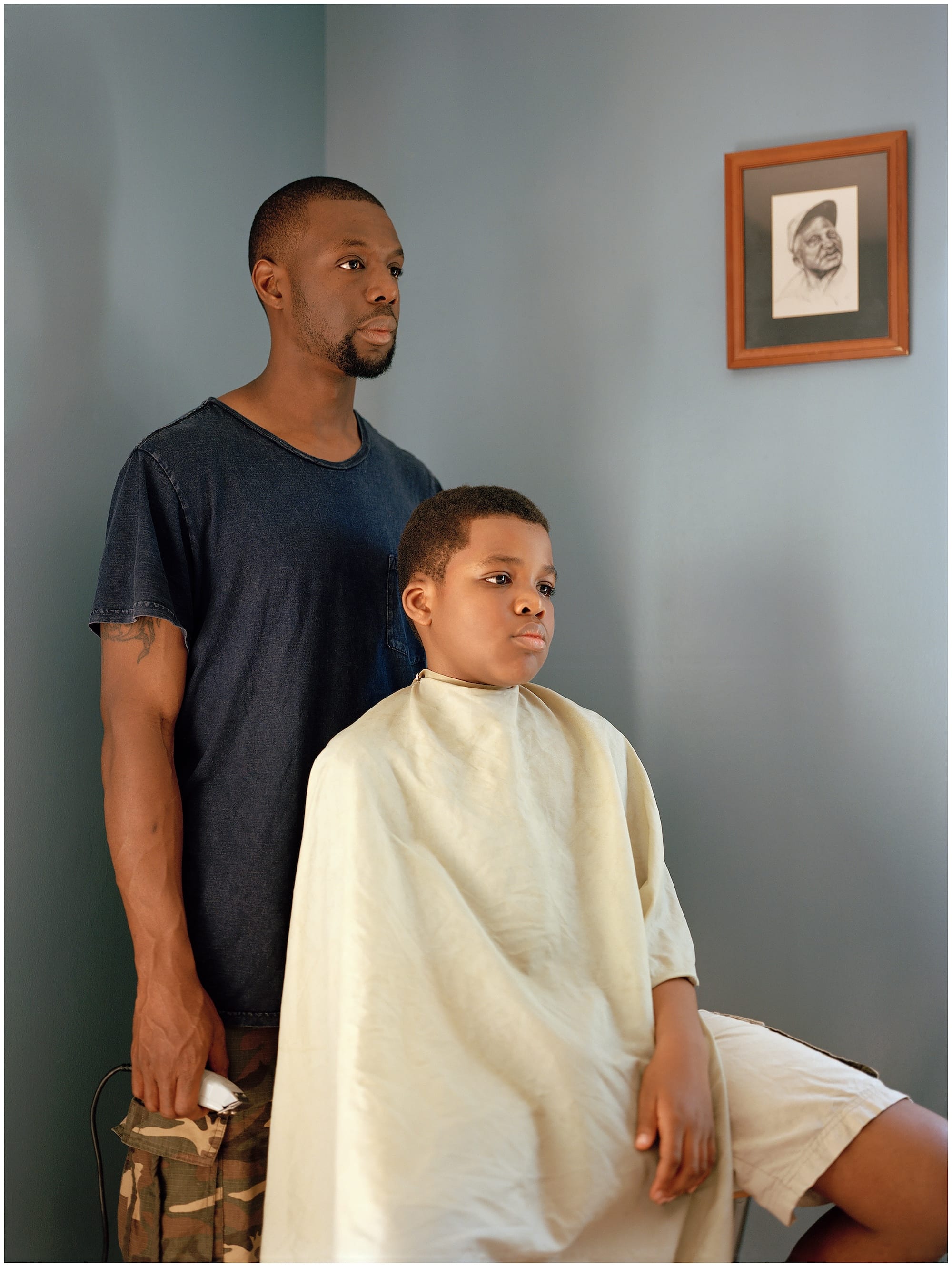
Larry W. Cook’s 2018 series Fatherhood stands as a direct challenge to the persistent, harmful tropes surrounding Black paternal absence. An artist and archivist at Howard University, Cook did not grow up with his father present; he filled that void by documenting the men who stepped into the role. His photographs—depicting intimate moments of care, the weight of everyday objects, and neutral gazes—force the viewer to confront their own biases. By focusing on the "twinned vulnerability and strength" of these men, Cook creates a space where Black fatherhood is understood not through the lens of societal failure, but through the lived reality of love and commitment.
The Artistic Inheritance: Creative Lineages
For some, the father figure is the original architect of their creative identity. This inheritance can be a source of profound inspiration or a complex shadow to step out of.
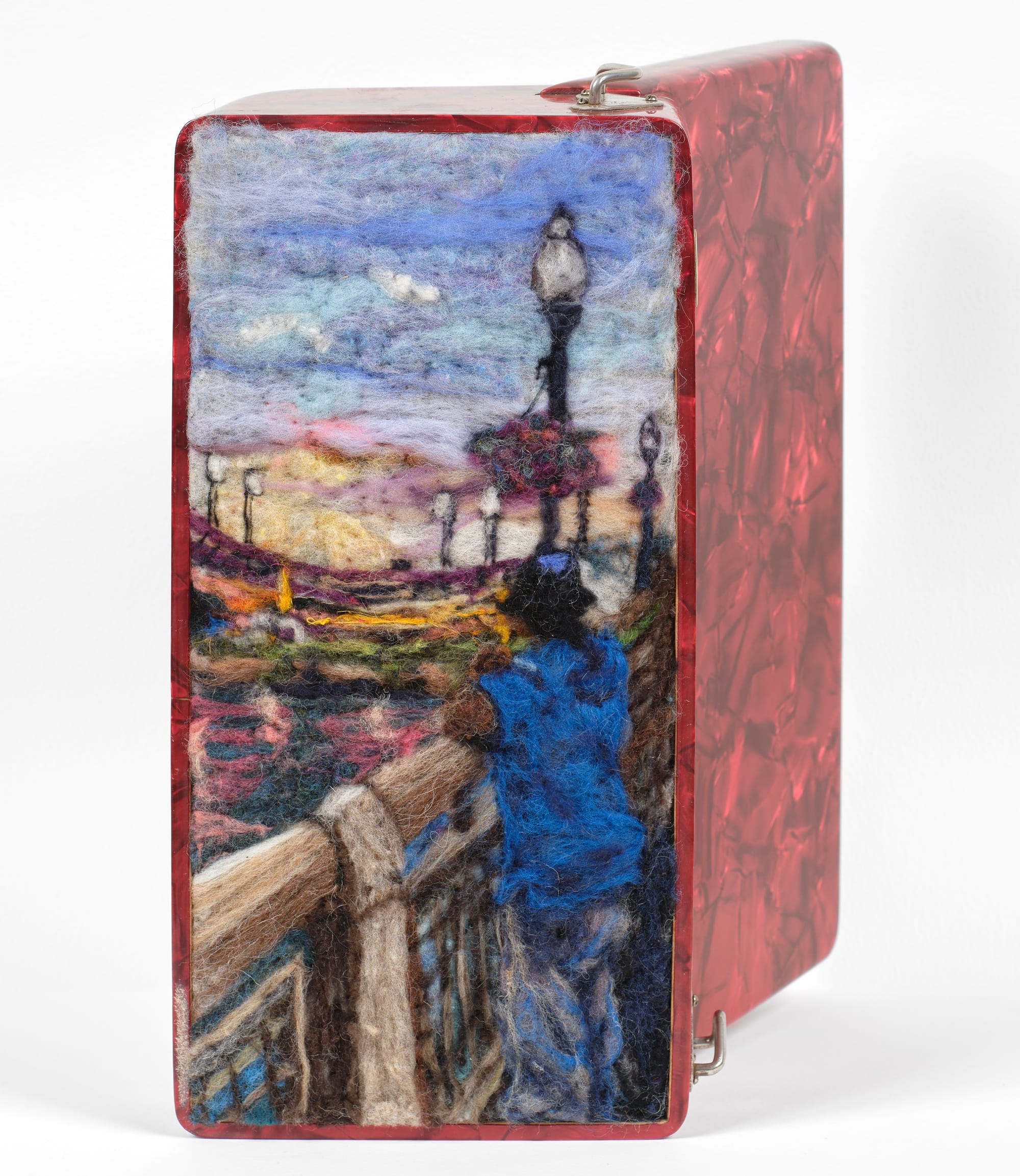
Melissa Joseph: Grief as a Creative Catalyst
Melissa Joseph’s work with felt and found objects draws heavily from her late father, K.C. Joseph. A surgeon who faced systemic prejudice as an Indian immigrant in the 1970s, K.C. turned his own creative impulses into a private practice—often staging medical specimens as art. After his death at 67, Melissa felt a surge of creative energy that led her to pursue an MFA. "Every time I made an image of him, it was like he came back for a second," she notes. Her art acts as a conduit, allowing her to process a complicated, imperfect, but deeply impactful relationship.
Ruby Neri and the Legacy of Manuel Neri
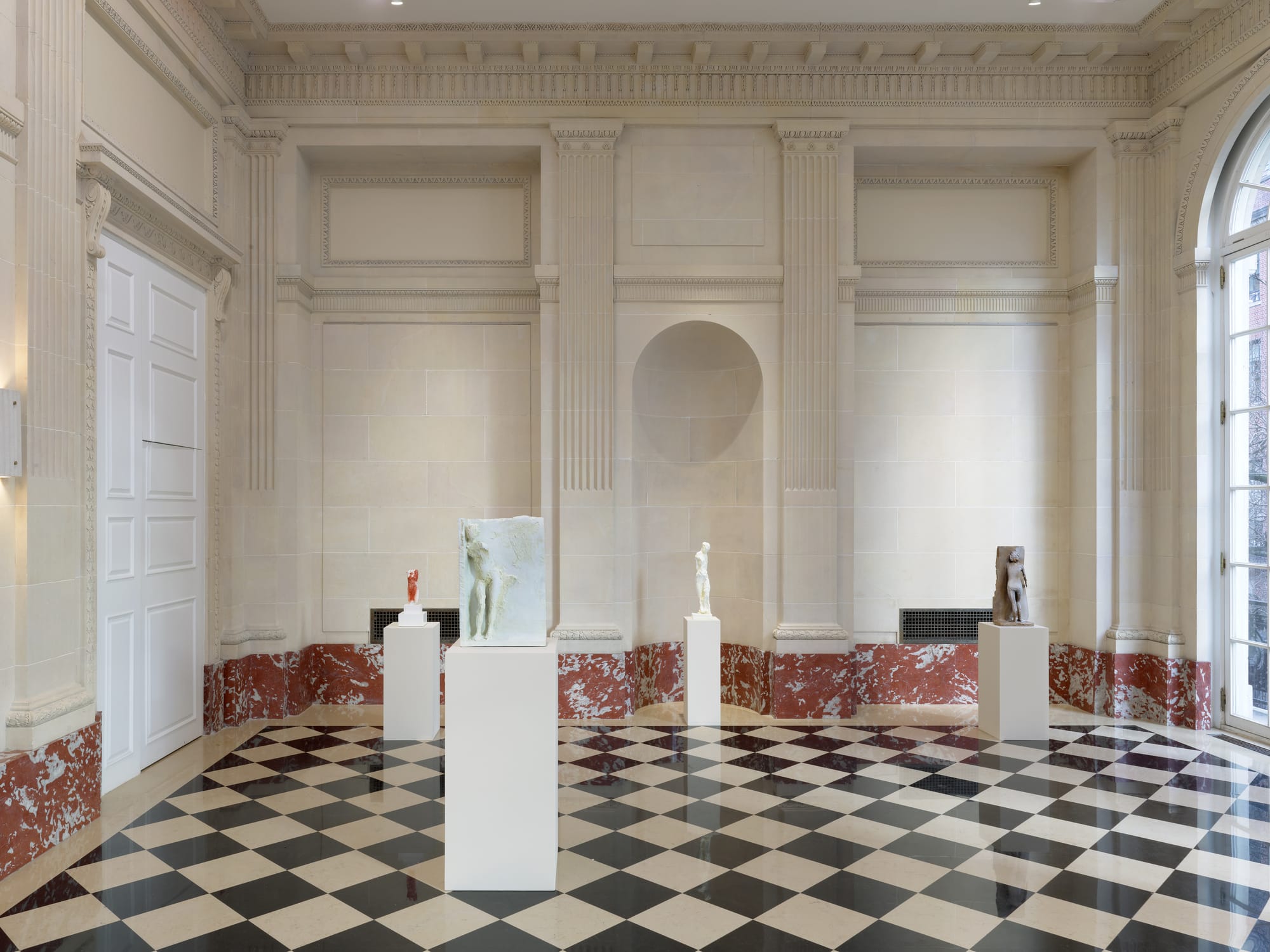
In a more direct institutional collaboration, ceramicist Ruby Neri curated a retrospective of her father, Manuel Neri, at Salon 94. A titan of the Bay Area Figurative Movement, Manuel’s life—full of travel and association with Beat poets—provided a backdrop of wonder for his children. For Ruby, this exhibition was a way to synthesize the fantastical stories of her father’s life with the tangible reality of his sculptural practice, bridging the gap between child and artist.
Chronology of Influence: From the 1950s to the Digital Age
The evolution of these themes spans generations, illustrating a shift from traditional portraiture to conceptual and digital intervention.
- 1955: David Hockney creates "Portrait of My Father," a foundational work that established his lifelong practice of depicting his family in domestic settings.
- 1970s–1980s: Ruyell Ho uses product photography to navigate his immigrant status, an archive later reclaimed by his daughter, Amanda Ross-Ho, in 2024.
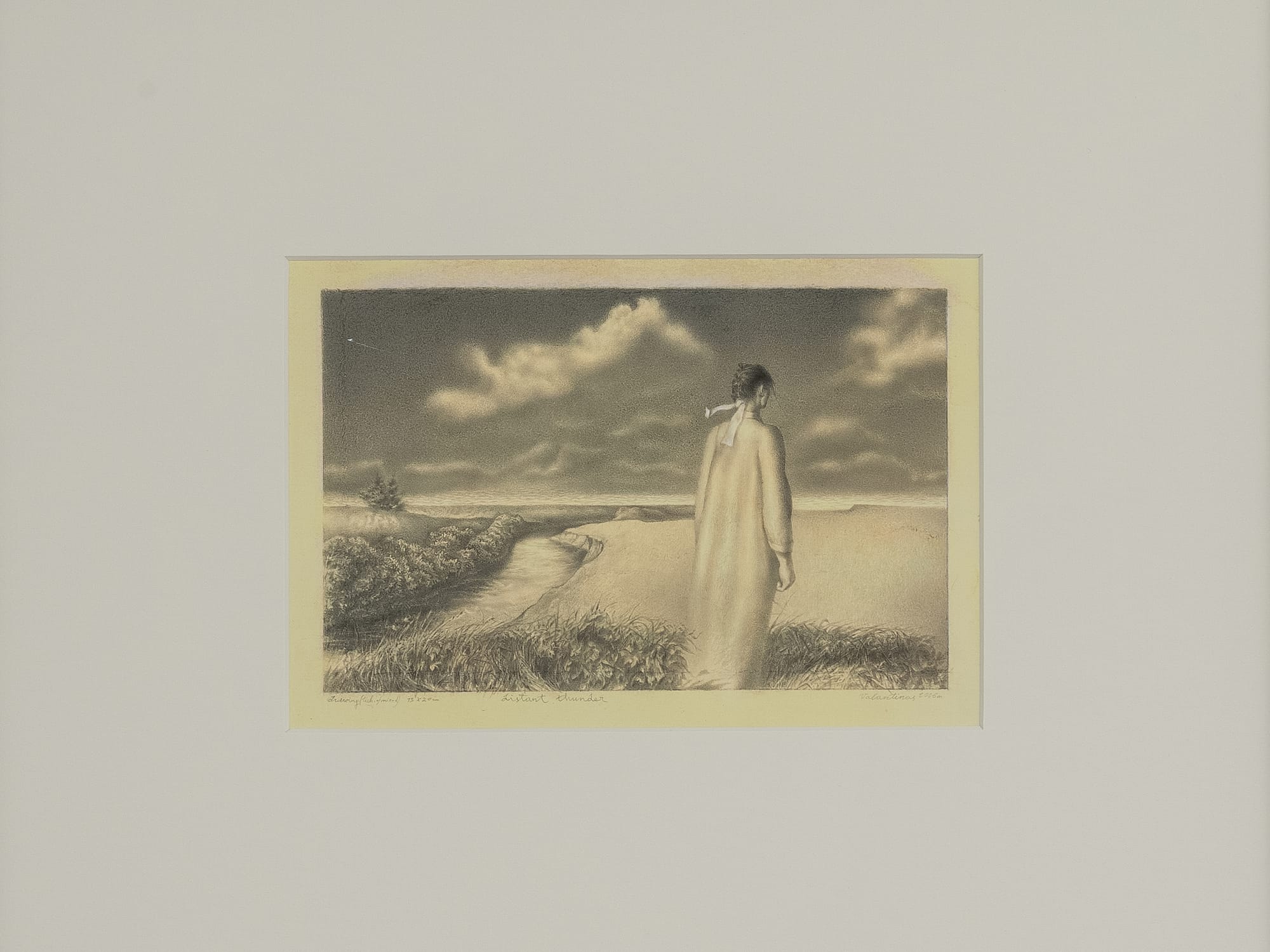
- 2015: Lithuania adopts the euro, rendering Rytis Valantinas’s banknote designs historical artifacts.
- 2024–2025: Mykolas Valantinas utilizes AI to reconfigure his father’s designs in the Father II exhibition, turning nationalistic symbols into personal, uncanny explorations of memory.
- 2026: Alex Westfall showcases See Through, merging her own photography with her father Matthew’s flood-damaged negatives from the 1970s, creating a literal and figurative dialogue across time.
Supporting Data: The Intergenerational Shift
The rise of "paternal art" in contemporary galleries is not merely a trend but a reflection of shifting demographic and social priorities. According to recent art historical surveys, there has been a marked increase in artists choosing to explore "autofiction" and "archival recovery" as primary modes of expression.
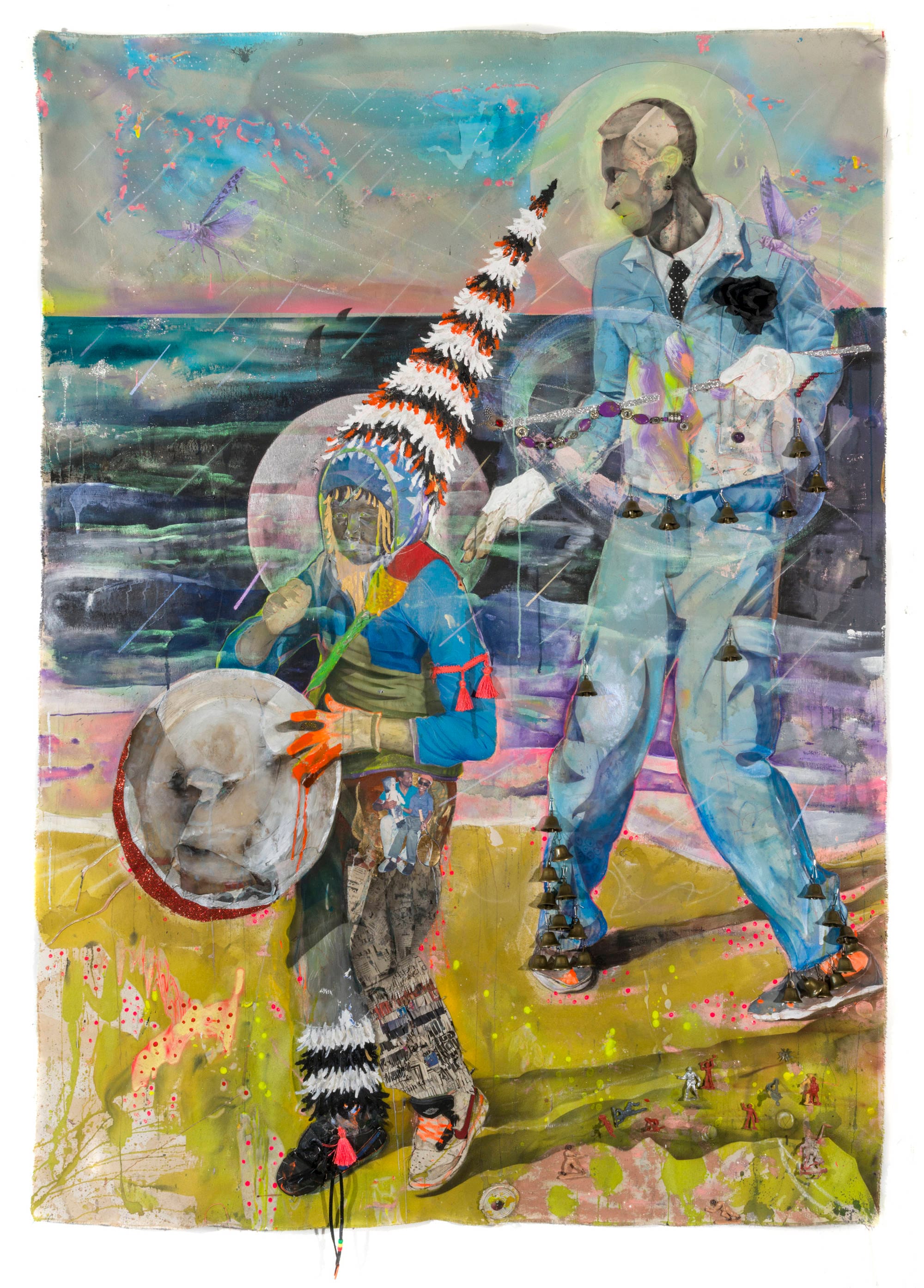
In the case of Mykolas Valantinas, the move toward AI-driven appropriation serves as a comment on the ephemeral nature of value. By taking his father’s "valid" currency and transforming it into something "strange and uncanny," he highlights how familial relics evolve into cultural artifacts. Similarly, Ei Arakawa-Nash’s Grass Babies, Moon Babies (2026) shifts the focus from the past to the future. By inviting viewers to participate in the care of baby dolls, the work acknowledges the immense, sometimes overwhelming, challenge of parenting in a modern, volatile world.
Implications: A New Canon of Fatherhood
The implications of these works are twofold. First, they expand the canon of "domestic art," which has historically prioritized the maternal figure. By placing the father in the kitchen, in the darkroom, or at the center of the immigration narrative, these artists validate the paternal role as one worthy of deep emotional and intellectual inquiry.
Second, the prevalence of these themes suggests a cultural hunger for reconciliation. Whether it is through Lavar Munroe’s spiritual connection to the late artist John Beadle or the late David Hockney’s warm, lifelong dedication to his family portraits, these artists are teaching us that the "father" is a construct that can be repaired.
As we reflect on these works, we are reminded that the father figure is rarely the static icon of the past. He is, as these artists show us, a man who makes mistakes, a man who carries silent burdens, a man who dreams of being an artist, and a man whose presence—or absence—continues to shape the trajectory of the next generation. By turning the lens toward their fathers, these artists have not only captured the essence of their subjects but have also illuminated the profound, often invisible, work of love that defines the paternal experience.
 Muslim
 Evan Lee Salim
 Jia Lissa
