

By Crystal Bell | June 18, 2026
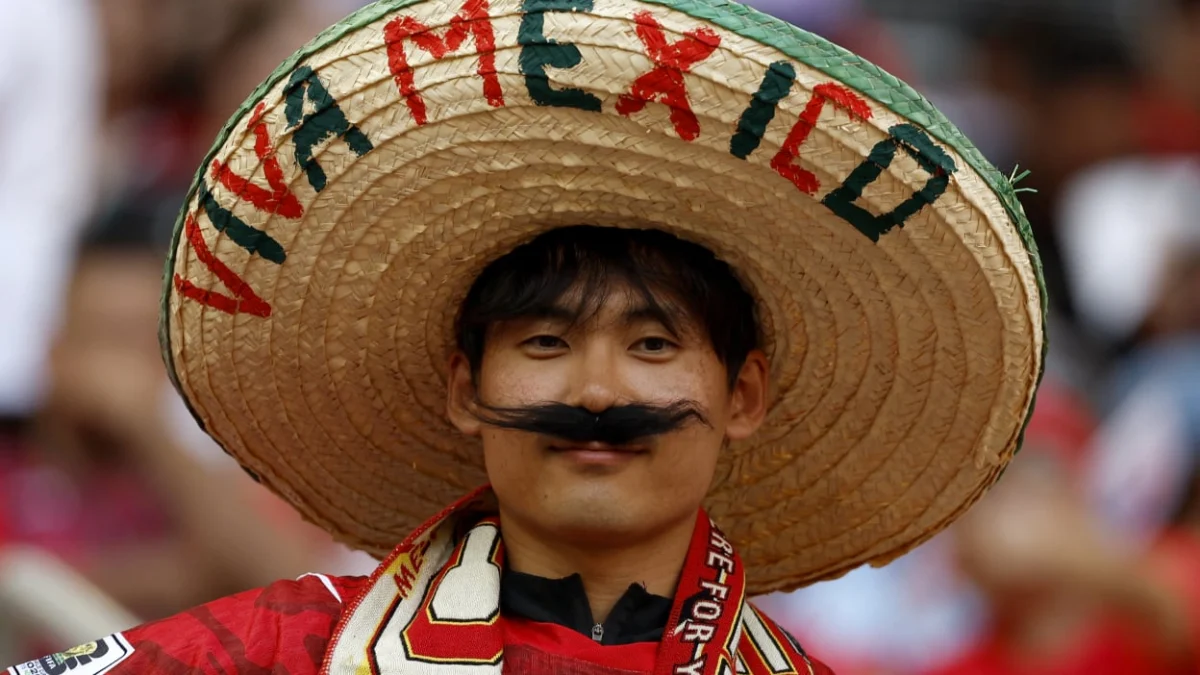
If the FIFA World Cup is typically a theater of high-stakes tension, nationalistic fervor, and bitter rivalries, then the Group A clash between Mexico and South Korea is an anomaly that defies the sport’s traditional script. In a tournament defined by the "win at all costs" mentality, these two nations have instead opted for a mutual admiration society, turning what should be a heated sporting competition into a cross-cultural celebration.
From the streets of Guadalajara, where the air is thick with the sounds of K-pop and the scent of tequila, to the digital realms of TikTok and X, the bond between these two distinct cultures has become the most heartwarming subplot of the 2026 World Cup. As the teams prepare to face off on June 18, the atmosphere is not one of enmity, but of an awkward, affectionate reunion between "brothers" separated by thousands of miles.
The Genesis of an Unlikely Alliance
To understand the current phenomenon, one must look back to the 2018 World Cup in Russia. In a twist of fate that would change the trajectory of this sporting relationship forever, South Korea pulled off one of the greatest upsets in football history, defeating the reigning champions, Germany, in a group-stage match.
That victory was the lifeline Mexico needed to advance to the knockout stages. The reaction from Mexican fans was instantaneous and iconic: supporters flocked to the South Korean embassy in Mexico City, draped in the flags of both nations, chanting, "Coreano, hermano, ya eres Mexicano" ("Korean brother, you are Mexican now"). The displays of gratitude were genuine, featuring everything from emotional tributes to the impromptu crowdfunding of beer for South Korean fans.
That singular moment of sporting synergy planted the seeds for a long-term friendship. Over the last eight years, that gratitude has blossomed into a full-blown cultural exchange, transcending the boundaries of the pitch.
Cultural Synergy: Why the Connection Sticks
While the 2018 match provided the spark, the fire has been fueled by a rapidly deepening cultural integration. Mexico has emerged as one of the most vibrant hubs for Korean culture outside of Asia. The "Hallyu" wave—or the Korean Wave—has washed over the Mexican landscape, with K-pop groups regularly selling out massive stadiums across the country.
Data from Spotify reinforces this shift; by 2025, Mexico had secured its position as the fifth-largest market for K-pop consumption globally. This is not a superficial interest; it is a deep-seated appreciation. When South Korean supporters arrived in Mexico for the 2026 World Cup, they were not met with the cold shoulder of a rival, but with the familiarity of a community that knows the lyrics to their songs, the nuances of their cuisine, and the symbols of their national identity.

When the South Korean national team arrived at their hotel in Guadalajara earlier this month, they were greeted by hundreds of local fans waiting with signs and cheers. It was a scene that mirrored the welcoming of a beloved hometown hero rather than a tournament opponent. This level of hospitality is rare in the high-pressure environment of the World Cup, where home-field advantage is usually weaponized against visitors.
Chronology of a Viral Friendship
The evolution of this "bromance" has been tracked in real-time across social media platforms, creating a digital scrapbook of cross-cultural goodwill:
- June 2018: The "Miracle in Kazan" occurs. South Korea defeats Germany, saving Mexico’s tournament run. The "Coreano, hermano" mantra is born.
- 2019–2024: The cultural exchange intensifies. K-pop fandoms in Mexico grow exponentially, and the two nations engage in collaborative artistic and social media projects.
- May 2026: Ahead of the tournament, viral videos begin to circulate of Mexican fans learning Korean phrases and South Korean fans practicing the Spanish lyrics to popular Mexican anthems.
- June 12, 2026: The South Korean team lands in Guadalajara. They are greeted by a massive crowd of Mexican fans, creating viral footage that dominates news cycles in both Seoul and Mexico City.
- June 18, 2026: Match Day. The tension of the game is tempered by the knowledge that the fans in the stands are essentially rooting for each other.
Supporting Data: The Economic and Digital Impact
The impact of this friendship is measurable beyond mere social media "likes." The intersection of these two cultures has created a unique micro-economy. Local businesses in host cities have reported a surge in sales of "fusion" merchandise—sombreros featuring Korean flag designs, jerseys that blend the colors of the two nations, and food trucks offering a mix of street tacos and kimchi-based dishes.
From a digital engagement standpoint, the "Mexico vs. South Korea" search terms have consistently trended toward "friendship" and "wholesome moments" rather than "analysis" or "predictions." Analysts at major sports analytics firms have noted that this specific matchup has generated a higher rate of positive sentiment interaction than any other game in the group stage.
Official Responses and Diplomatic Undertones
The diplomatic community has leaned into the narrative as well. Officials from both the South Korean consulate and Mexican local governments have praised the bond as a testament to the power of sports to foster international unity.
"The warmth shown by the Mexican people is not just a gesture of sportsmanship," a representative noted during a pre-match press conference. "It is a reflection of a genuine bridge built between two societies that, despite being separated by an ocean, find themselves aligned through art, music, and now, the beautiful game."
While both coaching staffs remain focused on the tactical requirements of the game, even they have acknowledged the unique pressure of playing in such a friendly atmosphere. "We want to win, certainly," a spokesperson for the South Korean side stated. "But we are aware that we are playing in front of fans who have treated us with nothing but love. It makes the game feel different."
The Implications: Is This the Future of Fandom?
The Mexico-South Korea dynamic poses a fascinating question for the future of global sports: Can a "friendly rivalry" exist in a competitive environment without losing the integrity of the game?

For 90 minutes on June 18, the camaraderie will be put to its ultimate test. Once the whistle blows, the romantic comedy turns into a competition. Strategies will be deployed, fouls will be committed, and one team will walk away with the points. Yet, the implications of this match go beyond the scoreboard.
The relationship between these two fanbases challenges the notion that international football must be defined by tension and conflict. It suggests that, in an increasingly polarized world, the World Cup can serve as a catalyst for genuine, lasting human connection.
As one fan noted in a recent interview, "Whoever wins, that’s my team." This sentiment, while counterintuitive to the traditional "my country against yours" philosophy, highlights a shift toward a more globalized, inclusive form of fandom.
Conclusion: A Game for the Ages
As the sun sets over the stadium in Guadalajara, the world will be watching a match that is fundamentally different from the others. We will see the tactical brilliance of two disciplined teams, but we will also see a crowd that refuses to let competition erode their friendship.
Whether it ends in a closely fought victory or a tactical draw, the legacy of this match has already been written. Mexico and South Korea have proven that even in the cutthroat world of elite athletics, there is room for kindness. They have redefined what it means to be rivals, turning a group-stage encounter into a celebration of what happens when two cultures decide to choose brotherhood over hostility.
For 90 minutes, they will fight to win. But once the final whistle sounds, the celebration—and the tequila—will likely be shared by all, proving that in this particular World Cup, the real winner is the bond between two nations that decided to be friends first, and opponents second.
 Suro Senen
 Neng Nana
