

By Valentina Di Liscia
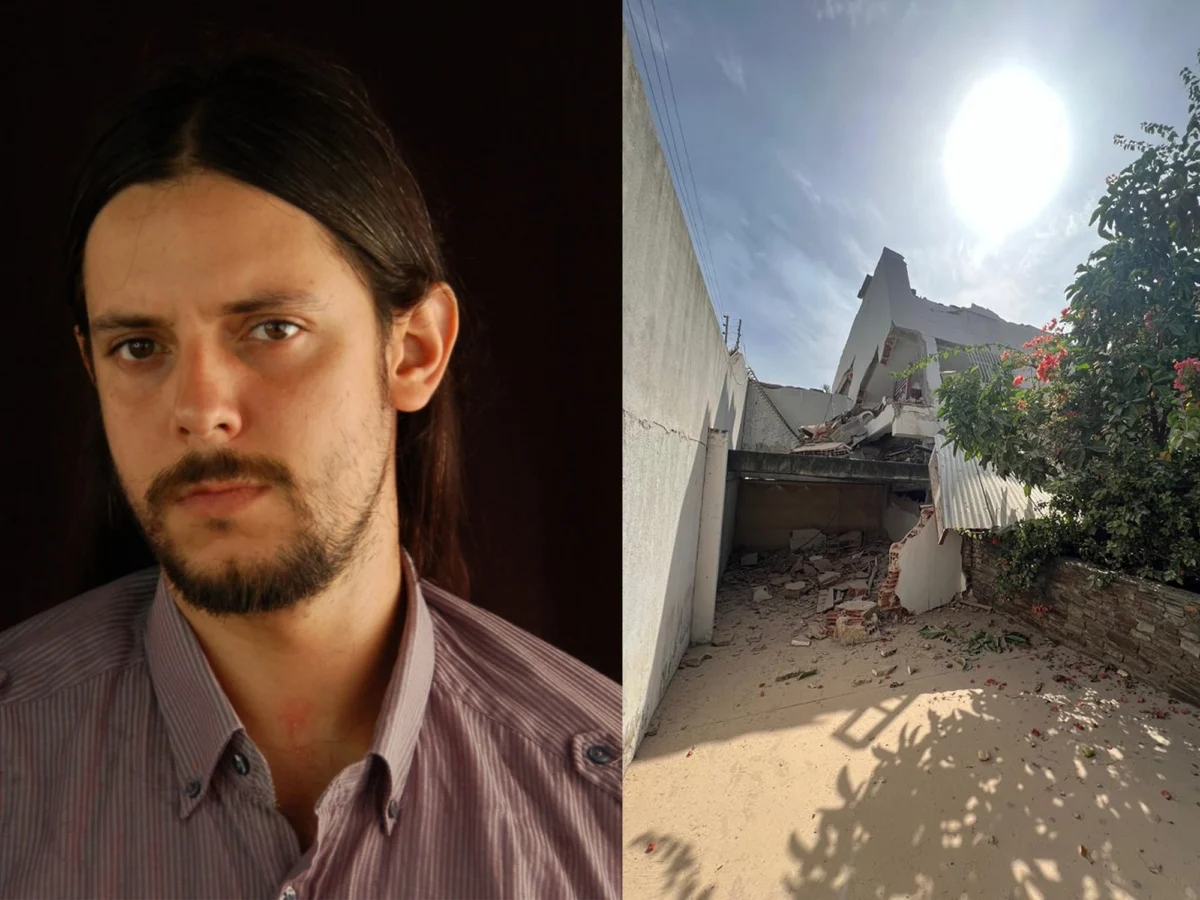
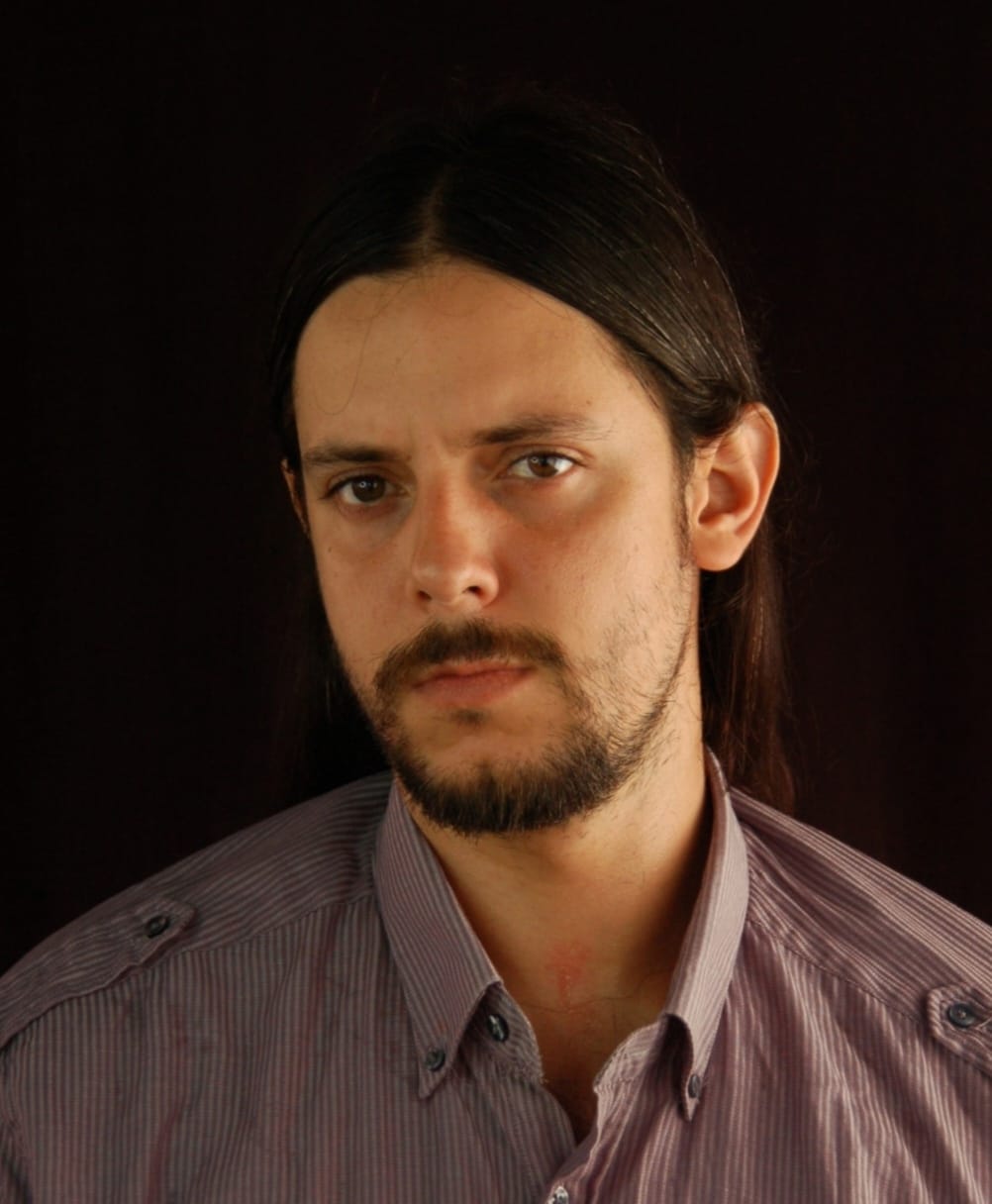
The coastal landscape of La Guaira, Venezuela, has been transformed into a scene of harrowing uncertainty following a double-strike earthquake disaster that has left the nation in shock. As search-and-rescue operations struggle to gain momentum, families are pleading for international attention and specialized equipment to save those still buried beneath the ruins. Among the thousands reported missing is the celebrated painter Onai Quiñonez, whose family confirms he has been trapped in the rubble of a residential complex for over 40 hours.
The tragedy, which struck on the night of Wednesday, June 24, 2026, has claimed at least 589 lives and left more than 3,000 injured, according to figures provided by Venezuela’s acting President, Delcy Rodríguez. As the country faces its most significant seismic event in over a century, the creative community has become a focal point of the unfolding humanitarian crisis.
The Disappearance of Onai Quiñonez: A Race Against Time
Onai Quiñonez, an artist renowned for his vibrant, expressionistic canvases that capture the dynamic spirit of Venezuelan culture, was inside the Yurre Beach residence in the seaside city of Caraballeda when the ground began to shift.
According to his sister-in-law, Mariela Roa, who has been coordinating efforts from afar, the situation is increasingly desperate. "We need to give visibility to Onai’s situation," Roa stated via urgent correspondence. "He is alive, he is fighting; he’s been under the rubble for 41 hours."
The harrowing account of his disappearance is compounded by the testimony of his wife, the artist Laura Silva. Silva had stepped out of the building shortly before the initial tremor to walk their dog, Petra. Witnesses describe her watching in horror as the structure succumbed to the seismic force, effectively burying her husband in a mountain of concrete and twisted metal.
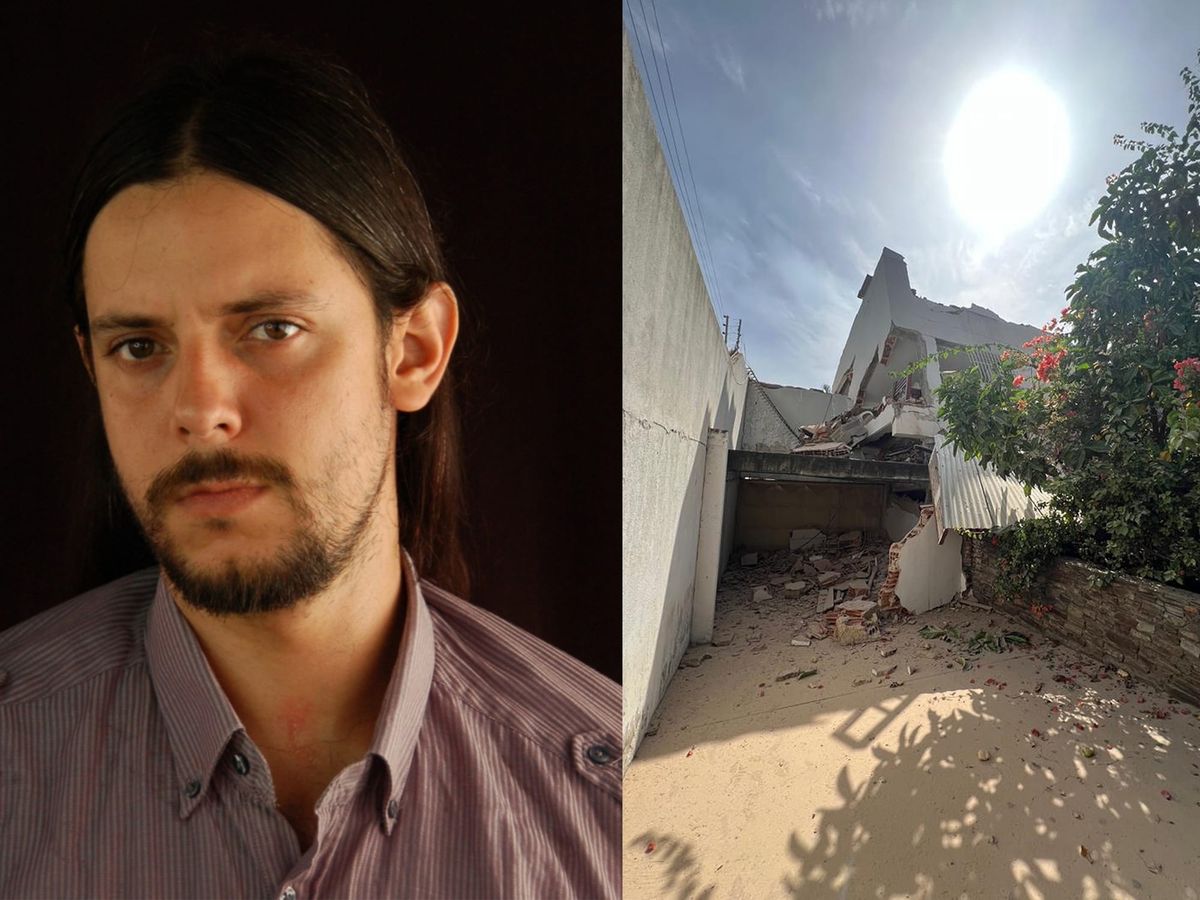
Quiñonez’s sister, Nahiara, has been working tirelessly to organize volunteer rescue efforts at the site. "She saw the building collapse, with my brother in it," Nahiara recounted. Despite the presence of friends and family attempting to clear debris by hand, the structural instability of the site and the sheer volume of rubble necessitate specialized heavy machinery—resources that are currently scarce due to regional infrastructure failures.
Chronology of the Disaster: A Nation Struck Twice
The seismic event of June 24 began at approximately 9:00 PM local time. Within the span of a single minute, the Venezuelan coastline was subjected to two distinct, massive tremors.
- The Initial Strike: The first earthquake, registering a magnitude of 7.2, caused widespread panic and structural damage across the La Guaira region.
- The Catastrophic Aftermath: A second, more powerful earthquake with a magnitude of 7.5 followed almost immediately. Seismologists have since confirmed this as the strongest recorded earthquake in Venezuela in over 100 years.
- The First 24 Hours: Immediate chaos ensued as power grids failed and telecommunications networks collapsed. Thousands of residents fled to the streets, only to find major thoroughfares blocked by debris.
- Current Status (48+ Hours): Rescue efforts are currently hampered by the total collapse of local infrastructure. While small groups of civilians are working to locate survivors, official emergency response units have struggled to access the most heavily impacted coastal zones.
Supporting Data and The Scale of Destruction
The scale of the destruction is vast, affecting both the physical infrastructure of the nation and its social fabric. The La Guaira region, a coastal hub, has been hit particularly hard, with numerous high-rise residential buildings reduced to piles of debris.
While the death toll currently stands at 589, government officials and NGOs alike fear that this number will rise significantly as search teams reach the interior of collapsed buildings. The number of missing persons remains in the thousands, creating a profound sense of anxiety across the country.
The impact is not limited to physical casualties. The cultural sector, already navigating the difficulties of a fractured economy, has been dealt a severe blow. Artists such as textile creator Siul Rasse and photographer Azalia Licón have utilized social media platforms to circulate pleas for information regarding missing relatives, highlighting how the disaster has reached every strata of Venezuelan society.
Official Responses and the Humanitarian Void
The response from the Venezuelan government has been marked by attempts to coordinate emergency aid, but experts argue that the nation is severely under-equipped to handle a disaster of this magnitude.

Acting President Delcy Rodríguez has called for national unity, yet the political climate surrounding the disaster is fraught with tension. A significant point of contention among international observers is the impact of recent geopolitical shifts on aid accessibility.
The dismantling of the United States Agency for International Development (USAID) has created a significant vacuum in humanitarian logistics. Regional experts suggest that the absence of such established international relief channels is directly slowing the deployment of life-saving medical supplies, search-and-rescue teams, and clean water. Furthermore, the nation continues to labor under the weight of long-standing economic sanctions and the internal instability that has defined the country’s political landscape throughout 2026.
Creative Community Mobilization
In the absence of robust state-led relief, the Venezuelan artistic community has taken the lead in mutual aid efforts.
In Caracas, the gallery GBG Arts has initiated a public call for donations and art-based fundraising to support those who have lost their homes. Simultaneously, independent organizations such as the I Love Venezuela Foundation have launched emergency crowdfunding campaigns on platforms like GoFundMe. These funds are intended to bridge the gap in basic necessities, providing food, water, and medical kits to displaced families in La Guaira.
Nahiara Tolosa, sister of the missing artist, emphasized the logistical nightmares her family is facing: "The infrastructure is very weakened, so they need to work with special machines that are difficult to access right now. There are also electricity issues and difficulties accessing the area, and telecommunications are failing."
The family has turned to digital platforms to share information and donation links, hoping that the collective power of the international art community can provide the financial backing needed to rent private, heavy-duty equipment to reach those still trapped in the Yurre Beach residence.
Implications for the Future of Venezuelan Resilience
The earthquake of June 24, 2026, will likely be remembered as a defining moment in the modern history of Venezuela. Beyond the tragic loss of life, the disaster underscores the extreme vulnerability of the nation’s infrastructure and the fragility of its current humanitarian support network.
As the search for Onai Quiñonez and thousands of others continues, the international community faces a moral question regarding the delivery of aid. With the logistical bottlenecks caused by current political tensions and the lack of international institutional support, the burden of survival has fallen squarely on the shoulders of the local population.
For the family of Onai Quiñonez, every hour spent waiting is an exercise in agony. Their struggle serves as a microcosm for a nation in distress—a country where resilience is no longer a choice but a daily requirement for survival. As the debris of La Guaira is slowly cleared, the hope remains that the international community will look past the political noise to provide the immediate, life-saving aid required to pull the survivors from the rubble.
The world watches and waits, hoping that the vibrant, dynamic spirit represented by artists like Quiñonez will find a way to endure even the most crushing of catastrophes. For now, the call remains clear: the time for aid is not tomorrow; it is, and has been, immediate.
 Muslim
 Evan Lee Salim
 Jia Lissa
