

Published every Thursday, "Art Movements" serves as your essential digest of the appointments, institutional shifts, and creative collaborations defining our current, complex art world.
The Swiss Institute’s Historic Leap to the Bowery
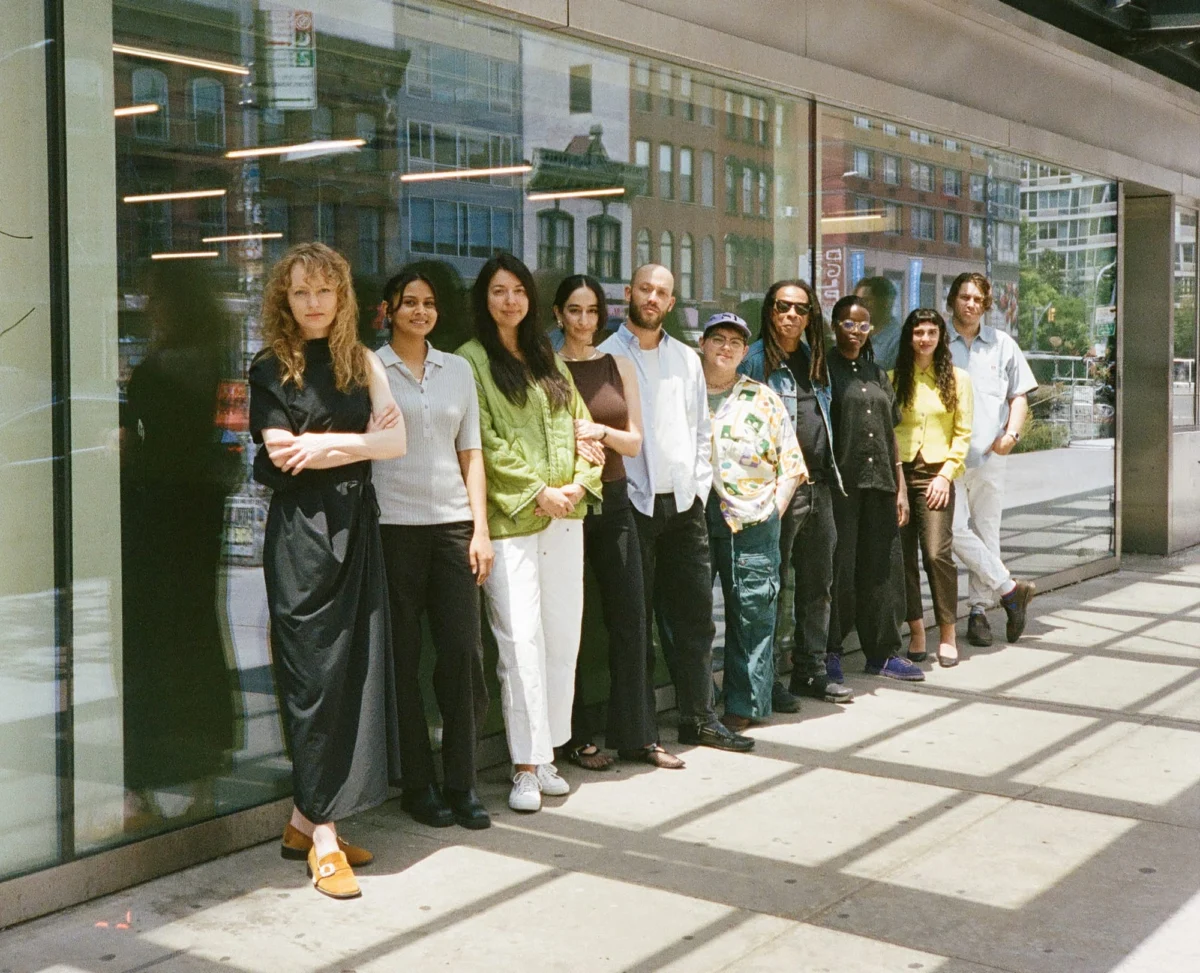
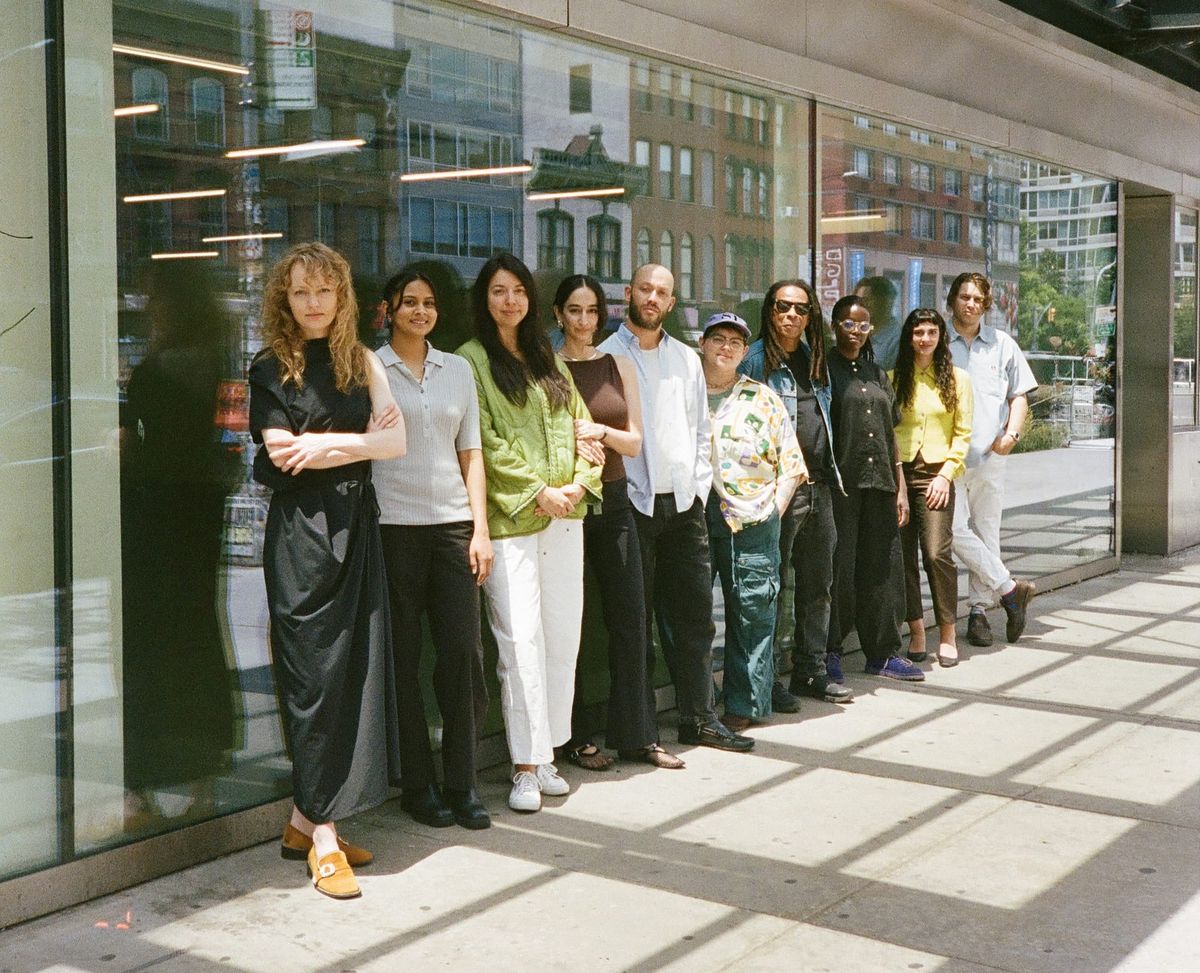
In a landmark development for New York City’s contemporary art scene, the Swiss Institute (SI) has announced its acquisition of a permanent home at 250 Bowery. This move marks a definitive turning point in the organization’s four-decade history, transitioning from a nomadic or leased existence to true institutional ownership.
Situated directly across from the newly renovated and expanded New Museum, the SI’s new location promises to solidify the Bowery as a primary axis for international contemporary discourse. To oversee the transformation of this space, the Institute has tapped the acclaimed architectural firm Johnston Marklee. Known for their sensitive, sculptural approach to space, the firm is tasked with creating an environment that respects the building’s history while providing a flexible, future-proof gallery infrastructure.
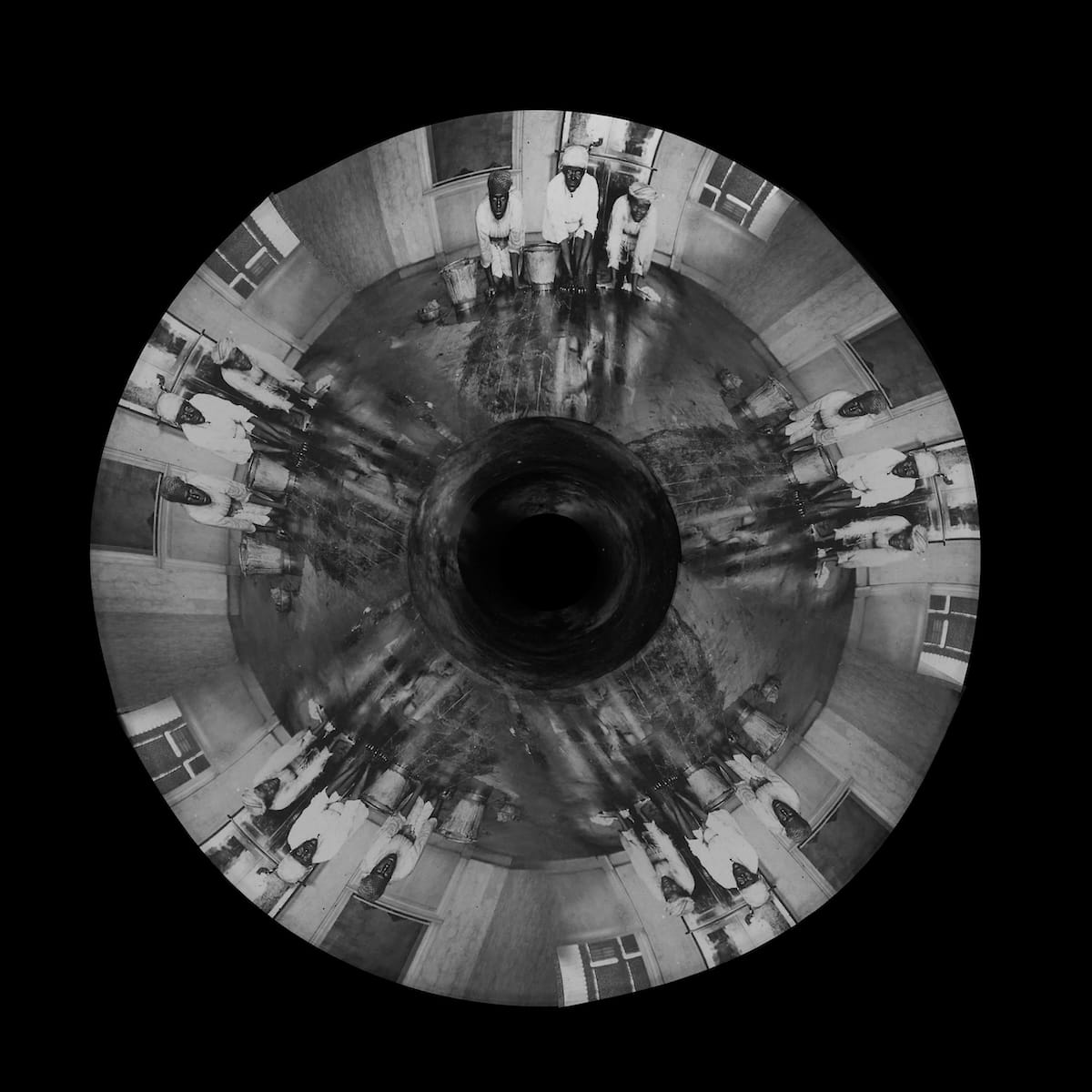
The inaugural exhibition, scheduled for next spring, will be titled The Environment. The show is explicitly inspired by a 1960s participatory project led by the filmmaker Bud Wirtschafter, which captured the social fabric of the Lower East Side during a period of intense transition. By tethering their new chapter to the radical, grassroots history of their neighborhood, the Swiss Institute is signaling an intent to remain deeply embedded in the local community while maintaining its rigorous, global curatorial standard.
Seattle Art Museum: A New Chapter Amidst Labor Tensions
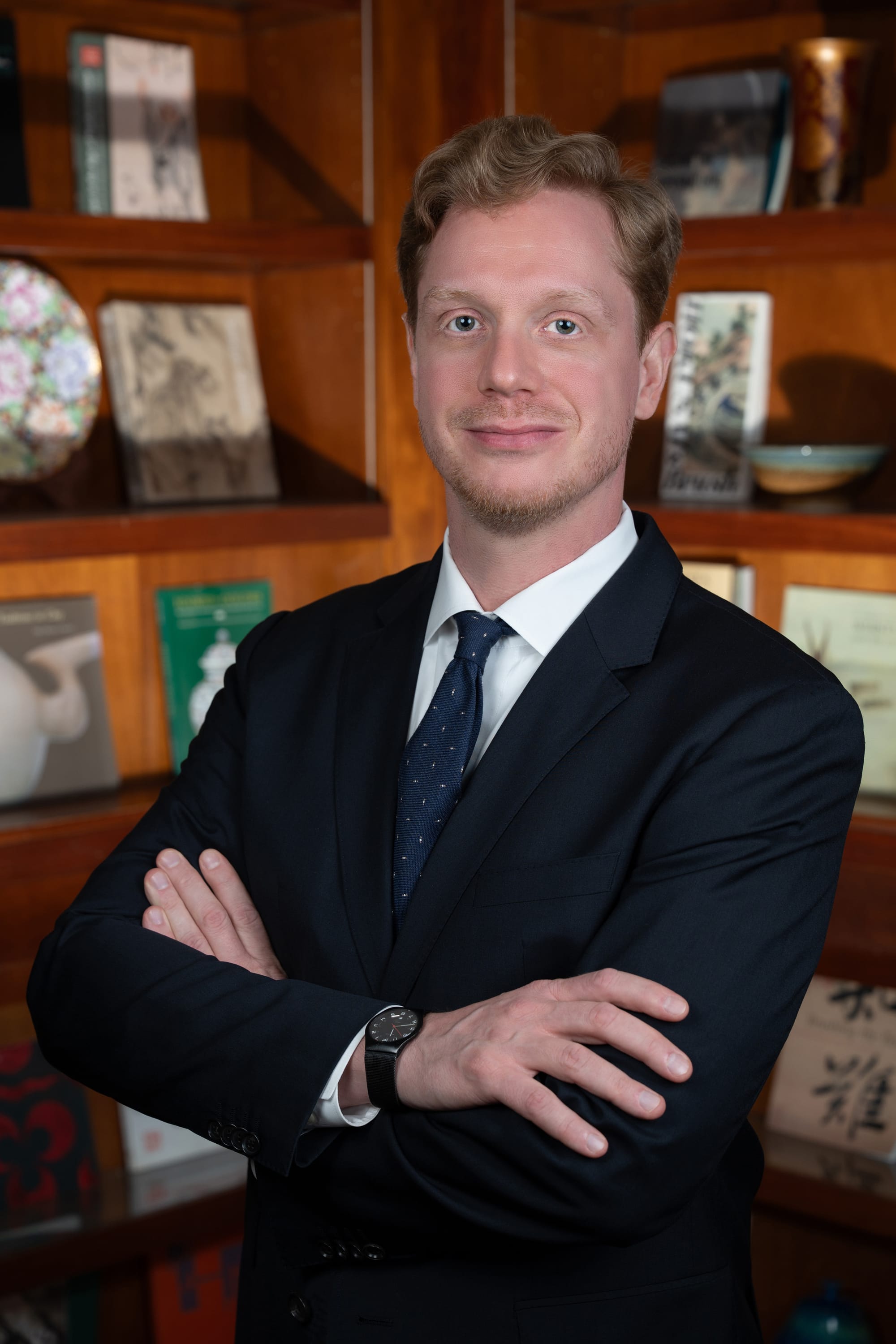
The Pacific Northwest’s largest cultural institution, the Seattle Art Museum (SAM), has appointed Frank Feltens as its new chief curator. Feltens, who steps into the role with a formidable background, previously served for a decade at the Smithsonian’s National Museum of Asian Art. At the Smithsonian, he held the dual roles of associate director for curatorial affairs and curator of Japanese Art, where he was widely credited with expanding the institution’s reach and scholarly depth.
Feltens’ remit at SAM will be expansive, overseeing the downtown headquarters, the Seattle Asian Art Museum, and the iconic Olympic Sculpture Park. His arrival, however, occurs at a particularly delicate juncture for the museum. Only weeks prior to the announcement of his hiring, employees at the institution voted to unionize in a landslide election. The unionization effort was driven by a clear mandate from staff: demands for competitive wage structures, improved job security, and greater transparency in institutional governance.
The appointment of a high-profile curator like Feltens suggests the museum is looking to stabilize its creative leadership following the internal shifts brought about by this labor movement. Whether the museum’s administration can align its curatorial vision with the evolving expectations of its workforce will be a defining narrative for SAM in the coming years.
Celestial Ambition: Pettibon and Benchamma at Villa Albertine
Perhaps the most visually arresting development of the month is the collaboration between Raymond Pettibon and Abdelkader Benchamma. The two artists have been commissioned by Villa Albertine—the French Embassy’s cultural anchor, housed in the historic Payne Whitney Mansion on Fifth Avenue—to create a monumental ceiling mural for the building’s storied Ballroom.

The project, titled Stella Terrea, represents an ambitious fusion of two distinct artistic languages. Benchamma, the French-Algerian artist known for his immersive, swirling ink-based explorations of the cosmos, has described the work as a "vast mural in perpetual motion." He noted that the project is an attempt to "reintroduce a poetic force into the sky at a time when outer space is increasingly becoming a territory to control, exploit, and colonize."
Pettibon, a legend of the American underground whose sharp, graphic, and text-heavy aesthetic has influenced generations, will provide the figurative elements that anchor the mural. The pairing of Benchamma’s cosmological abstraction with Pettibon’s gritty, punchy narrative style is a bold curatorial choice for a space as traditional as the Payne Whitney Mansion. The mural is slated for an official unveiling this September, promising to transform the mansion’s interior into a site of profound cross-cultural and inter-stylistic dialogue.
Chronology of Institutional Shifts: Summer 2026
- June 15, 2026: Seattle Art Museum staff conclude their landslide unionization vote, signaling a shift in labor relations within major U.S. museums.
- July 1, 2026: Frank Feltens concludes his tenure at the Smithsonian’s National Museum of Asian Art, preparing for his transition to the Pacific Northwest.
- July 10, 2026: The Swiss Institute formally confirms the acquisition of 250 Bowery, marking its first owned property in 40 years.
- July 15, 2026: Villa Albertine announces the Stella Terrea collaboration between Raymond Pettibon and Abdelkader Benchamma, setting a September unveiling date.
Supporting Data and Contextual Trends
The current wave of institutional changes reflects broader trends in the global art market and museum sector.
- Real Estate Stability: The Swiss Institute’s move to buy rather than rent is a strategic hedge against the volatility of New York City commercial real estate. By anchoring themselves to a permanent address, mid-sized institutions can better survive the boom-and-bust cycles that have forced other galleries and non-profits to shutter or relocate to less central districts.
- Labor as Institutional Policy: The unionization at the Seattle Art Museum is part of a national trend. Over the past three years, staff at institutions including the Philadelphia Museum of Art, the Brooklyn Museum, and the Guggenheim have moved to organize. This suggests that the "chief curator" of the future will need to be as adept at navigating labor negotiations and staff morale as they are at organizing blockbuster exhibitions.
- The "Globalized Mansion" Aesthetic: By commissioning contemporary artists to intervene in historic sites like the Payne Whitney Mansion, institutions are attempting to reconcile their colonial or elite architectural legacies with contemporary social concerns. The use of the Ballroom for a critique of the "colonization of outer space" demonstrates how institutions are using their physical spaces to frame modern political anxieties.
Official Responses and Perspectives
On the Swiss Institute’s Expansion
In a statement regarding the acquisition, the Swiss Institute’s board of directors noted: "Securing 250 Bowery is not merely an acquisition of real estate; it is a commitment to the longevity of the Swiss cultural voice in New York. By partnering with Johnston Marklee, we are ensuring that the architecture of our home reflects the experimental nature of our programming."
On the Seattle Leadership Transition
SAM’s leadership, when addressing the hiring of Frank Feltens, emphasized his experience in navigating multi-site institutions. "Frank brings a level of scholarly rigor and organizational experience that will be instrumental as we harmonize the goals of the downtown museum, the Asian Art Museum, and the sculpture park," said a representative for the board. Notably, the institution has remained quiet regarding the specific terms of the new union contract, which remains a focal point for the museum’s staff.
On the Villa Albertine Mural
Abdelkader Benchamma’s artist statement regarding Stella Terrea offers a sobering perspective on the project’s intent: "Art must serve as a counter-narrative. If we are turning our eyes to the stars, let us not do so with the same extractive mindset that has defined our history on Earth. Through this collaboration with Raymond, we hope to capture the awe of the cosmos without losing the human, often messy, reality of our terrestrial struggles."
Implications for the Future of the Art World
The events of this week highlight a growing tension between traditional institutional structures and the radical demands of the contemporary moment.
The Seattle Art Museum is the canary in the coal mine for institutional labor. As unionization becomes a standard feature of the museum landscape, the ability to maintain prestige-driven curatorial standards while satisfying internal demands for equity will define the success of future leaders like Frank Feltens.
Simultaneously, the Swiss Institute’s move to the Bowery highlights the necessity for physical permanence in an era of digital ephemerality. By owning their space, they provide a stable anchor for the arts community, a luxury that fewer and fewer organizations can afford.
Finally, the Villa Albertine collaboration suggests that even the most "establishment" institutions are recognizing the need for thematic shifts. By engaging with artists who critique the status quo—specifically the exploitation of space and the legacy of colonialism—these institutions are attempting to bridge the gap between their historic shells and the urgent, socially conscious discourse of the 21st century. As we move toward the autumn, these three developments—the architectural, the labor-centric, and the thematic—will likely dictate the rhythm of the art world’s recovery and evolution.
 Asro
Asro
 Jia Lissa
 Nana Wu
