

In the wake of the catastrophic earthquakes that struck Venezuela on June 24, the nation has been plunged into a state of profound humanitarian emergency. With thousands dead, tens of thousands missing, and an infrastructure already strained by years of political and economic instability now reduced to rubble, the resilience of the Venezuelan people is being tested on an unprecedented scale. As local residents continue to clear debris by hand in a desperate search for survivors, the Venezuelan diaspora—scattered across the globe—has transformed its collective grief into a powerful, decentralized engine for aid.
Across international art capitals, the creative community has emerged as a vital pipeline for resources. From Paris and Madrid to New York and Barcelona, artists are setting aside their brushes and portfolios to curate emergency fundraisers, auctioning their work to ensure that life-saving aid reaches the ground. This movement, characterized by agility and a deep-seated distrust of traditional, bureaucratic aid channels, represents a new paradigm in cultural diplomacy and disaster relief.
The Chronology of Crisis and Response
The twin earthquakes on June 24 marked a dark turning point for a country already reeling from systemic challenges. The seismic event caused widespread structural collapse, paralyzing local supply chains and overwhelming medical facilities.
Within hours of the catastrophe, the global Venezuelan diaspora began to activate. The response was not top-down; it was visceral and immediate.
- June 24: The earthquakes occur, triggering an immediate, uncoordinated surge of support from Venezuelan expats worldwide.
- Late June: Interdisciplinary artist and political refugee Cristóbal Ochoa, currently based between Paris and Madrid, decides to pivot his professional career toward the relief effort. He postpones his highly anticipated solo exhibition, scheduled for July 4 at the Museo de Arte Contemporáneo Florencio de la Fuente, to launch the "TODOS X VENEZUELA" initiative.
- Early July: Major cultural institutions and artist-led platforms, including New York’s Henrique Faria gallery and Barcelona’s Sorondo Projects, announce specialized fundraising exhibitions.
- Present: The effort has evolved into a persistent, digital-first campaign, with social media acting as the primary hub for inventory management, donation tracking, and the dissemination of urgent, real-time needs.
The Architecture of Grassroots Aid: TODOS X VENEZUELA
At the heart of this cultural mobilization is the TODOS X VENEZUELA initiative. Cristóbal Ochoa, who fled Venezuela in 2017 due to his political activism, understands the necessity of bypassing traditional, slow-moving aid organizations. The initiative operates on a model of radical transparency: works are offered at a 30% discount to incentivize quick purchases, and 100% of the proceeds flow directly from the buyer to pre-vetted humanitarian organizations, such as Caritas.
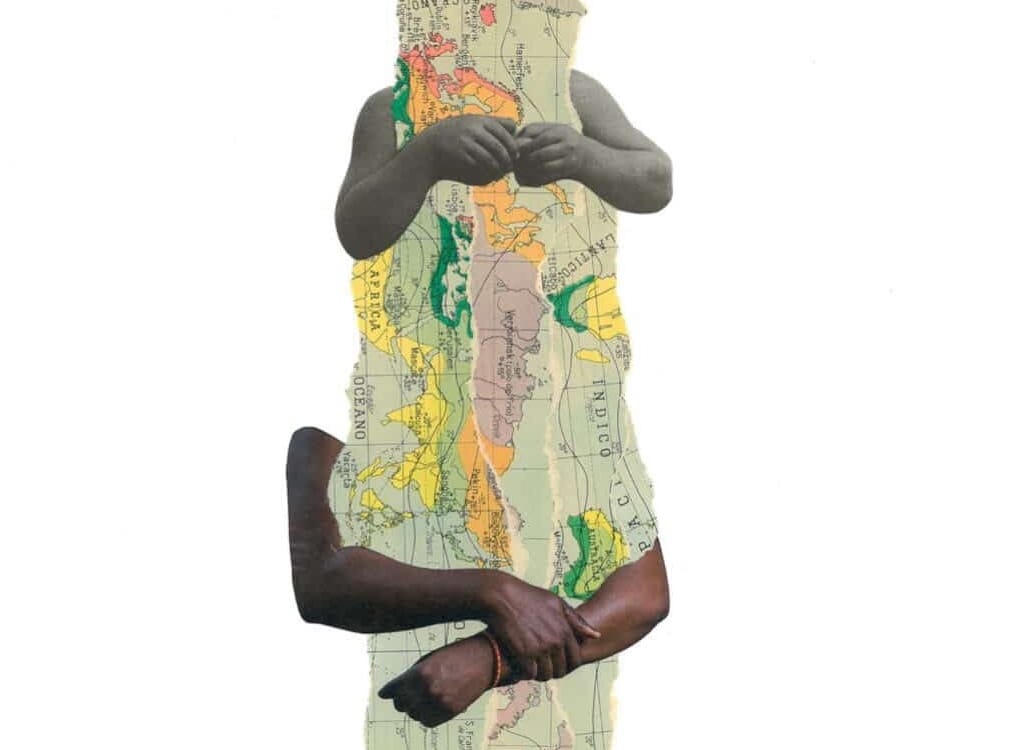
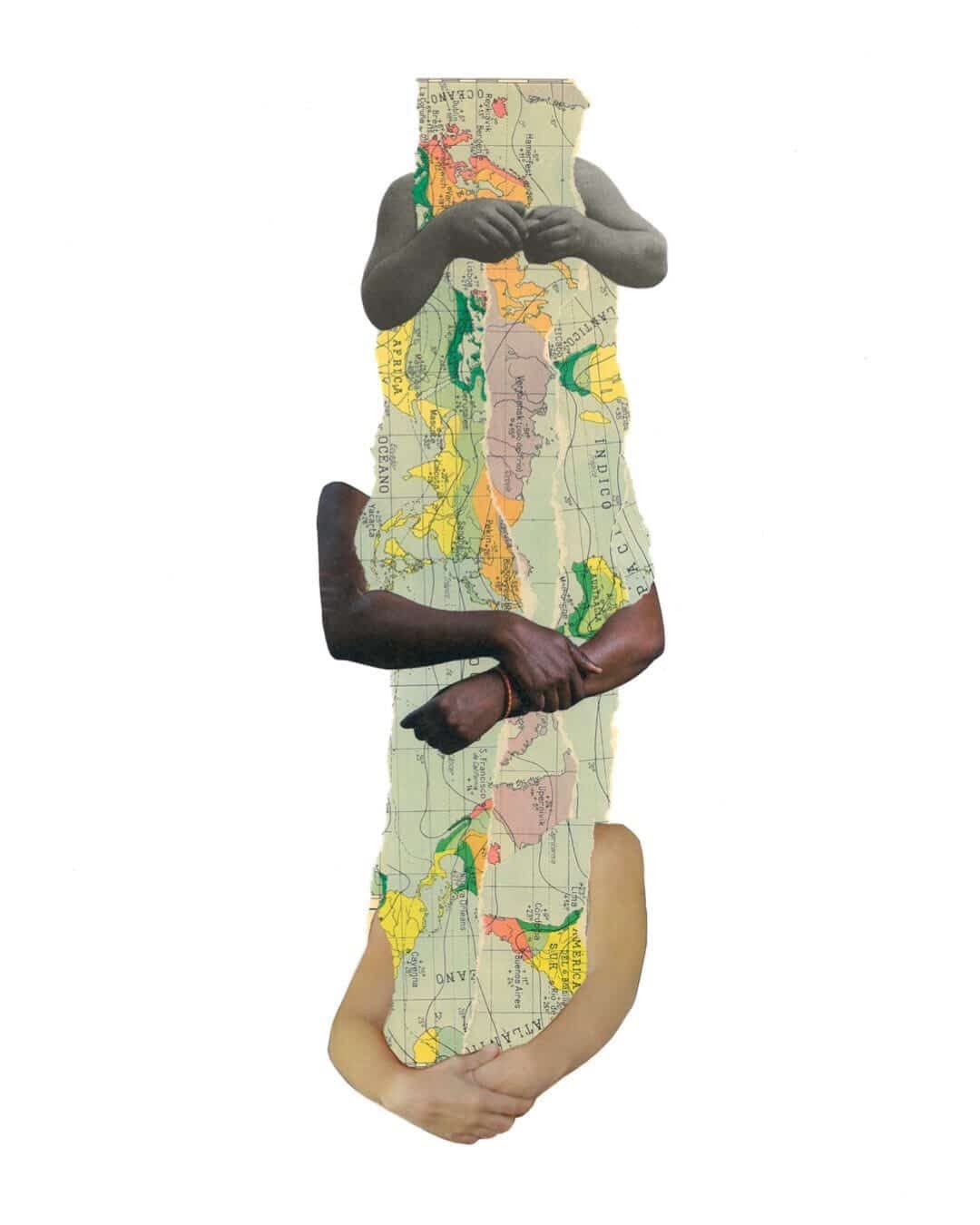
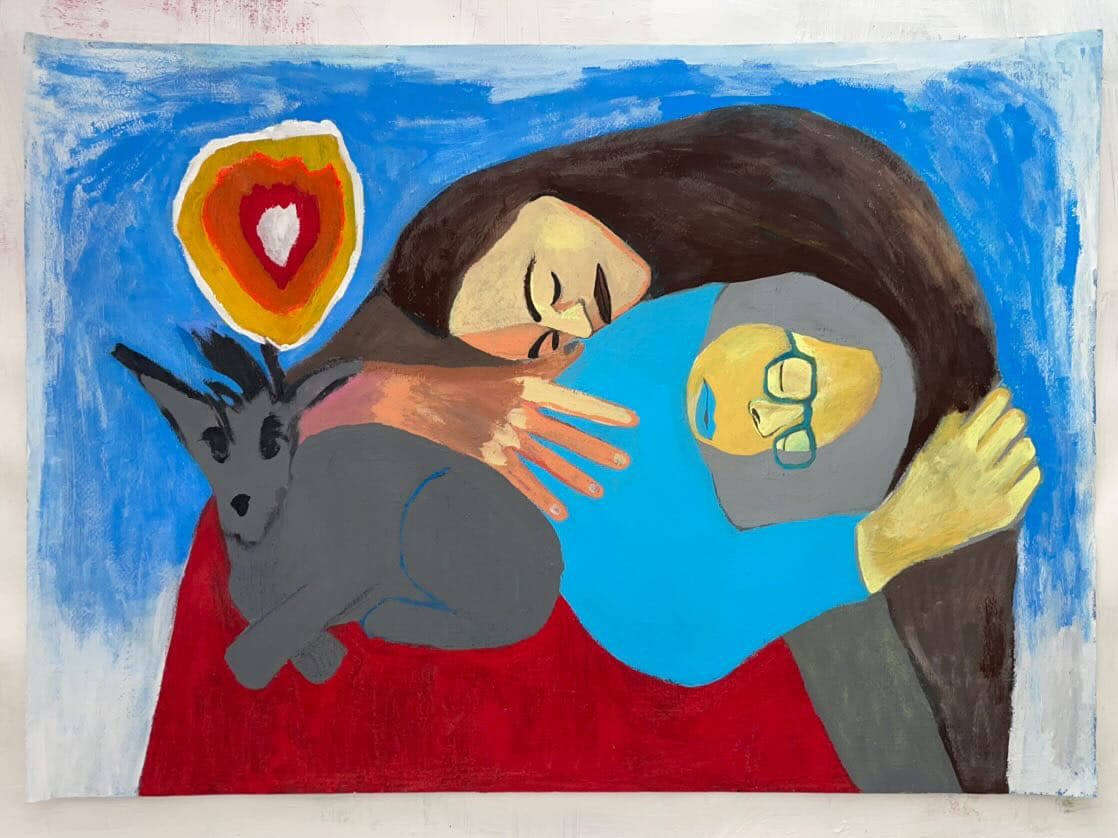
The digital catalog, meticulously maintained and updated on Instagram, has become a dynamic gallery of solidarity. Collaborator Beatriz García reports that the initiative has already raised over €5,480 (~$6,265) from 46 individual contributions. The works featured are deeply symbolic. For example, "El pasaporte exquisito" (The exquisite passport) by Flores Solano, now based in Santiago de Compostela, intervenes on an original Venezuelan document—a poignant reflection on identity and displacement. Similarly, Mexico-based artist Josune Delgado’s painting "El Apapacho" depicts a universal, intimate family embrace, serving as a reminder of the human connections severed by the disaster.

Supporting Data and the Economy of Exile
The economic impact of this art-driven relief is significant, not merely for the capital raised, but for the efficiency of the delivery. The current landscape of aid is defined by "trust-based intermediation." With institutional trust at a historic low due to the nation’s ongoing political crisis, the diaspora is relying on personal networks that can adapt to changing conditions in real-time.
New York-based artist María Elena Pombo has been instrumental in this reporting. By utilizing her Instagram stories to broadcast the immediate, granular needs of the ground—such as the requirement for industrial sewing machines to create body bags, or the urgent need for tents before the onset of the rainy season—Pombo has turned her platform into a supply-chain logistics center.
"After years of crisis, many Venezuelans have learned to rely on one another," Pombo states. She argues that sending money directly to trusted, agile personal networks is more than a financial transaction; it is "placing your trust in the kind of future you want to help build." This sentiment is echoed by participants in the KIOSKO exhibition, a traveling installation project by Eugenia Sucre Projects and El Consulado. By gathering over 200 small-format works—ranging from zines and prints to vinyl records—the project has effectively monetized the artistic output of the diaspora to feed the relief efforts of the World Central Kitchen.
Institutional Pivots and Official Responses
Established galleries have also moved to integrate their commercial operations with humanitarian goals. Sorondo Projects in Barcelona has transformed its mission, moving from "sharing the complexity of the country’s reality" to providing concrete, life-saving aid.
Founder Juliana Sorondo has curated a selection of photographic works from prominent artists including Suwon Lee, Angyvir Padilla, and Silvana Trevale. These works, offered for a suggested donation of €150, are directed toward Fundación Sun.Risas and the We Love Venezuela Foundation.
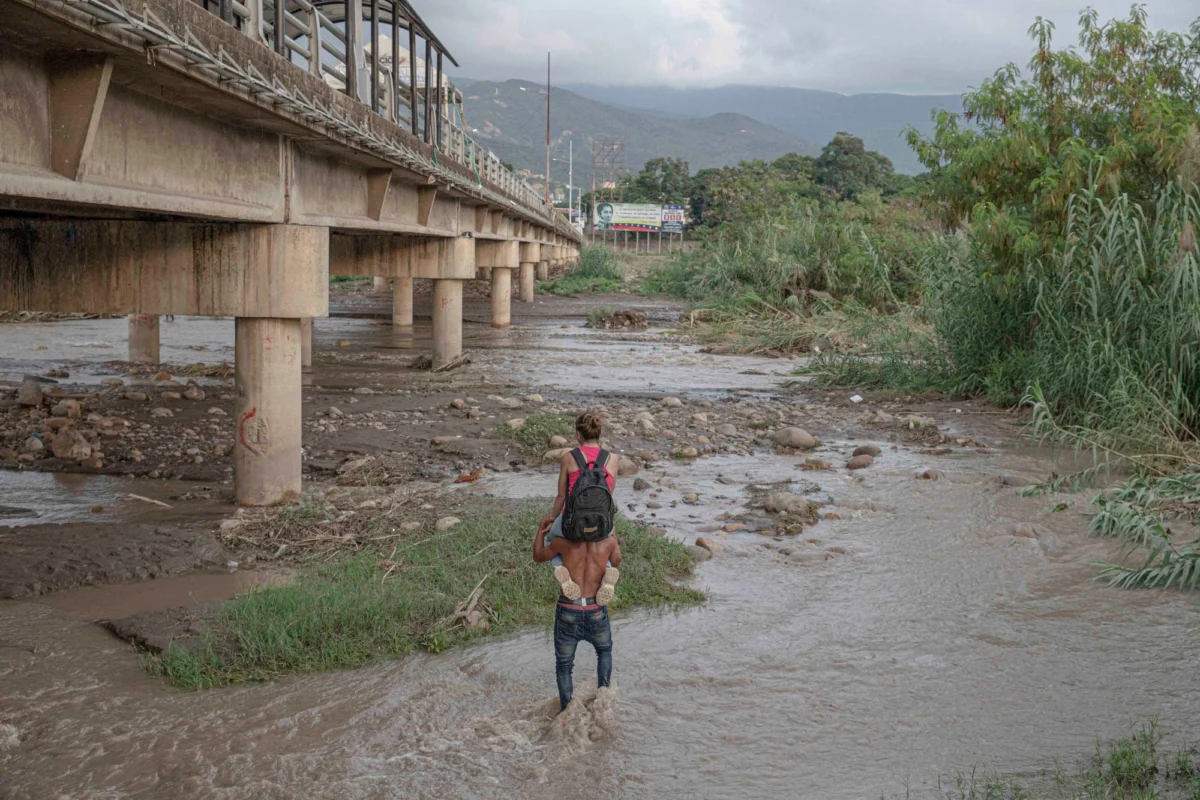
Among the standout pieces is a photograph by Fabiola Ferrero, which captures a woman being carried on a man’s shoulders as they traverse the Táchira River, the natural border between Venezuela and Colombia. For Ferrero, the image is a metaphor for the current state of the nation: "This is how we Venezuelans are, holding each other up." This visual narrative encapsulates the broader ethos of the artistic response—a refusal to allow the international community to view Venezuela merely as a victim of geography or politics, but as a community defined by its mutual support.
Implications: The Long Road to Rebuilding
The implications of this movement extend far beyond the immediate financial gains of the current fundraisers. As the exhibition Venezuelan Cultural Diplomacy at Henrique Faria New York recently highlighted, the Venezuelan art scene has been under intense strain for years, characterized by artistic repression and the mass exodus of cultural workers. The earthquakes have acted as an accelerant, forcing these displaced cultural assets to serve a dual purpose: preserving the memory of the home they left and funding the survival of the home they still claim.
However, the organizers are keenly aware of the ephemeral nature of international attention. The "news cycle" is a fickle beast, and the risk of the world moving on while the rubble remains is high.
"We’re not doctors or rescue workers," says participating artist Valentina Vacó. "But as artists, we can put our work and our community in service of an urgent cause. We feel a responsibility to help rebuild a place that, however far away we live, will always be home."
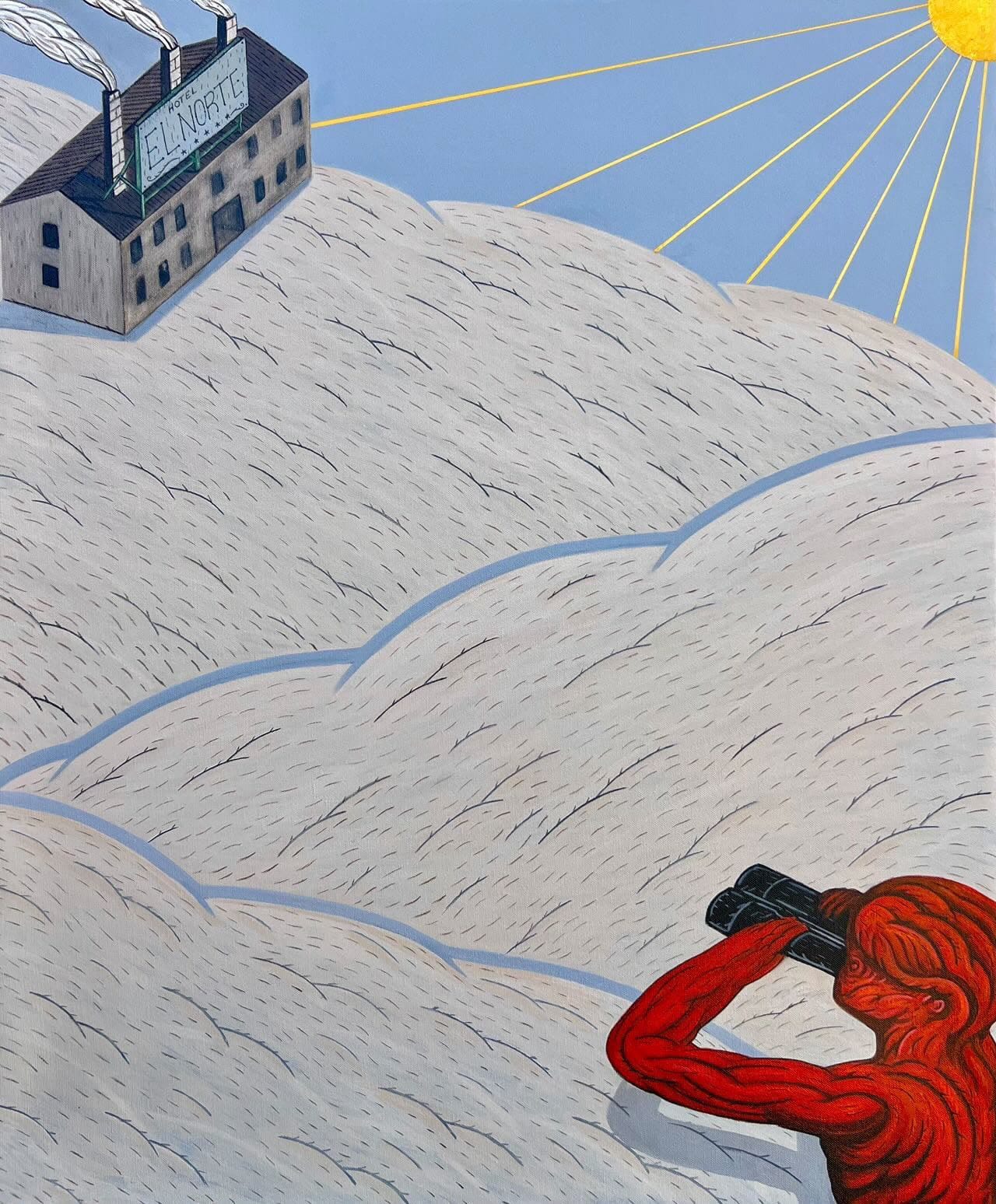
This movement challenges the traditional dichotomy between "fine art" and "humanitarian aid." By decentralizing the power of the gallery, these artists are creating a new, sustainable model for disaster response. They are not waiting for government grants or the slow turning of international aid machinery. Instead, they are using the currency of culture to buy time and resources for their fellow citizens.
As the recovery efforts transition from immediate rescue to the long-term, arduous task of reconstruction, the role of the diaspora will be critical. The funds raised today are keeping the survivors alive, but the attention maintained by these artistic endeavors is what will keep the global community focused on the long-term stability of the region. The rebuilding of Venezuela will take years, perhaps decades; for now, the art world is ensuring that the country’s plight remains visible, tangible, and—most importantly—supported.
 Muslim
 Evan Lee Salim
 Jia Lissa
