

Main Facts
The contemporary art world and its adjacent cultural spheres are currently experiencing a period of intense public scrutiny, marked by high-profile legal battles, institutional critiques, theatrical satires, and geopolitical reckonings. At the forefront of these developments is a sprawling array of stories covered by Hyperallergic, ranging from absurdist off-Broadway theater to the legal fallout surrounding disgraced billionaires and institutional trustees.
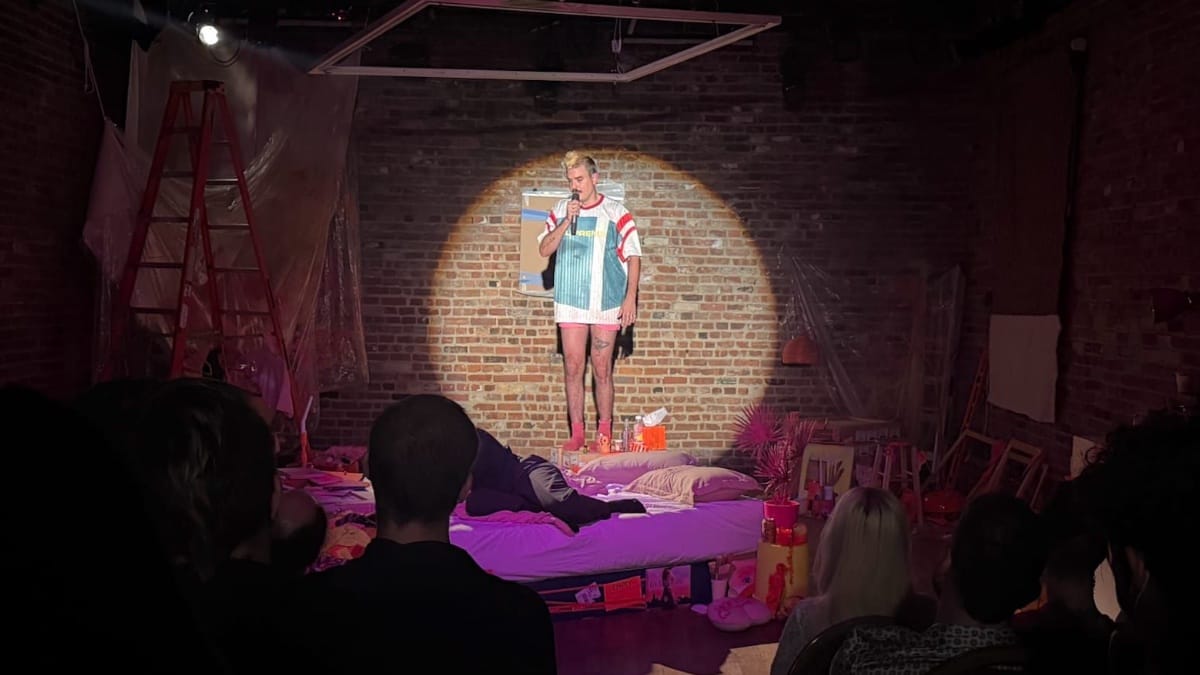
Among the most discussed cultural items is a new play titled The Wreck of the Unbelievable, staged at the Brick Theater by the artist and playwright known as Sleth. The production presents a satirical, melancholic look at the mechanics of fame, centering on a fictionalized, posthumous inquiry into Damien Hirst’s imagined secret gay lover—a younger artist famous for painting holes. This theatrical parody serves as a mirror for the broader art market’s obsession with celebrity, wealth, and unrequited ambition.

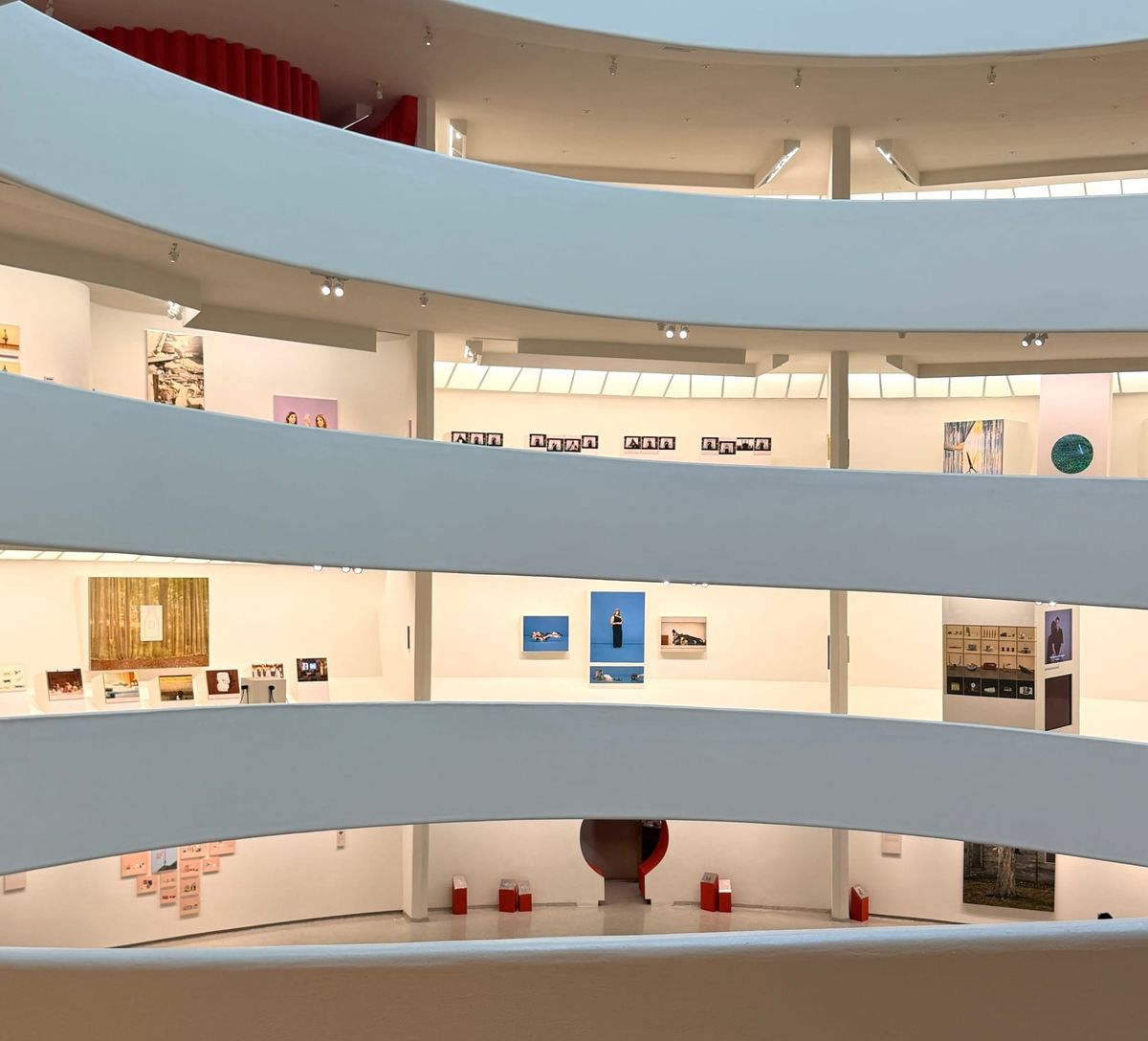
Simultaneously, major institutional developments are unfolding across New York City and beyond. Artist Taryn Simon has launched an ambitious, unsettling exhibition at the Guggenheim Museum that traces the real-life dossier of an unnamed federal agent, leaving critics like Aruna D’Souza wrestling with themes of systemic helplessness and lack of accountability. In the literary and journalistic spheres, Dana Mashoian Walrath’s graphic novel The Book of Genocides is drawing renewed attention to historical trauma, while political and legal pressures mount against powerful figures within elite cultural institutions.
Notably, Congress is moving to hold billionaire and Museum of Modern Art (MoMA) board member Leon Black in contempt amidst ongoing investigations tied to Jeffrey Epstein. This political pressure coincides with fresh revelations detailing Black’s ambitious, unrealized plans to house his private art collection in an iconic Manhattan property. Compounding these institutional headaches, international pop star Ed Sheeran has found himself embroiled in a cultural boycott led by Irish artists and illustrators over geopolitical stances, highlighting how deeply interwoven contemporary entertainment, national identity, and global politics have become.
Chronology of Events
To understand how these disparate cultural flashpoints converged, it is necessary to examine the timeline of key developments influencing the current art and media landscape:
- Mid-2024 to Late 2026: Investigations surrounding billionaire financier and MoMA board member Leon Black intensify. Congressional inquiries regarding his ties to Jeffrey Epstein reach critical junctures, culminating in legislative votes to hold Black in contempt for non-compliance with document subpoenas.
- Early September 2026: Taryn Simon unveils her comprehensive, investigative exhibition at the Solomon R. Guggenheim Museum in New York, examining the bureaucratized life and dossier of an anonymous federal agent. The show quickly generates intense critical discourse around state power and individual agency.
- Mid-September 2026: Sleth’s play The Wreck of the Unbelievable opens at the Brick Theater, drawing immediate attention from art critics for its satirical yet poignant exploration of Damien Hirst, artistic jealousy, and the commodification of queer desire.
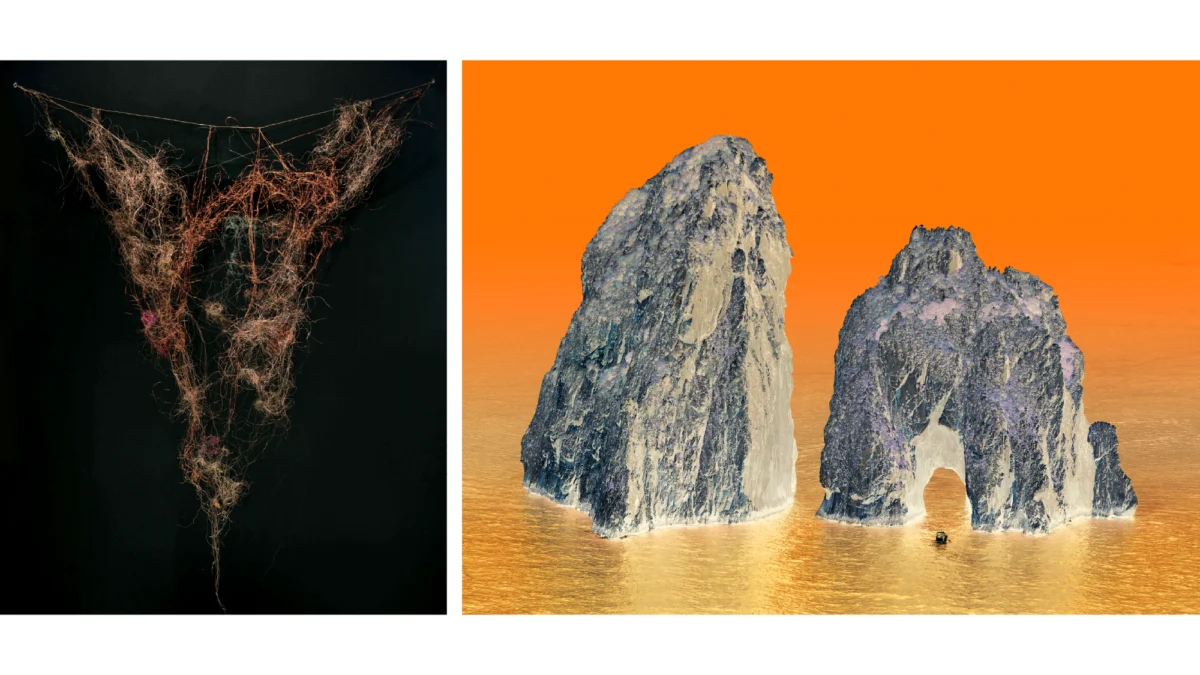
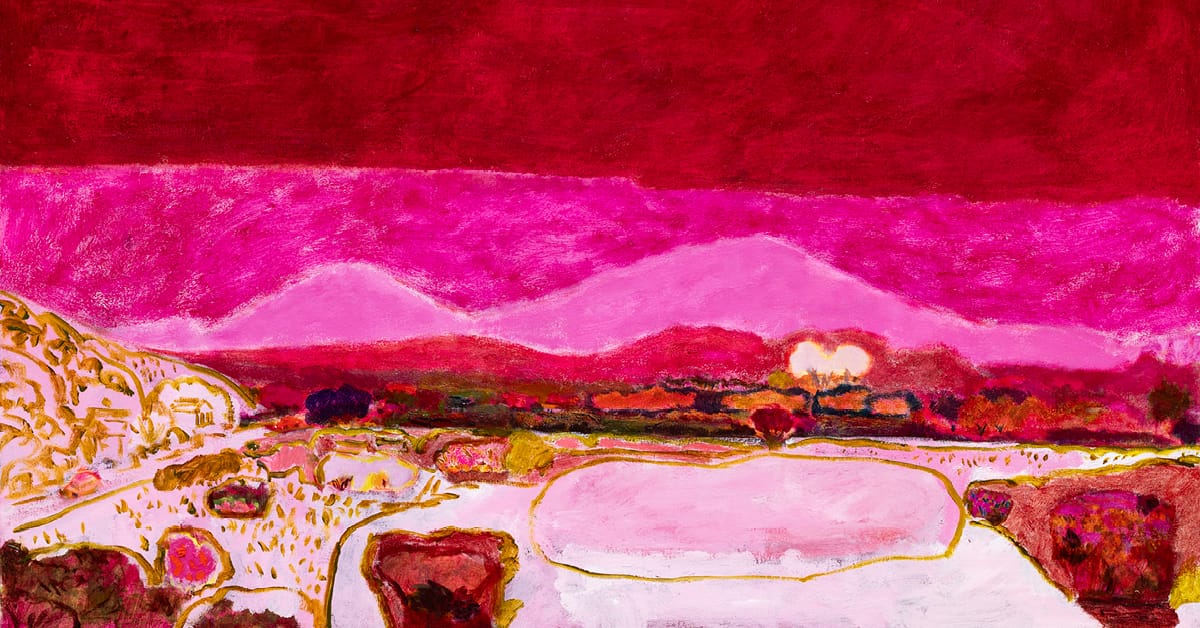
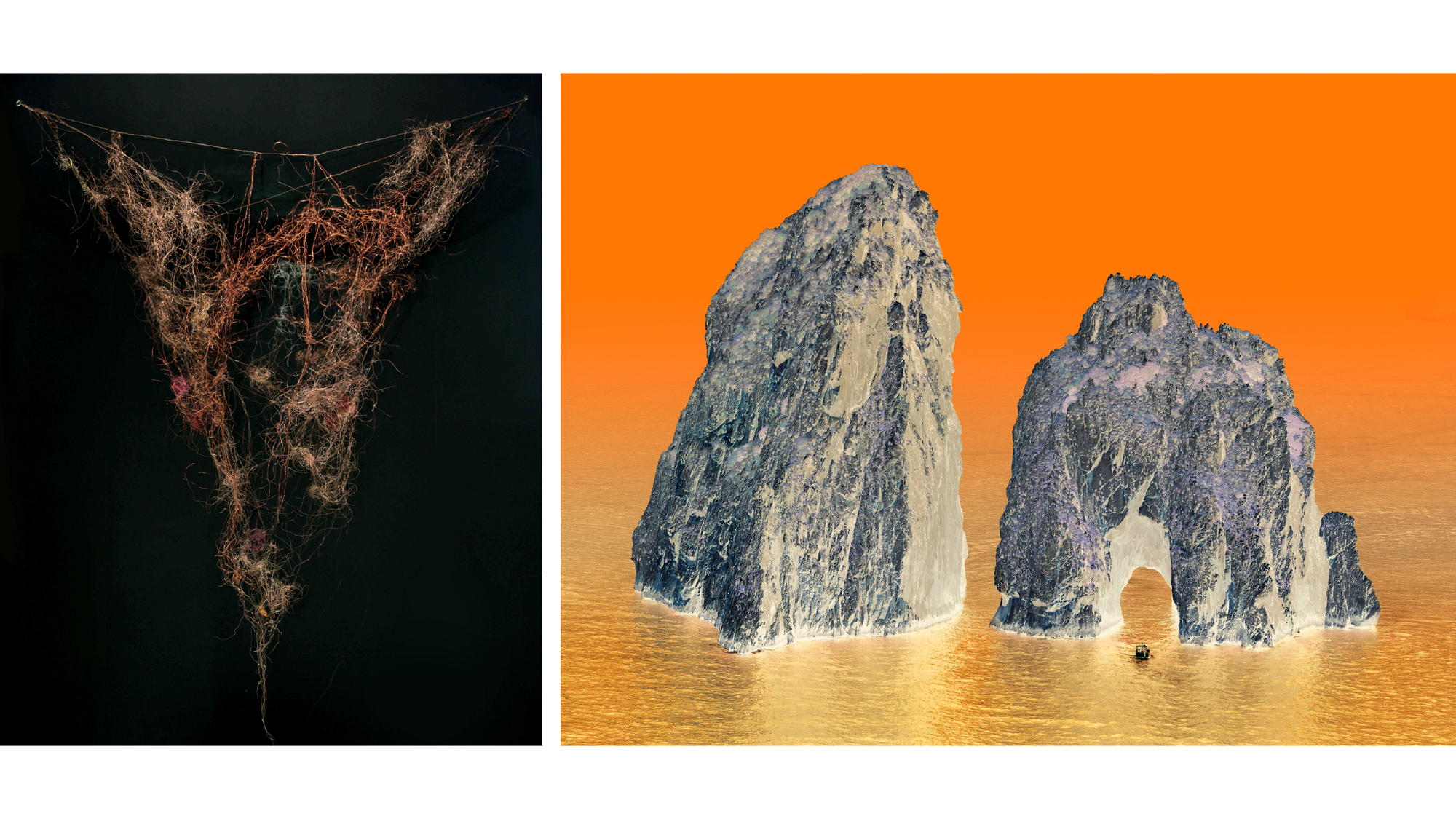
- September 18, 2026: Lisa Sanditz launches her exhibition Missing Mountain at Alexandre Gallery, accompanied by critical essays exploring ecological and landscape themes. Simultaneously, Borusan Contemporary announces dual exhibitions—Olivo Barbieri: Time Space Geometry and Haunted—focusing on spatial perception and intelligent technologies.
- Late September 2026: Ed Sheeran faces a cascading series of cancellations from Irish bands and illustrators scheduled to perform on his tour. The artists cite a fundamental ideological incompatibility, pointing to their own cultural history of oppression under British rule and their solidarity with Palestinian advocacy, complicating Sheeran’s self-proclaimed "culturally Irish" identity.
- September 30, 2026: Hyperallergic hosts an exclusive evening of studio visits for its New York City members at the International Studio & Curatorial Program (ISCP), featuring works by artists Alicia Grullón, Zoë Pulley, Erick Hernandez, and Kara Springer.
Supporting Data and Institutional Context
The intersection of extreme wealth, institutional governance, and public accountability has long defined the museum ecosystem. The scrutiny facing Leon Black—a titan of private equity and a prominent benefactor of cultural institutions—highlights the vulnerability of museum boards when their members become subjects of federal and congressional investigations.
- Board Entanglements: MoMA and other elite cultural institutions have faced sustained pressure from activists, artists, and ethicists to vet their trustees more rigorously. Black’s impending contempt charges by Congress underscore the friction between philanthropic governance and ethical leadership.
- Institutional Attendance and Exhibitions: Major museums are leaning heavily into immersive, documentary-style investigative art. Taryn Simon’s Guggenheim exhibition utilizes exhaustive archival research to map out personal and systemic histories, reflecting a broader public appetite for transparency, exposure, and institutional self-reflection.
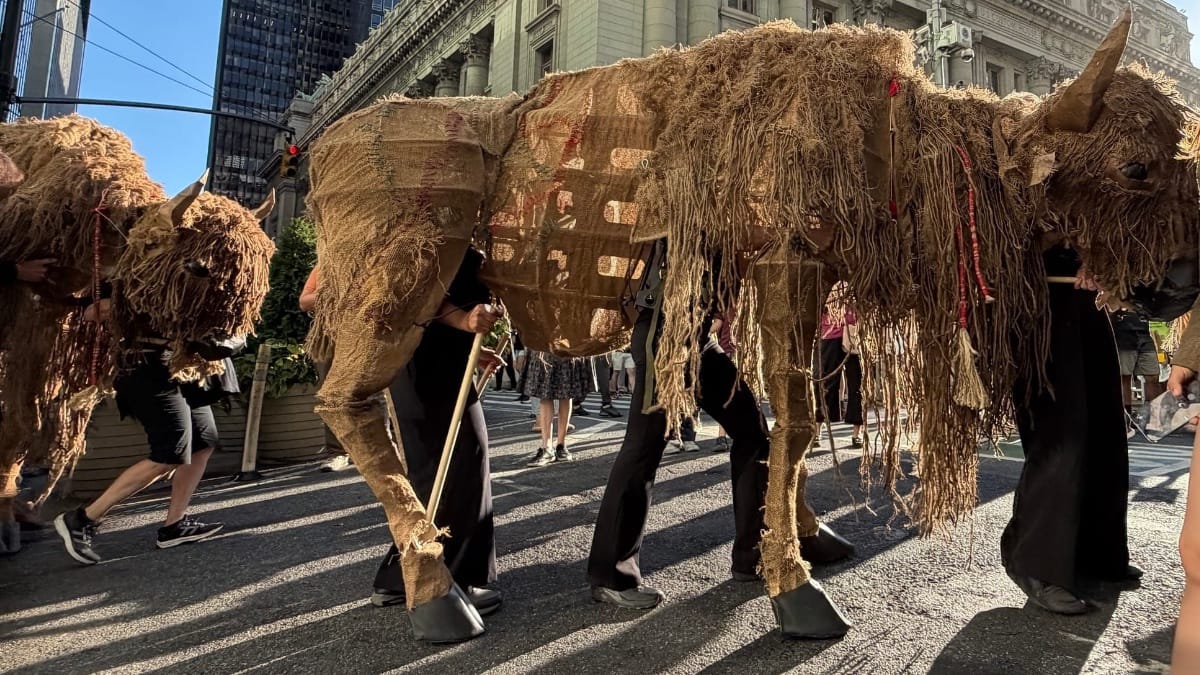
- Grassroots and Community Engagement: While institutional galleries navigate corporate scandals and high-budget retrospectives, grassroots initiatives continue to push for localized impact. Projects such as the recent puppet processions tracing Native history through New York City streets, alongside public art initiatives giving voice to NYC’s growing shelter populations, demonstrate a vibrant counter-movement within the city’s visual culture.
Official Responses and Critical Commentary
The cultural output of this period has elicited sharp responses from critics, artists, and institutional representatives.
- On Art and Celebrity Obsession: Reviewing The Wreck of the Unbelievable, Hyperallergic Editor-at-Large Hrag Vartanian noted that the production offers a "more shadowy version" of romantic obsession. Vartanian observed that the play remains "true to the sadness of longing for something that never quite arrives but feeds our desire at the same time." By placing a fictionalized, younger gay artist—named "Shape" and played by Sleth on a bed reminiscent of Tracey Emin’s iconic My Bed—at the center of Damien Hirst’s supposed legacy, the play interrogates the psychological toll of chasing art-world prestige.
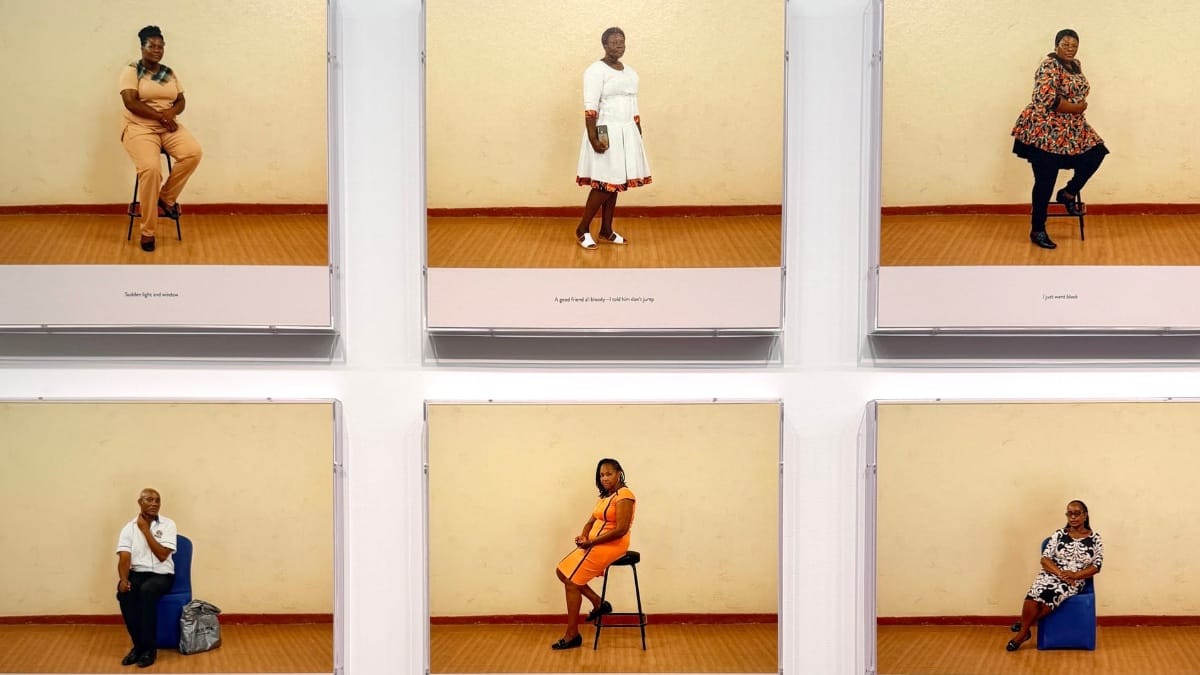
- On Bureaucracy and Helplessness: Aruna D’Souza’s review of Taryn Simon’s Guggenheim exhibition underscores the emotional weight of contemporary investigative art. D’Souza writes that visitors walk away with "a sense of helplessness," confronting a system where accountability is diffused through layers of bureaucracy and state surveillance.
- On Geopolitics and Pop Culture: The fallout surrounding Ed Sheeran’s tour drew pointed commentary from cultural writers like Stephanie Fallon. Fallon noted the irony of Sheeran’s self-proclaimed "culturally Irish" persona (bolstered by his Belfast-born father) clashing with the reality of his British upbringing. The withdrawal of Irish artists highlighted how local histories of anti-colonial resistance directly inform contemporary global solidarity movements, leaving major pop stars struggling to navigate political friction.
Implications for the Future of the Art World
The convergence of these events signals a profound shifting of tides within the global art ecosystem. As elite patronage faces legislative and moral reckonings—exemplified by the controversies surrounding Leon Black and the ongoing debates over museum ethics—cultural institutions are being forced to reevaluate their reliance on billionaire benefactors.
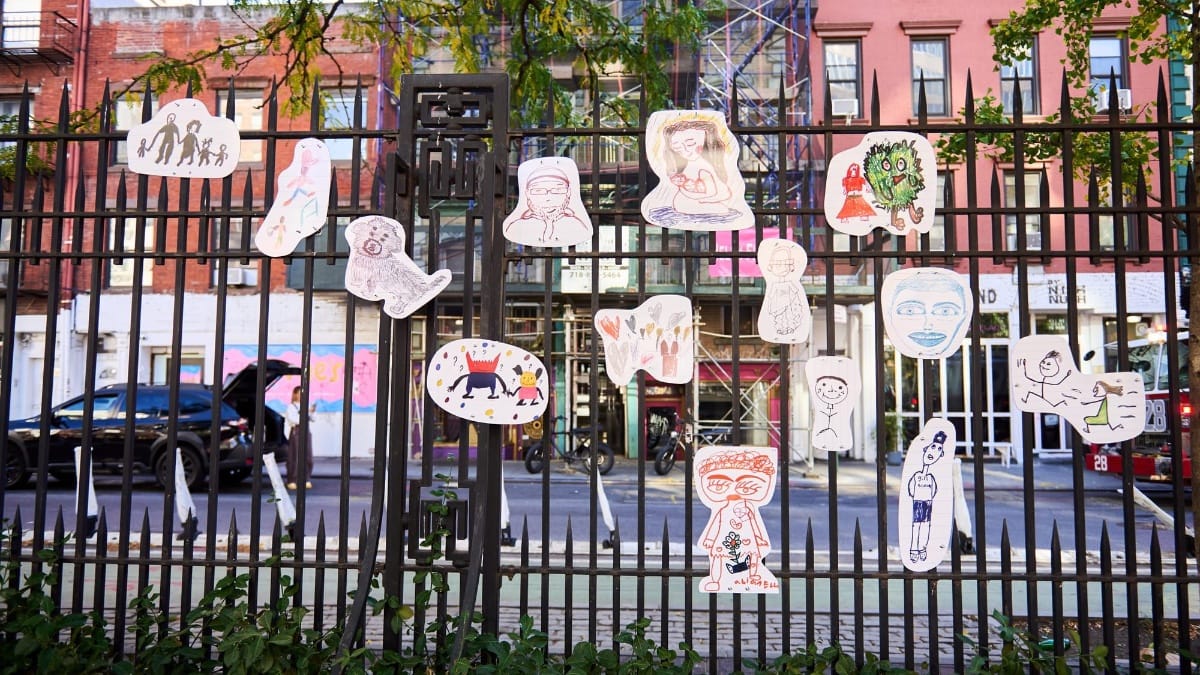
At the same time, artists and critics are increasingly turning their gaze toward systemic opacity. Whether through Taryn Simon’s archival unearthing of state surveillance, Sleth’s theatrical skewering of art-market celebrity, or grassroots community art projects centering marginalized voices in New York City, the dominant cultural narrative is one of interrogation. The art world is no longer content to serve merely as a backdrop for spectacle and wealth accumulation; instead, it is increasingly becoming a battleground for accountability, social justice, and historical truth.
 Nana
Nana
 Iffa Jayyana
