

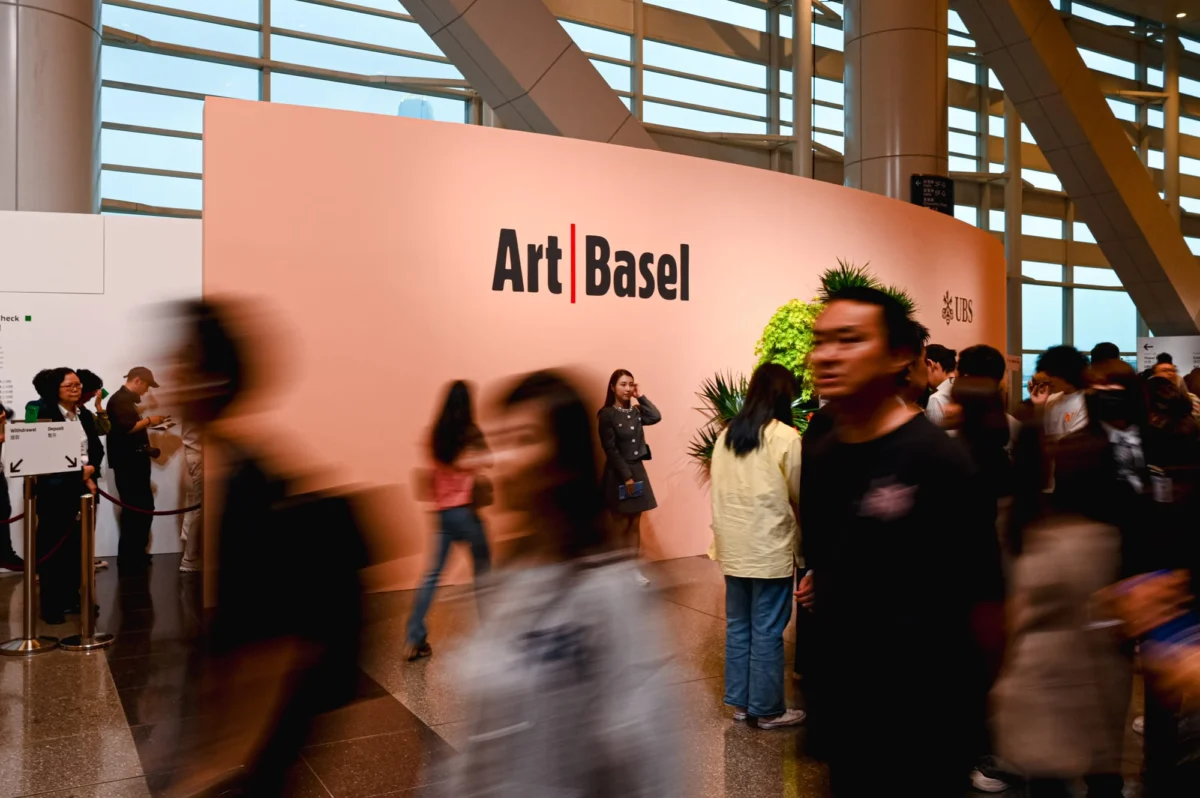
In a recent guest essay for the New York Times titled "Art Galleries Are Not Okay," Marc Spiegler, the former global director of Art Basel, offered a stark, sobering diagnosis of the contemporary art market. His piece, which laments the crumbling infrastructure of the gallery system, has sent shockwaves through the creative community. However, for many artists, curators, and critics, Spiegler’s analysis feels less like a revelatory insight and more like a profound irony.
As the art world faces an era of unprecedented volatility, the discourse has shifted toward a "Brave New Art World"—one that increasingly prioritizes financial liquidity over cultural substance. Yet, as Barbara Pollack argues, the industry’s current state of existential dread is not a sudden, unpredictable catastrophe. It is the logical conclusion of a decade-long project to corporatize creativity, a project in which Spiegler and his peers were the primary architects.
The Mirage of the Corporate Gallery Model
At the heart of the current crisis is a fundamental misalignment between the values of art and the mechanisms of modern commerce. Marc Spiegler’s recent plea mirrors the frustrations voiced by high-profile figures like Pace Gallery CEO Marc Glimcher, who recently oversaw a massive restructuring of his own organization. These leaders speak of a "broken model," yet they describe the current state of affairs with the detachment of an observer rather than the culpability of an engineer.
Between 2012 and 2022, during Spiegler’s tenure at the helm of Art Basel, the art fair circuit transformed from a seasonal gathering of enthusiasts into a global, high-stakes logistics machine. Under this regime, the industry was aggressively pushed toward a corporate paradigm. Galleries were encouraged—and often required—to operate like multinational entities, prioritizing growth, scalability, and predictable returns.
The strategy was designed to professionalize the art world, but it inadvertently stripped it of its bohemian raison d’être. By treating art as a distinct asset class—a commodity akin to equities or real estate—the industry succeeded in attracting capital. However, it failed to cultivate a generation of collectors who valued the intellectual or historical resonance of a work. When the market cools, as it has in 2026, those collectors simply rotate their capital into more liquid, less volatile vehicles like cryptocurrency. The "art" part of the equation, it turns out, was optional for the bottom line.
Chronology of a Market Shift
The erosion of the gallery-artist relationship did not happen overnight. It is possible to track the transformation of the art world through several key phases:
- The 1980s and 90s (The Bohemian Foundation): The art world was defined by the East Village scene and the fierce intellectualism of the Culture Wars. During this period, the artist was the undisputed center of the ecosystem. Markets existed, but they were secondary to the production of meaning.
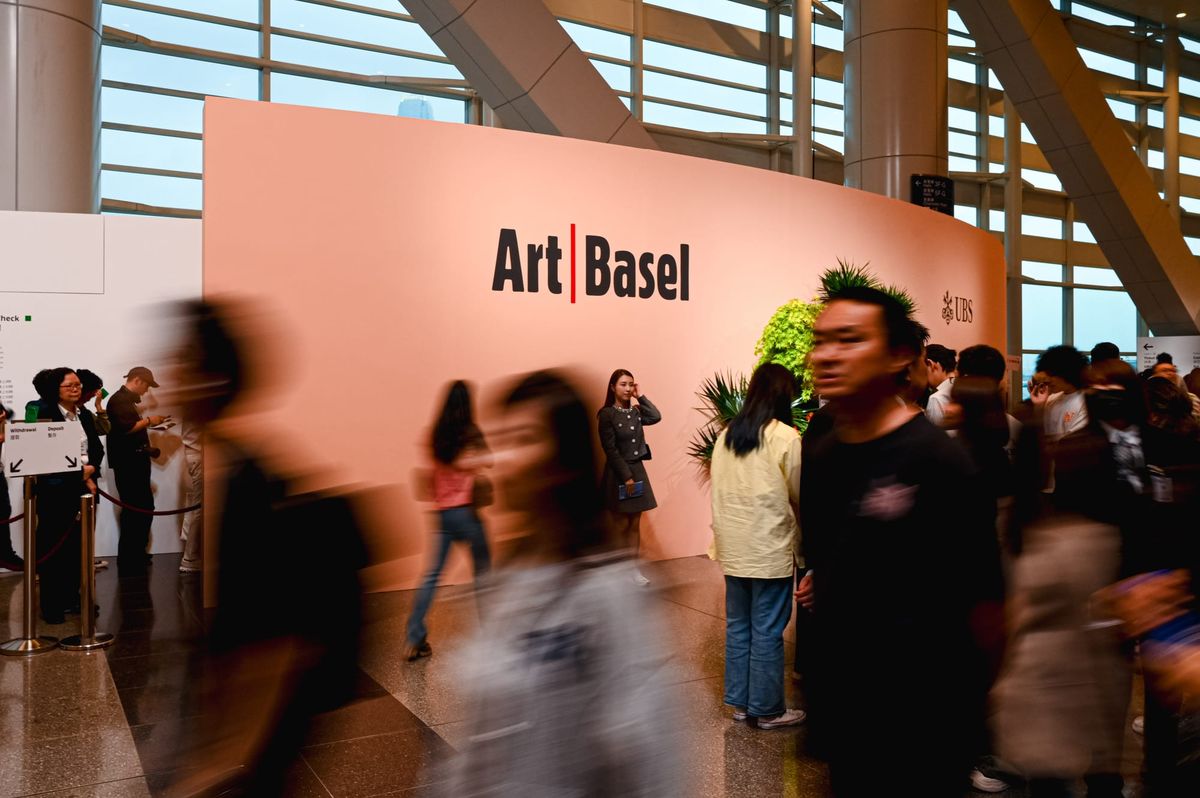
- 2013 (The Hong Kong Pivot): Art Basel’s expansion into Hong Kong served as a catalyst for a new, globalized era of art distribution. As collector Uli Sigg famously joked, blue-chip galleries flocked to China with the fervor of "deodorant salesmen." The focus shifted from experimental, ephemeral, and political art to tangible, "canonic" objects that could be easily traded across borders.
- 2015–2020 (The Corporate Bloat): The "blue-chip" gallery model became the standard. Galleries expanded their footprints, hired vast PR teams, and treated artists as intellectual property to be managed. Loyalty began to evaporate as artists were poached by larger, more powerful distributors, and mid-sized galleries found themselves unable to compete with the sheer scale of the conglomerates.
- 2023–2026 (The Great Correction): The post-pandemic reality, compounded by economic uncertainty, has exposed the structural fragility of this model. The "middle-market" is collapsing, as galleries that lack the deep pockets of the mega-conglomerates find themselves unable to sustain the costs of global art fairs and the demands of a volatile collector base.
The Human Cost of Market-Validation
The implications of this shift are most devastating for the artists themselves. In the current "Brave New Art World," the relationship between the gallerist and the artist has become transactional and often precarious. When a gallery functions primarily as a distributor, the artist becomes a "free agent." This lack of institutional loyalty creates a culture of perpetual anxiety.
Furthermore, the focus on "market-validation" has created an echo chamber. When galleries prioritize artists who fit into the current financial narrative, they ignore the voices that are genuinely pushing the boundaries of the medium. For instance, throughout the expansion into the Asian market, the industry remained largely silent regarding the human rights struggles of the very artists whose work was being commodified. The industry’s failure to advocate for the individuals behind the objects has led to a crisis of legitimacy.
Supporting Data: The Shrinking Middle
Data regarding the current market indicates that the number of mid-sized galleries is in steep decline. According to various industry reports from 2025 and 2026, gallery closures have hit a ten-year high. While blue-chip galleries continue to dominate, the "feeder" system—the smaller, risk-taking spaces where the next generation of talent is discovered—is drying up.
The decline of the collector base is equally telling. Younger buyers, who might have been the future of the market, have been alienated by an industry that spoke to them in the language of spreadsheets rather than aesthetics. By failing to integrate theory, history, and critical discourse into the sales process, the "professionalized" gallery system effectively sold its own future.
Official Responses and Industry Sentiment
The discourse sparked by the New York Times essay has been polarized. Some industry veterans argue that the current market correction is a "necessary pruning" that will leave a leaner, more resilient industry. Others, however, are calling for a complete decoupling of art from the art market.
"The industry needs to stop pretending that maximum actualization equals cultural value," says one prominent independent curator. "We have spent decades trying to turn art into a foolproof investment. It wasn’t meant to be that. It was meant to be a risk."
Implications: A Call for Renegade Spaces
The future of art does not lie in the boardrooms of the blue-chip galleries. If the current model is indeed "broken," as Spiegler and Glimcher suggest, the solution is not to repair it, but to move beyond it.
The real innovation in art is currently occurring off the grid. Artist-run spaces, independent collectives, and alternative organizations are once again becoming the incubators of cultural progress. These entities operate outside the influence of market-validation, allowing for the kind of adrenaline-fueled risk that defined the art world of the 1980s.
These renegade spaces are not concerned with NFT valuations or global logistics; they are concerned with the survival of ideas. As the "Marc Spieglers of the world" scramble to find a new equilibrium, the rest of the art world should look elsewhere. The true value of art has always been found in its ability to challenge the status quo, not in its ability to uphold it. To find the future of creativity, one must look away from the polished floors of the mega-fairs and toward the messy, vibrant, and largely ignored margins where the next great shift is already underway.
 Basiran
 Muslim
 Evan Lee Salim
