

The contemporary art world is currently navigating a period of profound instability, marked by institutional retrenchment, the persistent threat of technological displacement, and the quiet passing of those who helped define the aesthetic culture of the late 20th century. At the center of this current storm is the global powerhouse Pace Gallery, which recently initiated a drastic, opaque restructuring that has left employees reeling and the market questioning the stability of the traditional gallery model.
As the art ecosystem confronts these structural ruptures, it is simultaneously looking back at its own history. The resilience of veteran artists like Brenda Goodman—whose six-decade career serves as a testament to creative autonomy—provides a necessary counterpoint to the cold calculus of corporate downsizing.
The Pace Gallery Crisis: An Opaque Retrenchment
On June 4, the art world was caught off guard by the announcement that Pace Gallery, one of the world’s most influential commercial entities, would be cutting 50 artists from its roster and laying off 50 staff members. The decision, framed by CEO Marc Glimcher as an inevitable response to an "unfixable" gallery model, has sparked a firestorm of criticism regarding transparency and the human cost of corporate efficiency.

Chronology of the Announcement
The events of early June unfolded with a speed that many employees described as "disorienting." Following the public announcement, staff members were gathered for a surprise Zoom town hall. During this session, Glimcher acknowledged that the decisions leading to the cuts were his own, taking personal responsibility for the gallery’s current trajectory. However, for many of the affected staff, this acknowledgment arrived too late and provided little comfort.
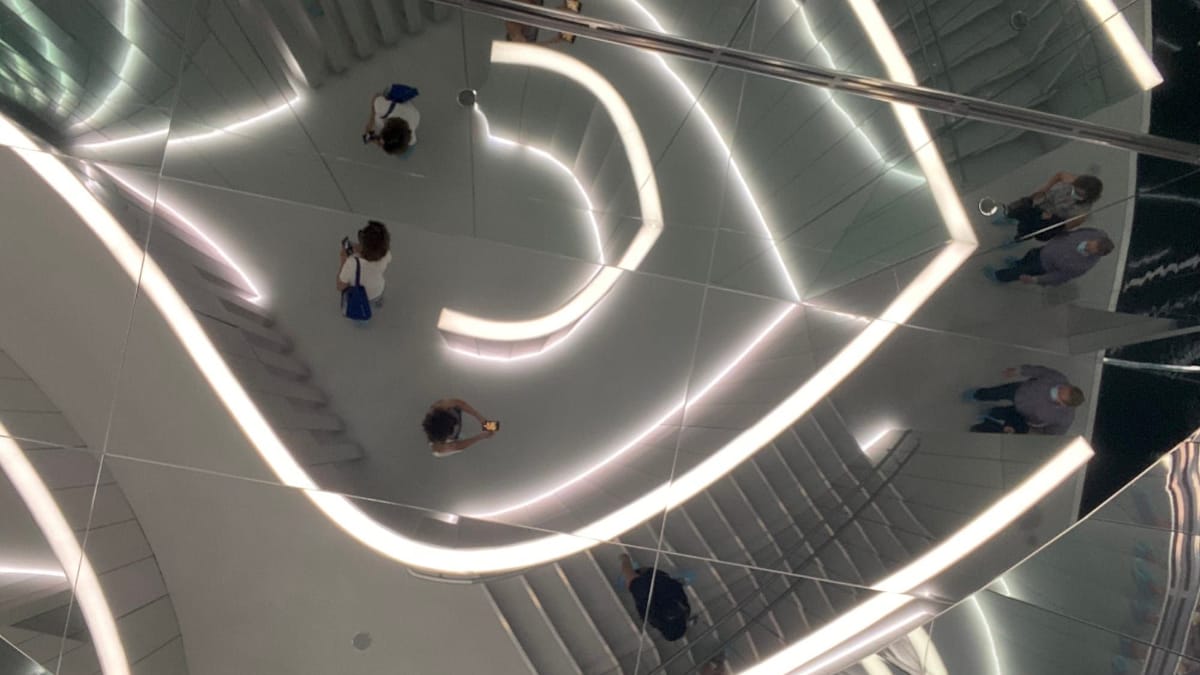
Internal reports indicate that the process of informing employees was handled with a lack of clarity that exacerbated the anxiety of the remaining workforce. By failing to provide a roadmap for the transition, leadership inadvertently created a "hall of mirrors" environment, where rumors filled the void left by formal communication.
The Impact on the Roster and Workforce
The layoffs were not indiscriminate; they disproportionately affected the most vulnerable tiers of the gallery’s staff. Furthermore, the decision to drop 50 artists—a significant contraction of the gallery’s footprint—raises questions about the future of commercial representation for mid-career and emerging creators. While Glimcher has publicly pointed to "larger industry problems," those within the walls of the gallery argue that the specific, abrupt nature of these cuts was a failure of management rather than a victim of broader market trends.
The Human Element: Brenda Goodman and the Resilience of Practice
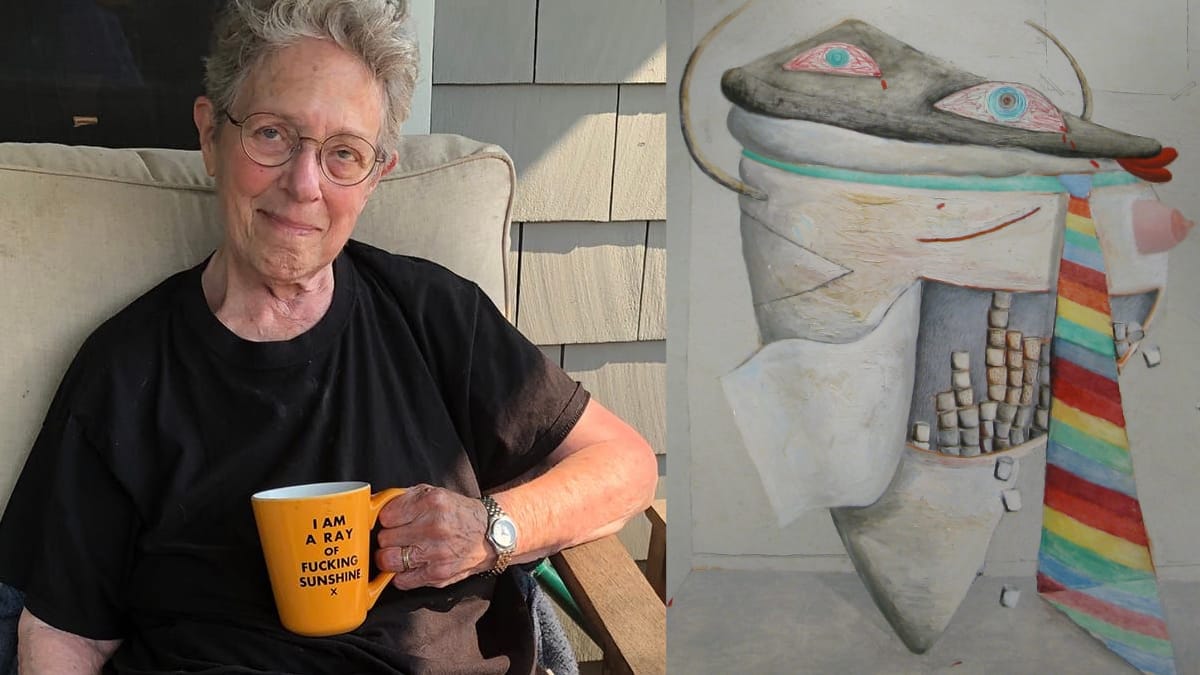
In stark contrast to the institutional chaos at Pace, the career of Brenda Goodman offers a portrait of endurance. As she approaches her 83rd birthday in July, Goodman remains a singular force in the American art scene.
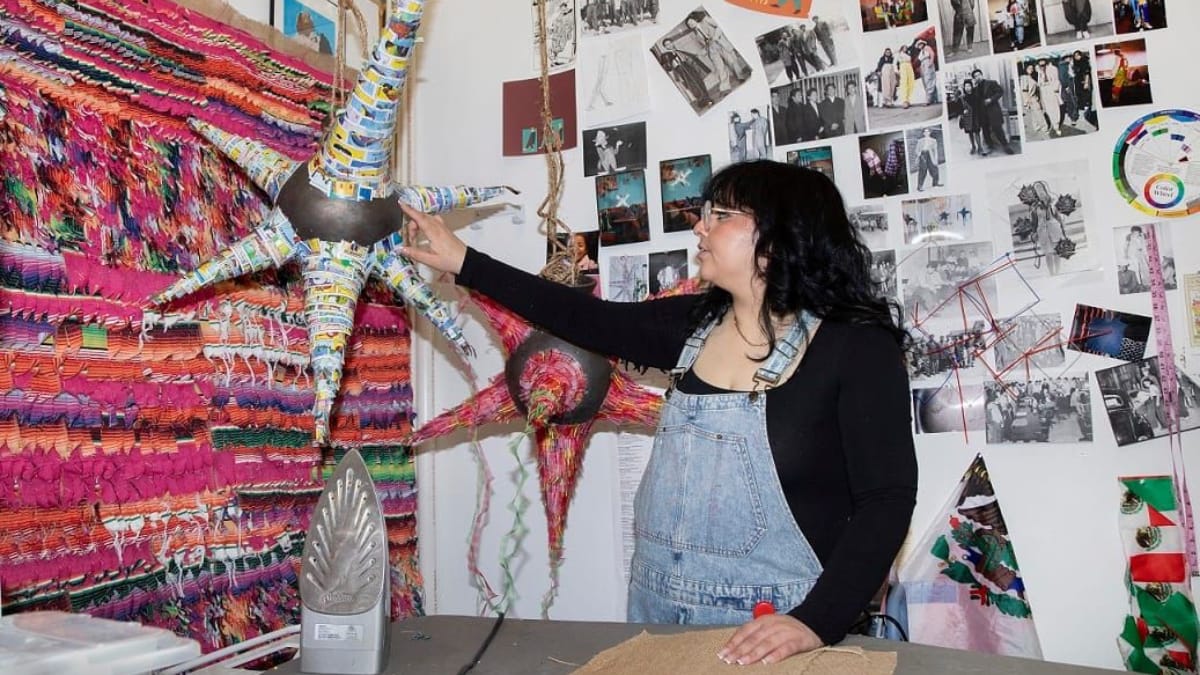
In a recent interview with artist Mala Iqbal, Goodman reflected on a life spent challenging the conventions of a male-dominated, sexist industry. "I take risks with my work," Goodman told Iqbal during a studio visit. "I don’t sit still and do the same thing over and over again."
Goodman’s journey, which includes the physical transformation of materials—such as tearing up clothing to repurpose as painting rags—illustrates a commitment to the creative process that transcends the transactional nature of the contemporary art market. Her work, which explores queer identity and deep emotional vulnerability, serves as a vital reminder of the "one of one" spirit that often gets lost in the commodification of art.
The Ethical Dilemma: AI and the Future of Education
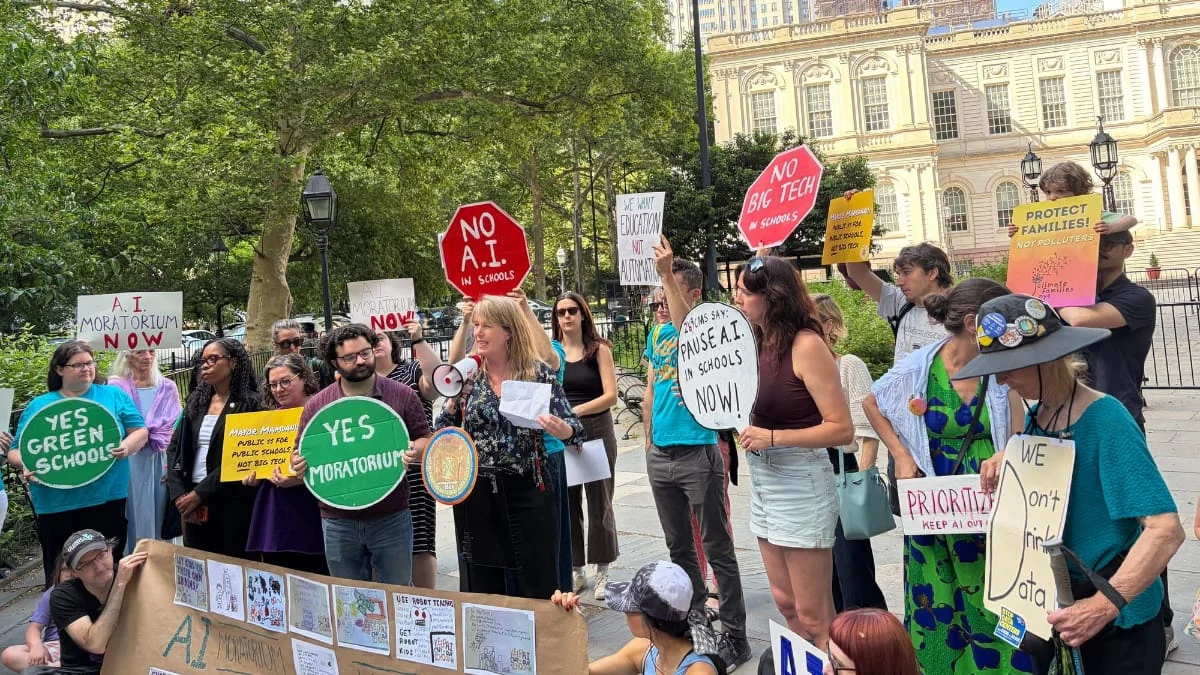
Beyond the immediate crisis at Pace, the art community is organizing around the existential threat posed by artificial intelligence. A growing coalition of hundreds of artists has formally petitioned the New York City Mayor to implement a moratorium on the use of generative AI in public schools.
The Arguments Against AI Integration
The coalition argues that the rapid, unchecked adoption of AI in educational settings threatens to degrade the development of authentic human creativity and critical thinking. By prioritizing machine-generated imagery over the arduous, formative process of learning how to draw, paint, and conceptualize, the school system risks producing a generation of students who view art as a prompt-based shortcut rather than a rigorous discipline.
The petition highlights a significant anxiety: if the foundational stages of art education are outsourced to algorithms, the future of the art market—and the culture at large—may become a closed loop of derivative, machine-fed aesthetics.
Remembering James Wagner: A Legacy of Connection
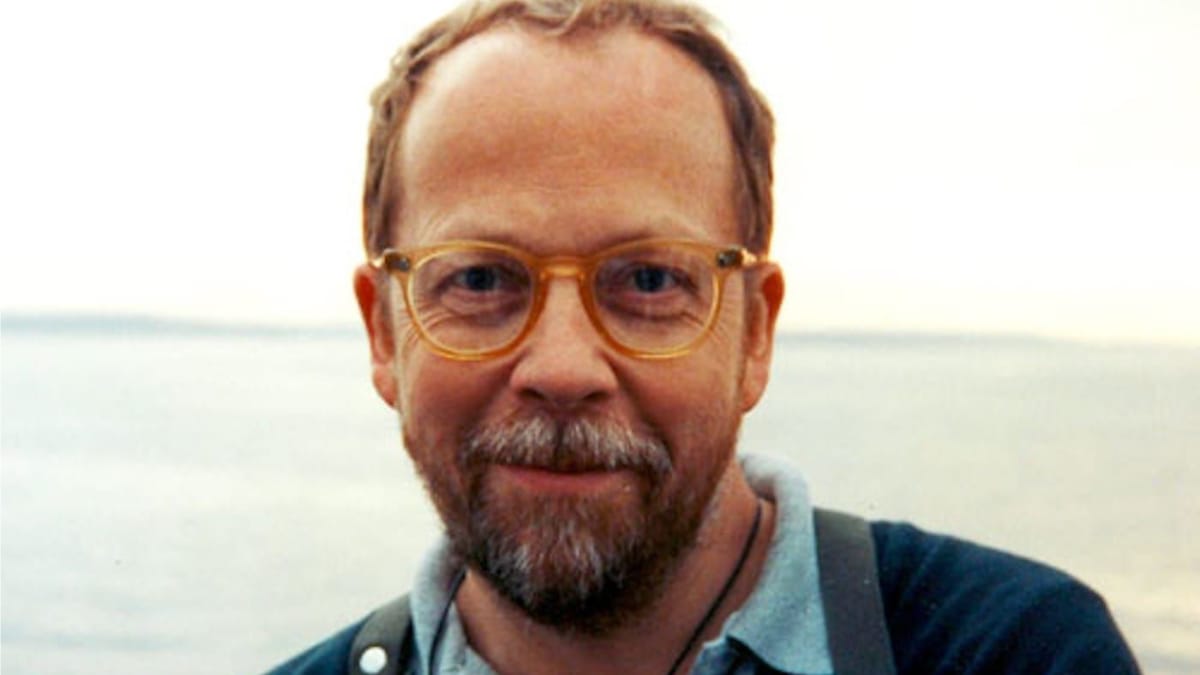
The community also paused to mourn the loss of James Wagner, a beloved New York art collector who passed away on June 7 at the age of 85. Wagner was a fixture of the city’s art scene, known not just for the pieces he acquired, but for the genuine, insatiable curiosity he brought to every studio visit and exhibition opening.
Paddy Johnson, reflecting on her frequent visits to Wagner during his final months, described the process of "reconstructing our favorite memories" as a way to carry his spirit forward. In a landscape that often prioritizes the "blue-chip" value of an artist, Wagner’s legacy is defined by his human-centric approach to collecting. He viewed the art world as a social organism, a network of relationships that required active participation and care. His death marks the end of an era for many who viewed him as an essential, connective tissue in the complex web of the New York art world.
Implications: The Decoupling of Value and Commerce
The collective weight of these events—the layoffs at Pace, the advocacy against AI, and the loss of a foundational figure like Wagner—points toward a significant transition in the art world.
The Critique of Transactional Value
A recurring theme in recent critical discourse, echoed by observers like Valerie Hird, is the urgent need to decouple an artist’s creative value from their transactional success. The current market-driven model inevitably leaves behind those who have contributed significantly to the cultural fabric but have not achieved sustained financial prominence.
If the art world continues to prioritize institutions that operate with the opacity of a hedge fund, it will continue to lose the very artists who sustain its intellectual and cultural legitimacy. The "historical record" is at risk of being sanitized, preserving only those who were profitable at the expense of those who were innovative.
The Path Forward
The path forward, as suggested by the advocates and artists currently challenging the status quo, involves a return to transparency and human connection. Whether through the direct, knee-to-knee conversations in a studio, or through collective action against the encroachment of dehumanizing technologies in schools, the emphasis must shift back to the human labor that makes art possible.
As the art world looks toward the latter half of 2026, it stands at a crossroads. The collapse of the old model—as admitted by industry leaders themselves—provides a rare, if painful, opportunity to rebuild on more ethical and equitable foundations. The question remains: will the industry listen to its artists and workers, or will it continue to chase the mirage of infinite growth, leaving the soul of the art world behind in the process?
For those interested in furthering their studies during this period of transition, the Cranbrook Academy of Art has reopened its applications for the Fall 2026 term, inviting a new generation of artists and designers to engage with the rigorous, traditional, and evolving methods of the craft.
 Basiran
 Muslim
 Evan Lee Salim
