

Published every Thursday, "Art Movements" serves as the definitive roundup of essential industry news, institutional shifts, and the evolving cultural landscape. This week, we analyze the intersection of federal policy and creative expression, significant acquisitions in the nation’s capital, and the complex provenance of a market-topping Modigliani.
1. Main Facts: A Shifting Cultural Landscape
The art world is currently navigating a period of profound turbulence, defined by a collision between institutional expansion and ideological realignment. As the United States Department of State initiates the call for proposals for the 2027 Venice Biennale of Architecture, the criteria for participation have sparked significant debate. The mandate to focus on "American exceptionalism"—coupled with a formal prohibition on programs related to Diversity, Equity, and Inclusion (DEI)—signals a sharp departure from the curatorial freedom historically afforded to U.S. representatives on the global stage.
Simultaneously, the National Gallery of Art (NGA) in Washington, D.C., has solidified its commitment to broadening the canon through a major donation from the Berezdivin Collection. This influx of nearly 50 works by contemporary artists from across the Americas marks a pivotal moment for the institution, ensuring that the voices of the Caribbean and Latin American diasporas gain long-overdue institutional visibility.
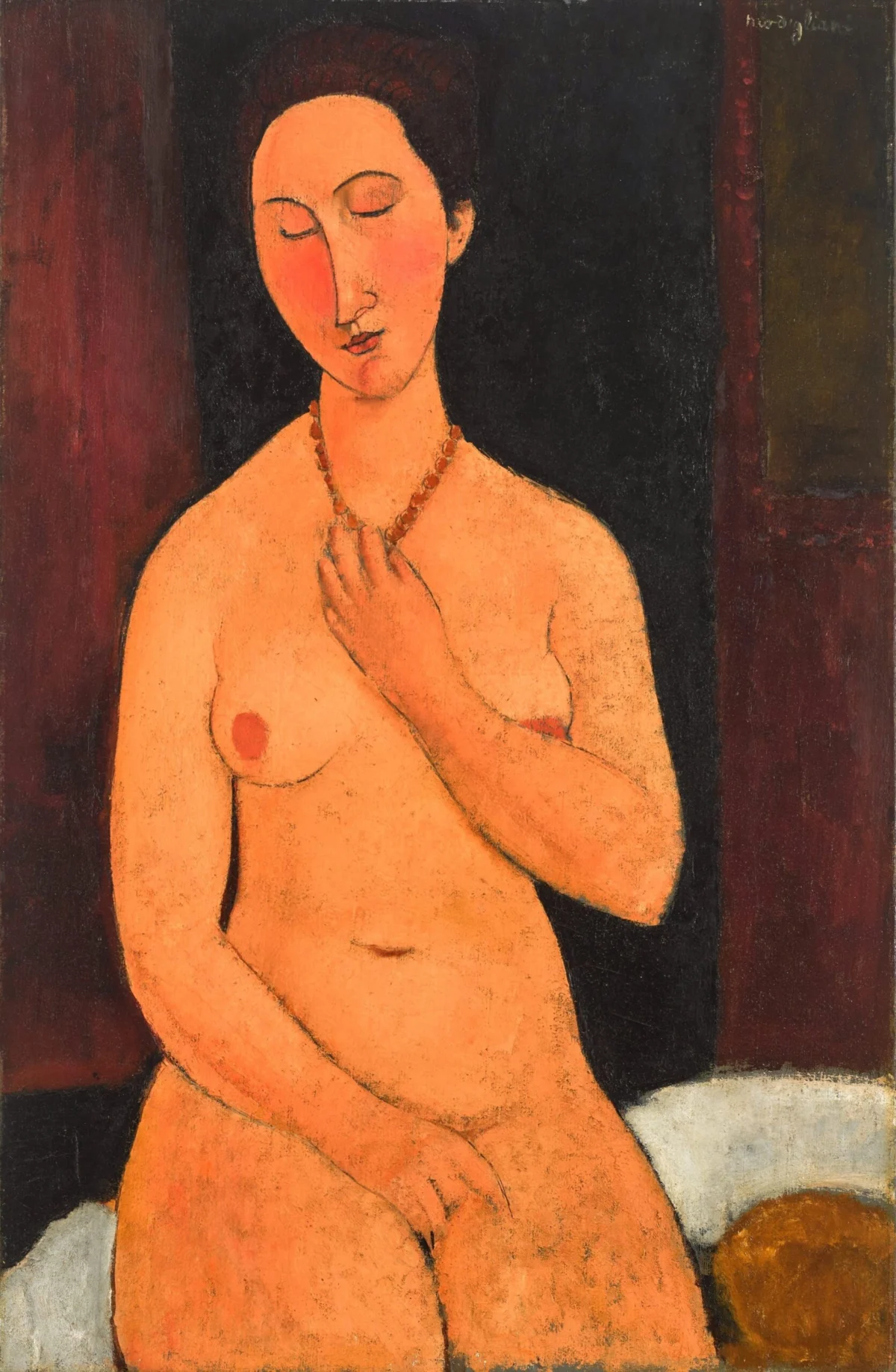
Finally, the market remains as unpredictable as the political climate. A landmark sale at Sotheby’s London—featuring Amedeo Modigliani’s 1917 masterpiece Nu assis au collier—demonstrates that even in times of economic uncertainty, high-value art remains a magnet for billionaire capital, regardless of the provenance or the legal controversies surrounding previous owners.
2. Chronology: Mapping Recent Developments
- 1917: Amedeo Modigliani’s Nu assis au collier is unveiled at Galerie Berthe Weill, Paris. The exhibition is shuttered by police within hours due to accusations of "indecency."
- 2024: Billionaire investor Joe Lewis, owner of the Modigliani, pleads guilty to insider trading charges in the United States.
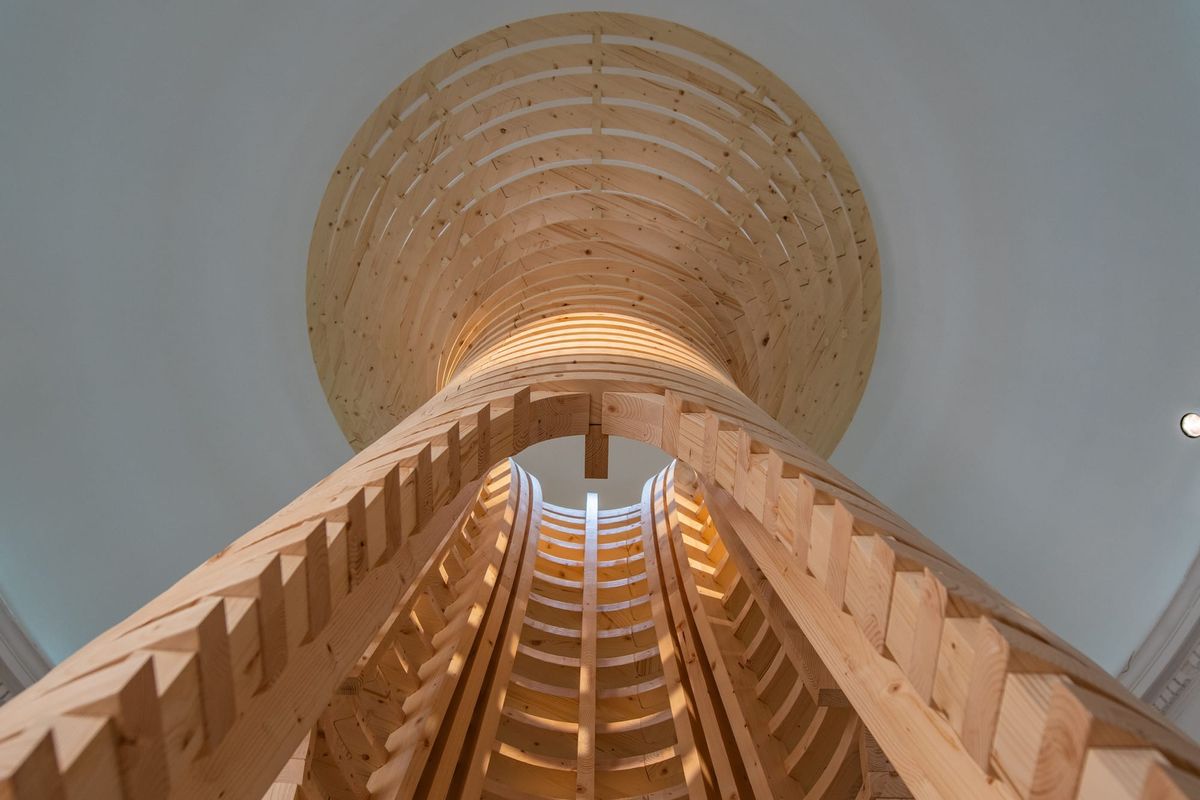
- 2025: The Venice Biennale of Architecture hosts PORCH: An Architecture of Generosity, reflecting a previous era of curation.
- Early 2026: President Trump grants a pardon to Joe Lewis.
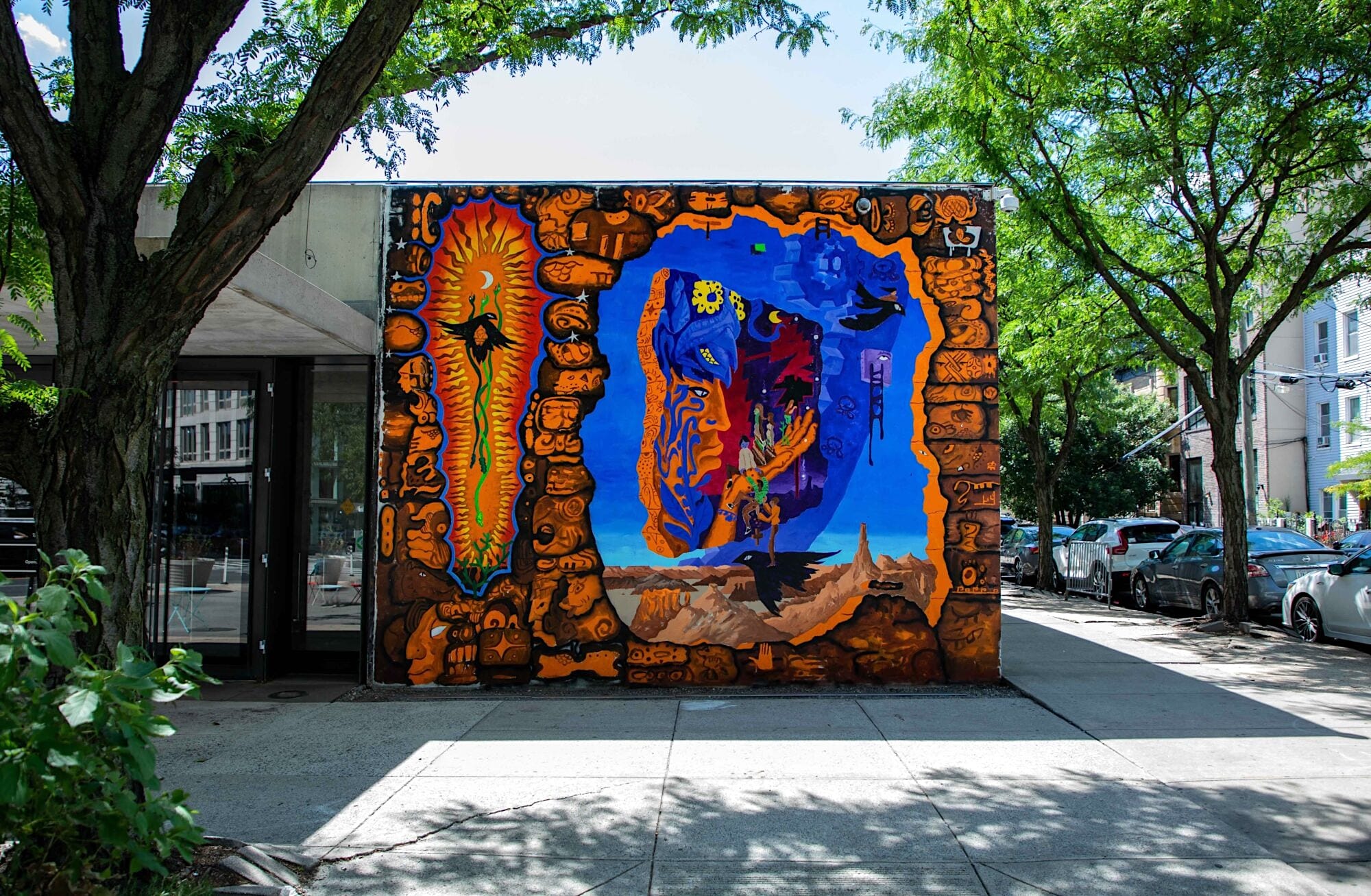
- June 2026: Esteban Cabeza de Baca’s mural Ancestral Dreams is unveiled at MoMA PS1.
- June 2026: Sotheby’s sells Nu assis au collier for £48.2 million ($63.9 million) as part of the Joe Lewis collection.
- Late June 2026: The U.S. Department of State issues its call for proposals for the 2027 Venice Biennale, incorporating explicit requirements regarding "American exceptionalism" and the exclusion of DEI mandates.
3. Supporting Data: Market Trends and Institutional Growth
The recent sale of the Modigliani serves as a case study in the resilience of the blue-chip market. Despite the global volatility of the art trade, the $63.9 million result reinforces the status of early 20th-century European modernism as the "gold standard" for private wealth preservation.
In contrast, the NGA’s acquisition represents a different kind of value: cultural capital. The addition of works by Allora & Calzadilla, Chemi Rosado-Seijo, Rafael Ferrer, and Priscilla Monge fills significant lacunae in the museum’s holdings. By integrating these artists—whose work explores themes of colonialism, geography, and political agency—the NGA is signaling a long-term strategic shift toward a more inclusive art history that treats the Americas as a single, interconnected ecosystem.
On the local front, MoMA PS1’s engagement with Esteban Cabeza de Baca underscores the vital role of public-facing art in urban centers. Ancestral Dreams serves not merely as aesthetic decoration but as a site of historical reclamation, connecting the labor movements of the past to the migrant struggles of the present through a visual language rooted in indigenous iconography.
4. Official Responses and Industry Sentiment
The Department of State’s directive regarding the 2027 Venice Biennale has sent shockwaves through the architecture and design communities. Critics argue that by mandating an ideological framework, the government is effectively transforming the U.S. Pavilion into a vessel for state-sponsored propaganda.

"The requirement to explicitly exclude DEI-focused programming is not just a policy change; it is an act of censorship," notes one prominent architectural historian familiar with the application process. "It forces curators to choose between institutional funding and their own ethical commitments to a diverse and inclusive discipline."
While the State Department has maintained that these requirements are intended to "project a unified vision of American values," many in the industry view this as a continuation of the Trump administration’s broader campaign to dismantle institutional support for progressive initiatives. The shadow of the 2026 Biennale, where artist Alma Allen was selected through a process that bypassed traditional committee vetting, looms large over these new requirements, suggesting that the "exceptionalism" mandate may be used to justify future appointments that eschew peer review in favor of political alignment.
5. Implications: The Future of Cultural Diplomacy
The convergence of these events paints a stark picture of an art world divided between institutional growth and political co-optation.
The Erosion of Independent Curation
The precedent set by the U.S. government’s involvement in the Venice Biennale suggests that the "soft power" of art is being explicitly weaponized. When a pavilion is tasked with demonstrating "exceptionalism" while actively purging the language of equity, the result is a sterile, nationalist exhibition that risks alienating the international art community. This shift may ultimately lead to a decline in the relevance of the U.S. Pavilion, as international audiences and curators increasingly view it as a political tool rather than a platform for architectural innovation.
The Power of Provenance
The Modigliani sale highlights the disconnect between the "indecent" history of the work itself and the "indecent" nature of its recent ownership. The fact that a painting once censored by the state for its moral audacity is now the centerpiece of a sale by a pardoned financier who exploited the financial system, suggests that the market remains largely indifferent to the ethical standing of its participants. For the art world, this raises a persistent question: at what point does the history of an object’s ownership eclipse its aesthetic value?
Institutional Resilience
Conversely, the NGA and MoMA PS1 demonstrate that even as federal agencies pivot toward nationalism, museums and cultural centers remain committed to expanding the boundaries of the narrative. By centering the histories of indigenous, migrant, and Caribbean communities, these institutions are creating a parallel, more resilient discourse that honors the complexity of the human experience.
As we look toward 2027, the industry faces a critical juncture. The battle for the Venice Biennale is not just about architecture; it is a battle for the soul of cultural representation. If the government continues to exert ideological control over artistic output, the art world will be forced to determine whether it will capitulate for the sake of resources or seek independent avenues of support to maintain its integrity. In an era of increasing polarization, the work of artists like Cabeza de Baca—who speak to protection, labor, and ancestral memory—will likely become the primary vehicle for resistance, proving that even in the most restricted environments, the impulse for artistic truth remains difficult to suppress.
 Muslim
 Evan Lee Salim
