

Introduction: The 343rd View from the Easel
For over a decade, A View From the Easel has offered a rare, intimate window into the private sanctums where creativity takes shape. In this 343rd installment, we step into the Mid-Hudson Valley, specifically the quiet, verdant town of Rosendale, New York, to explore the workspace of mixed-media artist Kathleen MacKenzie.
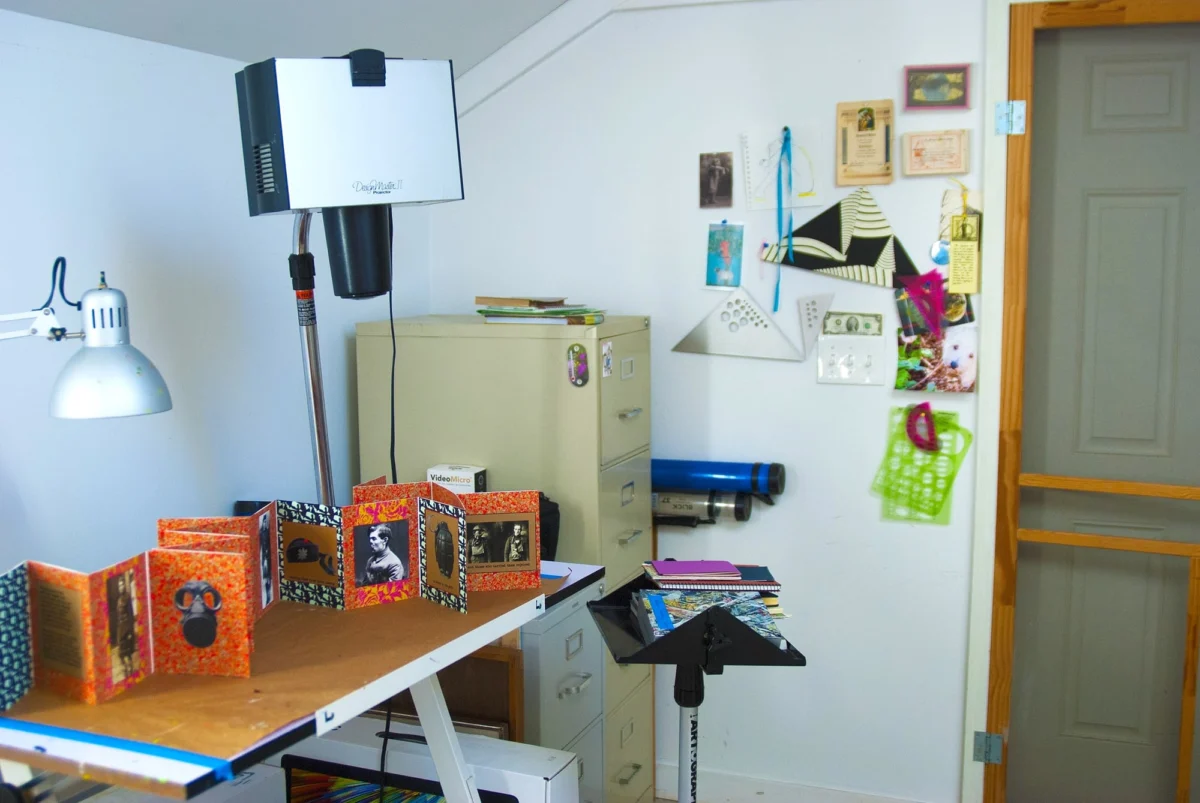
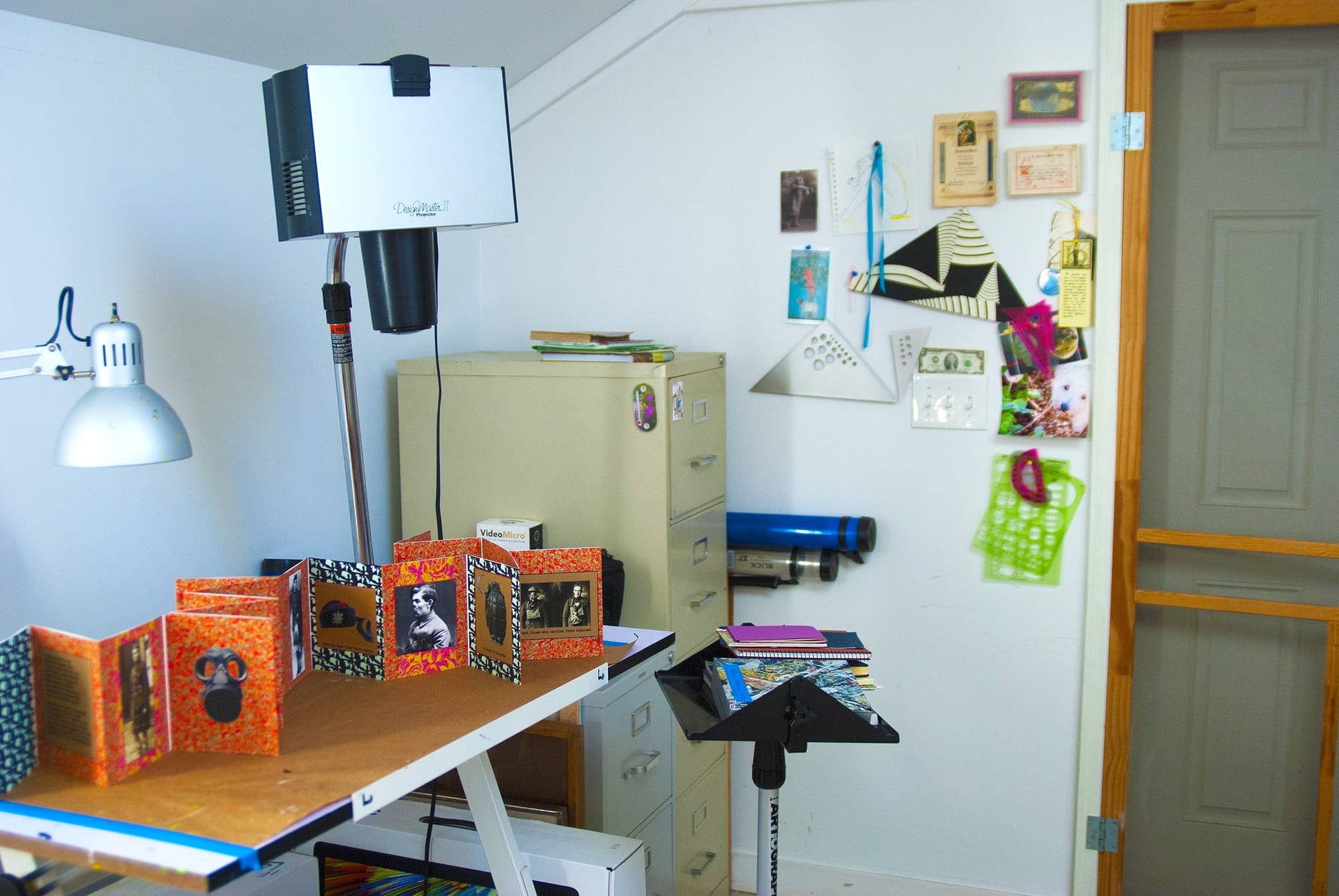
MacKenzie’s practice, which spans the physical textures of handmade books and collage to the ephemeral nature of experimental video art, finds its grounding in a purpose-built sanctuary. Her studio, a 400-square-foot transformation of a residential garage, serves as a testament to the transition from the frantic energy of New York City’s urban center to the meditative rhythm of Upstate life.
Main Facts: The Anatomy of a Workspace
Kathleen MacKenzie’s studio is more than just a room; it is a carefully calibrated environment designed to mirror the "meditative spareness" of her artistic output.
- Location: Rosendale, New York.
- Space: A 400-square-foot converted garage annex.
- Tenure: 14 years.
- Primary Mediums: Experimental video, mixed-media collage, painting, drawing, and handmade book construction.
- Core Philosophy: The intersection of silence, privacy, and digital precision.
The studio is defined by its natural light, which filters through strategically placed skylights and windows. These architectural choices aren’t merely for aesthetic appeal; they act as a connective tissue between the artist and the seasonal shifts of the Hudson Valley. For MacKenzie, the studio is a vessel for focus, where the constraints of space are outweighed by the abundance of mental clarity.
Chronology: From Tribeca Loft to Hudson Valley Garage
To understand the significance of MacKenzie’s current workspace, one must look at the arc of her professional life. For 35 years, MacKenzie was a fixture of the Tribeca art scene, operating out of a loft that likely offered a different sensory experience—the ambient hum of the city, the verticality of urban architecture, and the frantic pace of the Manhattan art world.
In 2012, MacKenzie made the pivotal decision to relocate to Rosendale. This move was not merely a change of address but a fundamental shift in her creative process. Upon arrival, she initiated a structural renovation of her property, dividing the back end of her garage to carve out her current 400-square-foot studio.
Fourteen years later, this space has become a witness to her evolution. It has bridged the gap between her traditional roots in painting and drawing and her contemporary fascination with digital video art. The longevity of her stay in this space—spanning over a decade—highlights the importance of environmental stability in an artist’s mid-to-late career, allowing for deep, sustained inquiry into themes of intimacy and isolation.
Supporting Data: The Daily Ritual and Workflow
The efficiency of an artist is often dictated by their ritual. MacKenzie’s daily routine is characterized by a disciplined approach that balances physical labor with the technical requirements of digital post-production.
The Daily Rhythm
- 10:00 AM: Entry into the studio; commencement of the morning session.
- 12:00 PM: Lunch break, serving as a boundary between the morning’s work and the afternoon’s progress.
- 1:00 PM – 4:00/5:00 PM: The deep-work phase, often reserved for high-focus digital tasks.
MacKenzie’s approach to multitasking is intentionally limited. While she describes her ideas as "intersecting," she maintains a strict "one project at a time" rule unless a deadline dictates otherwise. This allows her to immerse herself fully in the specific technical or physical demands of a medium, whether it is the tactile construction of a handmade book or the complex, non-linear editing required for experimental video.
Sensory Constraints
Her workspace is managed through sensory curation. When working on digital platforms like Photoshop or Final Cut Pro, she mandates total silence to facilitate the cognitive load required for precision editing. Conversely, when engaged in physical studio work, she adopts a jazz-infused soundscape. This dichotomy suggests a sophisticated understanding of how external stimuli can influence the "voice" of the final artwork.

Community Integration: Beyond the Studio Walls
While the studio is a site of solitude, MacKenzie’s practice is deeply embedded in the surrounding community. Her relocation upstate was followed by an active integration into the local cultural fabric.
Her engagement includes:
- The Rosendale Theatre: Serving as a volunteer to support local cinema and performance.
- WAAM (Woodstock Artists Association and Museum): Serving as a member and active participant.
- Spiritual and Intellectual Circles: Membership in a Mid-Hudson Community Buddhist practice and participation in local poetry/writing groups.
- Collaborative Practice: Engaging in partnerships with local book artists and exhibiting in regional galleries.
This synthesis of private introspection and public community participation creates a balanced feedback loop. The "eclectic" nature of her community provides the inspiration, while the "silence" of the studio provides the digestive space to process those experiences into art.
Official Responses and Personal Reflection
When asked how the environment directly impacts her output, MacKenzie is unequivocal: "The privacy and silence reflect the intimacy and meditative spareness of my art."
This statement points to a conscious design philosophy. She does not view the studio as a factory for production, but as a mirror for her creative psyche. The natural elements—the sky visible through the skylights, the rhythmic chirping of birds—act as the only external interruptions she deems necessary.
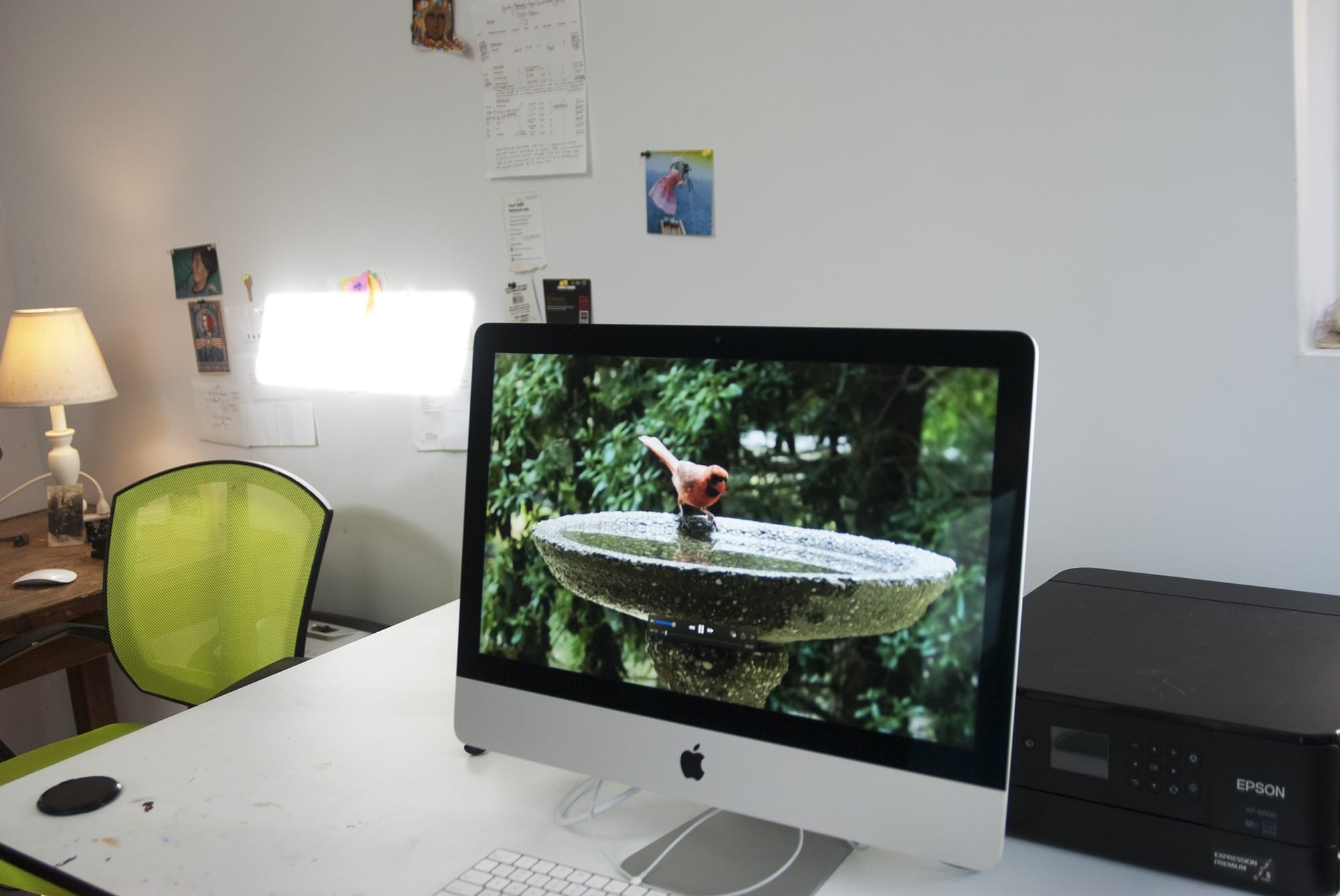
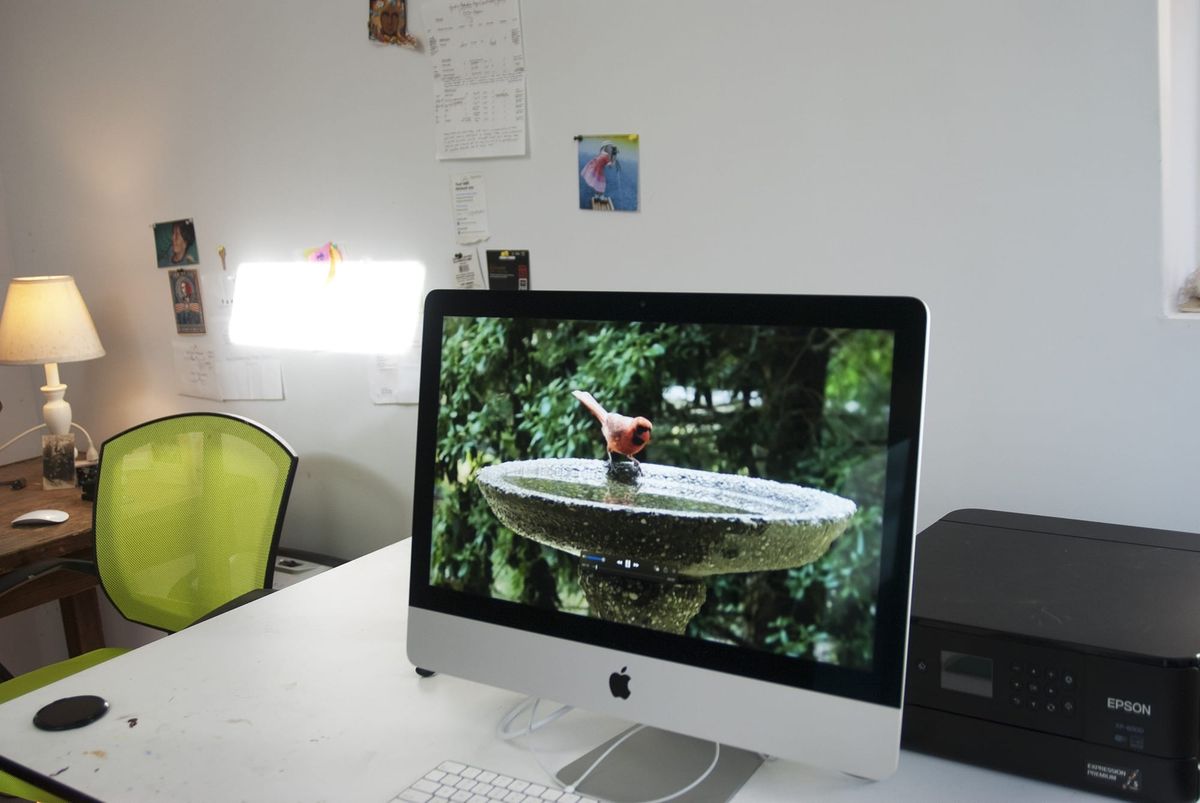
However, the reality of working in a semi-rural environment is not without its modern friction. MacKenzie notes the limitations of her infrastructure, specifically citing the need for faster internet speeds for her iMac and more reliable cellular connectivity. These technical desires underscore a tension common to many artists working in remote settings: the need for the quiet of the country combined with the high-bandwidth requirements of modern digital art.
Implications: The Future of the "Home Studio"
The case of Kathleen MacKenzie offers significant implications for the contemporary art world. As urban centers become increasingly expensive and high-pressure, the migration of artists to regional hubs like the Mid-Hudson Valley is not just a trend but a strategic move toward sustainability.
1. The Value of "Slow Art"
MacKenzie’s preference for single-tasking and silence runs counter to the "hustle culture" that often dominates the art market. Her work suggests that the most profound artistic breakthroughs occur in the quiet spaces between projects, enabled by a workspace that allows for deep focus.
2. The Digital-Physical Hybrid
MacKenzie’s workflow, which moves fluidly between handmade books and Final Cut Pro, represents the future of the modern artist. The studio of the future is not a place for one medium, but a digital laboratory that requires both the messiness of paint and the cold precision of high-speed servers.
3. Institutional Symbiosis
MacKenzie’s reliance on institutions like WAAM highlights the importance of regional museums. For many artists, these institutions are the lifeblood of their careers, providing the validation and community interaction that keep a solitary studio practice from becoming isolated.
Conclusion: A Masterclass in Intimacy
Kathleen MacKenzie’s 14-year tenure in her Rosendale studio is a masterclass in the value of place. By curating an environment that balances the silence of nature with the tools of digital innovation, she has created a workspace that doesn’t just house her work—it defines it.
As the art world continues to navigate the complexities of the 21st century, the "view from the easel" remains clear: whether in a bustling city or a converted garage in the Hudson Valley, the most essential tool for an artist remains the ability to cultivate a space where the noise of the world is silenced, and the internal voice can finally be heard.
Interested in participating in A View From the Easel? Hyperallergic welcomes submissions from artists across all mediums and locations. Please review our submission guidelines and fill out the provided form to share your own workspace story.
 Muslim
 Evan Lee Salim
 Jia Lissa
