

Published every Thursday, "Art Movements" provides a comprehensive synthesis of the most vital developments, shifts, and institutional milestones defining the contemporary art landscape. This week, we examine the recognition of singular creative voices, the evolving nature of gallery stewardship, and the emergence of critical support systems for artists navigating health crises.
I. Main Facts: The 2026 Bucksbaum Award and Institutional Shifts
The art world’s focus shifted to the Whitney Museum of American Art this week as the institution announced the recipient of its prestigious Bucksbaum Award. Pat Oleszko, an artist celebrated for her fearless, often irreverent, and visually arresting inflatable sculptures and experimental film works, has been named the 2026 winner.
The Bucksbaum Award, a $100,000 grant, is bestowed upon an artist participating in the Whitney Biennial whose practice demonstrates a "singular combination of talent and imagination." Oleszko’s inclusion in this year’s Biennial—and her subsequent win—marks a high point in a banner year for the artist. Beyond the Whitney, she has recently commanded the spotlight with a major solo exhibition at New York’s SculptureCenter, titled Fool Disclosure, and is currently presenting significant works at The Campus in Upstate New York. Her work, which often bridges the gap between performance art, sculpture, and social critique, continues to challenge the boundaries of how we perceive space and the human form.
Simultaneously, the landscape of independent galleries is facing a sobering reality. Murmurs, the influential Los Angeles-based gallery known for platforming provocative voices like Sula Bermúdez-Silverman and Alison Nguyen, has announced the closure of its physical storefront in Downtown Los Angeles. This decision reflects a broader, systemic struggle within the creative economy, where the burden of rising operational costs is increasingly at odds with the demands of experimental programming.
II. Chronology of Recent Developments
To understand the current trajectory of these events, it is essential to view them within their recent temporal context:
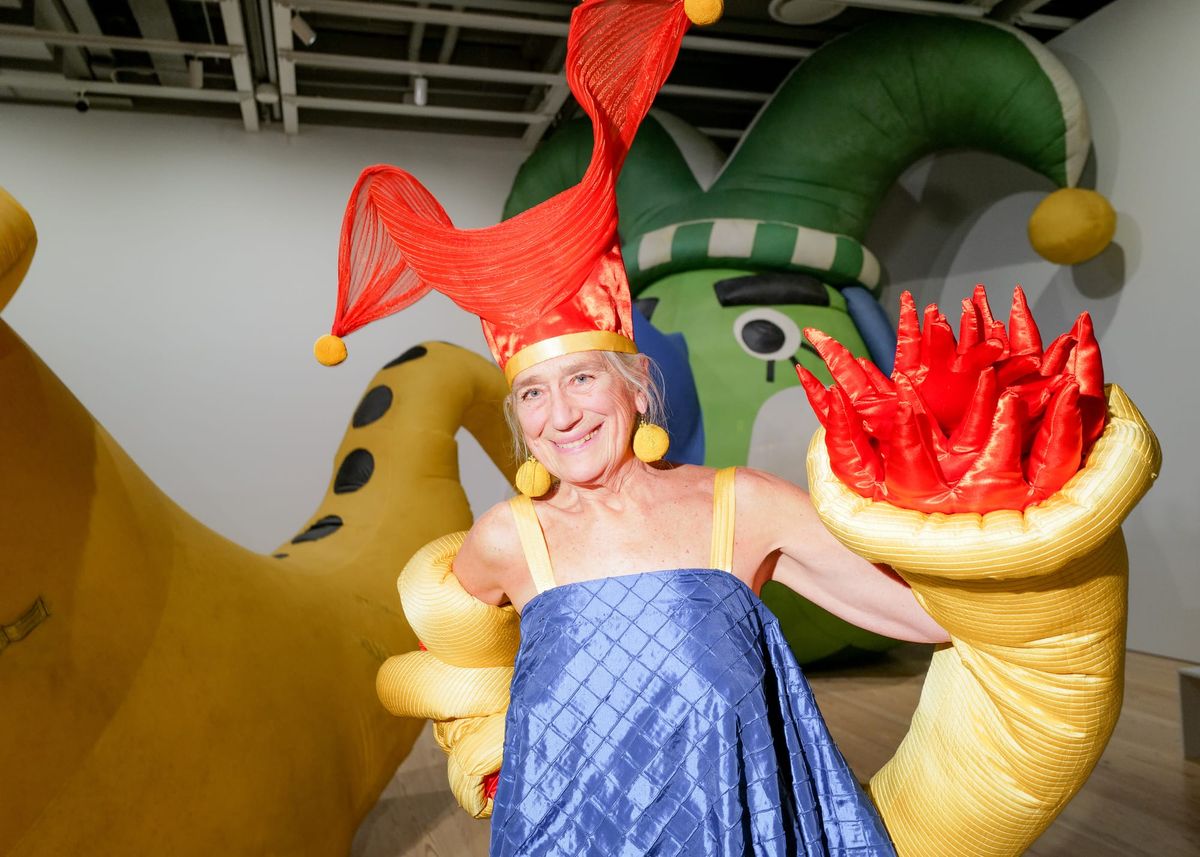
- March 3, 2026: The Whitney Biennial officially opens to the public, featuring the debut of Pat Oleszko’s latest inflatable installations, which immediately garnered critical acclaim for their humor and technical ambition.
- January – June 2026: The San Francisco Museum of Modern Art (SFMOMA) conducts a major acquisition cycle, bringing over 90 works into its permanent collection, signaling a pivot toward more diverse and socially conscious narratives.
- July 2026: The Rema Hort Mann Fund and the Robert Rauschenberg Foundation formalize a partnership to launch the "Artists Living with Cancer" grant, with artist Jacolby Satterwhite named as the program’s inaugural recipient.
- Mid-July 2026: Murmurs Gallery issues a formal statement regarding the closure of their LA space, framing the move as a transition toward a more sustainable, decentralized model of operation.
III. Supporting Data: Growth and Resilience in the Arts
The art market and its associated philanthropic sector have seen a complex distribution of resources in the first half of 2026. While commercial spaces like Murmurs face the pressures of "intense economic squeeze," institutional collecting continues to serve as a vital lifeline for artists.
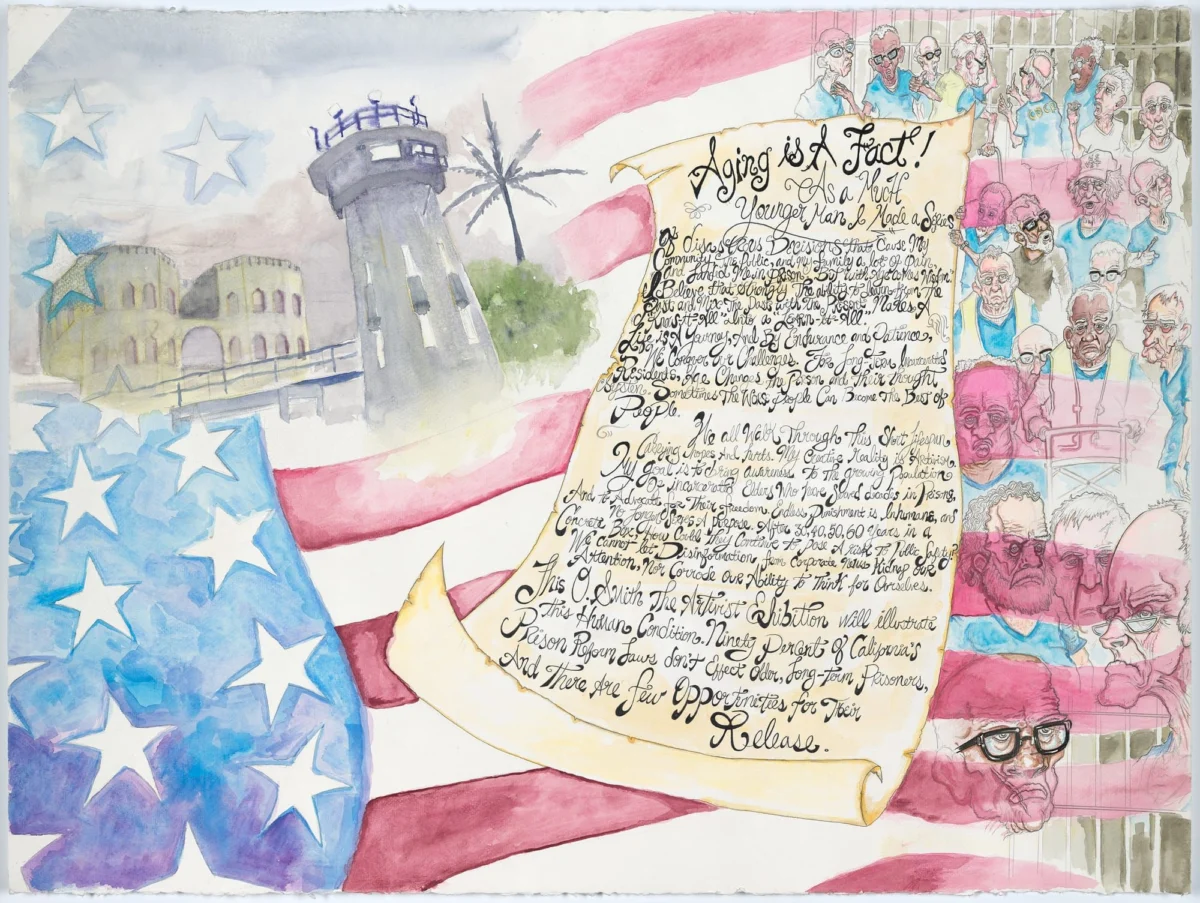
SFMOMA’s recent acquisition spree serves as a case study in how major museums are repositioning themselves. By acquiring works from artists as diverse as Rose B. Simpson, Ana Mendieta, Betye Saar, and Kishio Suga, the museum is explicitly broadening its canon. Perhaps most significant is the acquisition of "Aging Is A Fact!" (2025) by Orlando Smith, an artist currently incarcerated at San Quentin. The inclusion of Smith’s work—a watercolor that serves as a visual document of the struggles faced by an aging prison population—highlights an increasing institutional willingness to engage with the realities of systemic incarceration.
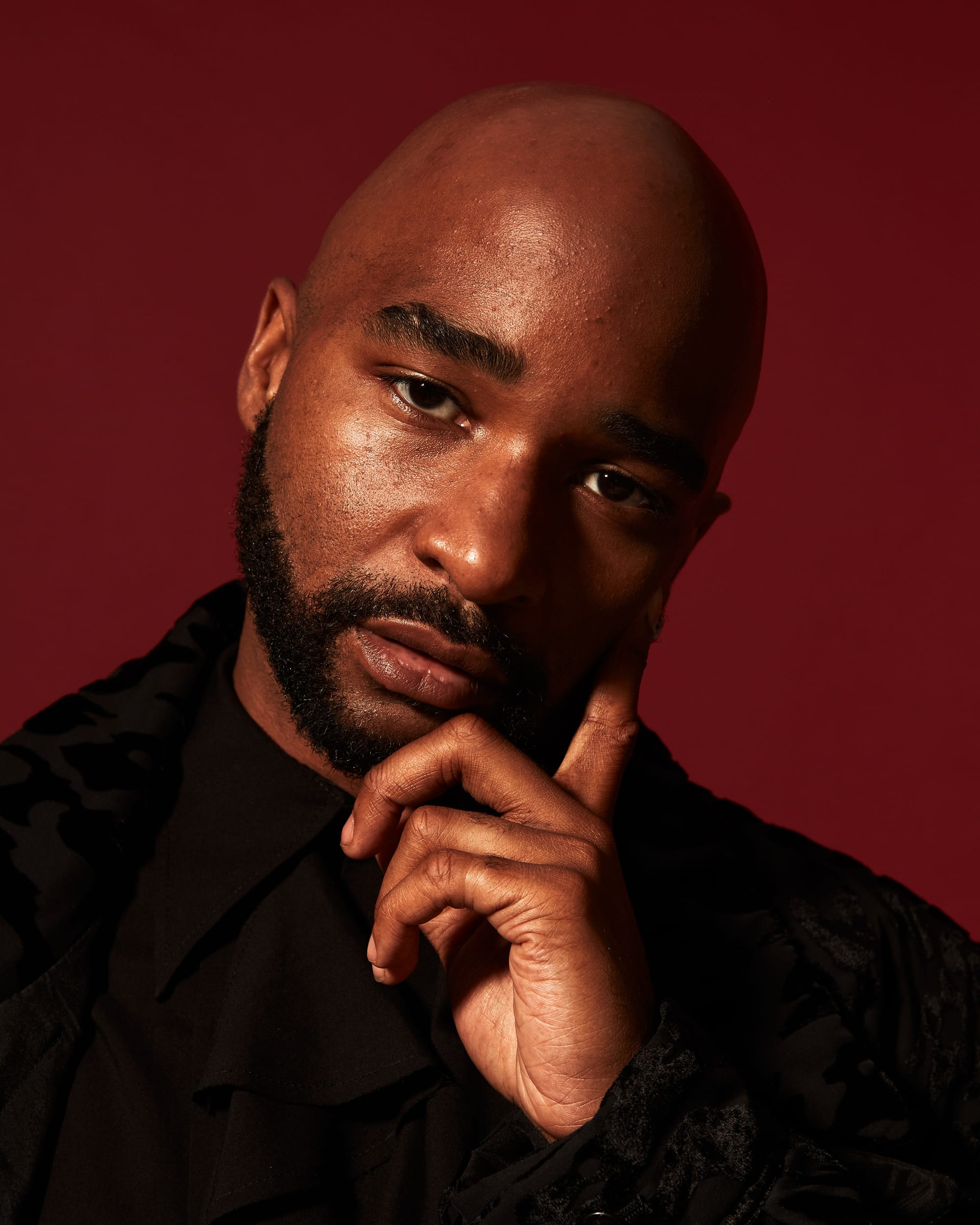
Furthermore, the new "Artists Living with Cancer" grant provides a vital financial blueprint. The initial $25,000 award to Jacolby Satterwhite represents a commitment not just to artistic production, but to the long-term well-being of creators. By establishing a subsequent fund that will offer grants of up to $10,000, the initiative addresses the "hidden" costs of being an artist—specifically, the intersection of chronic illness and the precarious financial nature of the creative class.
IV. Official Responses and Industry Sentiment
The narratives surrounding these events have been shaped by the voices of those most directly involved.
On the closure of Murmurs:
The founders of the gallery were transparent about the challenges of the current era. "It is no secret that the creative landscape is facing an intense economic squeeze," they stated in an official announcement on social media. Crucially, they emphasized that their closure was not a defeat, but a tactical pivot: "We are letting go of our space not to stop, but to discover more resilient ways to operate." This sentiment captures a growing trend among mid-tier galleries—the move away from the "white cube" toward nomadic or digital-first exhibition strategies that avoid the high overhead of physical property.

On the recognition of artists:
The Whitney’s selection of Pat Oleszko has been lauded by critics as a reaffirmation of the Biennial’s role in highlighting artists who do not fit neatly into traditional market categories. By rewarding an artist who uses humor and "irreverent" forms, the museum has signaled that high-level recognition is not reserved solely for solemn or commercially safe work.
V. Implications: The Future of the "Creative Economy"
The current state of the art world suggests a significant shift in the definition of "sustainability."
The End of the "Physical-Only" Era
The closure of Murmurs is a bellwether. The traditional gallery model, which relies on physical foot traffic and the high cost of real estate in metropolitan art hubs, is under immense pressure. We are likely to see more galleries transition into "hybrid" entities—organizations that maintain a curatorial presence without the permanent burden of a storefront. This allows for greater agility in a fluctuating economy but risks eroding the sense of community that a physical gallery provides.
Institutional Responsibility and Social Equity
The work of the Rema Hort Mann Fund and the Rauschenberg Foundation in supporting artists with cancer marks a maturation in arts philanthropy. Rather than focusing solely on "career advancement," these organizations are acknowledging the human vulnerability of the artist. This shift towards a "holistic" support model is likely to become a benchmark for other foundations in the coming years.
Similarly, the acquisition of Orlando Smith’s work by SFMOMA reflects a growing mandate for museums to act as sites of social record-keeping. The "canon" is no longer just a collection of aesthetic objects; it is becoming a repository of contemporary social history. By validating the voices of incarcerated artists, institutions are expanding the definition of who is "qualified" to shape our cultural discourse.
The Rise of the "Singular Talent"
Pat Oleszko’s win serves as a reminder that in an increasingly digitized and fast-paced art market, the "singular" voice—the artist who refuses to conform to market trends—remains the most valuable asset. Her ability to command attention across diverse venues, from the Whitney to the Upstate New York scene, underscores the power of a practice that remains unapologetically unique.
Final Thoughts
As we look toward the latter half of 2026, the art world is clearly in a period of intense restructuring. The loss of a physical space like Murmurs is tempered by the emergence of new, vital support structures for individual artists and a broader, more inclusive approach to museum acquisitions. The "chaotic" nature of the art world, as mentioned in our introduction, is not necessarily a sign of decline; rather, it is the sound of an industry shedding old, unsustainable skin in favor of more resilient, human-centered practices.
Whether it is through the $100,000 celebration of an inflatable-sculpting visionary or the quiet, necessary support of an artist fighting for their health, the art world continues to prove that its most vital function is its ability to adapt, survive, and ultimately, speak truth to the conditions of our time.
 Muslim
 Evan Lee Salim
 Jia Lissa
