


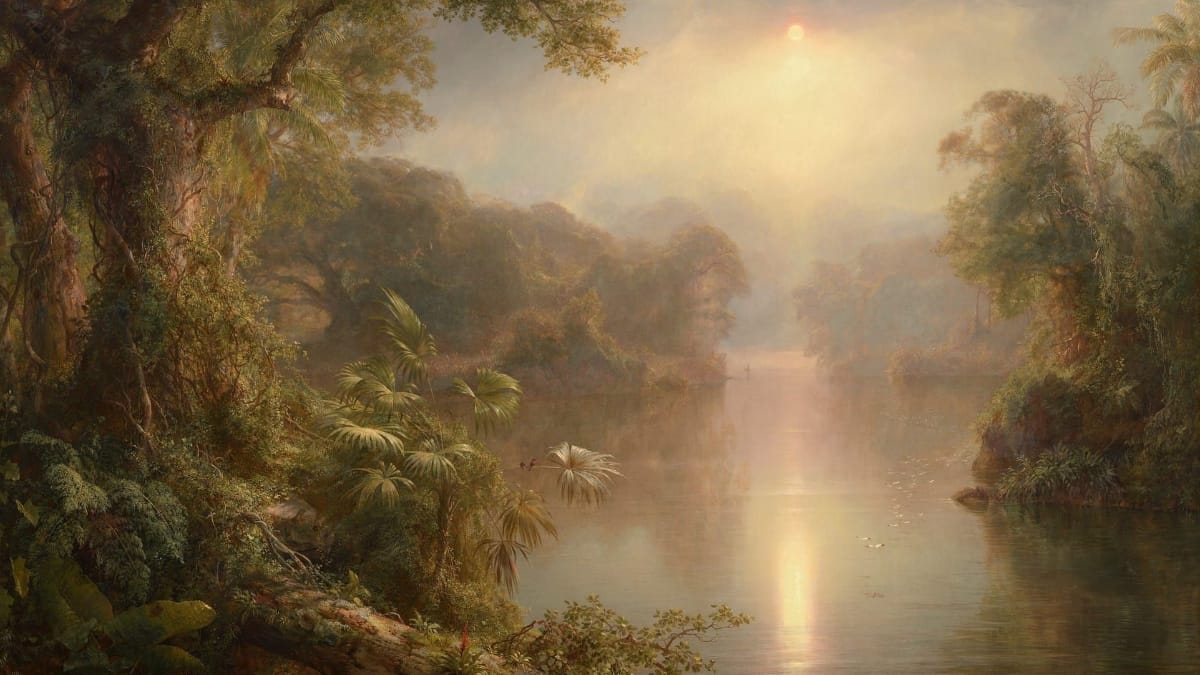
In the spring of 1859, the residents of New York City witnessed a cultural phenomenon that predated the modern era of the "blockbuster exhibition" by over a century. Between April 29 and May 23, a staggering 12,000 visitors queued outside the Tenth Street Studio Building. They were not there for a film premiere or a digital projection, but for a single, monumental canvas: Frederic Edwin Church’s Heart of the Andes.
This event serves as the primary gateway into a broader inquiry regarding the construction of American identity. As Benjamin Moser observes in his review of the new biography Glorious Country (2026), Church was not merely a painter; he was an architect of the national psyche during a period of desperate self-definition. From the sublime landscapes of the Hudson River School to the manufactured nostalgia of the Longaberger basket empire, the American narrative has long been a tug-of-war between authentic artistic vision and the pressures of commodification.
The Many Lives of Frederic Edwin Church
Frederic Edwin Church, the preeminent figure of the Hudson River School, occupied a unique position in the 19th-century zeitgeist. As Susan Sontag once famously bifurcated the literary world into "husbands" (figures of reliability and domestic decency) and "lovers" (figures of passion and swashbuckling intrigue), Church appears to have defied the binary entirely.

The Artist as Adventurer
Church possessed a "husbandly" dedication to his craft and his family, yet he led a life of radical, almost reckless, adventure. He navigated the treacherous slopes of Andean volcanoes, braved the frigid, iceberg-strewn waters of the Arctic, and narrowly escaped encounters with hostile Bedouin tribes. His paintings were not merely depictions of nature; they were immersive spectacles that captured the raw, untamed essence of a world the American public was eager to consume.
Victoria Johnson’s Glorious Country provides a long-overdue, comprehensive examination of this duality. Johnson captures the tension between Church’s domestic responsibilities—which his wife, Isabel, often found strained by his wanderlust—and his relentless pursuit of the sublime. The biography argues that Church’s work was central to the mid-19th-century American project of establishing a distinct national character, one that was rugged, exploratory, and perpetually expanding.
The Longaberger Empire and the Myth of Craft
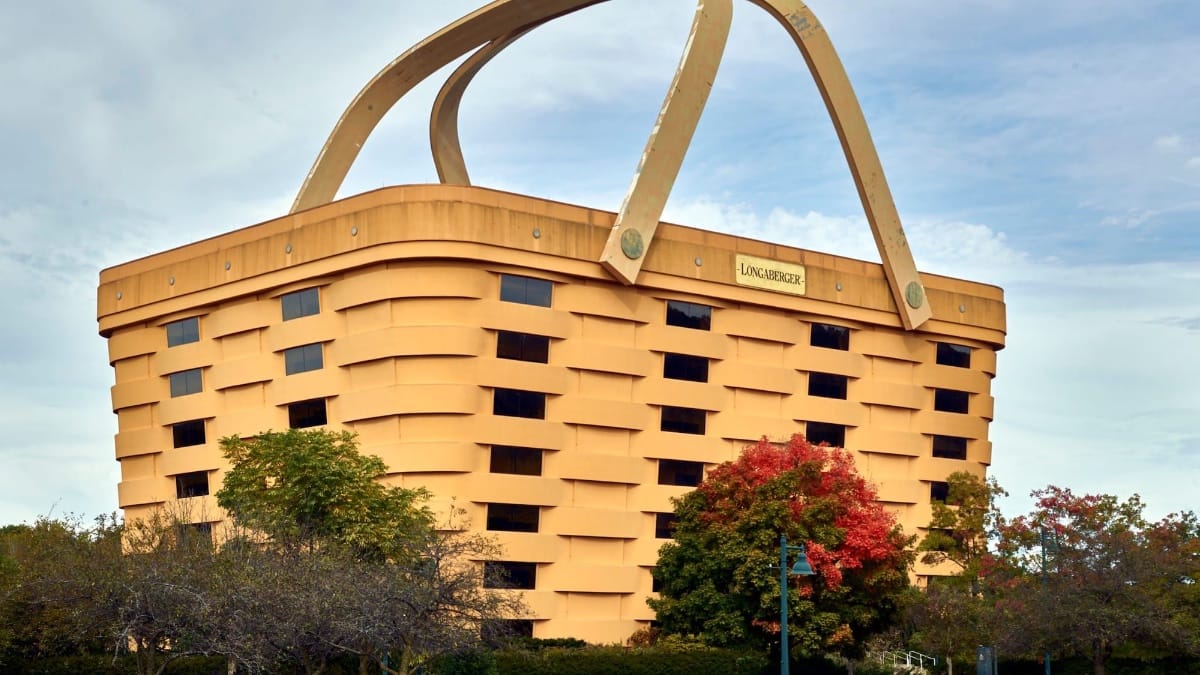
If Church’s work represents the romanticized expansion of the American frontier, the story of the Longaberger Company represents the commodification of domestic tradition. In a parallel investigation, Poppy DeltaDawn examines how the company transformed the simple, functional craft of basket weaving into a symbol of Americana, ultimately flattening the history of the practice in favor of a "mythologized material culture of settlement."
The Commodification of Tradition
The Longaberger phenomenon was, in many ways, as quintessentially American as the rise of mass-produced goods like Wonder Bread. The company did not just sell baskets; it sold an identity—a vision of a sanitized, industrious, and harmonious past. However, as DeltaDawn points out, this narrative relied on the erasure of the labor-intensive reality of true craft.
"Good craft is antithetical to capitalism," DeltaDawn writes. "Good craft cannot survive in a system that alienates labor." This critique highlights the central tension in American culture: the drive to package and scale the "authentic" until it is stripped of the very humanity that defined it. The Longaberger empire, once ubiquitous in households across the nation, serves as a cautionary tale of what happens when cultural heritage is subsumed by the machinery of consumerism.
Chronology: The Evolution of American Spectacle
To understand the trajectory of these cultural movements, one must look at the timeline of American artistic and commercial consumption:

- 1859: Frederic Edwin Church’s Heart of the Andes draws 12,000 visitors to the Tenth Street Studio Building in New York, marking a pivotal moment in the history of the "exhibition as event."
- Late 19th Century: The Hudson River School reaches its zenith, solidifying a visual language of American expansionism and manifest destiny.
- Mid-20th Century: The rise of mass-market, "authentic" home goods companies, such as Longaberger, begins to commodify the aesthetic of the rural past.
- 2026: Victoria Johnson publishes Glorious Country, prompting a critical reevaluation of the 19th-century artist as both a cultural icon and a complex individual.
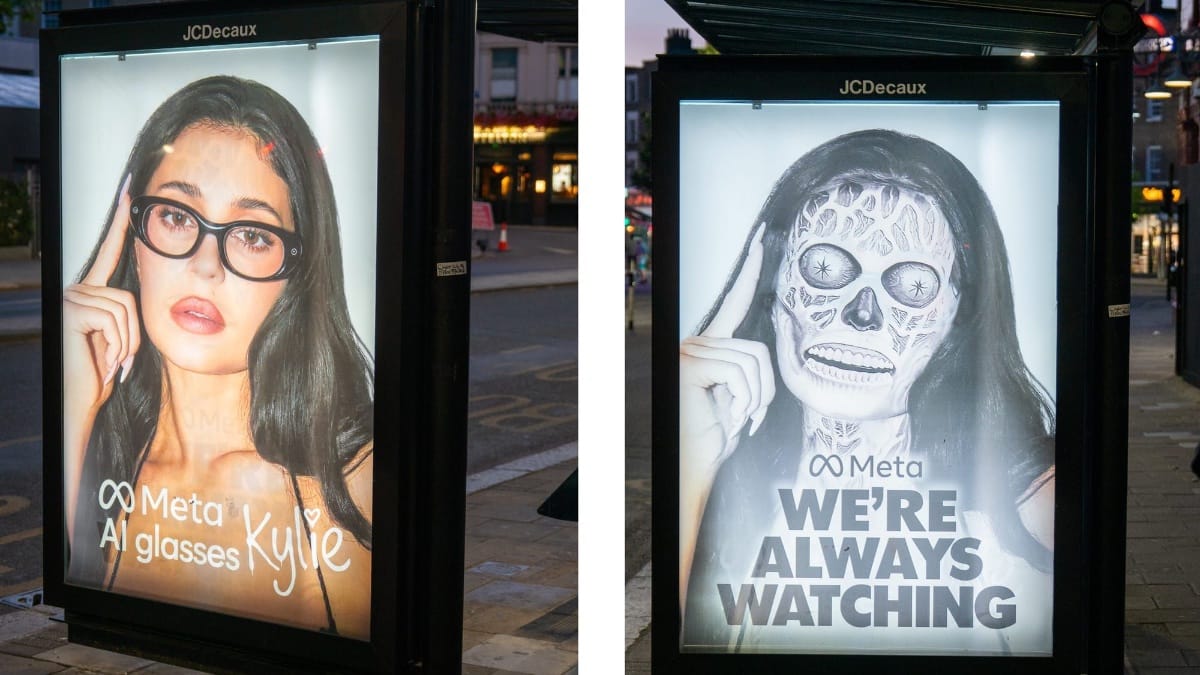
- Present Day: Contemporary artists like Keltie Ferris continue to challenge the "building blocks" of painting, while activist groups utilize guerrilla marketing tactics to critique modern corporate spectacles, such as Meta’s glasses campaign.
Supporting Data and Industry Perspectives
The shift in how we consume culture is reflected in the current market and critical discourse. For instance, the recent Art Issue of Different Leaf—guest-edited by Nick Cave and Bob Faust—demonstrates a growing trend toward interdisciplinary collaboration that blurs the lines between fine art, cultural commentary, and commercial enterprise.
Furthermore, the ongoing fascination with the origins of artistic movements, such as the debate over whether air pollution served as a catalyst for Impressionism, suggests a public hunger for contextualizing art within the environmental and social conditions of its time. This perspective is mirrored in the work of contemporary painters like Keltie Ferris, who focuses on the "gestural compositions" and physical processes of painting, stripping away the myth to focus on the material reality of the studio.
Official Responses and Critical Implications
The implications of these narratives are significant for how we define "American art." Institutions and biographers are moving away from hagiographic portrayals of historic figures, opting instead for a more nuanced look at the motivations—political, financial, and personal—that drove these creators.
Critics have noted that the "myth of the frontier," as embodied by Church, is increasingly viewed through a lens of environmental and colonial critique. Similarly, the collapse of commercial empires like Longaberger has sparked a scholarly interest in how material culture is manipulated to support specific social narratives. The consensus among contemporary critics is clear: the history of American art cannot be separated from the history of American industry.
Conclusion: Looking Forward
Whether it is the monumental landscapes of the 19th century or the mass-produced baskets of the late 20th, the objects we hold up as "American" tell a story of ambition, labor, and identity. As we look at the legacy of artists like Frederic Edwin Church and the critiques offered by writers like Poppy DeltaDawn, we are forced to confront a fundamental question: What does it mean to create in a system that is constantly looking to commodify the result?
The answer, perhaps, lies in the "good craft" that DeltaDawn champions—the work that resists alienation and retains the imprint of the hand that made it. As we continue to navigate the complexities of the 21st-century art world, the challenge remains to find the balance between the spectacle of the "exhibition" and the genuine, human labor that lies beneath the surface of the canvas, the basket, and the screen.
As we move further into the decade, the dialogues initiated by works like Glorious Country and the ongoing, rigorous critiques of our material culture will be essential to understanding not just where we have been, but who we are becoming in the shadow of these long-standing national myths.
 Muslim
 Evan Lee Salim
 Jia Lissa
