

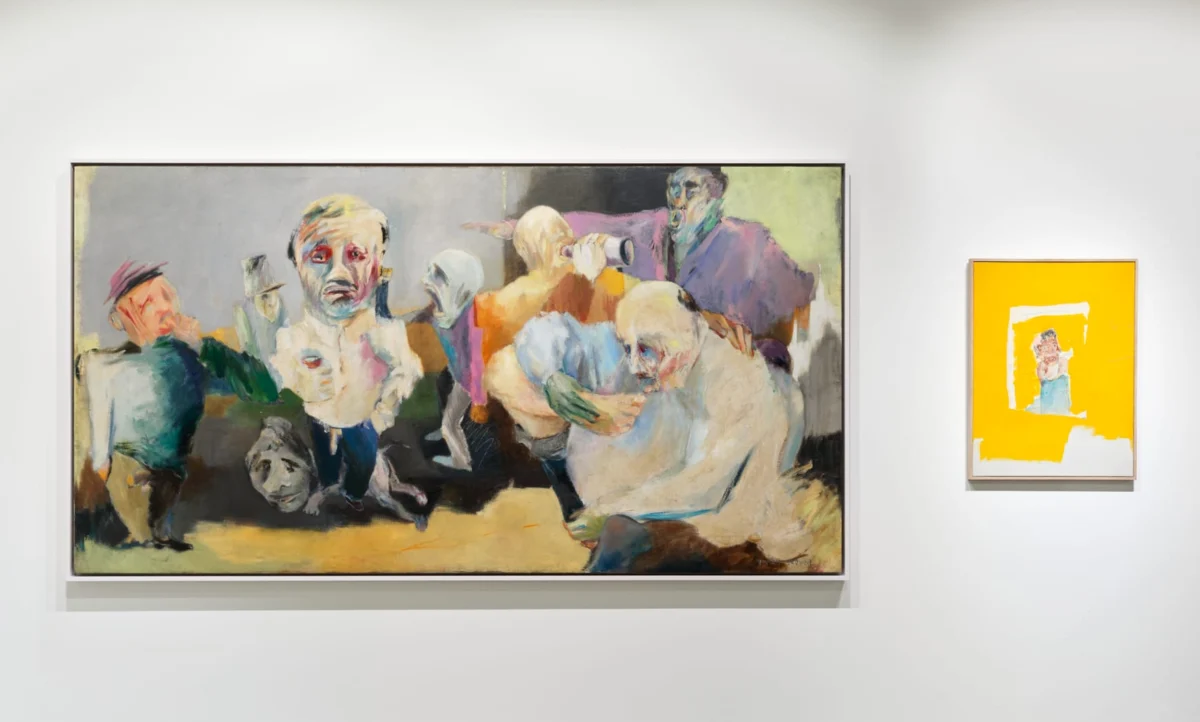
NEW YORK — As the dust settles on a frenetic week of autumn art fairs across New York City, the cultural spotlight has shifted downtown to the New Museum. There, a monumental new survey of work by artist and filmmaker Arthur Jafa has opened to both critical acclaim and fierce intellectual debate.
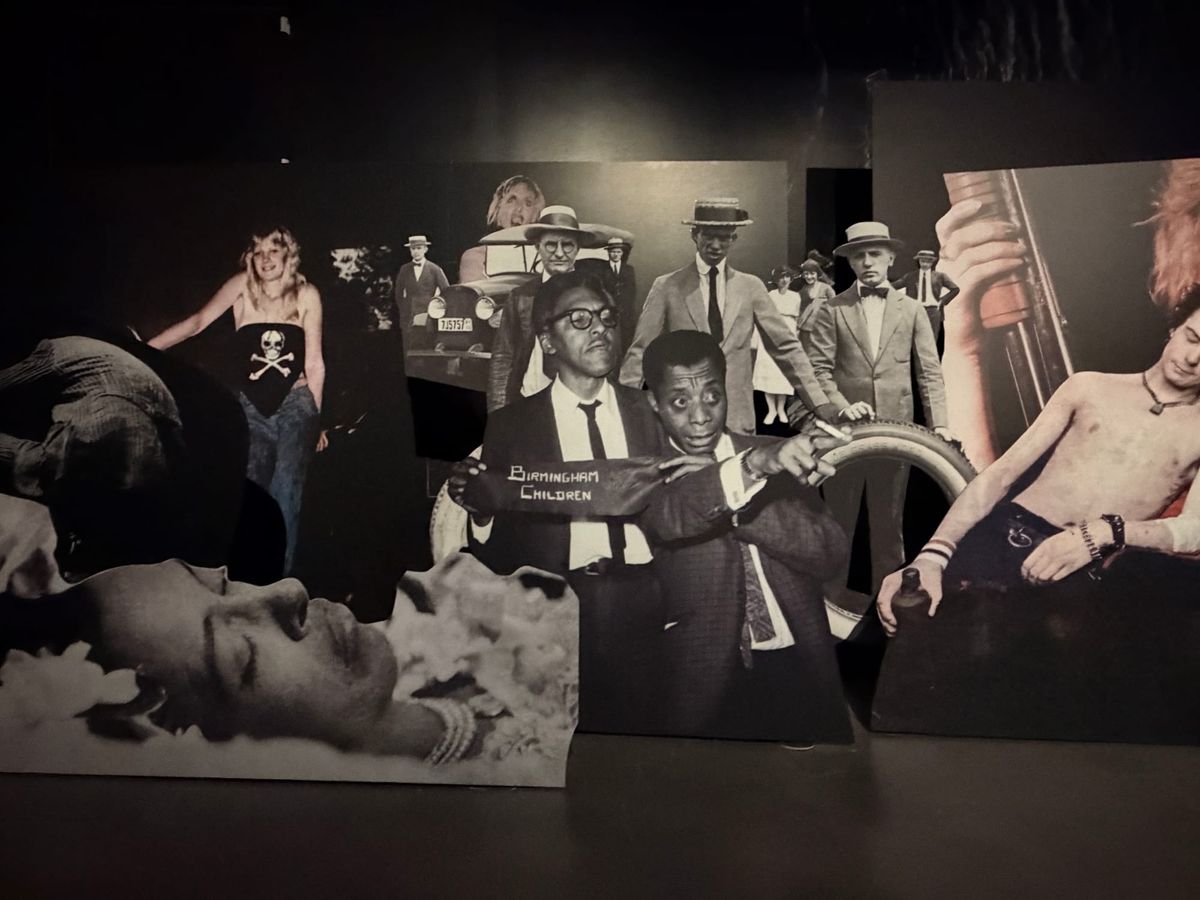
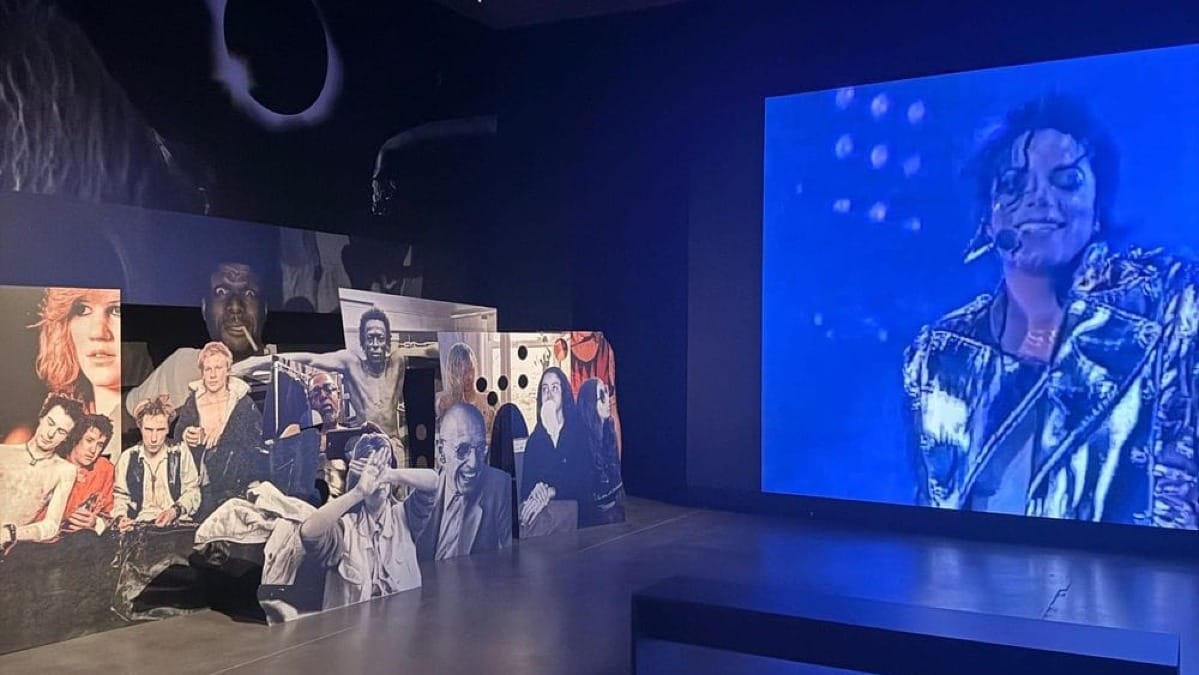
Titled I Am Tony, the sprawling exhibition occupies two full levels of the Lower Manhattan institution, marking the largest institutional presentation of Jafa’s work to date. Comprising iconic video art, conceptual sculpture, and photography spanning four decades, the show offers a sweeping, poetic, and often visceral inquiry into Black culture, religion, virality, political violence, and the complexities of American history.
Yet, even as crowds line up to experience the landmark exhibition, it has ignited a timely and contentious discussion among critics regarding accessibility, esoteric theory, and the true boundaries of contemporary art’s political efficacy.
Main Facts: Inside I Am Tony at the New Museum
Arthur Jafa has long held a reputation as one of the most influential and singular visual artists working today. Best known for his searing video masterworks—such as The White Album (2018)—that weave together found footage from YouTube, police body cameras, historical archives, and pop culture, Jafa’s practice confronts viewers with the stark realities of systemic racism and the fragile majesty of Black survival.
I Am Tony expands on these motifs, stretching across conceptual sculpture and photography. According to the exhibition’s framework, Jafa utilizes a distinct brand of gallows humor, ironizing morbid imagery and elevating the solemnity of "low culture" into high-art discourse.
However, the exhibition’s dense accumulation of signs, symbols, and oblique references has drawn mixed reactions. Writing in a recent critique for Hyperallergic, author and critic Stephanie Wambugu (known for her 2025 book Lonely Crowds) raised probing questions about the exhibition’s communicative limits. Wambugu wondered whether the oblique register of some works ultimately sacrifices broad comprehension, opting instead for “the esoteric, cryptic, and obscure at the expense of something grander.”

Chronology: A Season of Fairs, Retrospectives, and Studio Visits
The opening of Jafa’s survey coincides with the tail end of a notoriously busy fall art season in New York City. The preceding week saw collectors, curators, critics, and artists ricochet across the five boroughs for a massive circuit of international art fairs.
- Mid-September: The city’s major contemporary art fairs—including the Armory Show, Independent 20th Century, the New York Art Book Fair, and the Spring Break Art Show—unveiled their booths, drawing thousands of international visitors.
- Late September: As the fairs concluded, attention pivoted to institutional openings, most notably the debut of I Am Tony at the New Museum.
- Wednesday, September 30: Hyperallergic is set to host a special members-only event featuring exclusive studio visits with artists at the International Studio & Curatorial Program (ISCP) in Brooklyn, continuing a tradition of fostering community engagement among its readership.
- Concurrent Exhibitions: Across the wider cultural landscape, regional museums are staging major career milestones, such as the Delaware Art Museum’s solo presentation of Lisa Bradley’s newest paintings and early works on paper, and The Huntington’s monumental retrospective, Doyle Lane: Master of Clay, dedicated to the influential Los Angeles ceramicist.
Supporting Data and Fair Market Realities
While institutional spaces grapple with weighty theoretical questions, the commercial sector spent the past week navigating the eternal push-and-pull of sales reports, public bravado, and market fatigue.
For industry professionals who spent days working the booths at New York’s autumn fairs, recovery has been the primary order of business. Meanwhile, press coverage of the events highlighted diverse curatorial achievements:
- Independent 20th Century: Staff writer Jasmine Weber spotlighted a poignant tribute to the historical legacy of Black Soho, bringing much-needed historical context to the commercial fair environment.
- The New York Art Book Fair: Associate Editor Lakshmi Rivera Amin reported on the fair’s continuously evolving, fiercely political stance, where independent publishers utilized print media to address global conflicts and systemic injustices.
- Spring Break Art Show: Staff Writer Rhea Nayyar navigated the labyrinthine, curator-driven installations that have become a hallmark of the alternative fair.
- The Armory Show: Reporter Aaron Short tracked high-end market movements, offering a transparent look at what galleries claimed they sold versus the quieter realities of post-fair ledger sheets.
Beyond the temporary tent walls of the fairs, long-term artistic practices continue to thrive away from the spotlight. In the 356th installment of Hyperallergic‘s ongoing series A View From the Easel, artist Lara Saget offered a glimpse into her idiosyncratic workspace—a studio where raw elements like heavy rocks and fragile glass coexist alongside a mini trampoline, serving as a physical reminder of the necessity of play in rigorous artistic production.
Official Responses and Critical Discourse
The release of I Am Tony and concurrent debates surrounding contemporary art criticism have sparked lively commentary from cultural workers, archivists, and theorists.
The conversation around the limits of representation was amplified by recent essays interrogating the fetishization of historical records—most notably a widely discussed piece titled "Archival Art Will Not Save Us." The text challenged the "over-romanticization of archives as infinite sources of liberatory politics," citing activist Salma Mousa’s prudent warning that “we must resist the urge to historicize our struggle before it’s over.”
The article’s critique of the art world’s romance with the archive prompted a witty and grounded response from professional art archivist Lincoln Cushing:
"Archives are sexy, after all, and those who can spew its tenets and extricate its profundities are seen as practitioners of an invisible prophetic labor… I had no idea that the mind-numbing tasks of curating, documenting, researching, and cataloging made me a rock star. I just do it because it’s a crucial and thankless commitment to preserving marginalized yet important voices. My greatest pleasure is seeing the fruit of these archives become source material for new art and interpretation."
Similarly, the ongoing dialogue surrounding Arthur Jafa’s exhibition touches on a raw nerve in contemporary criticism: the tension between populist accessibility and academic obscurity. While Jafa’s champions view his dense collages of Black cultural expression as a necessary subversion of white supremacist visual regimes, critics like Wambugu urge a rigorous reckoning with whether elite art spaces sometimes alienate the very communities whose histories they seek to elevate.
Implications for the Future of Contemporary Art
The juxtaposition of Jafa’s New Museum survey against the backdrop of New York’s commercial art fairs and ongoing debates over archival politics carries significant implications for the art world moving forward:
- The Burden of Representation: As major institutions increasingly task Black artists with carrying the weight of historical, political, and sociological representation, artists like Jafa continue to push back against neat categorization. By embracing dark humor, contradictions, and non-linear narratives, Jafa resists becoming easily digestible token material for institutional redemption.
- The Shift Toward Esoteric Discourse: Wambugu’s critique of I Am Tony raises a red flag that museums and critics must heed: the risk of creating an echo chamber where art speaks only to a specialized caste of theorists rather than engaging a broader public viscera and intellect.
- The Interdependence of Market and Museum: The commercial exhaustion of the NYC art fairs contrasted sharply with the contemplative, heavy atmosphere of the New Museum. This dynamic underscores the dual identity of the art world—one half frantically chasing sales and market trends, the other attempting to anchor cultural memory through difficult, uncompromising exhibitions.
As I Am Tony remains on view through the upcoming months, it stands as both a triumph of scale for Arthur Jafa and a vital touchstone for a community trying to figure out how art, politics, archives, and audiences intersect in an increasingly fractured cultural landscape.
 Neng Nana
 Ali Ikhwan
 Basiran
