

Main Facts
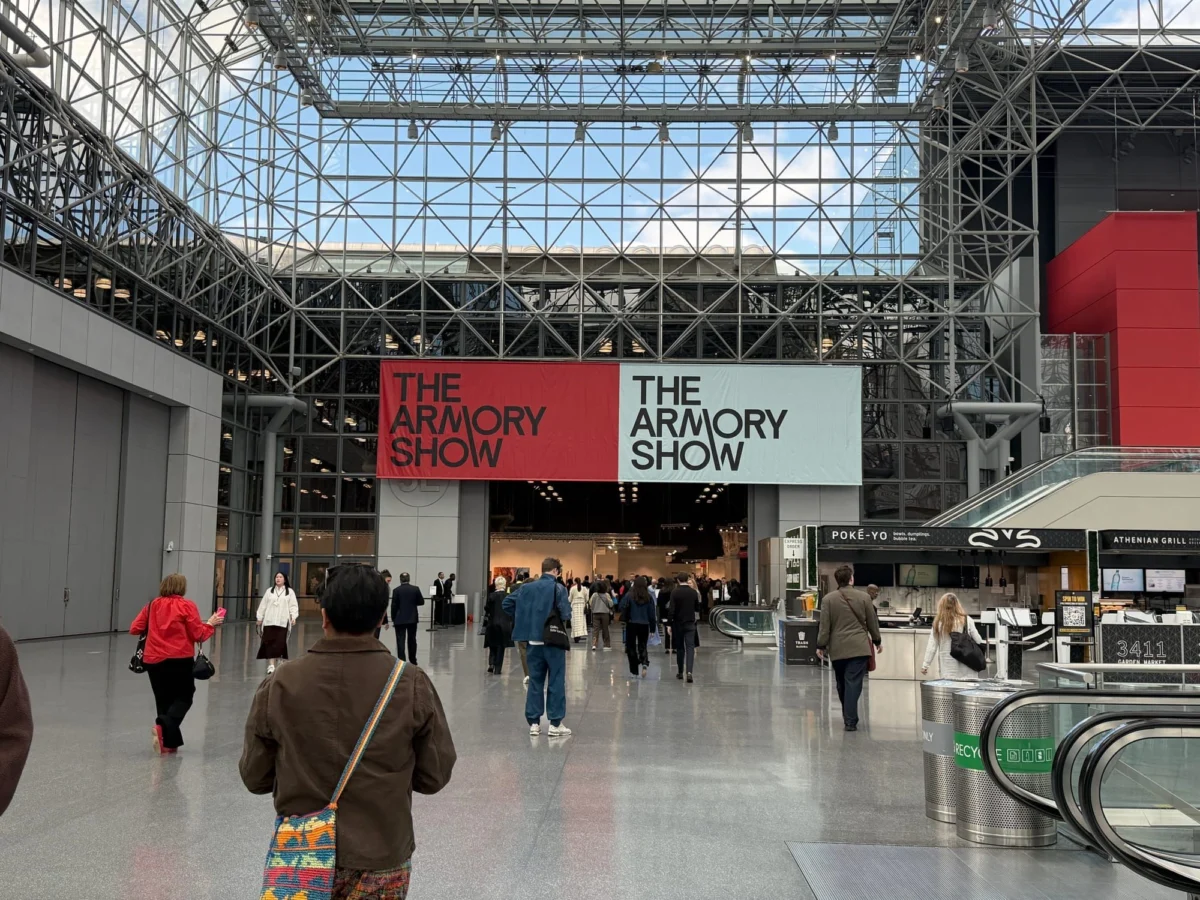
The latest edition of the Armory Show, one of New York City’s premier contemporary art fairs, recently concluded its run at the Javits Center in Manhattan. True to form, the sprawling exhibition space offered its characteristic mix of commercial safety and creative ambition. Reviewers and fairgoers encountered a familiar landscape: a vast expanse featuring a blend of derivative "hotel-lobby art" alongside an endless succession of well-intentioned, albeit predictable, works "exploring identity and memory."
Yet, beneath the polished concrete floors and white-walled booths, a distinct atmosphere hung over the 2026 iteration. Observers noted that the fair felt remarkably quiet, subdued, and downcast. Despite the customary wheeling and dealing of gallerists and collectors attempting to close sales, the energy on the convention floor lacked the frenetic pulse of previous years. In a wry twist of juxtaposition, the financial sector trade show operating on the floor directly below—essentially the same logistical gathering of people and capital, minus the canvases and sculptures—somehow projected a livelier, more raucous atmosphere by comparison.

Amidst the general malaise, the fair’s saving grace resided in its thoughtfully curated special sectors. Chief among them was the Focus section, dedicated exclusively to contemporary art from the Caribbean. Curated by María Elena Ortiz of the Modern Art Museum of Fort Worth, this segment provided the vital creative sparks and memorable standouts that prevented the broader fair from slipping entirely into aesthetic uniformity.
Chronology of the Fair and Curatorial Vision
The Setup and Early Impressions: Arrival at the Javits Center
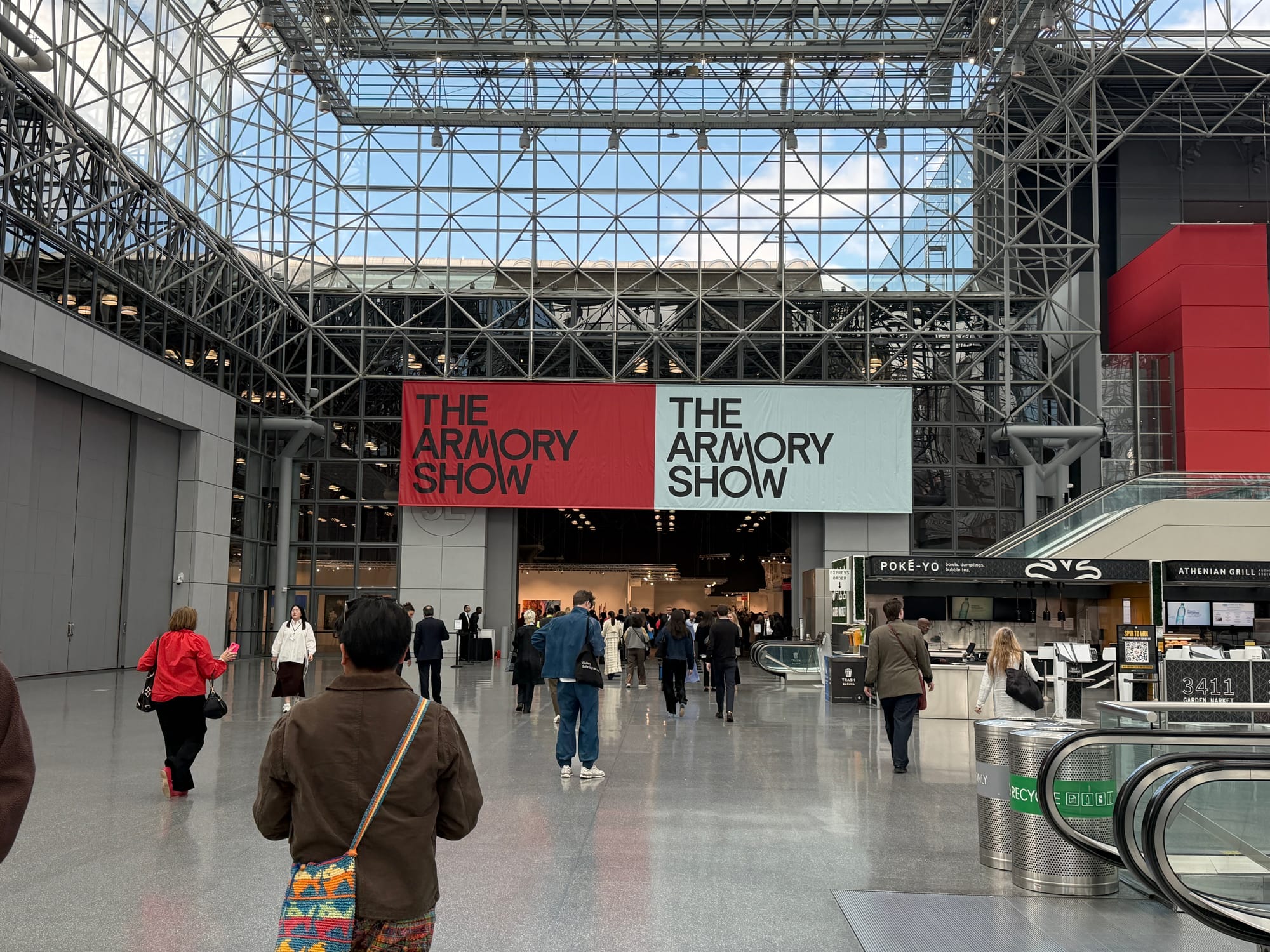
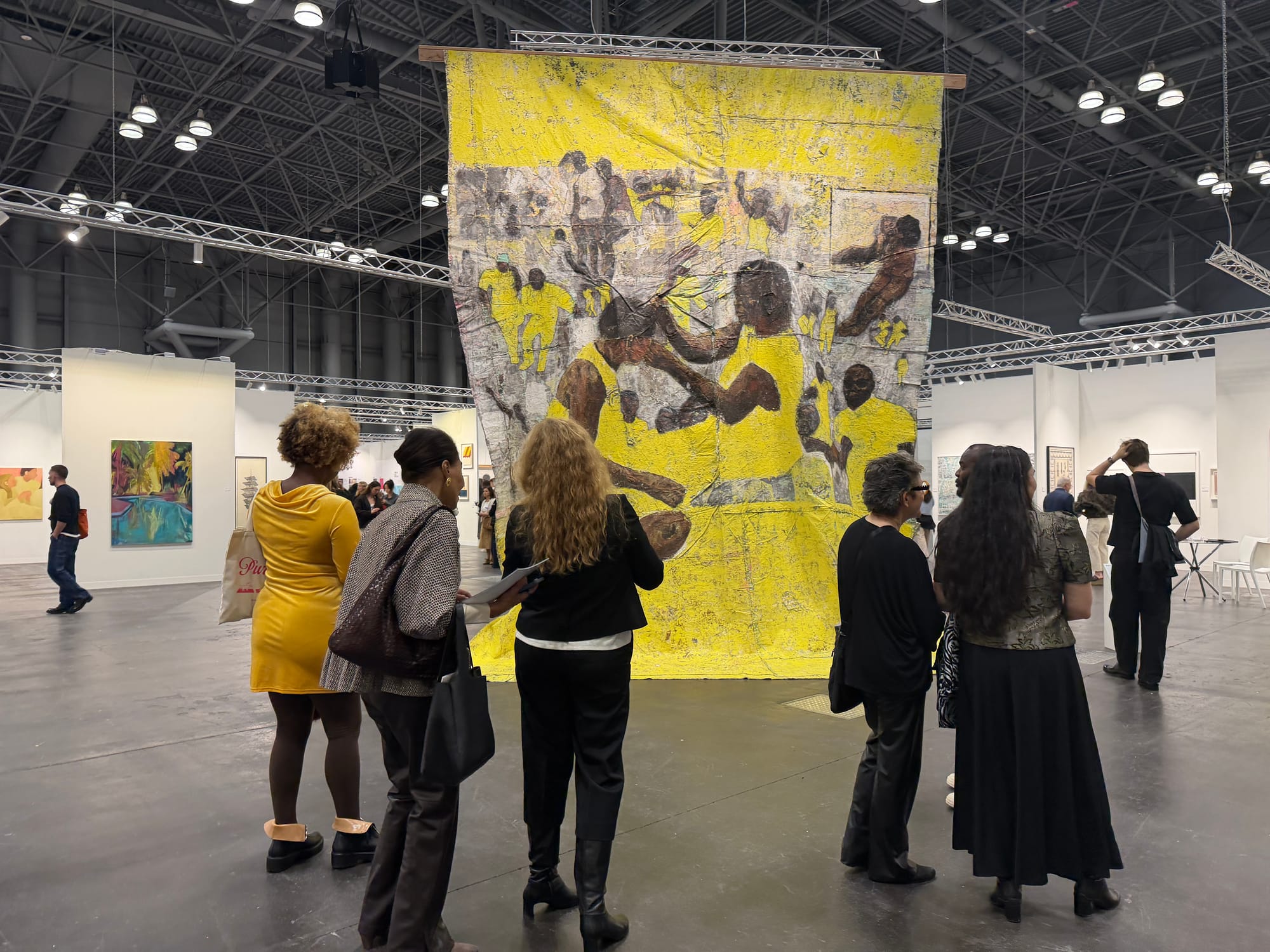
As visitors and press stepped through the cavernous entrance of the Javits Center, the scale of the operation was immediately apparent. The Armory Show continues to occupy a massive footprint, requiring stamina to navigate. However, the initial impressions upon entering the main aisles set a tone of cautious restraint.
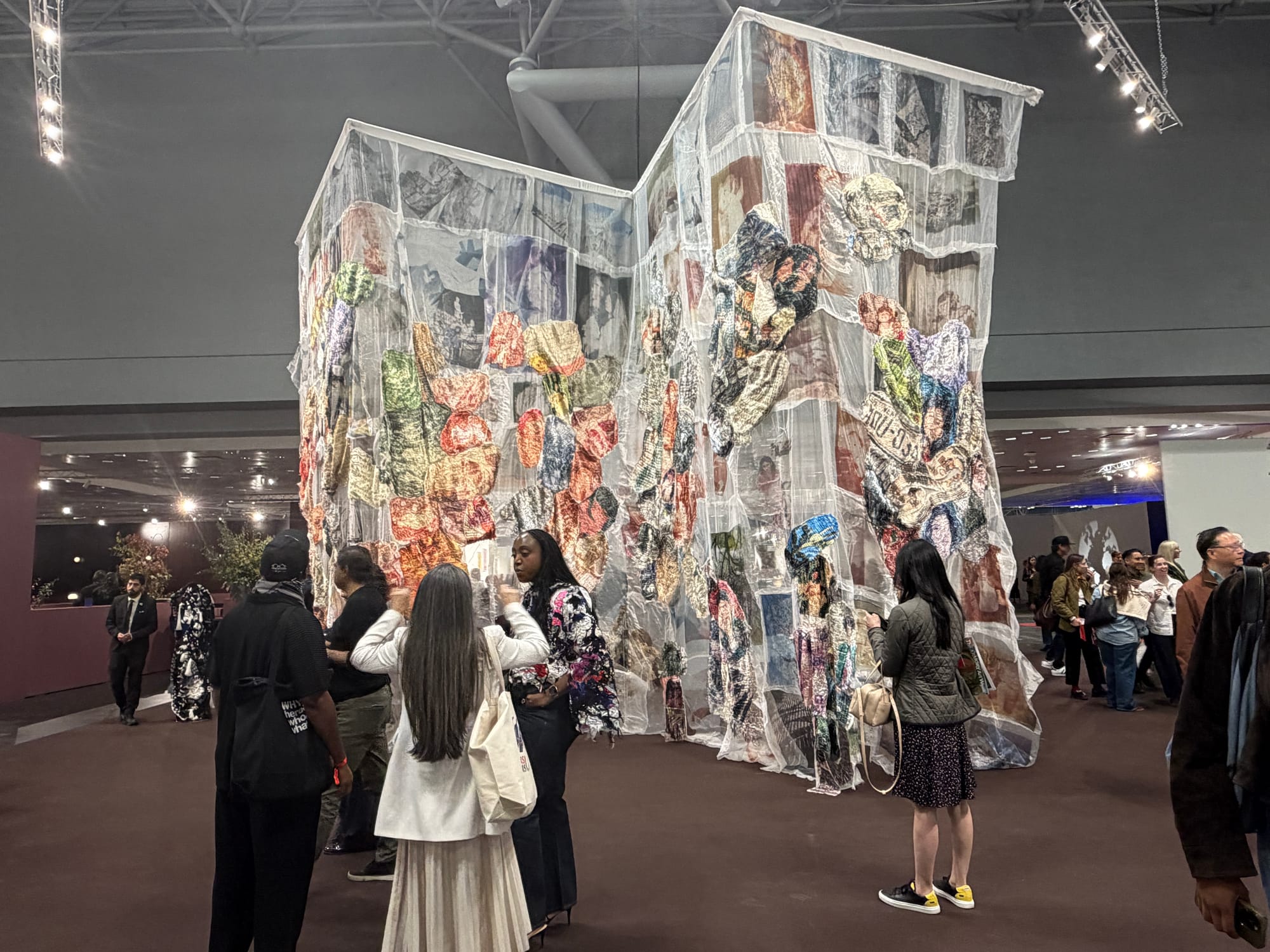
Unlike prior years that boasted splashy, immersive installations designed to immediately capture social media feeds, the early hours of this year’s edition felt muted. Collectors browsed with measured deliberation, and gallery representatives engaged in quiet, hushed conversations rather than high-stakes pitches.
Navigating the Main Aisles: The Standard Fare
As one wandered deeper into the primary sections of the fair, the curatorial throughline became all too familiar. Rows upon rows of galleries presented safe, marketable works. Critics pointed out a fatigue in the market’s reliance on figurative painting and conceptual pieces that lean heavily on didactic wall texts about personal heritage and memory, rather than formal or material innovation.
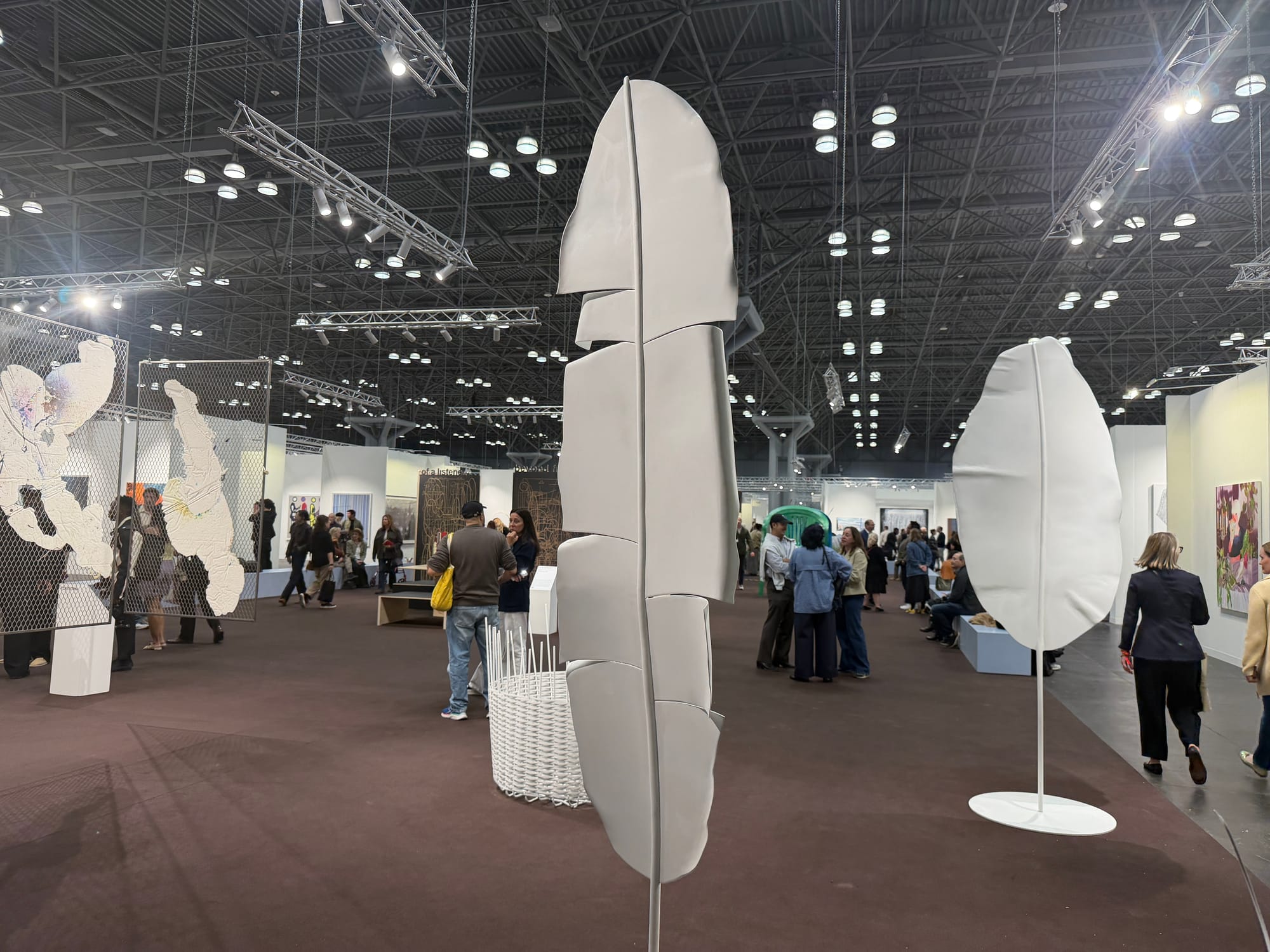
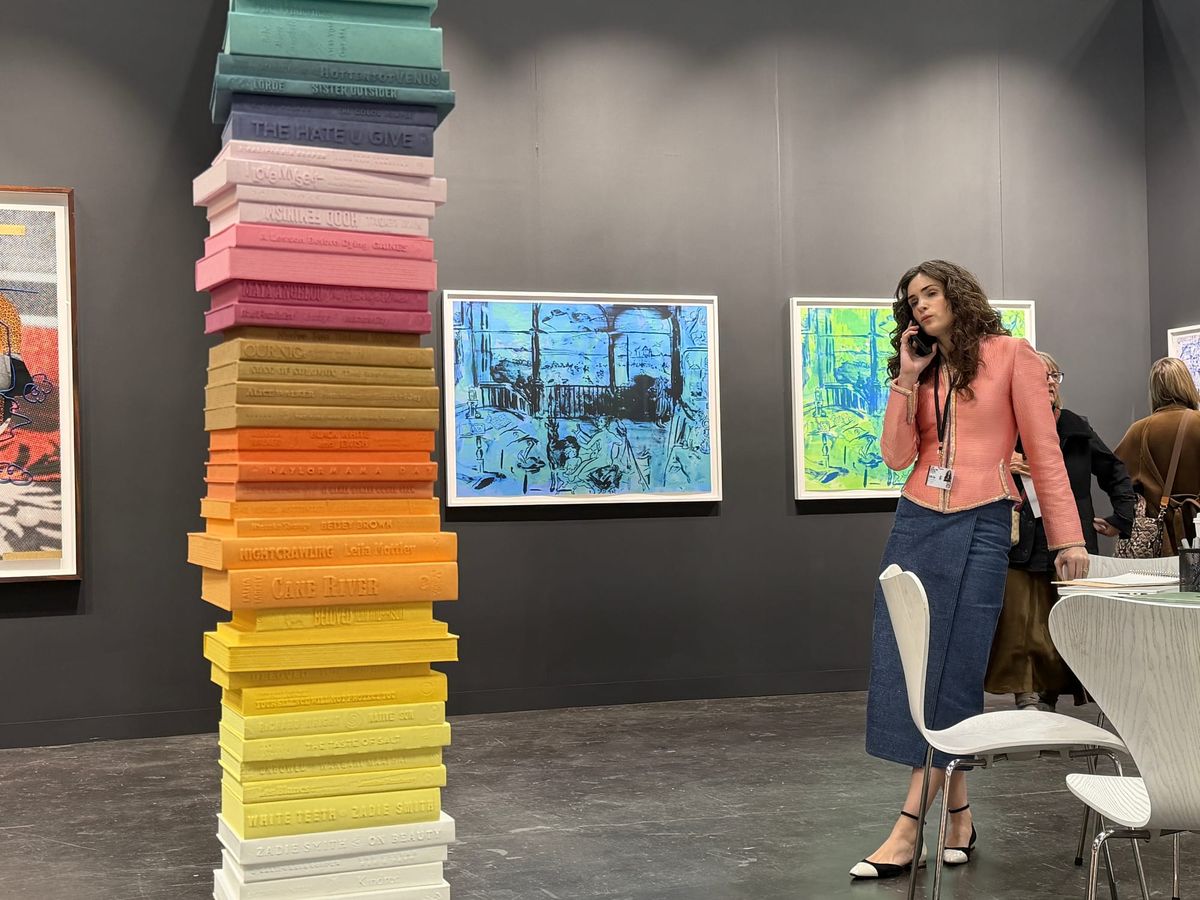
However, pockets of brilliance broke through the monotony. Standout presentations included Mickalene Thomas’s striking sculptural book stack, which offered a sophisticated spatial interplay of literature, identity, and form. Similarly, works like Lisu Vega’s A Momentary Whole (2025) and Kaloki Nyamai’s Tusukane (2023) injected necessary texture and narrative depth into the otherwise formulaic layout.
The Anchor: The Focus Section Curated by María Elena Ortiz
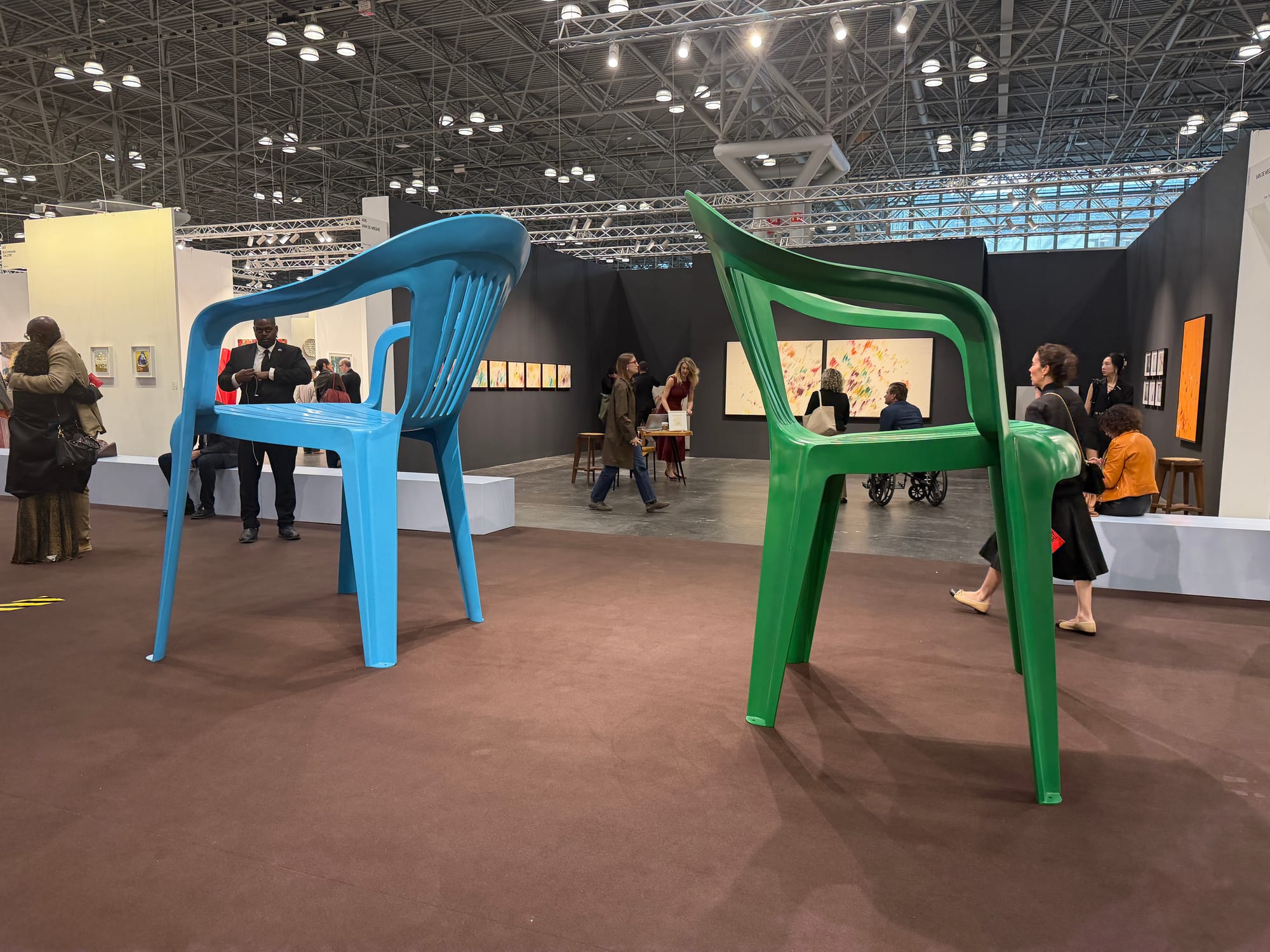
The intellectual and visual core of the fair unmistakably shifted toward the Focus section. María Elena Ortiz brought a rigorous and visionary lens to contemporary Caribbean art, spotlighting diaspora perspectives, ecological anxieties, and complex regional histories without falling into tokenistic tropes.
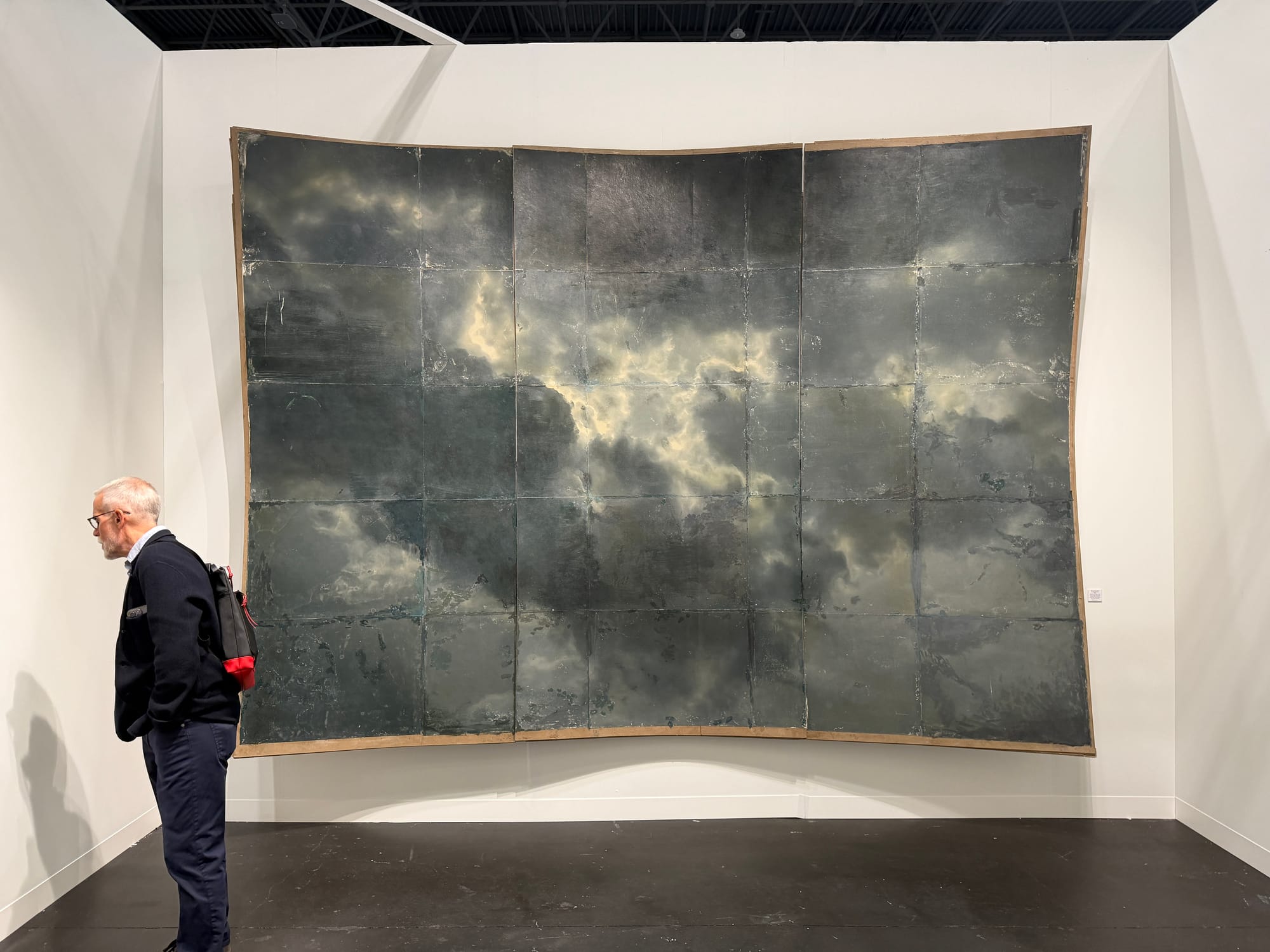
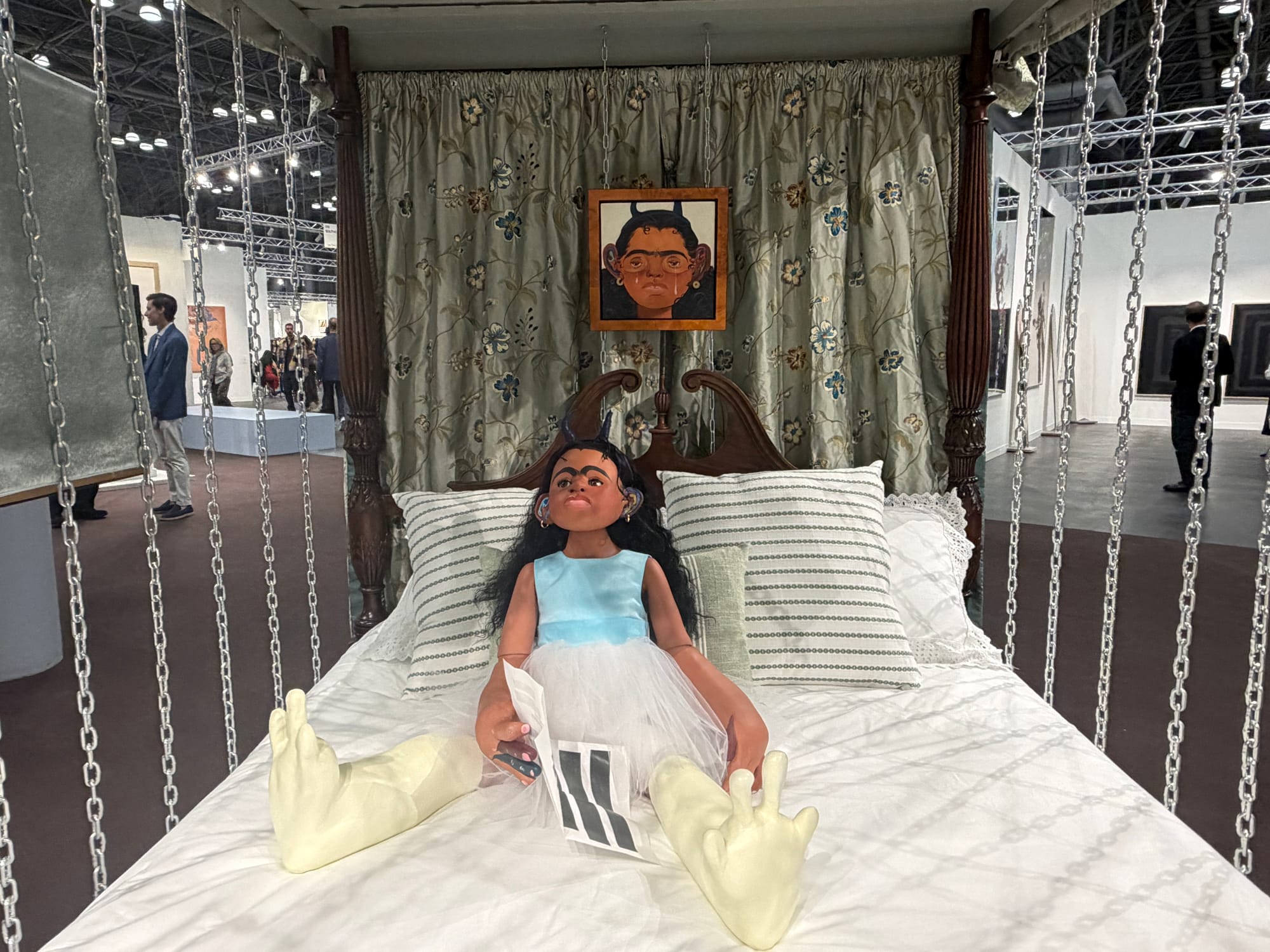
Within this curated enclave, artists shone brightly. Booths presented by operations like Spinello Projects pulsed with energy, featuring powerful works such as Bony Ramirez’s La Carta (2026), Sandra Brewster’s Make Trouble (2024), and Manuel Mathieu’s Shrine (2025). This section demonstrated how localized, culturally rich curatorial frameworks can elevate an otherwise commercial trade fair into a site of genuine artistic discovery.
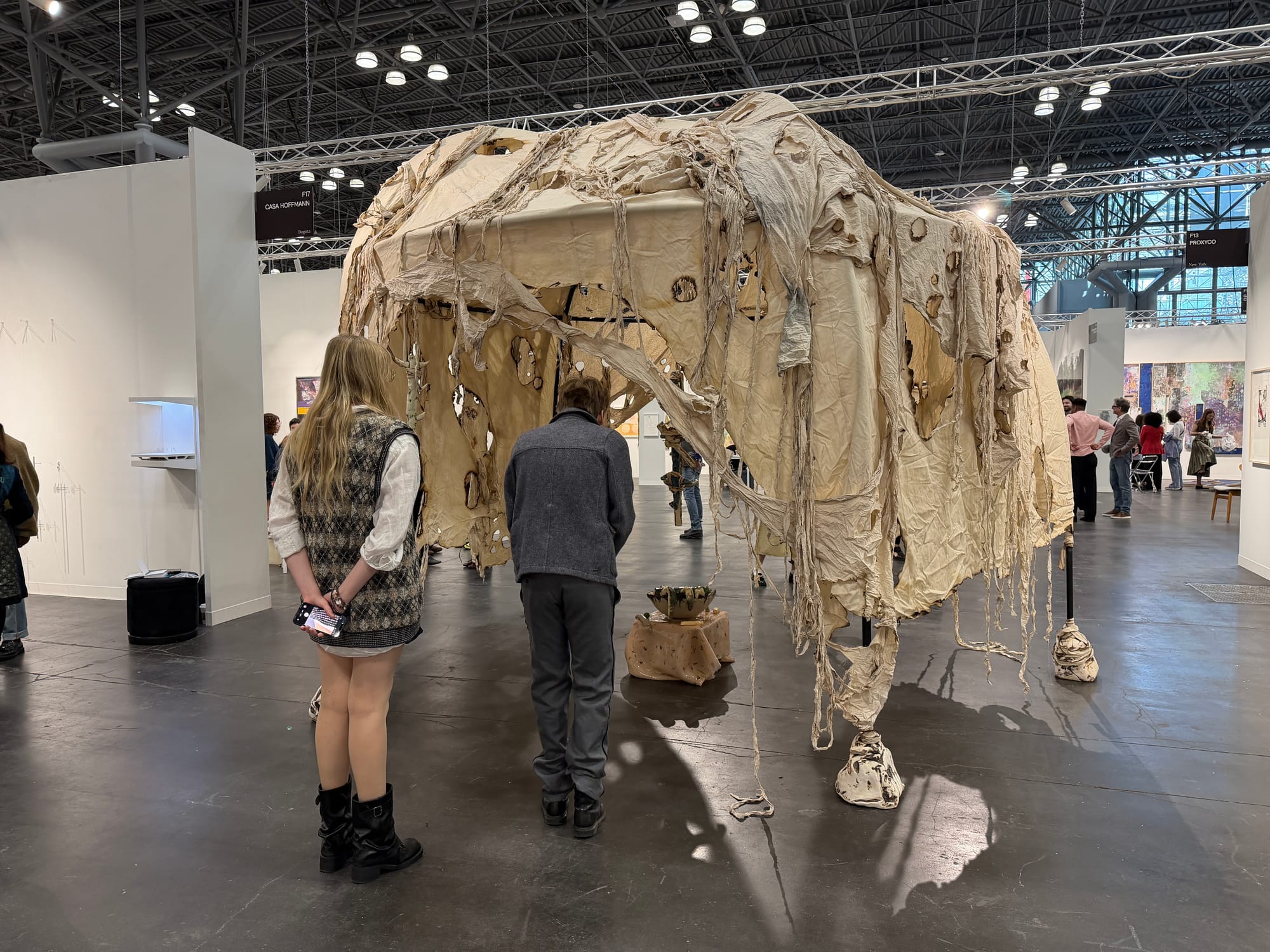
Supporting Data & Visual Highlights
While a contemporary art fair is fundamentally a commercial marketplace, its cultural footprint is measured by the strength of its individual presentations. The 2026 Armory Show featured several notable installations and works that commanded critical attention:
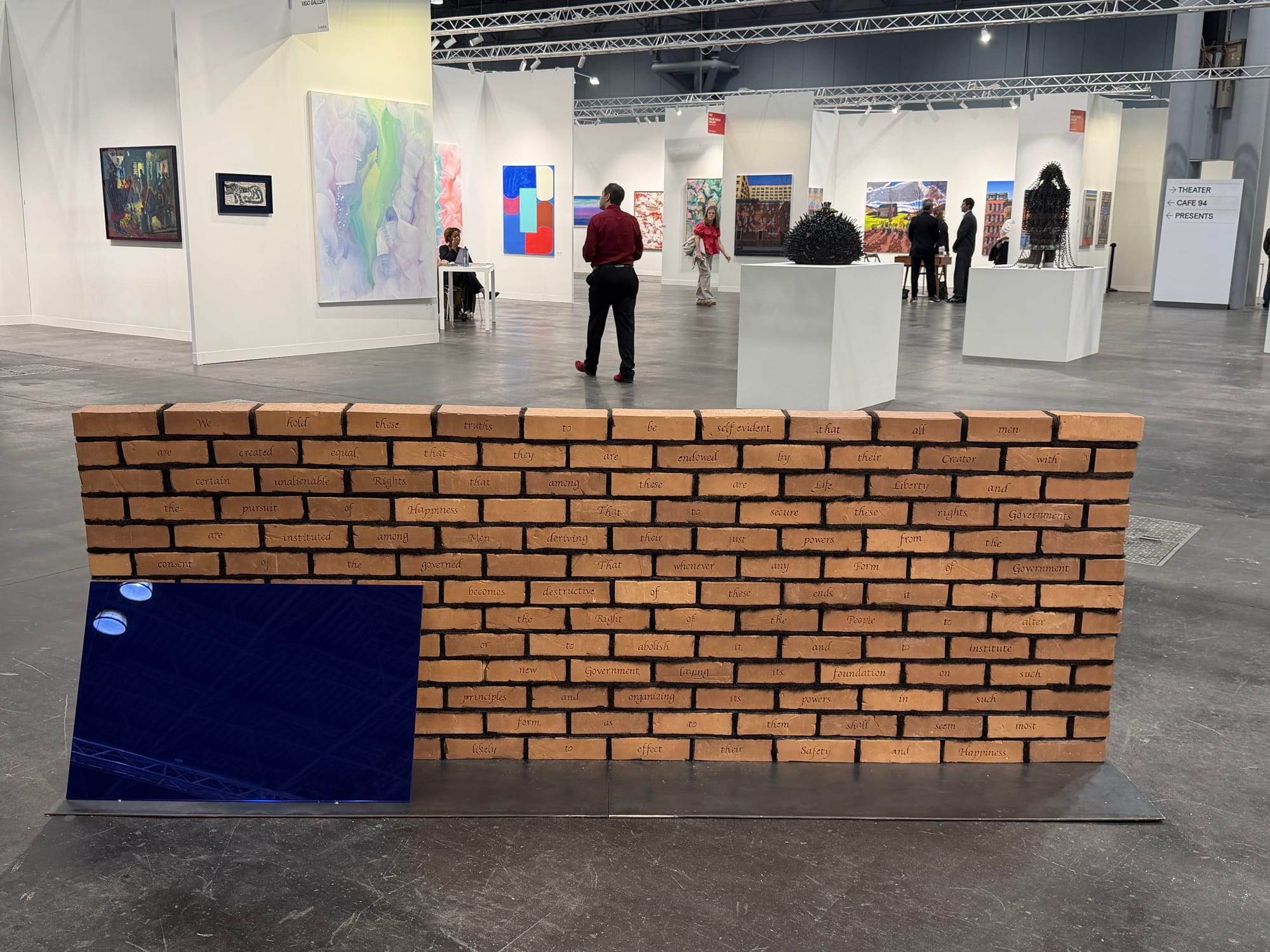
- Sculptural and Textural Innovations: Mickalene Thomas anchored conversations with her commanding sculptural book stack, challenging traditional notions of two-dimensional display. Concurrently, Tamara Kostianovsky presented unsettling yet mesmerizing gutted bird sculptures made from soft fabrics, merging environmental commentary with tactile craftsmanship.
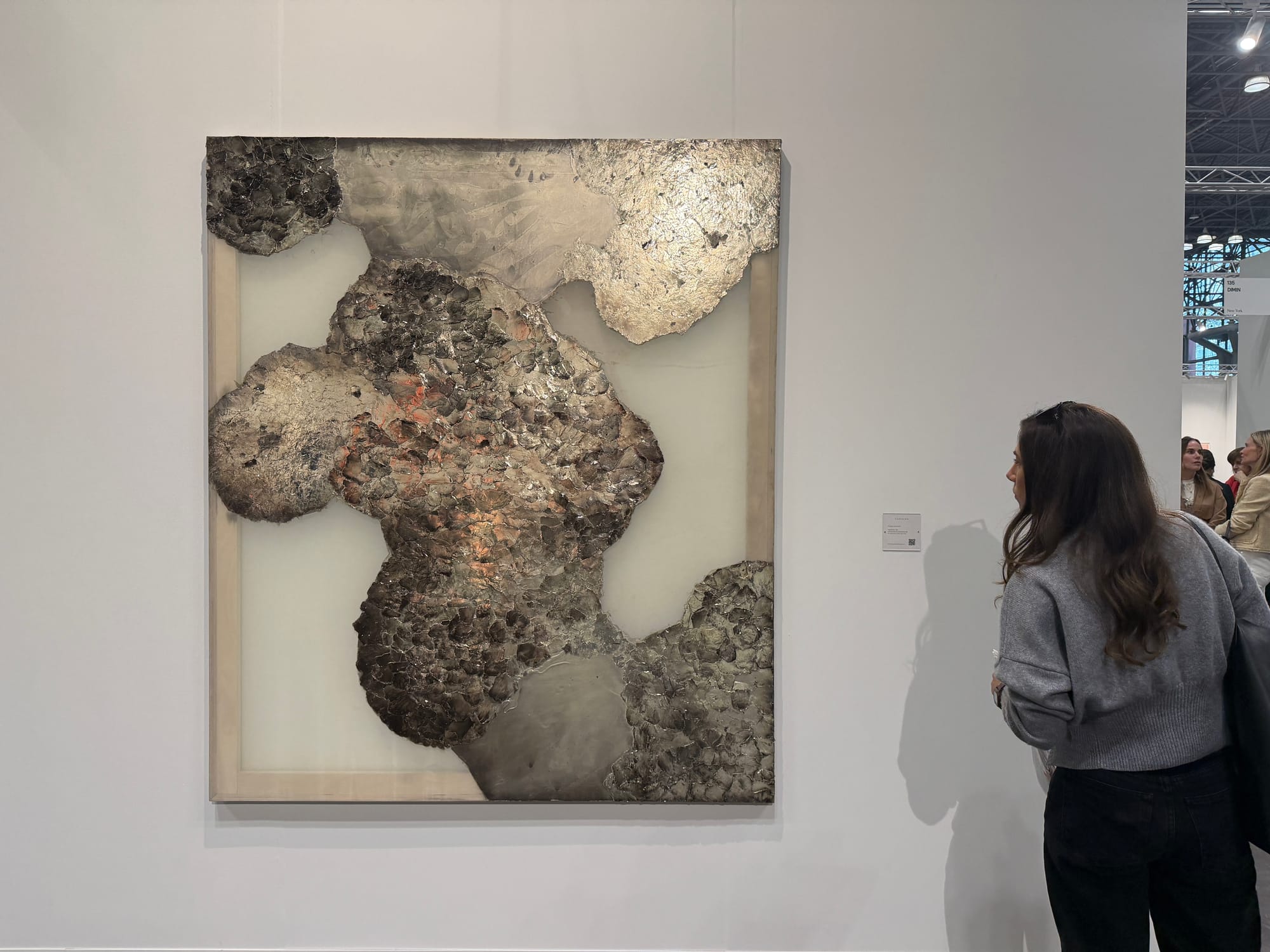
- Textile and Materiality: Artists such as Sonya Clark (Edifice & Mortar, 2018) and Rosalind Tallmadge (Palingenesis, 2026) utilized unconventional materials—ranging from hair combs and thread to crushed minerals and textiles—to construct layered explorations of history and transformation.
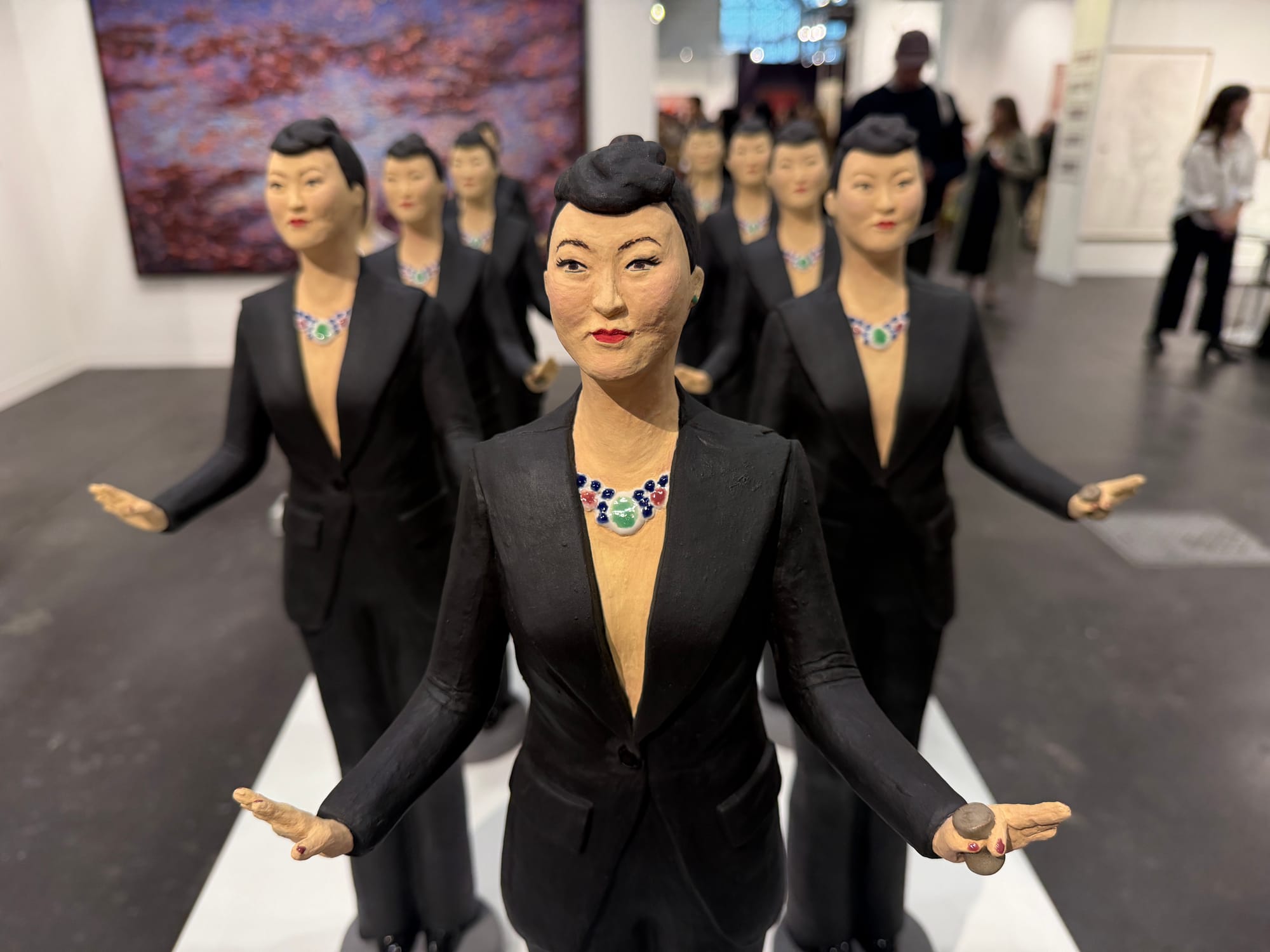
- Figurative Narrative: Painters like Rebecca Ness and Michelle Im (The Auctioneer, 2026) offered sharp, observant commentary on contemporary social dynamics, providing some of the most engaging figurative works on the floor.
- International Wit: True to form, international galleries brought distinct cultural sensibilities; a notable Belgian presentation managed to inject a much-needed sense of humor into an otherwise overly solemn environment.
Official Responses and Market Perspectives
The muted atmosphere of the 2026 Armory Show did not go unnoticed by industry insiders, dealers, and cultural critics.
Art market analysts have pointed to a broader macroeconomic cooling trend affecting global art fairs. Following years of post-pandemic market exuberance—characterized by inflated prices, speculative buying, and a rush of new collectors—the current art economy has entered a period of correction. Gallerists at the fair reported that while serious collectors are still actively buying, the decision-making process has lengthened significantly. Impulse purchases have largely given way to cautious, committee-style acquisitions by private and institutional buyers alike.
Fair organizers and participating dealers have increasingly leaned into institutional partnerships and thematic curation (such as the Focus section) as a strategy to combat market fatigue. By shifting the value proposition from pure speculative commerce to critical curation, fairs attempt to justify their existence to collectors who are becoming increasingly selective about where they deploy capital.
Implications for the Future of Contemporary Art Fairs
The subdued tone of the Armory Show raises critical questions about the sustainability of the traditional mega-fair model:
- The Fatigue of "Safe" Commercialism: When fairs prioritize inoffensive, highly marketable inventory over risk-taking and challenging contemporary discourse, they risk alienating both seasoned critics and adventurous collectors. The repetition of aesthetic tropes—colloquially dismissed as "hotel-lobby art"—signals that galleries are playing it safe to mitigate financial risk in an uncertain economic climate.
- The Triumph of Targeted Curation: The success of the Focus section proves that specialized, intellectually driven curation is the most effective antidote to fair fatigue. Future editions of the Armory Show, and comparable global fairs, may need to integrate rigorous, museum-quality curatorial frameworks across their entire footprints rather than relegating them to specialized zones.
- Macroeconomic Realities and the Art Market: As the boundary between financial trading floors and art trade shows blurs—symbolized by the juxtaposition of the Javits Center’s lower-level financial expo and the upper-level art fair—the art world is forced to confront its financial machinery. The quiet, downcast mood of the 2026 fair suggests that the illusion of an untouchable, perpetually booming art economy has fractured, making way for a more grounded, sober, and perhaps more honest ecosystem moving forward.
 Muslim
 Evan Lee Salim
 Jia Lissa
