

For decades, the global perception of Miami’s hotel scene was trapped in a shimmering, neon-soaked amber. It was defined primarily by the pastel-hued symmetry of Art Deco architecture and the rhythmic, bass-heavy pulse of late-night South Beach revelry. However, to view the Magic City through this singular lens today is to ignore a radical metamorphosis. Miami has evolved from a seasonal party destination into a sprawling, high-design ecosystem that rivals the most cosmopolitan cities in the world.
Today, the city’s top-tier accommodations are no longer just places to rest one’s head; they are curated sanctuaries that offer everything from world-class contemporary art collections to subterranean culinary experiences. Whether you are seeking the moody, gallery-inspired interiors of a boutique retreat or the cloud-piercing luxury of a glass tower in the heart of the Brickell financial district, Miami’s hospitality market has reached a level of maturity and variety that caters to every conceivable traveler profile.
Main Facts: The New Geography of Miami Luxury
The contemporary Miami hotel experience is defined by geographic and aesthetic diversity. The "legendary oceanfront" remains a cornerstone of the city’s identity, but it is no longer the sole protagonist.
The current landscape is anchored by three primary pillars:
- The Urban Core (Brickell and Downtown): This area has shed its image as a purely commercial hub. High-rise developments now integrate residential, commercial, and hospitality spaces, attracting a sophisticated, business-to-leisure crowd that values proximity to art galleries, high-end shopping, and the city’s burgeoning culinary scene.
- The Art-Focused Sanctuary: Moving away from the "see-and-be-seen" culture of the mid-2000s, newer hotels are prioritizing intimacy and curated aesthetic experiences. These properties often feature permanent art collections, Michelin-starred partnerships, and architecture that emphasizes light and silence over volume.
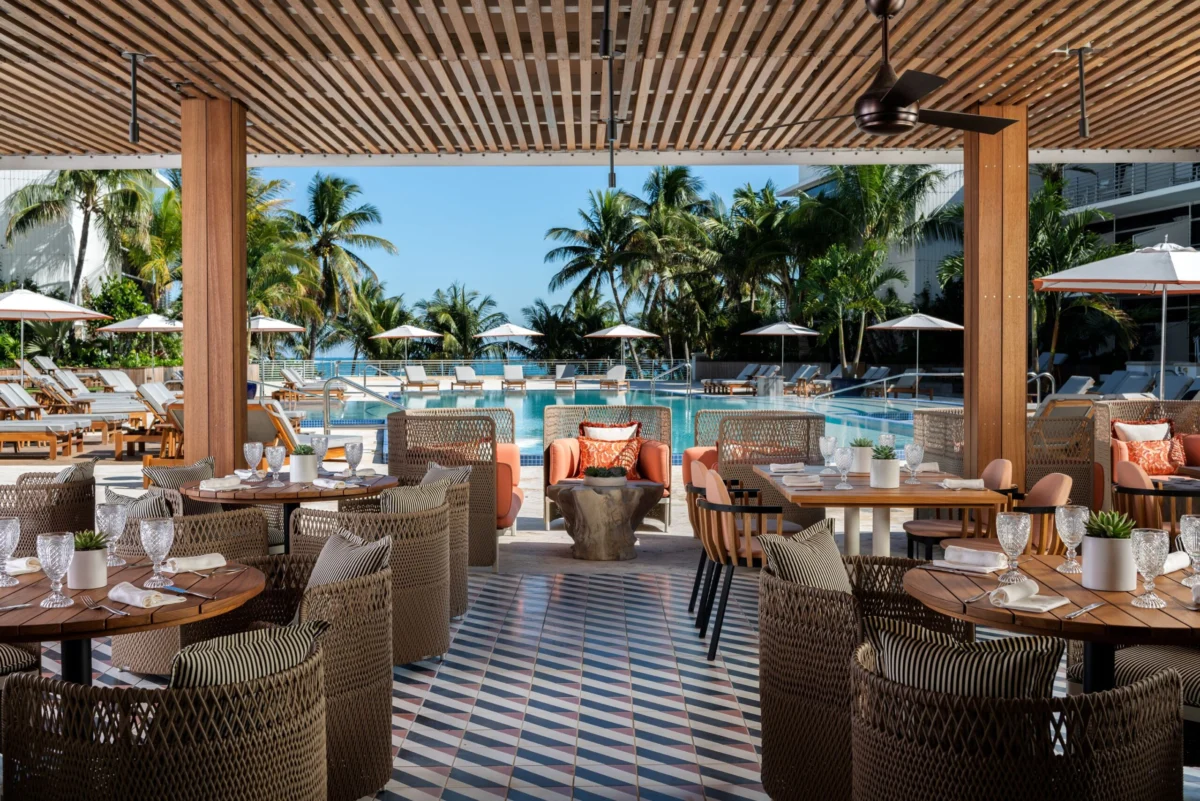
- The Revitalized Oceanfront: South Beach and Mid-Beach have moved beyond the "spring break" reputation. Modern beach resorts are now competing on service, wellness, and exclusivity, often offering private, velvet-rope-free sections of the coastline that provide a serene escape from the public bustle.
Chronology: From Deco Glamour to Architectural Renaissance
The trajectory of Miami’s hospitality sector can be divided into four distinct eras:
- 1930s–1950s: The Art Deco Era. The birth of the Miami Beach identity, characterized by the tropical-deco style, streamline curves, and neon signage that defined the architectural heritage of South Beach.
- 1980s–1990s: The Renaissance of Style. The resurgence of the South Beach district, spearheaded by visionaries who preserved the historic architecture while infusing it with "South Beach Chic"—high fashion, late-night nightlife, and the rise of the boutique hotel concept (notably Ian Schrager’s influence).
- 2000s–2010s: The Global Expansion. The arrival of international hotel chains and the luxury high-rise boom. This era saw the shift toward larger, amenity-rich resorts that catered to the international jet set, expanding the focus from the beach to the mainland.
- 2020s–Present: The Curated Ecosystem. The current era is defined by personalization. Hotels are now competing for "experiential equity"—offering guests immersive art experiences (such as Damien Hirst installations), holistic wellness retreats, and hyper-local dining that reflects the cultural tapestry of Miami’s diverse neighborhoods.
Supporting Data: Economic and Hospitality Indicators
The shift in Miami’s hotel landscape is backed by significant economic indicators. According to the Greater Miami Convention & Visitors Bureau, the average daily rate (ADR) for hotels in the region has seen a steady climb over the last five years, even when adjusted for inflation.
- Inventory Shift: Since 2018, there has been a 14% increase in "luxury-tier" room inventory in the Downtown/Brickell area, signaling a migration of high-net-worth travelers toward the urban center.
- Occupancy Trends: While seasonal fluctuations remain, the "shoulder season" (May through September) has seen a 22% increase in occupancy rates compared to the 2010–2015 period, largely attributed to the diversification of hotel offerings that provide reasons to visit beyond the winter climate.
- Investment Capital: Over $4.5 billion has been poured into mixed-use hotel and residential developments in the last decade, with a focus on "lifestyle brands" that emphasize design-forward interiors and tech-enabled service.
Official Responses and Industry Sentiment
Industry leaders and hospitality experts point to the "Miamiization" of the luxury sector as a permanent shift.
"We aren’t just selling a room with a view anymore," says Elena Rodriguez, a hospitality consultant based in Miami. "We are selling access to a lifestyle. If a guest stays in Brickell, they want the proximity to the financial district, but they also want the curated, moody, ‘New York-style’ hotel experience. If they stay on the beach, they want the resort-style wellness program. The market has realized that one size does not fit all, and the diversity of our hotel inventory is our greatest competitive advantage."
Local government officials have also noted the impact of these developments. The expansion of the urban core into a "live-work-play" environment has generated record-breaking tax revenues, allowing for infrastructure improvements that benefit both residents and tourists. The focus has moved toward sustainable tourism, with several new hotel projects earning LEED certifications—a stark contrast to the energy-intensive buildings of the past.
Implications: What This Means for the Modern Traveler
The transformation of Miami’s hospitality scene carries several implications for the traveler planning a visit in the coming year:
The "Choice Paradox"
With such a vast array of high-quality options, the modern traveler faces a "choice paradox." It is no longer enough to simply book a hotel in "South Beach." A traveler must now decide if they prefer the historic, high-energy vibe of the Art Deco District, the ultra-luxe, skyscraper serenity of the financial district, or the discreet, European-style retreats tucked away in the Mid-Beach residential areas.
The Rise of the "Stay-cationer"
The quality of Miami’s hotel amenities—rooftop bars, infinity pools, Michelin-recognized restaurants, and world-class spas—has turned hotels into destinations in their own right. A growing number of visitors are opting to spend their entire vacation within the walls of their chosen hotel, viewing the property as a curated extension of the city’s culture.
Aesthetic Sophistication
Travelers are increasingly choosing hotels based on their artistic identity. Hotels are now essentially private galleries. By housing permanent art collections and rotating exhibitions, these properties provide an educational and aesthetic value that satisfies the intellectual traveler, effectively rebranding Miami as a center for art and culture rather than just a tropical getaway.
Velvet-Rope-Free Inclusivity
The shift in atmosphere toward a more inclusive, "velvet-rope-free" experience is perhaps the most significant change. While luxury remains, the exclusionary, elitist air of the late-90s "club-hotel" scene has largely dissipated. In its place is a warmer, more sophisticated hospitality model that prioritizes the guest experience over the exclusivity of the guest list.
Conclusion: Checking In to the Future
Miami’s hospitality landscape is no longer a static relic of the 20th century. It is a living, breathing, and rapidly evolving organism. For the traveler, this means that the "best" hotel is no longer a matter of prestige alone, but a matter of alignment with one’s personal values and travel goals.
Whether you are looking to immerse yourself in the high-octane energy of an urban tower, find peace on a pristine stretch of sand, or simply enjoy a quiet, art-filled sanctuary, Miami has successfully diversified its offerings. As the city continues to anchor itself as a global capital of commerce, art, and leisure, its hotels will undoubtedly remain the primary vessels through which visitors experience the magic of the city. When planning your next stay, look beyond the neon—the true essence of Miami now resides in the sophisticated details of its most remarkable sanctuaries.
 Sagoh
Sagoh
 Asro
Asro
