

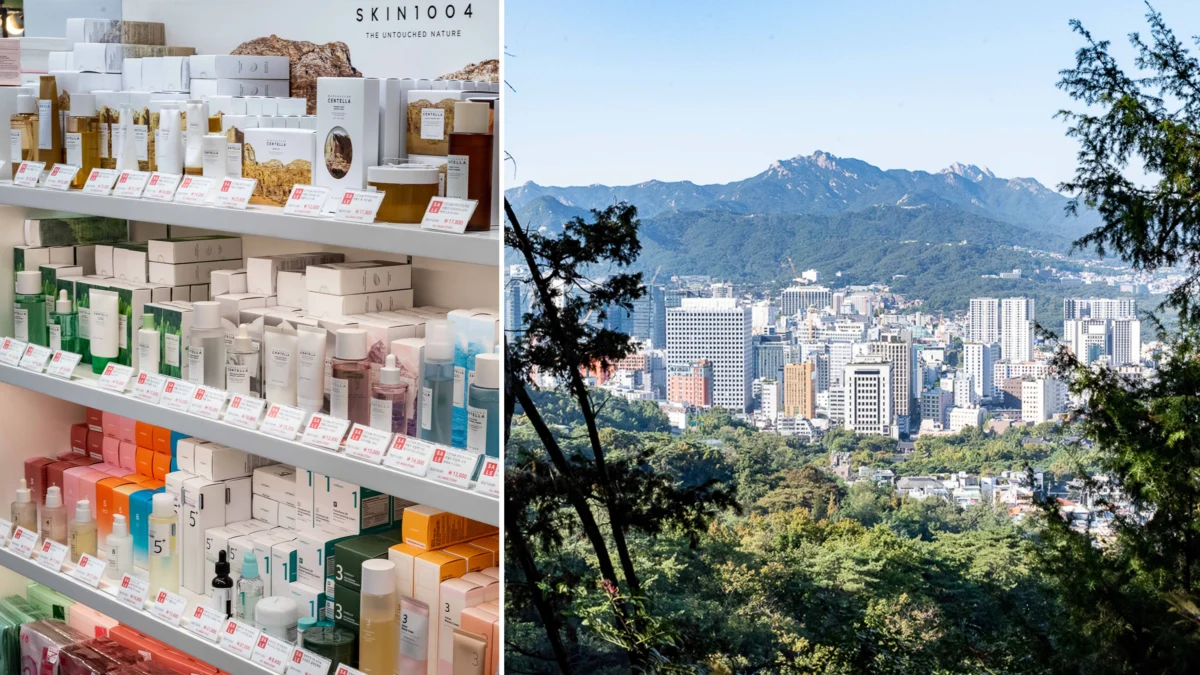
If you had told me, as a 13-year-old half-Korean girl growing up in Canada, that the skincare products lining my mother’s vanity would one day become the aesthetic blueprint for the entire world, I would have been skeptical. Yet, two decades later, the "Korean Wave"—or Hallyu—has reached a crescendo. It is no longer just about K-pop idols or K-dramas; it is a lifestyle that has permeated every corner of the globe, from the expansion of the retail giant Olive Young into North America to the ubiquity of kimbap in Western grocery aisles.
However, the true epicenter of this phenomenon remains Seoul, a city that has transformed itself into the undisputed global capital of medical aesthetics. In the first quarter of 2026 alone, South Korea recorded over 6 million foreign visitors, many of whom arrived not just for the ancient palaces or the vibrant food scene, but to secure the "glass skin" aesthetic that dominates social media feeds.

The Data Behind the Glow: A Surge in Medical Tourism
The scale of this industry is staggering. Last year, official government data revealed that 1.3 million international travelers visited South Korea specifically for dermatology treatments, with another 233,000 seeking plastic surgery. This isn’t merely a trend; it is a sophisticated, high-tech industry offering world-class care at a fraction of the cost found in the United States or Europe.
For many, the pilgrimage is driven by a desire for non-invasive, age-defying procedures. From high-intensity focused ultrasound (HIFU) to advanced exosome therapies, Korea’s clinics are at the bleeding edge of medical innovation. Yet, as the industry grows, so does the complexity of navigating it. For the uninitiated, the sheer volume of "factory-style" clinics can be overwhelming—and potentially hazardous.

Chronology of a Beauty Pilgrimage: A Personal Journey
My own journey to the heart of this industry was twofold. I first scouted Seoul’s aesthetic landscape in 2024, but given the rapid pace of development in the field, I returned this year to track the latest advancements. After six weeks of immersing myself in clinical environments and interviewing industry leaders from both Seoul and New York, it became clear that the "when in Rome" approach to beauty requires more than just a passport and a credit card.
Phase 1: The Consultation and Selection
Choosing the right clinic is the most critical step in the process. Dr. Eunice Park, founder of AIREM, a leading medical aesthetic spa in New York, emphasizes the importance of objective setting. "Start by identifying your goals: do you want lasers, injectables, regenerative treatments, or surgery?" she advises. For those who lack a clear roadmap, she suggests avoiding "factory" clinics that offer one-size-fits-all, suspiciously low-priced packages.

Erica Choi, the founder of Superegg skincare and a renowned esthetician, suggests looking for the term uiwon (의원) in a clinic’s name, which serves as a badge of a licensed medical facility. "Specialist is not the same as a board-certified dermatologist," warns Dr. Chang Sik Kim of Chang Dermatology. He notes that the most trustworthy practitioners are those who have undergone years of rigorous, specialized training.
Phase 2: Strategic Sequencing
The "Korean way" of approaching beauty is rarely about a single procedure; it is about the "stacking" of treatments. However, this must be done with surgical precision. Dr. Joon Lee of DOD Dermatology notes that the golden rule is to perform energy-based devices (like lasers or ultrasound) before injectables.

"The ultrasound stimulates deep collagen production, while the skin booster provides immediate hydration," he explains. Yet, he cautions against over-treatment. Sequencing is key: getting multiple inflammatory treatments in a single day can lead to unnecessary trauma to the skin barrier.
Expert Perspectives: The Ethics of Aesthetic Tourism
The consensus among the experts I interviewed is one of cautious optimism. The industry is highly regulated, but the responsibility ultimately falls on the traveler.
.jpg)
Dr. Kwangyeol Lee, director of the Diore Clinic, insists that an in-person consultation is non-negotiable. "Even if the clinic charges an upfront fee, it is the best investment you can make to ensure your unique facial anatomy is respected," he says.
When it comes to the language barrier, the experts were unanimous: do not rely solely on translation apps for medical discussions. "Google Translate is fine for casual questions," says Dr. Joon Lee, "but relying on it to discuss medical history, pain tolerance, and long-term goals can lead to dangerous misunderstandings." He recommends utilizing certified medical tourism coordinators through the Korea Health Industry Development Institute (KHIDI) or hiring a private translator who is familiar with medical terminology.

Implications: The Holistic Turn
One of the most profound lessons I learned during my time in Seoul is that beauty is not merely a superficial pursuit; it is viewed as an extension of internal health. In Korea, the philosophy of ohaeng—the balance of colors and elements in food—is applied to recovery.
Post-treatment, practitioners often prescribe specific, nutrient-dense diets. For instance, samgyetang (ginseng chicken soup) is frequently recommended for its immune-boosting properties, while miyeok-guk (seaweed soup) is championed for its high mineral content, essential for tissue repair.

Furthermore, the integration of traditional wellness is becoming a major component of the tourism experience. Luxury hotels like the Four Seasons Seoul are now partnering with premium skincare brands like Sulwhasoo to offer "holistic retreats" that combine clinical procedures with traditional herbal spas (hanbang). This shift highlights a departure from the "pain for beauty" model of the past toward a more sustainable, wellness-oriented approach.
Final Recommendations for the Future Traveler
As I sat on my 14-hour flight back to JFK, observing fellow travelers with fresh-out-of-treatment faces, I felt a sense of relief that I had prioritized recovery time. The most effective strategy I adopted was the simplest: I stopped treating the trip like a medical sprint and started living like a local.

Key Takeaways for Your Next Trip:
- Prioritize Credentials: Look for board-certified dermatologists and confirm the facility is a licensed uiwon.
- Translate Properly: Hire a professional medical translator if you have complex requirements.
- Mind the Sequence: Plan your energy-based procedures well ahead of your flight, and allow for proper recovery days where you avoid heat and active ingredients.
- Embrace Local Wellness: Use your recovery time to enjoy the city’s culture—visit a hanok café, enjoy traditional medicinal teas, and allow your body to rest in a non-clinical environment.
- Plan for Contingencies: Have a post-operative plan in place. Know who you will contact if you experience complications once you are back home.
The rise of South Korea as a beauty destination is a testament to the nation’s innovation and its cultural obsession with self-care. However, the true "glow" comes not just from the procedures themselves, but from the mindful, informed, and balanced approach you bring to the experience.
.jpg)
Disclaimer: Condé Nast Traveler does not provide medical advice, diagnosis, or treatment. Any information published on this website or by this brand is not intended as a substitute for medical advice, and you should not take any action before consulting with a qualified healthcare professional.
 Asro
Asro
 Siti Muinah
