

The delicate ecosystem of the contemporary art market relies heavily on a foundation of professional trust—the tacit understanding that a gallery acts as a steward, protector, and representative of an artist’s creative output. However, that foundation has been severely shaken in South Africa following a series of explosive allegations leveled against SMAC, a prominent international gallery based in Cape Town.
The dispute, which has spilled from private legal correspondence into the public arena of social media, centers on allegations of withheld artworks, delayed payments, and a systemic lack of transparency regarding the provenance and location of pieces. At the heart of this controversy is renowned South African artist Kate Gottgens, who, after a 13-year partnership with the gallery, has publicly accused SMAC of failing to account for her work and dragging its feet on financial obligations.
The Catalyst: A Social Media Reckoning
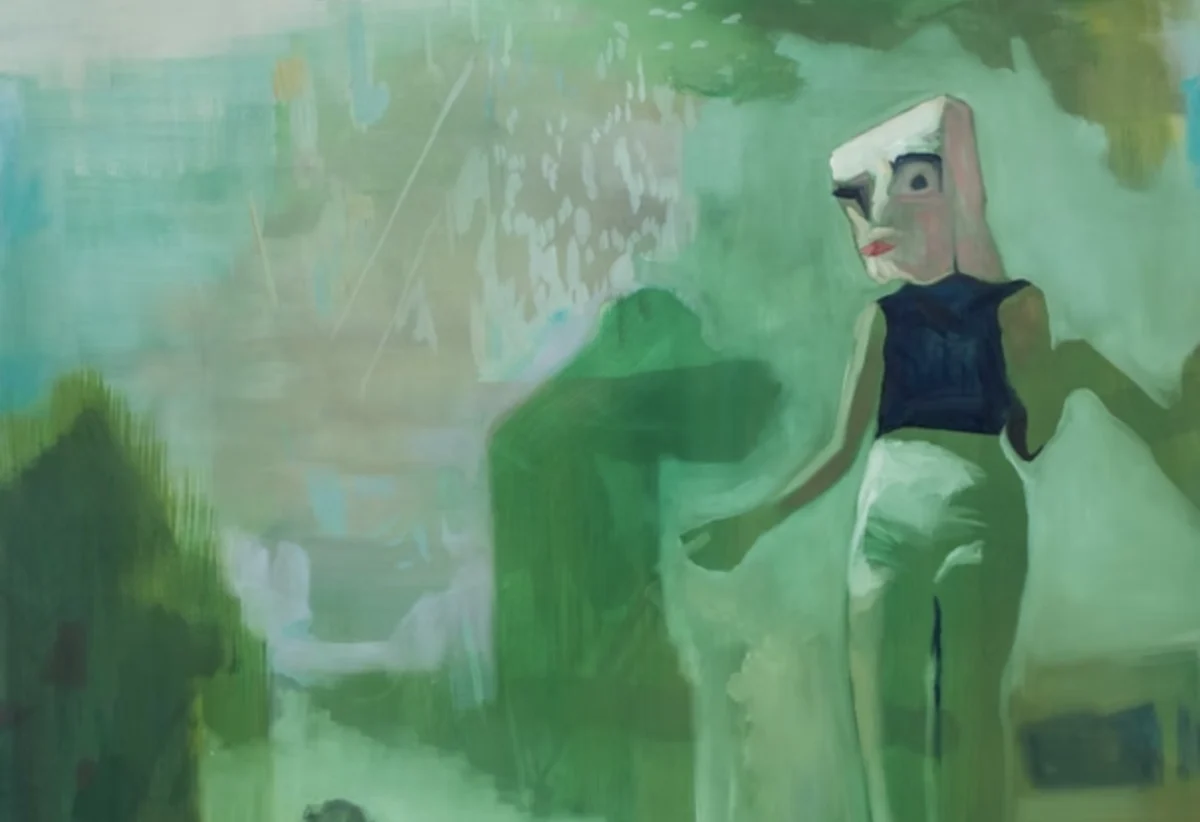
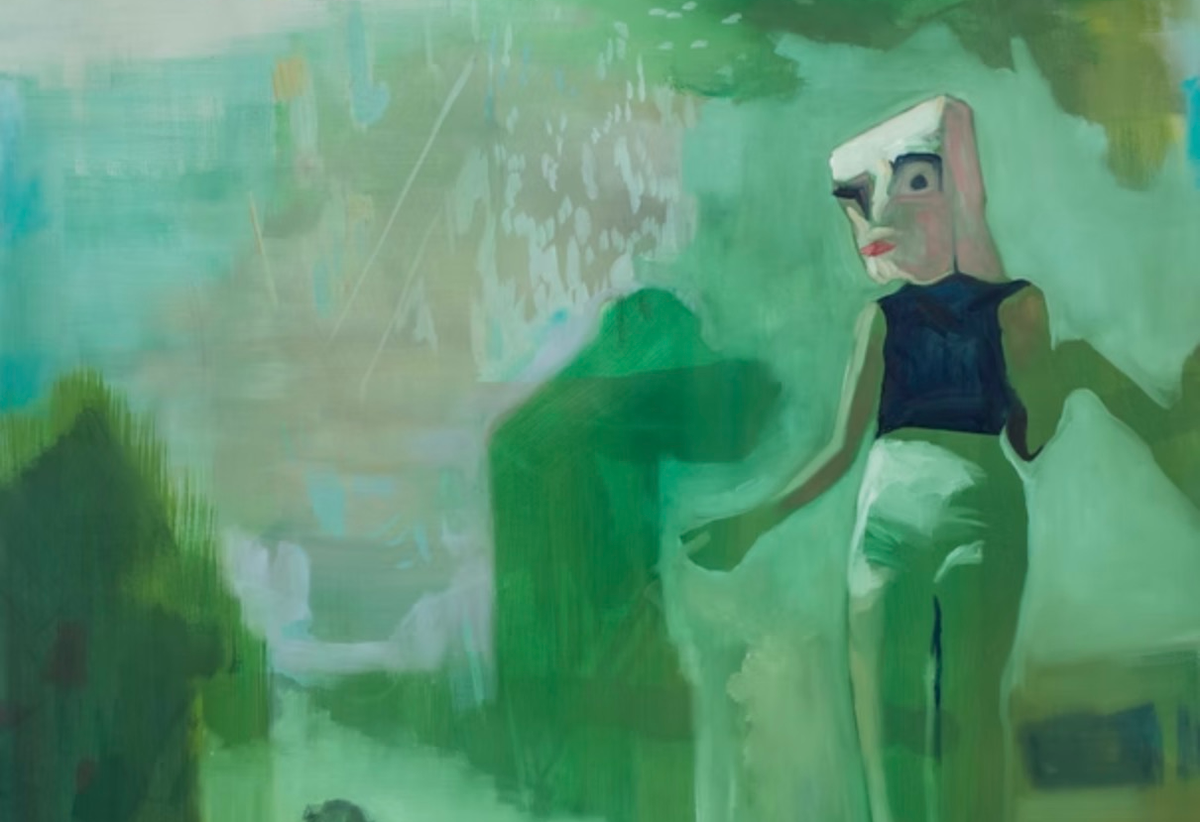
The public friction reached a boiling point earlier this month when Kate Gottgens took to Instagram to express her frustration regarding the whereabouts of her 2021 painting, Audible Doom. According to Gottgens, the piece was submitted for the 2022 Miart fair in Milan but did not sell. Four years later, she claims the work has vanished from her sight, with the gallery failing to facilitate its return.
While the post was eventually deleted following pressure from the gallery’s legal counsel, it served as a signal flare. The post garnered immediate attention, prompting other artists to come forward with similar accounts of administrative negligence and financial obfuscation at SMAC. For Gottgens, the issue was not merely about a single canvas, but rather the culmination of years of what she described as "persistent badgering" required to receive payments for sold works.
A Chronology of Contention
The breakdown of the relationship between Gottgens and SMAC appears to have been a gradual erosion of professional boundaries rather than a single event.
- 2022: Audible Doom is sent to the Miart fair in Milan. The work remains unsold, yet fails to return to the artist’s possession in the subsequent years.
- Late 2025: After a 13-year tenure, Gottgens officially terminates her representation with SMAC. At the time of her departure, she estimates that the gallery retains possession of over 50 of her original artworks.
- Early 2025: Gottgens requests the return of another painting, Monster Love (2010), intended for an exhibition on motherhood at the Iziko South African Museum.
- February 2025: The artist discovers that Monster Love had been sold to a private collector in 2024 without her knowledge or authorization. When confronted, the gallery reportedly issues payment "instantly," dismissing the sale as an "administrative error."
- June 2026: Gottgens issues an ultimatum to the gallery, threatening to go public if outstanding invoices are not settled by June 30.
- July 2026: Following her Instagram post, Gottgens receives R297,500 (~$18,218) for three paintings previously exhibited at Miart. The gallery maintains that this payment constitutes a purchase, claiming ownership of the works.
Financial Discrepancies and Transparency Concerns
One of the most damning aspects of the dispute involves the timeline of payments. In an exclusive interview with Hyperallergic, Gottgens described a recurring pattern where payment for sold works would be delayed for months, sometimes years, requiring her to repeatedly demand funds that were rightfully hers.
"It would often take many months if not longer to get paid and then only after persistent badgering and reminders," Gottgens stated. This lack of financial punctuality is often viewed as a "red flag" in the art world, where galleries are expected to function as fiduciary agents. When a gallery acts as an intermediary, the funds from a sale are typically held in trust or processed within a standard 30-to-90-day window. The suggestion that payments were only triggered by "badgering" suggests a potential liquidity crisis or, at the very least, a profound disregard for the artist’s livelihood.
Furthermore, Gottgens has alleged that the gallery was opaque regarding the identities of collectors. In the art market, knowing the location and ownership history of a piece is vital for an artist’s career management. If an artist does not know who owns their work, they cannot track its provenance or ensure its proper maintenance and insurance—a failure that can significantly devalue an artist’s secondary market performance.
The Gallery’s Defense: Legal and Administrative Rebuttals
SMAC has mounted a robust defense, characterizing the artist’s claims as defamatory and misleading. Jean Butler, the gallery’s Exhibitions Coordinator and Operations Manager, categorically rejected the accusations. Regarding Audible Doom, Butler stated that the artist was "aware of the location of the work" at all times and that the delay in its return was purely a matter of international logistics.
"The delay was caused by import and export issues beyond the gallery’s control," Butler stated in a formal response. The gallery further argues that it maintained consistent communication with both the artist and her husband regarding the painting’s status.
The gallery’s legal team has been particularly aggressive in its response to the public discourse. In internal emails reviewed by the press, legal representatives accused Gottgens of damaging the gallery’s reputation through "defamatory and false posts," arguing that she was fully aware that the works had not been "misappropriated."
Regarding the July payment, the gallery has pivoted to a stance of ownership. SMAC maintains that the R297,500 paid to Gottgens following her social media post was not a late remittance of commission, but a purchase. Consequently, the gallery asserts it is under no obligation to return the works to the artist when they arrive in South Africa in late August 2026, as the gallery now holds legal title to the paintings.
Wider Implications for the South African Art Scene
The conflict at SMAC is not occurring in a vacuum. Similar allegations have been leveled against the gallery by anonymous former employees, as reported by Artnews, who described a workplace culture where staff were forced to field emotional, distressed calls from artists and writers seeking payment.
The situation raises critical questions about the power imbalance in the gallery-artist relationship. In South Africa, where the art market is smaller and more interconnected than in hubs like New York or London, the risk of "blacklisting" can prevent artists from speaking out against predatory or negligent practices.
If a gallery of SMAC’s stature is indeed struggling with administrative errors of the magnitude described by Gottgens—such as selling a painting without the artist’s knowledge—it suggests a breakdown in the ethical standards of gallery management. The incident highlights the necessity for more stringent contracts and clearer oversight in artist-gallery representation agreements.
The Path Forward
As of late July 2026, the status of Audible Doom remains unresolved. Despite the recent payments, the core of Gottgens’ grievance—the lack of transparency and the perceived "holding hostage" of her creative legacy—persists.
"I still do not know where Audible Doom is, when or to whom it was sold or if it was indeed sold," Gottgens told Hyperallergic. "Importantly, I would like to know what has happened to the work."
For the wider arts community, the resolution of this case will be watched closely. It serves as a cautionary tale regarding the importance of documentation, the dangers of lax administrative oversight, and the enduring power of the artist’s voice in the digital age. Whether or not the gallery’s "administrative error" defense holds up under further legal scrutiny remains to be seen, but the damage to the relationship—and potentially the gallery’s reputation—appears to be profound and lasting. As the art world moves toward greater demands for accountability, the SMAC-Gottgens dispute may serve as a pivotal moment for reform in how galleries manage the works entrusted to them.
 Basiran
 Muslim
 Evan Lee Salim
