Nearly four decades after it first beamed onto television screens, Star Trek: The Next Generation (TNG) continues to occupy a towering position within the sci-fi landscape. For a franchise that initially seemed irreversibly tethered to the legendary exploits of James T. Kirk, Mr. Spock, and Dr. Leonard McCoy, TNG took a monumental gamble in 1987. It threw out the playbook, jumped a century forward into the future, and replaced Starfleet’s most iconic officers with a contemplative French captain, a philosophical android, and—most radically—a Klingon in a Starfleet uniform.
For modern audiences and longtime fans looking to revisit this era, the journey has just become easier. All seven seasons of Star Trek: The Next Generation are now streaming for free on Pluto TV. This milestone offers a timely opportunity to re-examine how a series plagued by early critical doubt, behind-the-scenes turmoil, and a notoriously rocky first season ultimately grew to become the unbreakable blueprint for the entire Star Trek universe.
Main Facts: A Bold Leap Into the 24th Century
When Star Trek: The Next Generation premiered in syndication in the fall of 1987, it was an unprecedented television experiment. Franchise creator Gene Roddenberry sought to revive his legendary universe without relying on the nostalgia of the original cast. Instead of the USS Enterprise NCC-1701, audiences were introduced to the USS Enterprise-D, a massive, family-friendly exploration vessel commanded by Captain Jean-Luc Picard (Patrick Stewart).
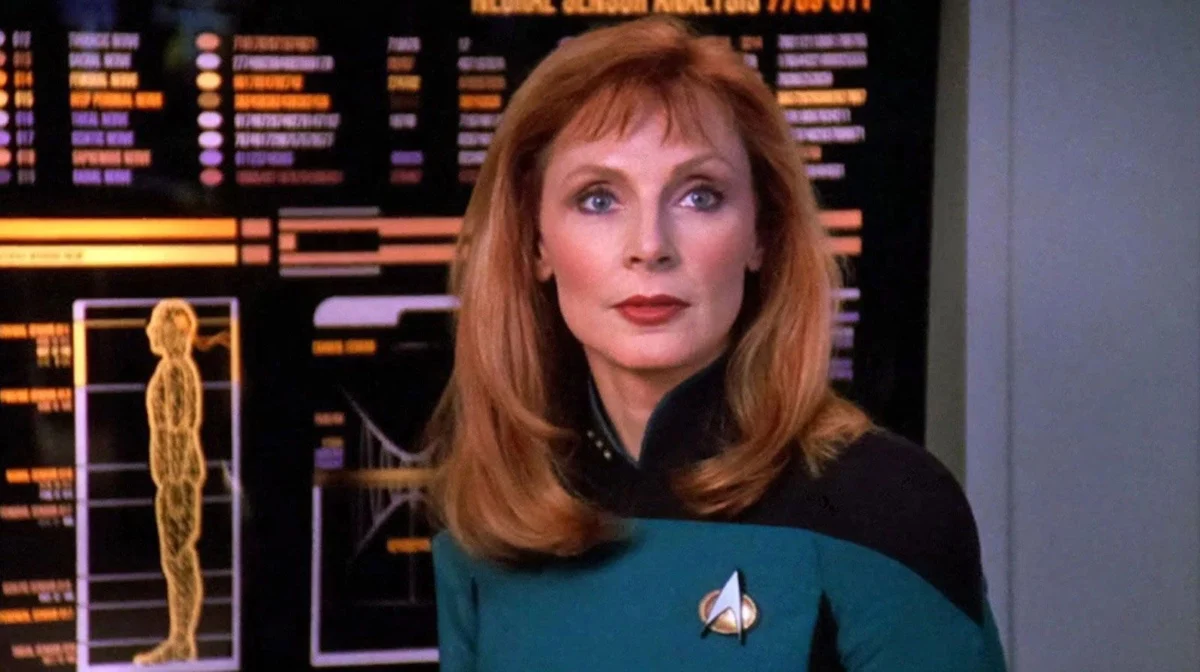
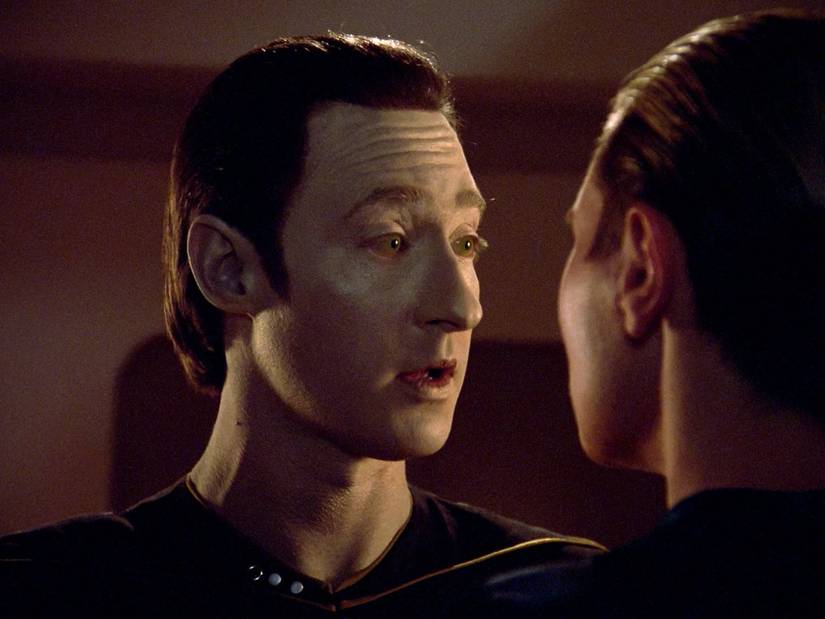
Supported by an ensemble cast that included Jonathan Frakkes as Commander William Riker, Brent Spiner as the android Lt. Commander Data, LeVar Burton as Chief Engineer Geordi La Forge, Marina Sirtis as Counselor Deanna Troi, Michael Dorn as Lt. Worf, Gates McFadden as Dr. Beverly Crusher, and Wil Wheaton as Wesley Crusher, the series initially faced an uphill battle.
Despite initial skepticism from critics and fans alike, the show eventually grew into a massive cultural touchstone, running for 178 episodes across seven seasons, earning numerous Emmy Awards, and spawning four feature films. Today, its availability on free ad-supported streaming television (FAST) platforms like Pluto TV ensures that its philosophy of optimism, diplomacy, and cosmic curiosity remains accessible to new generations of viewers.
Chronology: From Rough Beginnings to Cultural Supremacy
1987–1988: High Hopes and Harsh Reviews
In 1987, the idea of Star Trek without Kirk and Spock felt unnatural to many viewers. The original cast was still actively involved in the cultural zeitgeist, with Star Trek IV: The Voyage Home setting box-office records less than a year prior.
Consequently, early reviews for The Next Generation were often brutal. Writing for The Washington Post, critic Tom Shales famously panned Patrick Stewart’s Jean-Luc Picard as “a grim bald crank who would make a better villain” and compared Brent Spiner’s Data to “a San Francisco street mime.”
The creative execution matched the hostile critical reception during Season 1. Episodes like "The Naked Now" leaned heavily on recycled tropes from the 1960s original series, while the critically lambasted "Code of Honor" showcased tone-deaf storytelling that both cast and crew would later disavow. The characters felt stiff, the tone swung wildly, and Picard himself had not yet evolved into the deeply empathetic statesman fans would come to adore.
1989–1990: Finding Its Sea Legs (Seasons 2 and 3)
Change came gradually. Season 2 brought structural shifts—including the temporary replacement of Dr. Crusher with Dr. Katherine Pulaski (Diana Muldaur) and the introduction of the Borg in the chilling episode "Q Who."
However, it was Season 3 that represented a watershed moment for the series. With the departure of head writer Maurice Hurley and the return of Michael Piller to guide the writers’ room, TNG finally found its voice. Episodes like "The Best of Both Worlds," "The Defector," and "Yesterday’s Enterprise" elevated the narrative stakes, transforming the show from an uneven sci-fi procedural into high-concept prestige television.
1991–1994: Peak Popularity and Legacy
By its final seasons, The Next Generation was the most-watched syndicated drama on television. Episodes like "The Inner Light" (Season 5)—in which Picard lives an entire lifetime on a dying alien planet—showcased a level of emotional depth rarely seen in science fiction. When the series concluded in 1994 with the double-episode finale "All Good Things…," it did so at the height of its creative powers, drawing over 30 million viewers.
Supporting Data: The Evolution of TNG’s Critical and Commercial Standing
While contemporary reviews in 1987 were mixed, historical metrics paint a starkly different picture of The Next Generation’s long-term impact:
Ratings Triumph:TNG was the first syndicated drama to consistently rank among the top shows in syndication, often beating network rivals in key demographic slots during its later seasons.
Award Recognition: The series earned 19 Emmy Awards throughout its run, primarily in technical categories like visual effects and costume design, while also securing a historic Best Drama Series nomination during its final season—a rare feat for a science-fiction show in the 1990s.
Streaming Renaissance: Decades after its conclusion, TNG remains one of the most-streamed legacy television properties. Its integration into platforms like Pluto TV highlights the ongoing commercial viability of curated, ad-supported retro programming.
Fan Sentiment Shifts: Modern retrospective reviews routinely rank TNG alongside The Original Series and Deep Space Nine as the pinnacle of the franchise, completely reversing Tom Shales’ infamous 1987 assessment.
Official Responses: Reflections From the Bridge Crew
Over the years, the creators and stars of The Next Generation have spoken candidly about the immense pressure they faced during the show’s turbulent first season.
Patrick Stewart has frequently recalled his initial uncertainty about taking the role, admitting that he signed a contract assuming the show would fail quickly, allowing him to return to the London stage. In a past retrospective interview, Stewart noted:
"When we started, nobody knew what we were doing. We were trying to imitate the sixties show while carving out our own identity. It took time for the writers, and it took time for me to figure out who Picard really was."
Michael Piller, who took over as showrunner in Season 3, famously instituted a rule that all TNG stories must be driven by character growth rather than purely technological sci-fi gimmicks. This creative mandate is widely credited with turning the series around.
Paramount executives, looking back at the show’s rocky launch, have repeatedly emphasized that TNG proved the viability of long-form franchise expansion. By treating the Star Trek universe as a sandbox rather than a museum piece, the studio unlocked the potential for decades of television to come.
Implications: The Blueprint for Modern Star Trek
The ultimate legacy of The Next Generation extends far beyond its own seven seasons. Before TNG proved that a franchise could survive a total cast overhaul, cinematic and television universes rarely survived the replacement of their primary leads.
By demonstrating that audiences would return for the concept of Starfleet rather than specific legacy characters, TNG laid the groundwork for everything that followed:
The Spinoff Era: Shows like Star Trek: Deep Space Nine and Star Trek: Voyager took structural cues from TNG, pushing the boundaries of space station geopolitics and deep-space isolation.
Modern Expansion: Contemporary series like Star Trek: Discovery, Strange New Worlds, and Lower Decks owe their existence to the foundational rule established by TNG: that the universe is vast enough to support entirely different tones, crews, and storytelling styles.
Where to Watch
For viewers eager to witness this historic television evolution firsthand—from the shaky, theatrical missteps of Season 1 to the philosophical brilliance of Season 7—all episodes of Star Trek: The Next Generation are currently streaming for free on Pluto TV. Nearly forty years later, the voyage of the Enterprise-D remains essential viewing for anyone bold enough to explore the final frontier.




 Basiran
 Suro Senen
