

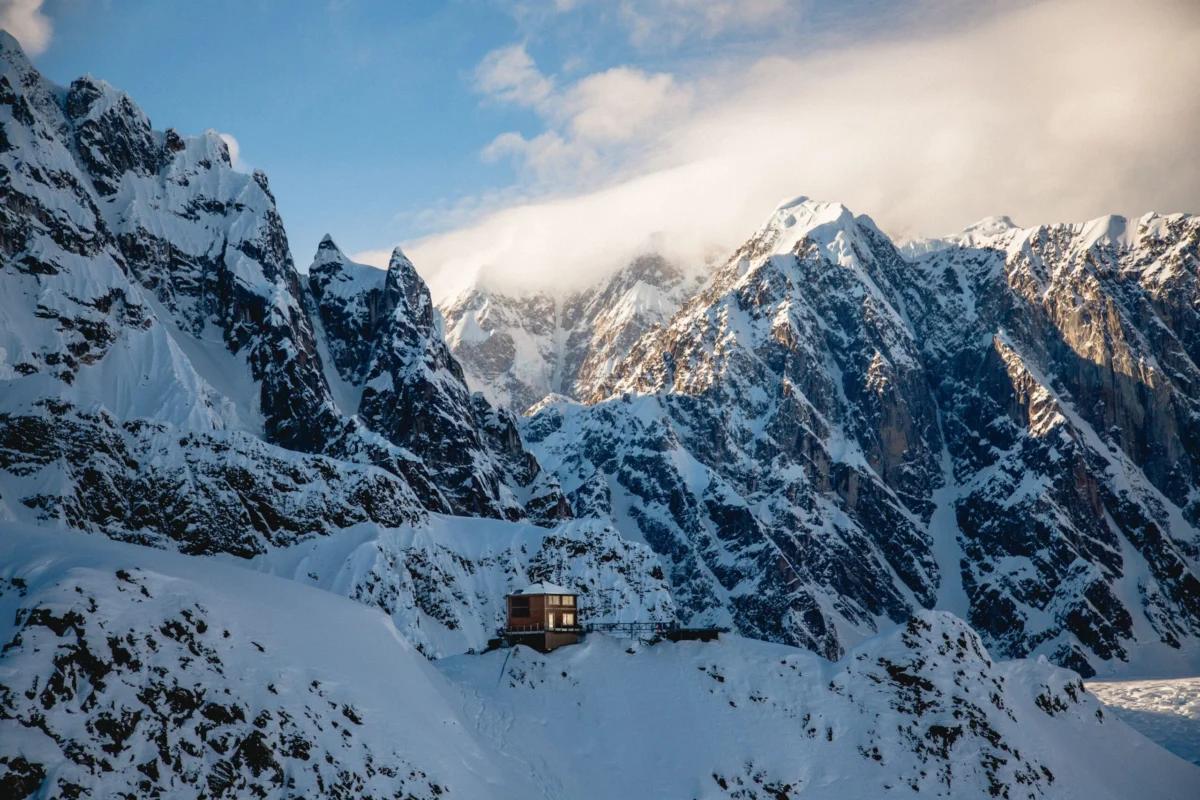
Denali National Park and Preserve remains the crown jewel of the American wilderness, a vast expanse of six million acres encompassing subarctic tundra, glaciated peaks, and a thriving ecosystem of iconic Alaskan wildlife. For many, a trip to Alaska is incomplete without witnessing the towering majesty of the continent’s highest mountain. However, navigating this massive landscape requires careful planning, particularly as the park currently balances environmental challenges with the high demand for tourism.
Main Facts: The Current State of the Park
The geography of Denali is defined by a single, 92-mile-long park road that serves as the primary artery for visitors. In recent years, this road has become the focal point of logistical adjustments due to natural geological shifts.
An ongoing land slump at Pretty Rocks, located at mile 43, has necessitated a partial closure of the main thoroughfare. As a result, all vehicle traffic—including both the renowned narrated tour buses and the hop-on, hop-off transit buses—is currently required to turn around at the 43-mile mark. While this limits access to the deepest reaches of the park, visitors can still enjoy a significant portion of the road.
For those seeking a more localized experience, the park offers a free courtesy shuttle that runs between the Denali Visitor Center and the Savage River area at mile 15. Alternatively, visitors can rent bicycles from providers like Bike Denali, located just outside the park entrance, to traverse the road at their own pace. Personal vehicles are permitted as far as mile 15, though parking at the Savage River trailhead is limited and prone to filling up quickly during the peak summer months.
Chronology: The Evolution of Denali Access
The history of visitor access in Denali has always been a conversation between human desire and the rugged, shifting Alaskan terrain.
- The Early Years: The park road was constructed in the mid-20th century to provide access to the heart of the wilderness. For decades, it served as the primary means for scientists, researchers, and visitors to penetrate the interior of the range.
- The Modern Era of Tourism: As interest in Denali surged, the National Park Service (NPS) implemented a transit system to minimize environmental impact, prioritizing bus travel over private vehicles to protect the fragile tundra ecosystem.
- The 2021 Crisis: The Pretty Rocks landslide, an acceleration of a long-term geological movement, rendered the road impassable beyond mile 43. This forced a massive realignment of visitor logistics.
- Ongoing Adaptation: Today, the park remains in a transitional state. Infrastructure projects continue to address the slump, while park management experiments with new shuttle schedules and bike-friendly initiatives to maintain access for the millions who dream of seeing the park.
Supporting Data: Understanding the Landscape
To appreciate the scale of Denali, one must look at the numbers. The mountain itself—formerly known as Mount McKinley—reaches a staggering 20,310 feet above sea level. It is so massive that it creates its own weather patterns, which is why it is famously elusive; the peak is visible on only about 30% of days during the summer season.
Visitors should note that elevation is a key factor in visibility. While the park entrance is situated at a lower elevation, one must reach at least mile 9 of the park road before the mountain begins to emerge from behind the foothills. For those who miss the view from the road, the Alaska Railroad and various marked waysides along the Parks Highway offer alternative vantage points.
Safety data remains a critical component of the park experience. Wildlife encounters, particularly with grizzly and black bears, are a reality. The NPS mandates that all hikers carry bear spray—available for rent at the Alaska Geographic store near the Visitor Center—and possess a fundamental understanding of wildlife safety protocols.
Official Responses and Management Strategies
The National Park Service has taken a proactive approach to managing the current limitations. According to official park updates, the focus remains on "balanced access." Rangers are deployed at key locations to provide education on the Pretty Rocks slump, the status of the road, and the necessity of preserving the surrounding ecosystem.
Beyond the road, the NPS has fostered a culture of guided education. Ranger-led programs, which include both on-trail and off-trail hikes, allow visitors to explore the park under the supervision of experts. These programs are designed not only to ensure safety but to provide context regarding the geological and biological complexity of the Alaskan interior.
A particularly unique aspect of the park’s management is the Sled Dog Kennel. As the only national park in the U.S. that utilizes a working sled dog team for winter patrolling, the NPS maintains a rigorous demonstration schedule throughout the summer. These sessions offer a glimpse into the historic and functional role that these animals play in protecting the park’s wilderness character.
Implications: Adventuring Beyond the Boundary
Because the park is so vast and the interior road is currently restricted, many visitors look to the boundary regions for adventure. It is important to note that the vast majority of commercial activities—such as whitewater rafting, ATV tours, and horseback riding—take place on land adjacent to the park, rather than inside it.
The Thrill of the Boundary
- Whitewater Rafting: The Nenana River forms the eastern boundary of the park and offers world-class rafting. Companies like Denali Raft Adventures cater to all skill levels, providing an adrenaline-filled perspective of the mountains from the glacial-fed waters.
- Motorized Exploration: For those seeking speed, Denali ATV Adventures offers tours through the rugged backcountry outside the park. These tours provide access to terrain that would otherwise be inaccessible, though they are inherently different in tone from the quiet, meditative nature of the park itself.
- Equestrian Access: Denali Horseback Tours provides a quieter, more traditional mode of exploration. Riding through the hills surrounding the park offers sweeping vistas without the noise pollution associated with internal combustion engines.
The "Splurge" Experience
For visitors seeking an immersive, high-intensity experience within the park boundaries, organizations like Alaska Alpine Adventures provide specialized, permitted tours. These are not casual excursions; they are designed for those with a high level of physical fitness and a desire to engage with the backcountry in an intimate, guided manner. These programs highlight the reality that while the road is limited, the park’s wilderness remains vast and available to those willing to put in the work.
Conclusion: A Philosophy of Resilience
Visiting Denali today requires a shift in mindset. It is no longer just about driving to the end of the road; it is about embracing the limitations imposed by a living, breathing landscape. Whether you are trekking the Savage Alpine Trail, learning about the sled dogs, or rafting the Nenana River, the park offers a profound connection to the raw, untamed essence of North America.
By staying informed about current road conditions, respecting the wildlife, and engaging with the expertise provided by park rangers, visitors can ensure that their trip to Denali is not just a sightseeing tour, but an educational and transformative journey into one of the last great wildernesses on earth. As the park continues to adapt to the shifting ground at Pretty Rocks, it serves as a powerful reminder that nature is never static—and that our role as visitors is to witness it with humility and awe.
 rifanmuazin
 Lina Irawan
 Suro Senen
