

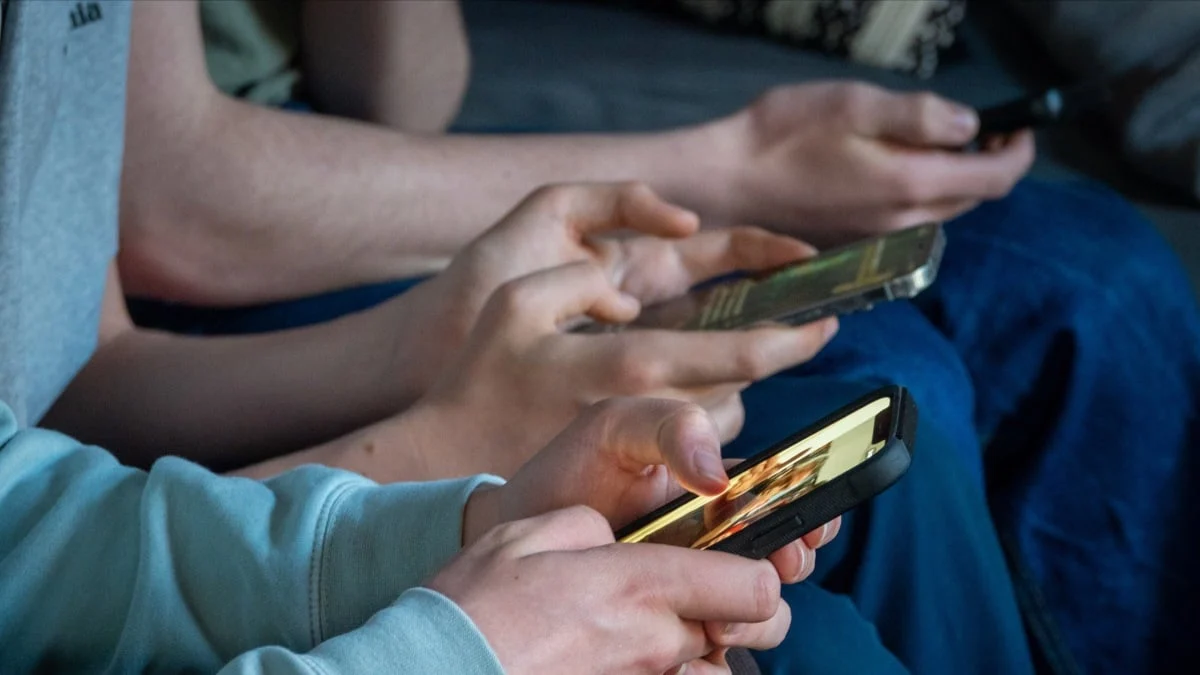
The fragility of the modern digital ecosystem was once again thrust into the spotlight on the morning of May 5, as Meta’s social media platform, Threads, suffered a significant and unexpected service interruption. Users across the globe reported an inability to access the platform, triggering a flurry of frustration across competing social networks and leaving the app’s massive user base—which surpassed 400 million monthly active users earlier this year—momentarily silenced.
While digital outages have become an almost weekly occurrence in an era of rapid platform iteration and complex server-side updates, the silence from Meta during the initial hours of the disruption has raised questions regarding the platform’s stability and its communication protocols during high-traffic windows.
The Chronology of the Disruption
The instability began in the early hours of Tuesday, May 5. According to internal reports from Mashable’s editorial team, access to the Threads application became intermittent and eventually non-existent starting at approximately 8:30 a.m. ET.
8:30 a.m. – 9:00 a.m. ET: The Initial Spike
The first indicators of trouble were not found on Meta’s own status dashboards, but through real-time monitoring services. DownDetector, a platform that aggregates user-submitted error reports, registered a vertical spike in activity related to Threads. Within thirty minutes of the initial reports, the influx of users attempting to flag "server connection" issues and "infinite loading screens" signaled that this was not an isolated glitch affecting a small demographic, but a systemic failure of the application’s infrastructure.
9:00 a.m. – 11:00 a.m. ET: Global Cascading Failures
As the morning progressed across North American time zones, the reports began to mirror a global pattern. Users attempting to access the app via iOS and Android were met with blank feeds or generic error messages. Unlike previous minor bugs that often resolve after a simple app restart, this outage proved persistent. By mid-morning, the conversation surrounding the outage had migrated to X (formerly Twitter), where Threads users flocked to compare experiences and speculate on the cause of the downtime.
11:00 a.m. ET and Beyond: The Stagnation Period
As of the time of writing, the platform remains in a state of flux. While some users report sporadic connectivity—likely due to the phased restoration of server clusters—the platform is far from fully operational. The "developing" nature of this situation underscores the difficulty Meta faces in maintaining a seamless experience for its rapidly expanding user base.
Supporting Data: Understanding the Scale of Threads
To understand the impact of this outage, one must look at the meteoric rise of Threads since its inception. Launched as Meta’s direct competitor to the platform formerly known as Twitter, Threads has navigated a volatile growth trajectory.
The 400 Million Milestone
In early 2025, Meta officially confirmed that Threads had eclipsed 400 million monthly active users (MAUs). This figure represents more than just a vanity metric; it signifies the platform’s successful integration into the daily habits of a diverse, global audience ranging from journalists and academics to corporate brands and casual social media participants. When a platform of this size goes dark, the economic and social ramifications are immediate.
The DownDetector Correlation
DownDetector’s data, which acts as the industry standard for measuring consumer-facing outages, showed a clear majority of users specifically identifying "app access" as their primary issue. It is important to note that DownDetector and Mashable are both owned by the parent company Ziff Davis. This internal transparency allows for a more granular look at the data, which suggests that the failure was likely rooted in a backend service outage or a database synchronization error, rather than a localized client-side issue.
Official Responses and Corporate Silence
In the wake of the outage, the standard operating procedure for major tech conglomerates is to issue a brief statement acknowledging the issue, followed by a promise of a swift resolution. As of mid-day Tuesday, Meta has remained notably reserved.
Mashable reached out to Meta’s communications team seeking clarification on the root cause of the service disruption. As of this report, the company has not provided a formal comment. This silence is particularly notable given the company’s push to position Threads as the "civil" and "reliable" alternative to other social media platforms.
When a company of Meta’s stature experiences an outage of this magnitude, the absence of an immediate "all-hands" update via their official status page can lead to a vacuum of information. This vacuum is often filled by speculation, ranging from rumors of a cyberattack to theories about an over-extended infrastructure struggling to handle the weight of 400 million users. Until Meta provides a "post-mortem" or an official explanation, the digital community remains in a state of uncertainty.
Implications: The Fragility of Digital Architecture
The Threads outage of May 5 serves as a microcosm of the challenges facing modern Big Tech. As platforms move toward "super-app" functionality—integrating shopping, news, social networking, and video content—the underlying infrastructure becomes exponentially more complex.
1. The Cost of Downtime
For a platform that relies heavily on advertising revenue, every minute of downtime translates into lost impressions and diminished ad spend. Furthermore, for influencers and creators who have built their entire professional presence on the platform, an outage is not merely an inconvenience; it is a direct threat to their livelihood.
2. User Trust and Platform Loyalty
The social media landscape is notoriously fickle. Users are often willing to migrate to competing platforms at the first sign of instability. While Threads has built a strong foundation, repeated outages could erode the trust necessary to keep users engaged. The "stickiness" of a platform is predicated on the assumption that it will be there whenever the user decides to check their feed. If that assumption is broken, the platform risks losing its status as a daily utility.
3. The Centralization Risk
The reliance on centralized servers owned by a single entity—in this case, Meta—highlights the risks inherent in the modern web. When one central authority experiences a failure, there is no decentralized fallback. This incident will likely reignite conversations regarding the need for more robust, decentralized social networking protocols that are not beholden to the uptime of a single corporate entity.
Conclusion: A Developing Situation
As the digital world continues to wait for a full restoration of services, the Threads outage serves as a potent reminder of our collective dependence on these invisible digital structures. The platform has grown at an unprecedented rate, and with that growth comes the inevitable growing pains of scaling architecture to support millions of simultaneous connections.
Whether this outage was caused by a botched code deployment, a server farm power fluctuation, or an unforeseen surge in traffic, the result is the same: a digital blackout that has silenced 400 million voices.
We will continue to monitor the situation as more information becomes available. Meta has yet to provide an ETA for a full recovery, and the status of the platform remains fluid. For now, users are left to refresh their feeds in the hopes that the blue and white logo will once again populate with the content they rely on.
This is a developing story. Please check back for updates as we receive more information from Meta’s engineering teams and industry analysts.
 Nana Wu
 Neng Nana
 Reynand Wu
