

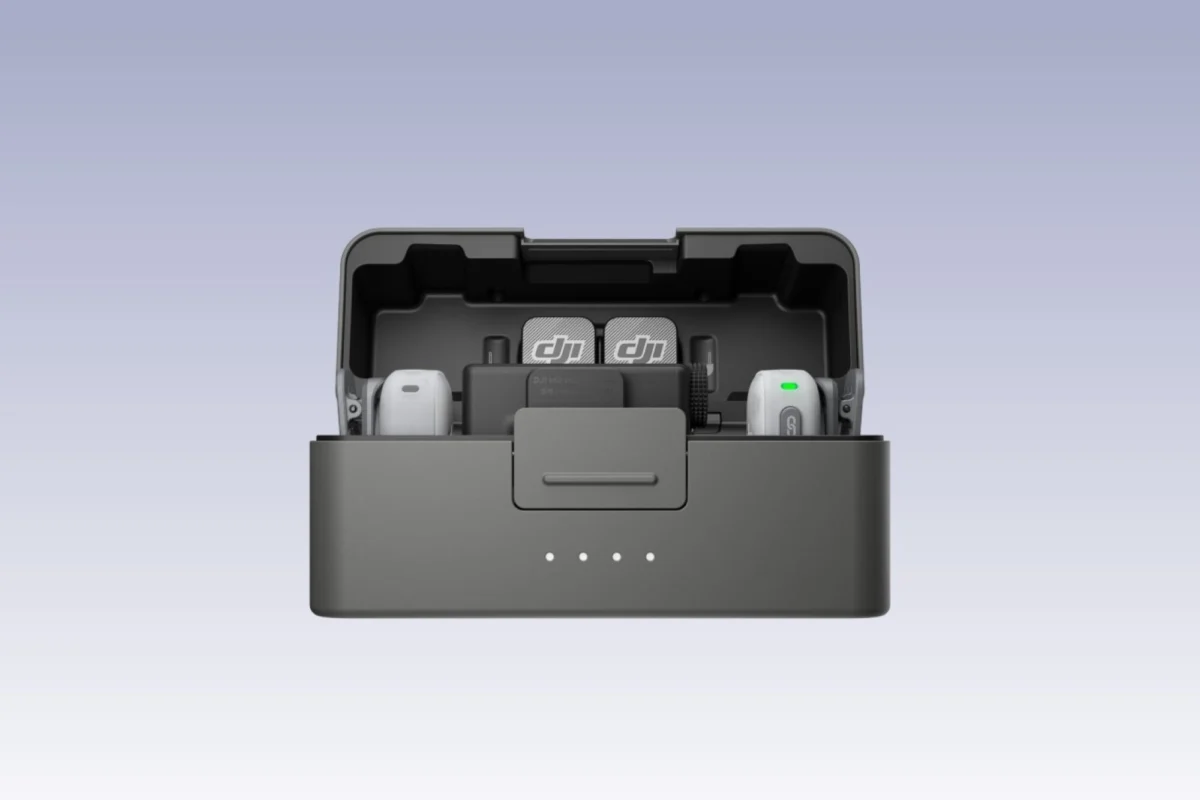
Last year, the DJI Mic Mini cemented itself as a cornerstone for mobile content creators, earning acclaim for its exceptional audio fidelity, compact footprint, and intuitive integration with mobile ecosystems. Building on that foundation, the technology giant has officially unveiled the DJI Mic Mini 2. While the product is currently rolling out to international markets, it has brought with it a familiar, frustrating reality for consumers in the United States: the device is currently unavailable for purchase stateside, leaving American creators to admire the hardware from afar.
The Core Facts: What the Mic Mini 2 Brings to the Table
The DJI Mic Mini 2 serves as a refined iteration of its predecessor rather than a total hardware overhaul. First identified by tech reporting outlets, the new microphone array is already hitting shelves in most global markets.
The entry-level bundle, priced at approximately €59, includes a streamlined charging case, a wireless receiver, and a single microphone transmitter. For power users, DJI has introduced a more robust €99 configuration, which scales up the offering to include a larger receiver, dual transmitters, and a higher-capacity charging case.
The physical design remains consistent with the “mini” branding, maintaining a discrete, lightweight form factor that is ideal for vlogging, field interviews, and run-and-gun filmmaking. However, the hardware now features a series of magnetic, swappable mic covers. These allow creators to customize the look of their gear, enabling the transmitter to blend into clothing or stand out as a stylistic choice. Beyond the aesthetic adjustments, DJI has implemented a suite of new voice presets, designed to offer quick, professional-grade sound profiles for various recording environments.
A Chronology of the DJI Mic Lineup
To understand the trajectory of the Mic Mini 2, one must look at the rapid evolution of DJI’s audio division.

- The Original Mic Mini (2023): DJI entered the budget-friendly, ultra-portable microphone market with the first-generation Mic Mini. It was an instant hit, lauded for providing high-quality audio in a package that could easily fit into a shirt pocket. It bridged the gap between professional broadcast gear and the casual creator’s needs.
- The Integration Phase: Throughout late 2023 and early 2024, DJI focused on perfecting its mobile app integration, allowing users to adjust gain levels, switch between mono and stereo modes, and update firmware directly via their smartphones.
- The Global Expansion (Q1 2025): The announcement of the Mic Mini 2 arrives as a testament to the popularity of the original. The release strategy has been aggressive in Europe, Asia, and other territories, marking a significant push to dominate the sub-€100 audio category.
- The Current Standoff (Present Day): The contrast between the international launch and the silence regarding a U.S. release highlights the ongoing geopolitical and regulatory complexities that have come to define DJI’s recent history in the North American market.
Supporting Data: Why Portability Matters
The demand for the Mic Mini 2 is driven by a massive shift in content creation. Data from the creator economy indicates that "mobility" is the number one priority for solo creators. According to recent industry surveys, over 70% of vloggers prioritize "setup time" and "device weight" above almost all other technical specifications.
The original Mic Mini’s success was predicated on its ability to bypass the cumbersome setup of traditional shotgun mics or bulky wireless systems. By maintaining the same internal architecture—which delivers clear, low-noise audio—while adding magnetic customization, the Mic Mini 2 appeals to the growing demographic of TikTok, Instagram, and YouTube Shorts creators. The inclusion of voice presets also solves a common pain point: many creators lack the post-production expertise to mix audio. By offering “baked-in” presets for environments like crowded streets or echo-heavy rooms, DJI is effectively outsourcing the sound engineer’s role to the hardware itself.
Regulatory Realities: The "U.S. Problem"
The most glaring detail surrounding the Mic Mini 2 is its absence from U.S. retailers. This is not a supply chain issue in the traditional sense; it is a manifestation of the mounting regulatory pressure on Chinese-owned technology firms operating within the United States.
DJI, as a company, has been caught in the crosshairs of federal policy regarding data security and trade restrictions. The U.S. government has raised ongoing concerns about the potential for data harvesting and the security of infrastructure, leading to various restrictions on federal procurement and, in some cases, difficulty in navigating the import/export landscape.
While the Mic Mini 2 is a purely audio device, it is tethered to the same logistical and legal ecosystem as DJI’s drone fleet and gimbal stabilizers. The company has faced a series of delays regarding new product launches in the U.S. as they navigate compliance requirements. For the American consumer, this means that while the rest of the world enjoys the latest in audio innovation, U.S. creators are effectively locked out, often forced to look toward secondary markets or imports—an unreliable and often costly workaround.

Official Responses and Corporate Strategy
DJI has maintained a characteristically quiet stance on the specific timeline for the U.S. launch of the Mic Mini 2. In recent statements concerning their product roadmap, the company has emphasized its commitment to the global creator community while acknowledging the challenges of the current regulatory environment.
Industry analysts suggest that DJI’s strategy is currently one of "wait and see." By prioritizing markets where they face fewer bureaucratic hurdles, the company ensures that their inventory moves and that they maintain cash flow. The lack of a U.S. launch date is seen by many as a calculated move to avoid further friction with U.S. regulators while the company works through legal and policy channels to normalize their presence in the region.
Implications for the Content Creator Ecosystem
The implications of this geographical split are profound.
- A Fragmented Market: We are moving toward a world where the "latest" tech is no longer available simultaneously worldwide. This creates a disparity in the quality of content that creators can produce, depending on where they are located.
- Increased Costs for U.S. Users: For American creators who decide that the Mic Mini 2 is essential for their workflow, the cost of acquisition—through third-party importers or international shipping—will significantly exceed the €59 sticker price. This puts an undue financial burden on independent creators.
- Potential for Competitive Displacement: If DJI continues to leave the U.S. market in the dark, competitors like Rode or Sennheiser stand to benefit. U.S.-based creators who cannot wait for a delayed DJI release are likely to migrate to brands that maintain a consistent and reliable supply chain within North America.
- The "Creativity Gap": Ultimately, the Mic Mini 2 is a tool designed to lower the barrier to entry for high-quality audio. By restricting access to this tool, the market for "accessible" high-quality production is artificially constrained in the U.S., potentially hindering the professionalization of smaller, independent creators.
Conclusion: Waiting for the Sound to Travel
The DJI Mic Mini 2 is a quintessential example of modern tech iteration: it is sleek, functional, and highly optimized for the current social media landscape. Its magnetic covers and voice presets are welcome quality-of-life improvements that validate the product’s position in the market.
However, the story of this device is ultimately not about the microphone itself, but about the fractured nature of the global technology market. As U.S. creators watch from across the Atlantic, the absence of the Mic Mini 2 serves as a stark reminder that in the world of modern hardware, the greatest technical innovations are often held hostage by the complexities of international trade, data privacy, and geopolitical maneuvering. Until DJI can resolve its regulatory hurdles in the U.S., the Mic Mini 2 will remain a "wish list" item for the very people who would benefit from it the most.
 Suro Senen
 Nana Wu
 Neng Nana
