

In the shifting landscape of American politics, few figures bridge the divide between the studio and the statehouse as seamlessly as Claire Valdez. An artist, a union organizer, and a sitting New York State Assembly member, Valdez is currently mounting a high-stakes campaign for New York’s 7th Congressional District. Her candidacy represents a potential paradigm shift: the arrival of a legislator whose political philosophy is deeply rooted in the precarious, often invisible labor of the creative class.
In an exclusive interview with Hyperallergic Editor-in-Chief Hakim Bishara, the question was posed bluntly: "Why are you doing this to yourself?" The query strikes at the core of the modern artist’s dilemma. To pursue a career in the arts is to navigate a landscape of economic instability; to pursue a career in politics is to navigate a gauntlet of institutional inertia. For Valdez, these two paths are not merely converging—they are inextricably linked.

Main Facts: A Platform Built on Solidarity
Valdez’s platform is unapologetically progressive, reflecting her background as a grassroots organizer. Her agenda includes:
- Economic Reform: A staunch advocate for taxing the wealthy to fund social services, universal rent control, and the expansion of Medicare for all.
- Labor Rights: A core commitment to unionizing art workers and supporting organized labor across all sectors.
- Foreign Policy: An explicit call for a free Palestine, signaling her intent to bring international human rights issues to the forefront of her congressional agenda.
- Criminal Justice: A clear stance on the abolition of ICE, framing immigration reform as a humanitarian necessity.
The central thesis of her campaign is that the creative spirit is a form of labor that deserves the same protections as any other industry. Her campaign, therefore, serves as a litmus test for whether a candidate can translate the empathy and vision required in art into the pragmatic, often compromise-heavy world of federal lawmaking.
Chronology: From the Canvas to the Capitol
The trajectory of Claire Valdez’s career is one defined by gradual, purposeful escalation:
- Early Career: Valdez first emerged in the public sphere as a painter, focusing on themes that explore the intersection of the domestic and the celestial—most notably her meditative paintings of the night sky.
- Labor Organizing: Recognizing that the art world’s precarious economic structure left creators vulnerable, she pivoted toward union organizing. This phase of her life solidified her belief that artists are workers and that their collective bargaining power is the only defense against systemic exploitation.
- The Assembly Seat: Valdez won a seat in the New York State Assembly, where she quickly gained a reputation for being a vocal proponent of working-class interests.
- Congressional Run: With the 7th District race, she has set her sights on the U.S. House of Representatives, positioning herself as an outsider looking to disrupt the status quo.
Supporting Data: The Precarity of the Creative Class
The necessity of a candidate like Valdez is underscored by the current economic data regarding the arts sector. Recent studies suggest that the "gig economy" model of the art world—which relies heavily on low-paid interns, freelance contractors, and precarious grant funding—has reached a breaking point.

The cancellation of controversial programming at major institutions, such as the recent incidents surrounding the Whitney ISP, highlights the fragility of institutional support for artists who speak on difficult, political, or marginalized subjects. When artistic institutions bow to pressure to censor "mourning" or political expression, the need for legislative protection for free speech and labor rights becomes paramount. Valdez’s platform explicitly addresses this, arguing that without economic security, artistic freedom is a hollow concept.
Institutional Controversies and the Cultural Climate
The broader cultural climate in New York remains tense. The Whitney Independent Study Program (ISP), long considered a bastion of critical theory and artistic development, has recently found itself in the eye of a storm. The appointment of a new director comes on the heels of a controversy involving the cancellation of an exhibition addressing Palestinian mourning.
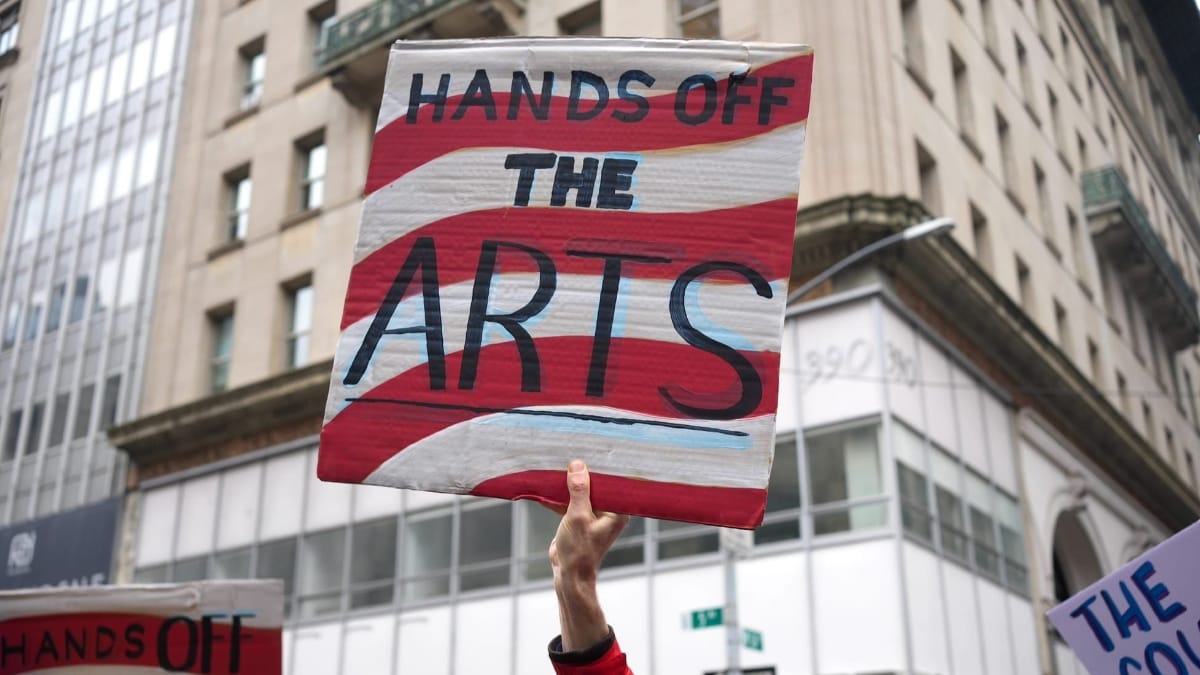
Critics argue that this incident is symptomatic of a broader malaise in the art world, where institutional fear of political backlash results in the silencing of the very voices that institutions are meant to platform. Valdez’s campaign, which centers on themes of radical empathy and political courage, positions her as a counter-narrative to this institutional cowardice. She argues that the halls of Congress, much like the halls of the museum, must become spaces where uncomfortable truths can be voiced without the threat of institutional erasure.
Official Responses and Political Implications
The political establishment has viewed the Valdez campaign with a mixture of caution and intrigue. While traditional party operatives often prioritize incumbency and incremental change, the success of progressive, grassroots candidates in New York—such as the recent rise of socialist-leaning officials—has provided a blueprint for her success.
Her supporters argue that her lack of "career politician" polish is, in fact, her greatest asset. By maintaining her identity as an artist, she brings a "beginner’s mind" to legislative problems. Skeptics, however, question whether the ideological purity of her platform can survive the realities of congressional gridlock.
The implications for the art world are profound. If Valdez is elected, she would become one of the few members of Congress with a direct, lived experience of the struggles inherent in the arts and culture sector. This could lead to a legislative agenda that prioritizes:
- Federal Grant Protection: Ensuring that arts education and institutional grants are not subject to the whim of ideological budget slashing.
- Copyright and Labor Laws: Updating protections for digital and traditional creators in the age of AI and automated labor.
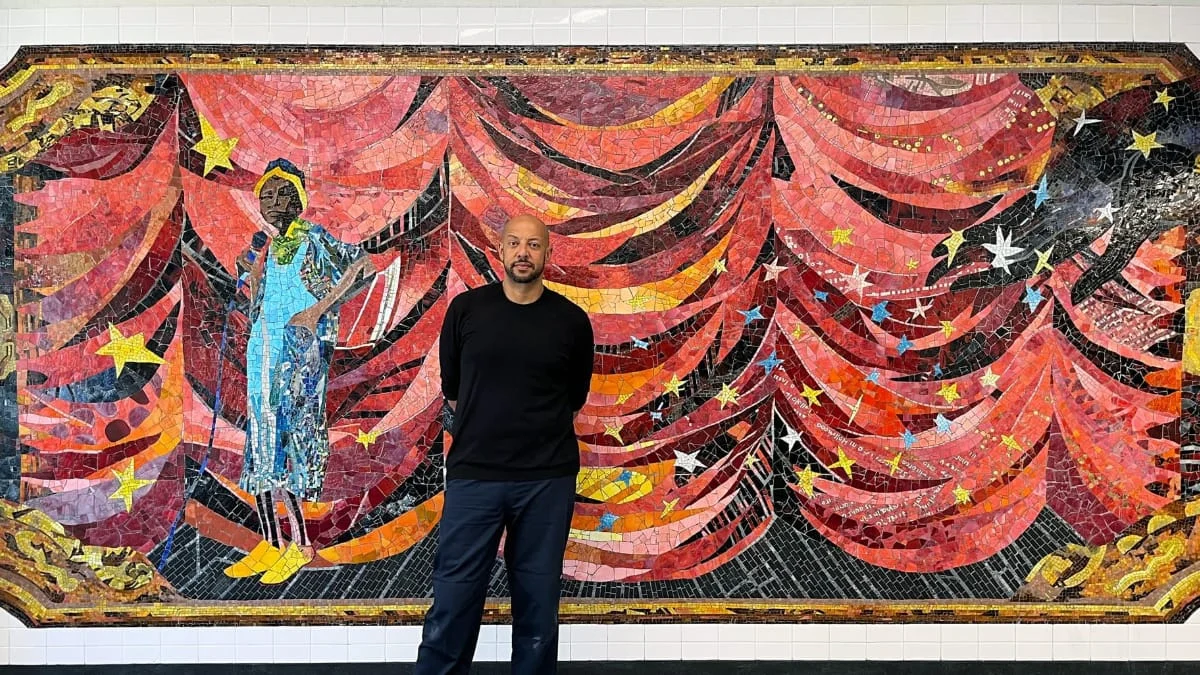
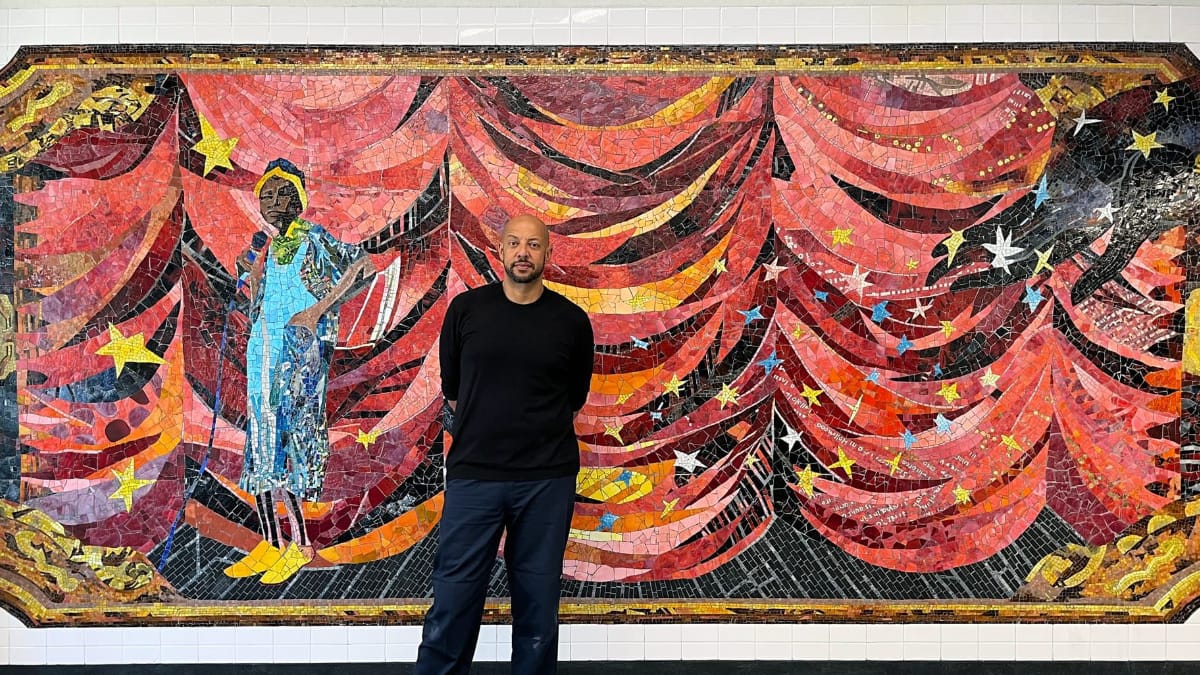
- Public Art Funding: Viewing public infrastructure, such as the subway mosaics by artists like Christopher Myers, not as a luxury but as a vital component of public well-being.
The Broader Cultural Landscape: Beyond the 7th District
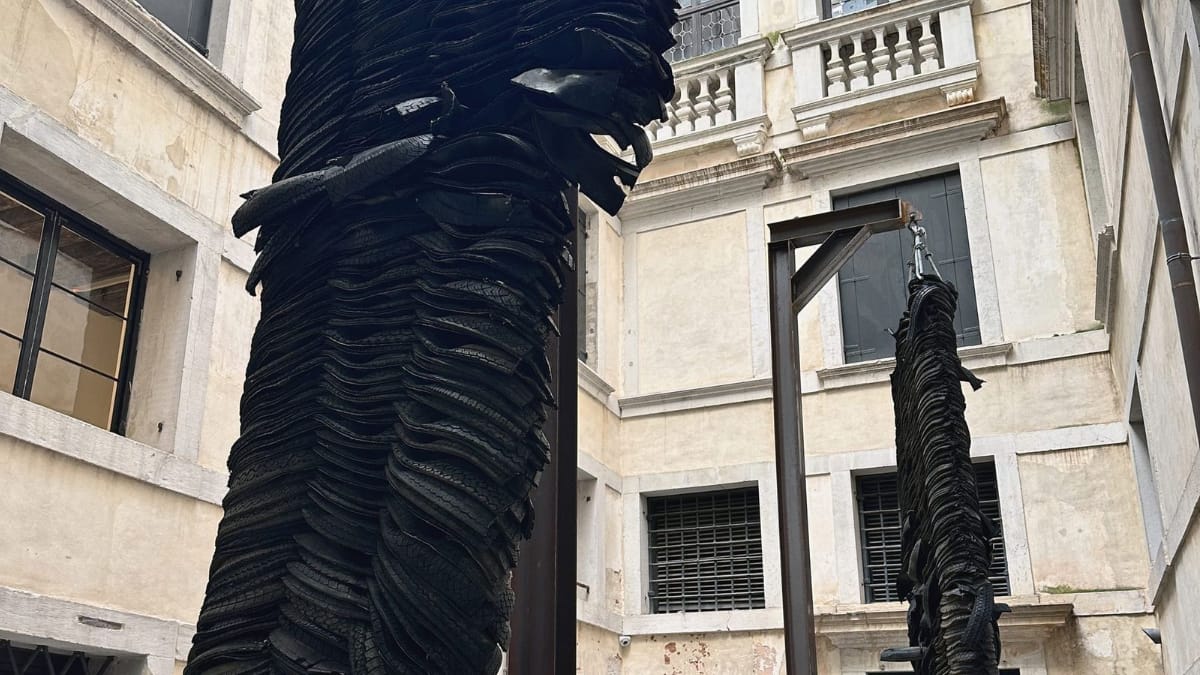
Valdez is not an isolated phenomenon. Across the country, the intersection of art and activism is gaining momentum. From the Bay Area, where summer exhibitions are increasingly focusing on themes of social justice, to the international stage in Venice—where critics like Aruna D’Souza continue to analyze the political weight of works by figures like Arthur Jafa and Richard Prince—the message is clear: art is not a departure from politics; it is a manifestation of it.
The work of artists like Tracey Rose, whose multidisciplinary practice at Ruby City emphasizes the raw, visceral reality of the human experience, serves as a parallel to Valdez’s political approach. Both suggest that to "make a mark" is a political act of existence.
Conclusion: A New Team Sport
As one commenter noted, "Art will save the world through the relationships between those who create it, design it, view it and take it in." Valdez’s campaign invites us to view democracy itself as a collaborative, creative endeavor. It suggests that the "team" is not just the voters, but the creators, the dreamers, and the workers.
Whether or not she succeeds in reaching Congress, Claire Valdez has already succeeded in framing the conversation. She has reminded the electorate that the legislative process, like a painting, is a work in progress—one that requires vision, patience, and the courage to challenge the canvas you have been handed. In an era of increasing political cynicism, the idea of an "artist in Congress" is a radical, necessary experiment. If we are to believe that art can shape the future, then it is only fitting that we send the artists to the table where that future is being designed.
As we look toward the upcoming election cycle, the question remains: are we ready to let the artists lead? If the enthusiasm of the grassroots is any indication, the answer is a resounding, and perhaps long-overdue, "Yes."
 Muslim
 Evan Lee Salim
 Jia Lissa
