

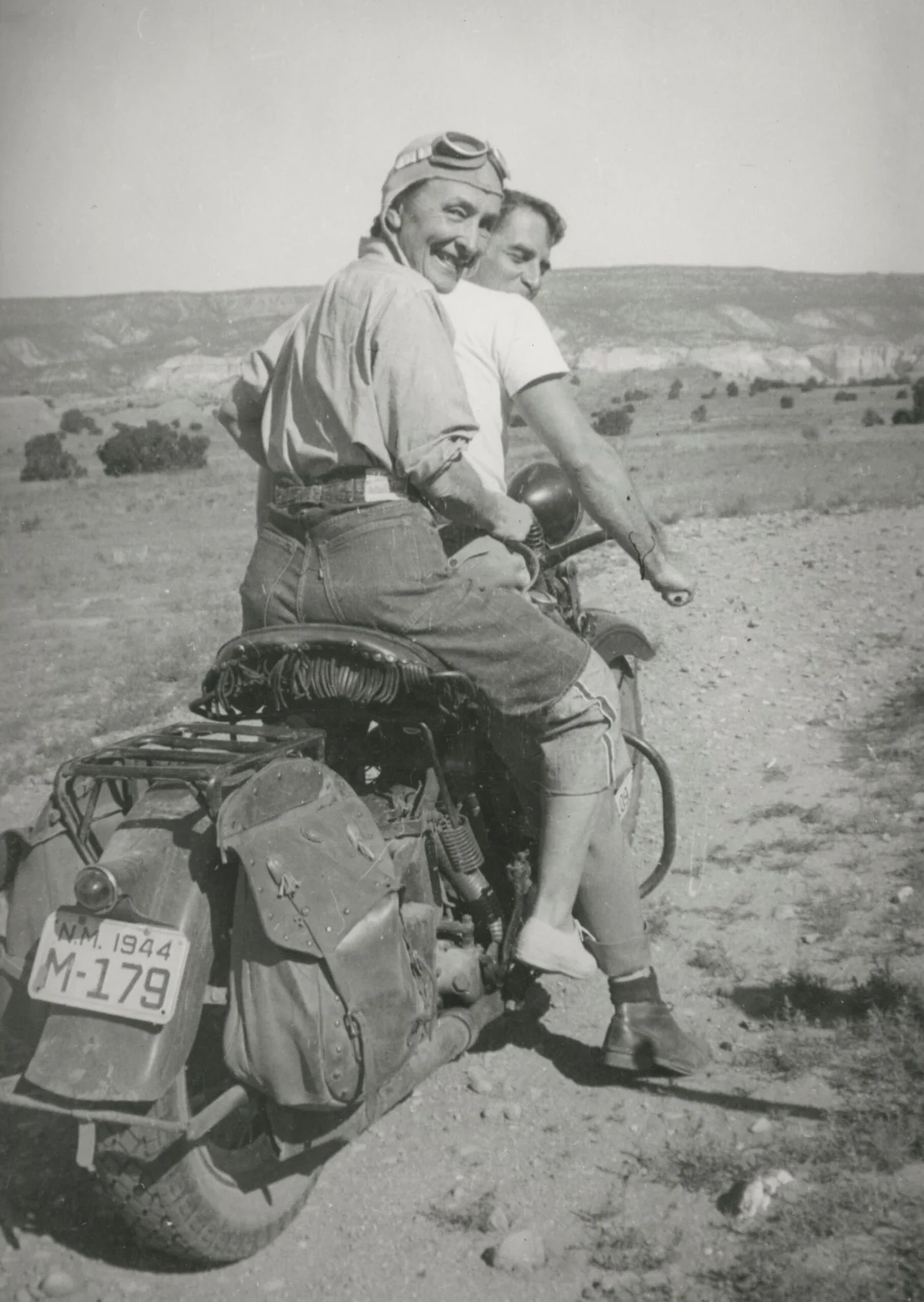
In the canon of 20th-century American art, few figures possess a silhouette as distinct as Georgia O’Keeffe. Her stark, bone-white desert landscapes, colossal floral abstractions, and the iconic, piercing gaze captured by her husband, Alfred Stieglitz, have cemented her status as a cultural monolith. Yet, familiarity often breeds a form of reductionism. We think we know O’Keeffe—the hermit of Ghost Ranch, the painter of petals—but the reality of her artistic evolution is far more complex and, at times, more fragile than the myths suggest.
Paul Wagner’s latest documentary, Georgia O’Keeffe: The Brightness of Light (2026), attempts to strip away the calcified layers of art-world legend. By moving beyond the reductive Freudian readings of her work and the overshadowing narrative of her marriage, the film presents O’Keeffe not as a static icon, but as a perpetual voyager—an artist whose life was defined by a restless, lifelong pursuit of visual truth.
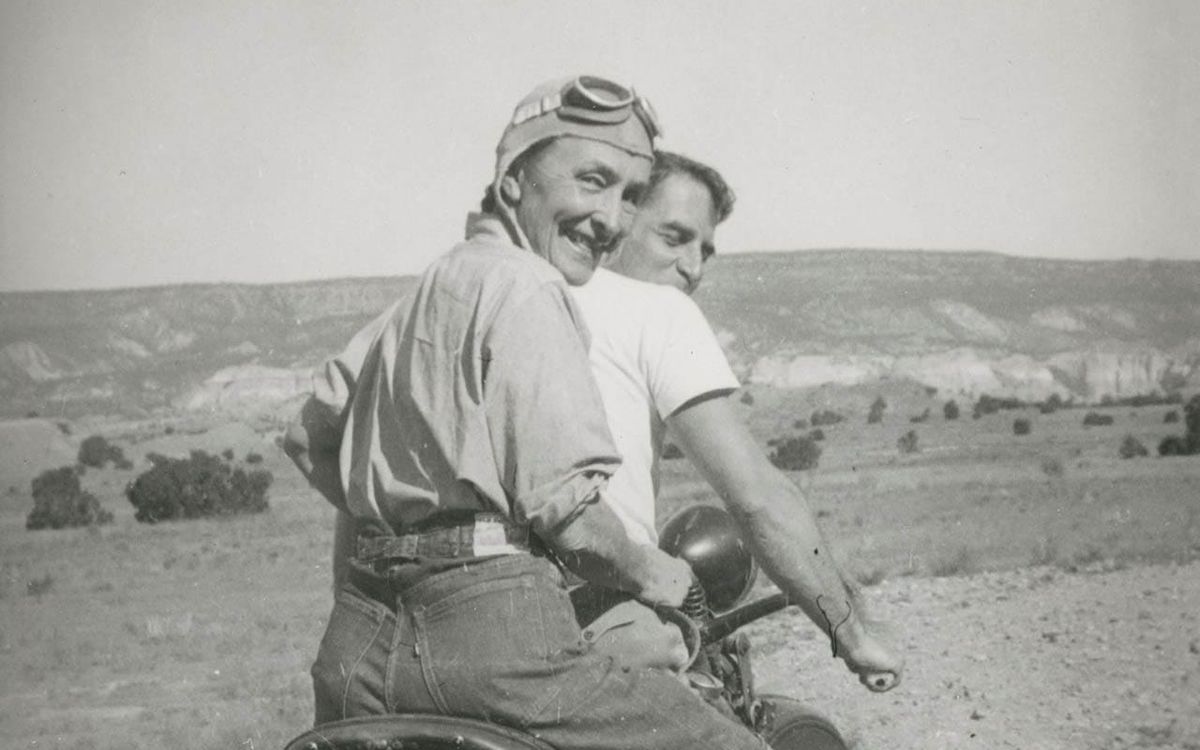
Chronology: A Life of Movement and Transformation
To understand O’Keeffe, one must understand her inherent peripatetic nature. The documentary skillfully traces the geography of her soul, beginning with her formative years in Sun Prairie, Wisconsin. Growing up in a large family on a farm, the seeds of her work ethic were sown in the soil of the Midwest. However, the film emphasizes that O’Keeffe was never destined for domestic stasis.
Her trajectory is a map of constant reinvention:

- The Formative Years: Her formal training took her from the School of the Art Institute of Chicago to the Art Students League in New York.
- The Southern Sojourn: Periods spent in Virginia, South Carolina, and Texas were not merely stopovers; they were crucibles. It was in Texas, specifically, that she produced a series of intimate, nude watercolor self-portraits. These pieces, long sidelined by more famous works, are highlighted by Wagner as essential evidence of her early mastery and her burgeoning philosophy regarding the unity of the human body and the natural landscape.
- The Stieglitz Era: In 1918, at age 30, O’Keeffe moved to New York City to join Alfred Stieglitz, the visionary gallerist and photographer. This period, while productive, was fraught with the tension of being a woman in a male-dominated avant-garde circle.
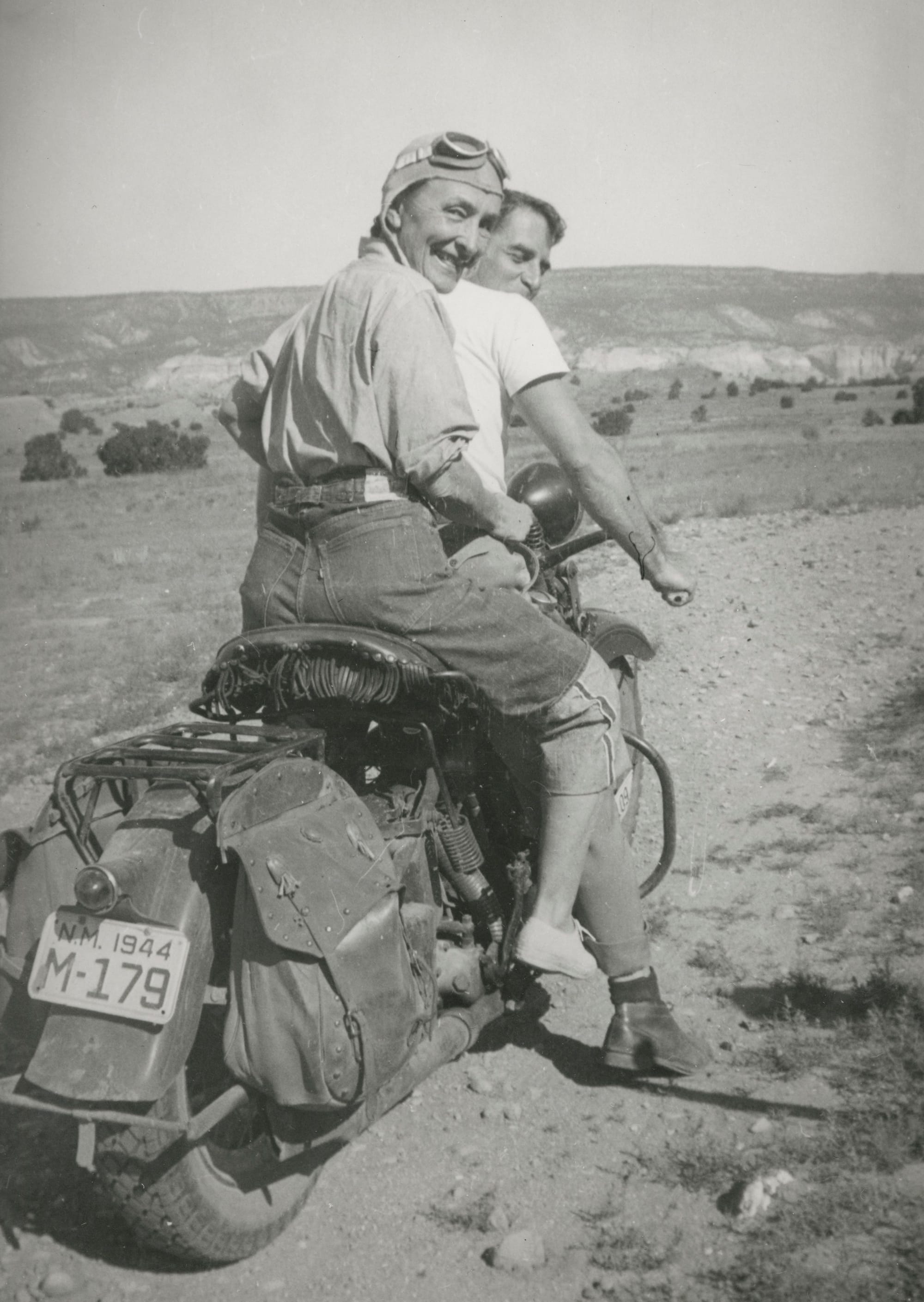
- The Desert Calling: Following the trauma of a nervous breakdown in the early 1930s—brought on by professional pressure and personal betrayal—O’Keeffe eventually retreated to the high desert of New Mexico. It was here, at Ghost Ranch and later Abiquiú, that she shed the skin of her New York persona to become the artist we most recognize today.
Challenging the Myths: Beyond the "Flower Painter"
For decades, the public reception of O’Keeffe’s work was stifled by the persistent, irritating shadow of Freudian interpretation. Critics and collectors frequently dismissed her soaring, abstract flower paintings as mere anatomical symbols—a reduction that O’Keeffe herself famously loathed and dismissed.
The Brightness of Light serves as a corrective to this narrative. Through scholarly interviews and a measured examination of her charcoal drawings from 1915, the film reclaims her work as a triumph of formalist rigor and intuition. These early charcoal works were not "feminine" expressions; they were aggressive, physical, and profoundly abstract experiments that predated the mainstream acceptance of American abstraction.
Furthermore, the documentary addresses the myth of the "subservient muse." While Stieglitz was instrumental in launching her career via his gallery, "291," the film highlights the friction within their partnership. When Stieglitz—who favored a circle of male painters like John Marin and Arthur G. Dove—attempted to steer O’Keeffe away from painting urban subjects like skyscrapers, she defied him. Her work, characterized by a hard-edged refusal to play the ingénue, proves that she was the architect of her own legacy, even while navigating the complex power dynamics of their marriage.
Supporting Data: The Archives of an Artist
One of the documentary’s greatest strengths is its reliance on primary source material. Wagner utilizes a wealth of archival footage, private correspondence, and photographic documentation to anchor the film in reality.
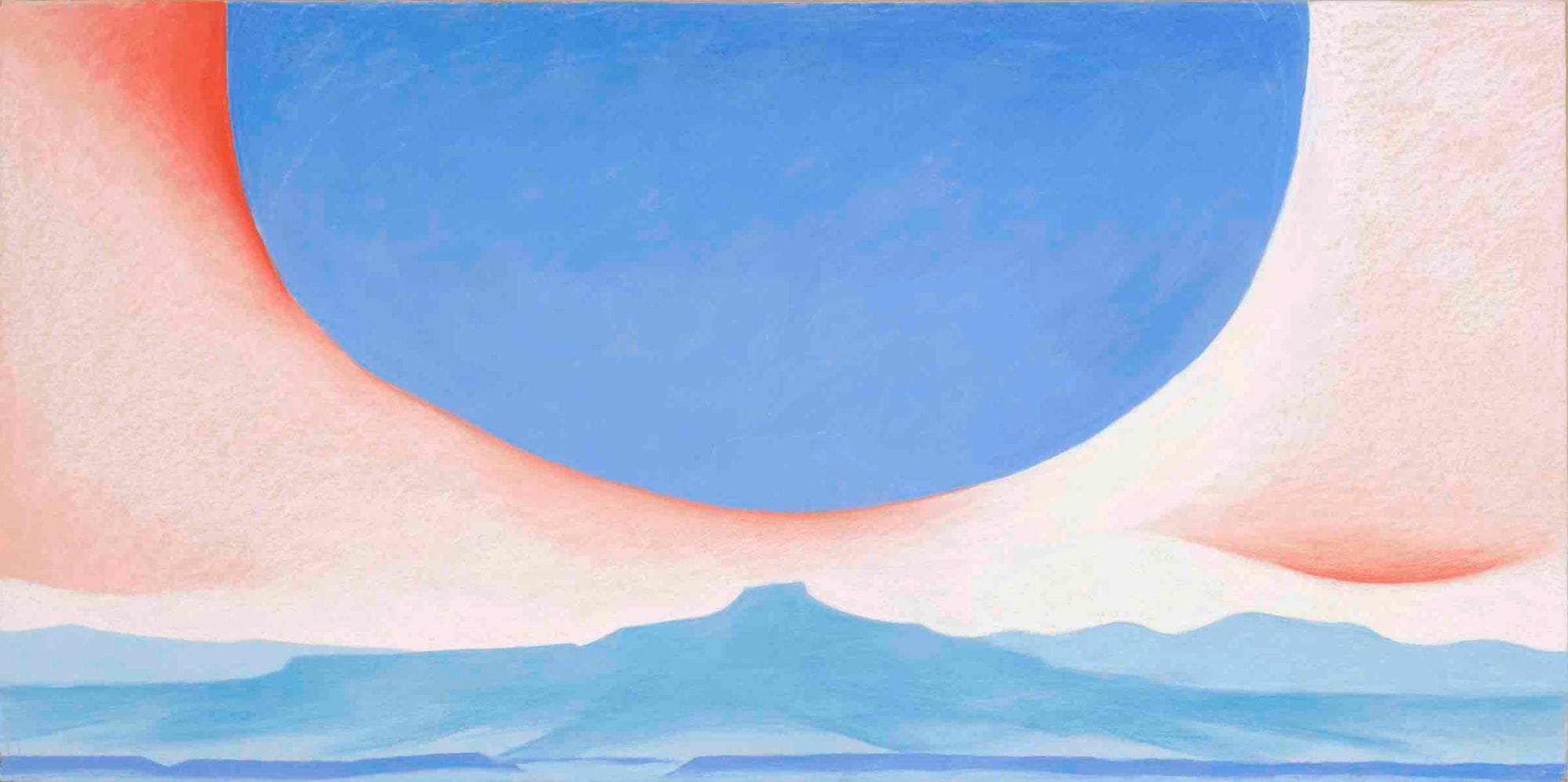
- Visual Documentation: The film features high-definition captures of works like Pedernal (1945) and Ram’s Head, White Hollyhock – Hills (1935). By placing these works in conversation with archival photographs of the actual landscapes, the audience gains a visceral understanding of her process: the distillation of reality into essence.
- The Voice of the Artist: Through narration (provided by Claire Danes and Hugh Dancy), the film weaves in O’Keeffe’s own letters. Her written voice is as sharp and clear as her painted line. Her description of her life in Abiquiú—living "at the end of the earth" where "hardly anyone will come and see me"—reveals an artist who consciously chose isolation to protect her creative sanctity.
- The Materiality of Art: The inclusion of images like the 1975 portrait by Juan Hamilton reminds viewers of her longevity. O’Keeffe was not a flash-in-the-pan sensation; she was a career artist who adapted, endured, and continued to create until the very end of her 98-year life.
Official Responses and Scholarly Perspectives
The documentary has sparked a renewed dialogue among art historians. Many have praised the decision to focus on the Georgia O’Keeffe Museum’s collection of "lesser-known" works.
"For too long, the ‘O’Keeffe industry’ has focused on the same ten images," notes one critic. "By shining a light on her watercolor studies and her transition periods, Wagner allows us to see the ‘how’ rather than just the ‘what’ of her career."
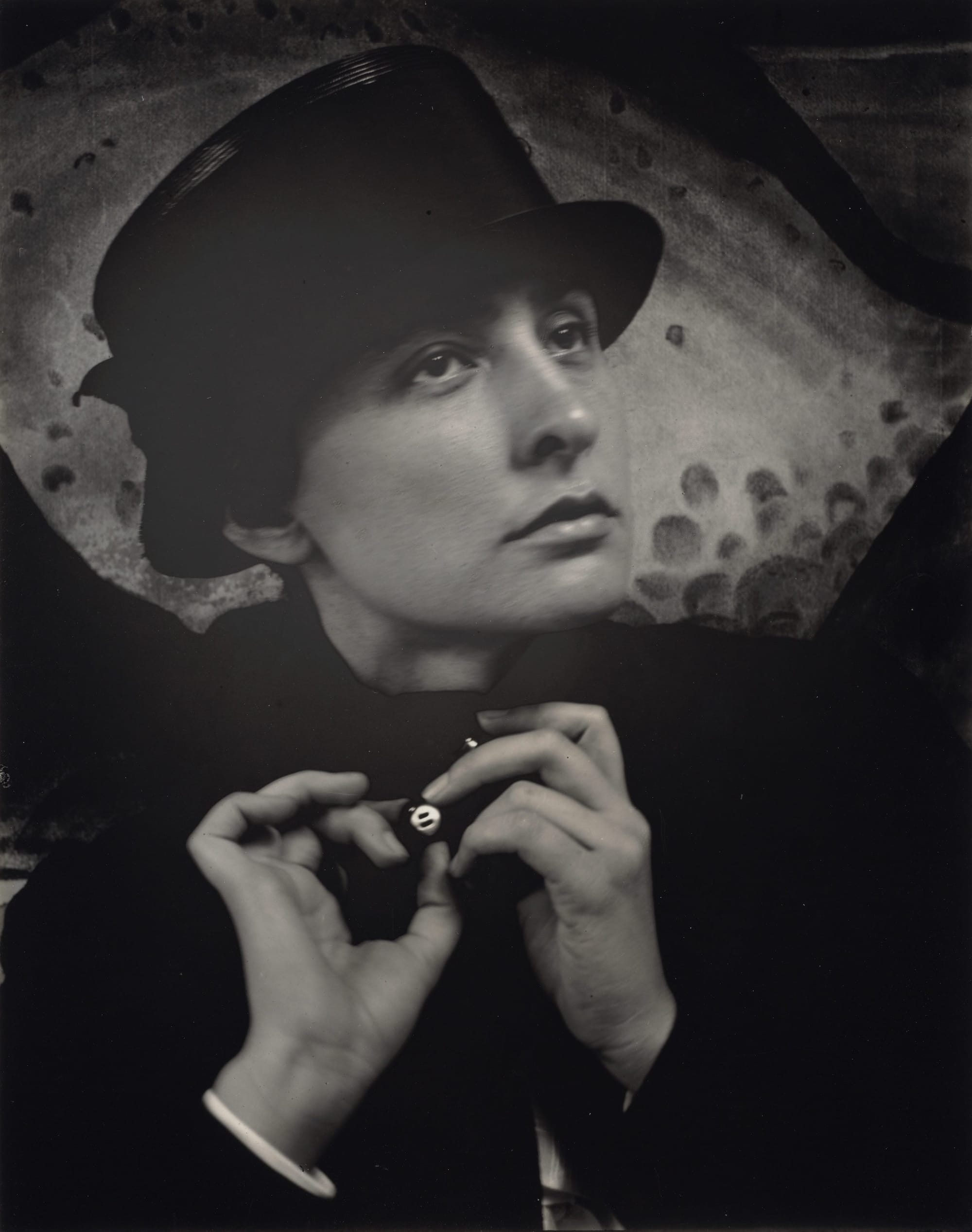
However, some historians point to the film’s early claim that O’Keeffe is "largely unknown in Europe" as a potential misstep. While her market presence may be smaller abroad than in the United States, her influence on global modernism is undeniable. Despite this slight narrative hiccup in the opening act, the consensus remains that the film is a vital, respectful, and necessary update to the O’Keeffe biography.
Implications: The Legacy of Autonomy
What are the implications of this re-evaluation? Primarily, it cements O’Keeffe as a prototype for the modern, independent female artist. She was an individual who navigated the dangers of early 20th-century fame, the stifling expectations of marriage, and the physical decline of aging, all while maintaining an unwavering commitment to her own vision.
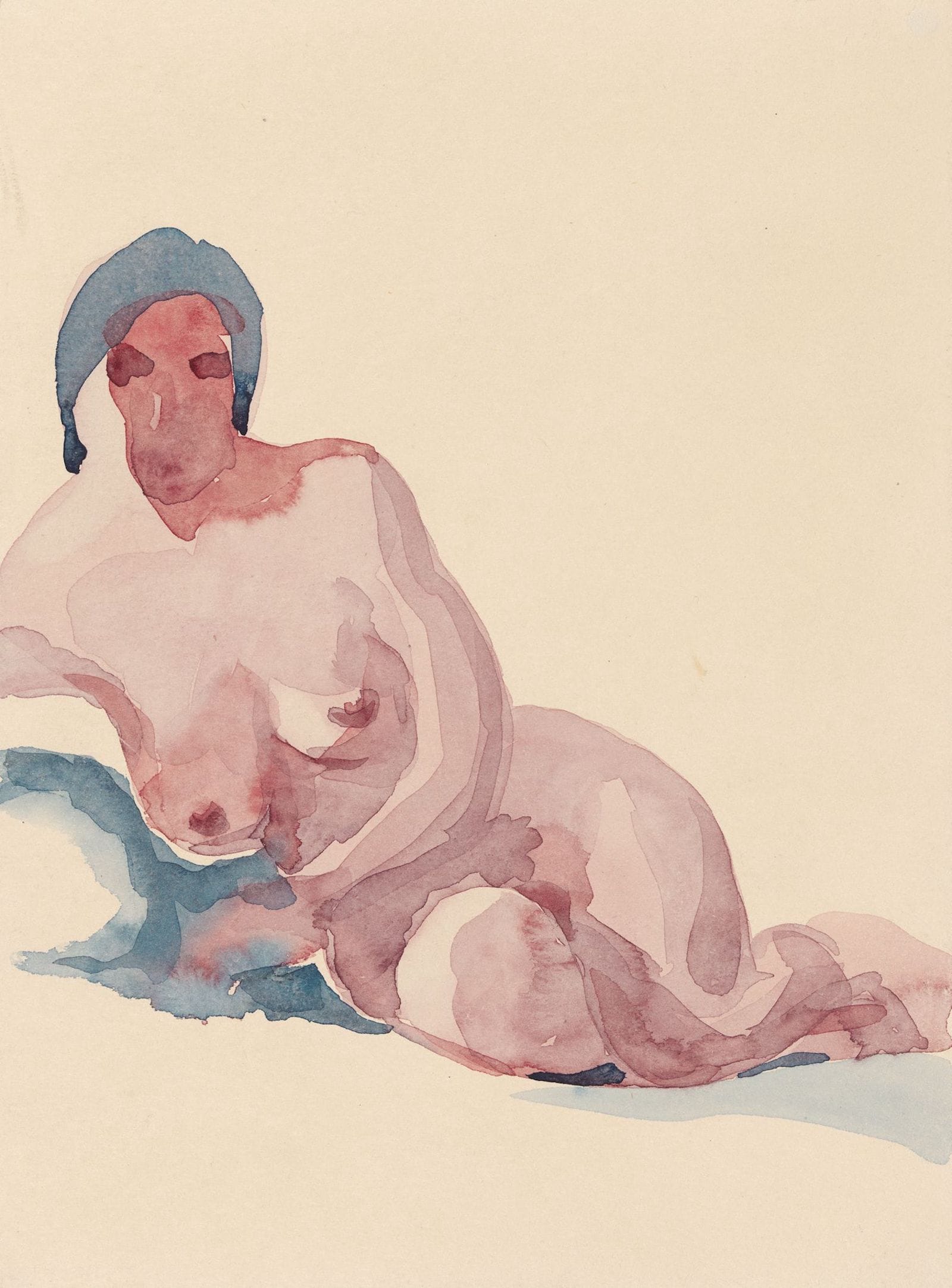
The film serves as a poignant reminder that the "Brightness of Light" she captured was not merely a feature of the New Mexico sun; it was a quality of her own mind. She possessed a rare ability to look at the world—at a bleached bone, a cloud, or a mountain—and strip away the superficial to find the structural truth beneath.
In an era where artists are often branded, commodified, and compressed into soundbites, O’Keeffe’s refusal to be categorized stands as a testament to the power of artistic autonomy. The Brightness of Light does not attempt to explain away the mystery of her work, and that is its greatest success. It allows her paintings to retain their quiet, haunting power, encouraging us to look again—and this time, to see the artist rather than the icon.
Film Details
- Georgia O’Keeffe: The Brightness of Light
- Director: Paul Wagner
- Narrators: Claire Danes, Hugh Dancy
- Availability: Now showing in select theaters; streaming via Apple TV, YouTube TV, and Google Play.
 Muslim
 Evan Lee Salim
 Jia Lissa
