

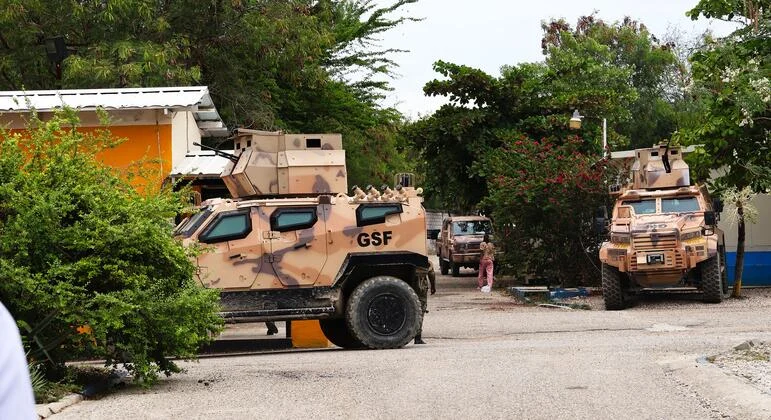
The international community is currently grappling with a convergence of humanitarian crises that span three continents. From the gang-ravaged streets of Port-au-Prince to the perilous waters off the coast of Somalia and the compounding food insecurity triggered by geopolitical tensions in the Middle East, the global order faces a testing period. Recent updates from the United Nations and its specialized agencies highlight a grim reality: the most vulnerable populations are bearing the brunt of systemic violence, piracy, and economic instability.
Main Facts: A Triad of Global Challenges
The current landscape is defined by three distinct but equally devastating crises:
- The Haitian Security Vacuum: Despite the arrival of international support, gang violence in Haiti continues to spiral. Since the beginning of the year, over 5,700 people have been killed or injured in the crossfire between criminal syndicates and state security forces.
- The Resurgence of Somali Piracy: The maritime domain remains volatile. While three hijacked vessels have been successfully released, the operation resulted in the tragic loss of five seafarers, underscoring the lethal nature of contemporary piracy.
- The Middle East Food Crisis: Geopolitical escalation in the Middle East, coupled with trade disruptions in critical maritime corridors like the Strait of Hormuz, threatens to push an additional 11.7 million women and girls into food insecurity by the end of this year.
Chronology: A Timeline of Recent Escalations
Haiti: A Cycle of Impunity
- January 1, 2024: The onset of the current reporting period for the UN Human Rights Office (OHCHR) regarding gang-related casualties.
- Recent Months: Deployment of the UN-mandated Gang Suppression Force commences. Despite initial operations, the High Commissioner for Human Rights, Volker Türk, warns that the force remains insufficient to address the scale of the crisis.
Somalia: Maritime Captivity and Rescue
- April – August 2024: A period marked by the systematic seizure of the HONOUR 25, the SEAMULL (SIBU 1), and the MT EUREKA by armed pirate groups.
- September 29, 2024: A high-stakes rescue operation in Somali waters results in the freedom of the HONOUR 25, though the mission is marred by the death of five crew members and the serious injury of others.
The Middle East: The Escalating Hunger Risk
- October 2024: UN Women releases a critical analysis revealing the ripple effects of Middle Eastern conflicts on global food chains. The report identifies the Strait of Hormuz as a primary chokepoint affecting commodity prices and household stability across 28 nations.
Supporting Data: Quantifying the Human Cost
The statistics provided by UN agencies paint a harrowing picture of human suffering.
Haiti’s Human Rights Crisis
The OHCHR reports that beyond the 5,700 casualties, the social fabric of Haiti is being torn apart by systematic gender-based violence. At least 1,000 women and girls have been victims of rape, and over 230 kidnappings have been recorded. Mr. Türk emphasizes that these figures are likely "severe undercounts," as the breakdown of law and order makes accurate reporting nearly impossible. The economic impact is equally catastrophic; looting and extortion have rendered essential services—such as hospitals and schools—inaccessible to the general population.
The Maritime Toll
The recent release of 44 seafarers is a minor victory in a larger, unresolved conflict. However, the cost of this rescue—five lives—has prompted an outcry from the International Maritime Organization (IMO). Currently, 22 seafarers remain held captive aboard the ASANA, highlighting that the danger to international shipping remains acute.
The Gendered Face of Hunger
UN Women’s latest analysis introduces a sobering projection: 11.7 million additional women and girls face food insecurity. This is an addition to the 208 million who were already malnourished in the 28 affected countries. The data suggests that conflict does not affect populations equally; in times of scarcity, women are statistically more likely to sacrifice their own nutritional intake to prioritize the needs of children and elderly family members.
Official Responses: Strategies and Pleas for Action
Volker Türk (High Commissioner for Human Rights) on Haiti
Mr. Türk has been vocal about the "full, accelerated deployment" of the Gang Suppression Force. He notes that while the force is a necessary intervention, it must operate with rigorous human rights safeguards. He argues that security alone is not a panacea; it must be accompanied by economic revitalization and the restoration of state services to prevent the total collapse of Haitian civil society.
Arsenio Dominguez (IMO Secretary-General) on Piracy
In a somber address, Secretary-General Dominguez expressed his condolences to the families of the fallen seafarers. He stressed that the global economy depends on these individuals, and their safety should be a collective priority. He is advocating for a "renewed resolve," calling on governments to utilize frameworks like the proposed Group of Friends of Safety and Security of Shipping and Seafarers. Furthermore, he lauded the efforts of EUNAVFOR Aspides and Atalanta, describing them as critical deterrents against maritime aggression.
Nyaradzayi Gumbonzvanda (UN Women) on Food Security
Ms. Gumbonzvanda, presenting the UN Women findings in Geneva, framed the situation as an urgent policy challenge. She urged international stakeholders to move beyond "emergency food aid" toward integrated solutions. Her recommendations include:
- Linking aid to nutrition: Ensuring that food assistance is tied to health outcomes.
- Economic Empowerment: Providing women with access to land, credit, and agricultural technology.
- Data-Driven Policy: Improving the granularity of data to identify exactly where the burden of "unpaid care work" is increasing during times of crisis.
Implications: The Long-Term Outlook
The convergence of these events suggests a world that is becoming increasingly fragmented.
The Fragility of Global Supply Chains
The situation in the Middle East and the Strait of Hormuz acts as a multiplier for global hunger. As conflicts disrupt shipping routes, the resulting inflation hits the poorest nations hardest. When commodity prices rise, the poorest households in countries like South Sudan, Yemen, and Palestine are often forced to choose between essential services and basic nutrition.
The Threat of "New Normality"
In Haiti, there is a risk that the cycle of violence becomes a permanent state of affairs. If the international community fails to provide the necessary resources to the Gang Suppression Force, the nation risks falling into a "failed state" scenario from which recovery could take generations.
Maritime Security as a Human Rights Issue
The tragedy of the five seafarers serves as a reminder that maritime security is not merely about protecting trade goods; it is about protecting human lives. The persistence of piracy in Somali waters suggests that the international community must maintain a sustained naval presence, as temporary surges in security are insufficient to dismantle the infrastructure of criminal networks.
Moving Forward: A Call for Integrated Governance
The common thread linking these crises is the need for a more robust and proactive international response. Whether it is the integration of human rights safeguards into military operations in Haiti, the cooperation between navies and shipping companies in the Indian Ocean, or the mainstreaming of gender-sensitive economic policies in conflict-affected regions, the message is clear: siloed solutions are no longer sufficient.
As these crises evolve, the role of international organizations will be to bridge the gap between emergency response and long-term systemic change. The upcoming months will be a test of political will, as the global community determines whether it can provide the resources and the strategic cooperation required to mitigate these threats before they escalate into even greater humanitarian disasters.
Ultimately, the plight of those held hostage by pirates, the women struggling to feed their families in the Middle East, and the citizens of Haiti living under the shadow of gang violence are interconnected. They are all victims of a system that has, thus far, struggled to provide the necessary security, stability, and dignity that every human being deserves. The call to action is not just for aid, but for a fundamental shift in how the world addresses the root causes of instability.
 Siti Muinah
 Lina Hope
 Asro
Asro
