

Every Wednesday, Hyperallergic pauses to reflect on the lives and legacies of the luminaries who have recently departed from the art world. This week, we pay tribute to a group of individuals whose contributions spanned the globe—from the pioneering curation of video art in Germany to the vibrant, community-focused muralism of Minneapolis, and the meticulous preservation of Warhol’s legacy in New York. Their work did not merely reflect the times in which they lived; it actively defined the aesthetic and institutional frameworks of the contemporary era.
Frayda Feldman (1938–2026): The Steward of the Warhol Legacy
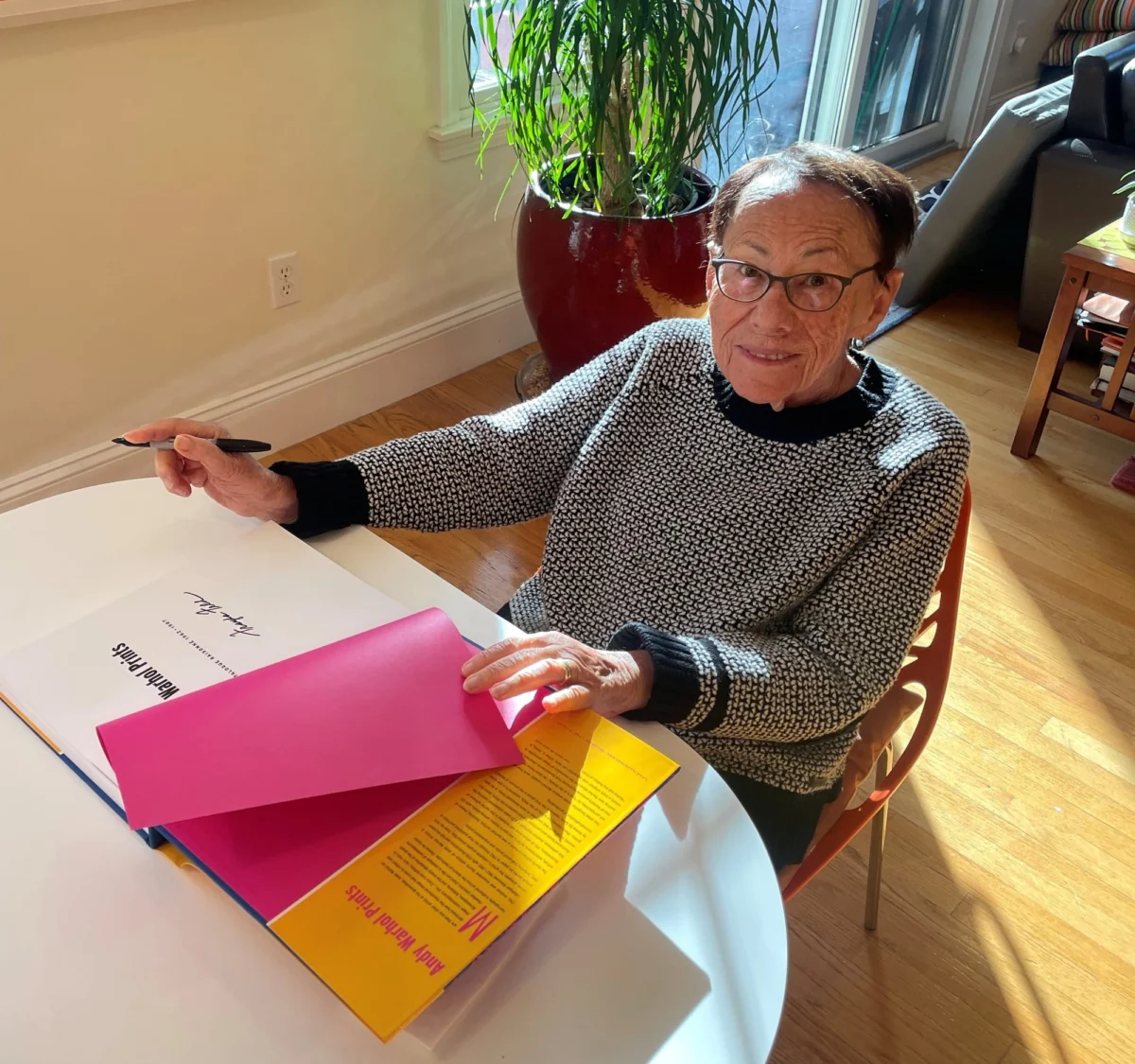
Frayda Feldman was more than a gallerist; she was a foundational figure in the history of the pop art movement. As the co-founder of Ronald Feldman Fine Arts in 1970, she transformed the New York gallery scene into a hub of progressive advocacy and intellectual rigor. Over her decades-long tenure, she curated exhibitions for more than 1,000 artists, consistently pushing the boundaries of what a commercial gallery could achieve in the realms of social justice and conceptual art.
A Career Defined by Partnership
Feldman’s most enduring professional legacy is inextricably linked to her partnership with Andy Warhol. Beyond the day-to-day operations of the gallery, she became the definitive expert on Warhol’s print editions. She served as the primary editor of the Andy Warhol Prints: A Catalogue Raisonné, a monumental project that has become the industry standard for authentication and research. Her work with Warhol in the 1980s—most notably on the Ads (1985) and Moonwalk (1987) series—provided the art world with a rare, granular view of the artist’s process. Feldman did not just sell art; she codified it, ensuring that future generations would have a clear roadmap to understand one of the 20th century’s most prolific creators.
The Curatorial Giants: Wulf Herzogenrath and Inga Brūvere
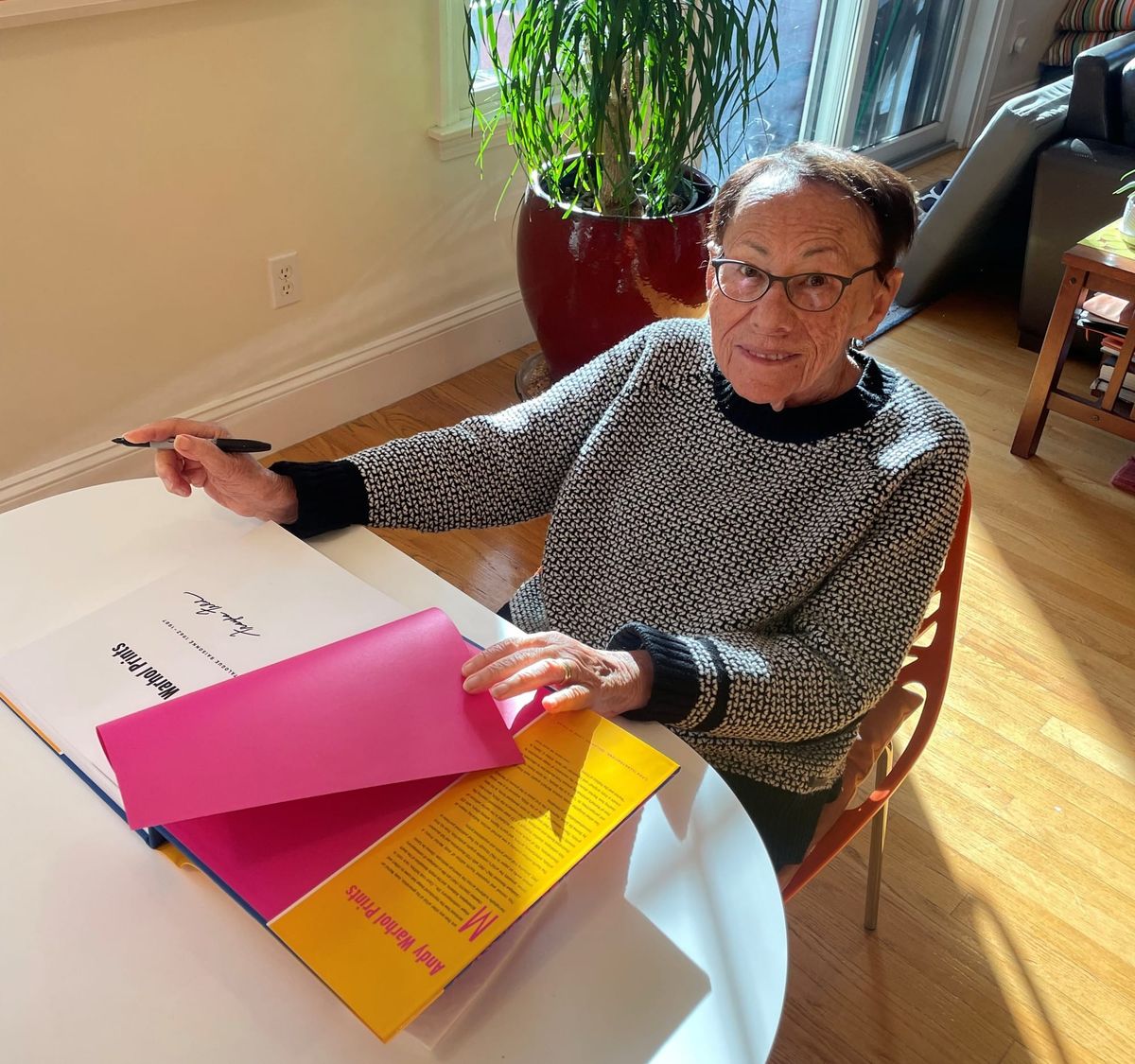
The international art circuit lost two of its most dedicated architects this week: Wulf Herzogenrath and Inga Brūvere. Their work illustrates the vital role of the curator as a bridge between the artist’s vision and the public’s perception.
Wulf Herzogenrath: The Video Art Pioneer
Herzogenrath (1944–2026) was instrumental in legitimizing video art at a time when the medium was still viewed with skepticism by traditional institutions. His appointment as the director of the Kunsthalle Bremen was marked by a commitment to the avant-garde. Perhaps his most significant achievement was his curation of the video art section at Documenta 6 in 1977. By platforming Nam June Paik—curating the artist’s first European solo show in 1976—Herzogenrath effectively brought the "father of video art" to the forefront of the global stage. His career served as a masterclass in institutional bravery, proving that museums could be sites of radical technological experimentation.
Inga Brūvere: Shaping the Latvian Avant-Garde
In Eastern Europe, Inga Brūvere (1963–2026) was a formidable force for creative expression. As an artist-turned-curator, she possessed an intuitive understanding of the obstacles faced by creators in the post-Soviet landscape. Her leadership within the State Cultural Capital Foundation and her role in co-founding the Latvian Association of Contemporary Art Festivals provided the structure necessary for Latvian art to thrive in the 21st century. Her crowning achievement, the Riga Photography Biennial, remains a testament to her vision of a collaborative, internationally recognized art scene.

Sculpting Perception: Charles Hinman and the Geometry of Minimalism
Charles Hinman (1932–2026) was a pioneer of the "shaped canvas," a development that fundamentally altered the relationship between painting and sculpture. By creating three-dimensional, geometric structures, Hinman challenged the flat, two-dimensional constraints of the traditional canvas.
The Evolution of Hard-Edge Abstraction
Rising to prominence in the mid-1960s, Hinman was a staple of the New York Minimalist movement. His inclusion in the Whitney Museum’s watershed 1965 exhibition Young America cemented his status as a leading voice in the evolution of abstract form. His work, characterized by its crisp edges and vibrant, interplay of light and shadow, resides in the permanent collections of the Museum of Modern Art and the Albright-Knox Gallery. Hinman’s legacy lies in his ability to make the viewer hyper-aware of the physical space their body occupies in relation to the artwork.
Community and Advocacy: The Legacies of Jane Stephenson, Melodee Strong, and James Wagner
While high-profile galleries and museums often capture the headlines, the lifeblood of the art world is found in its community organizers, educators, and collectors.
Jane Stephenson: Cultivating Space
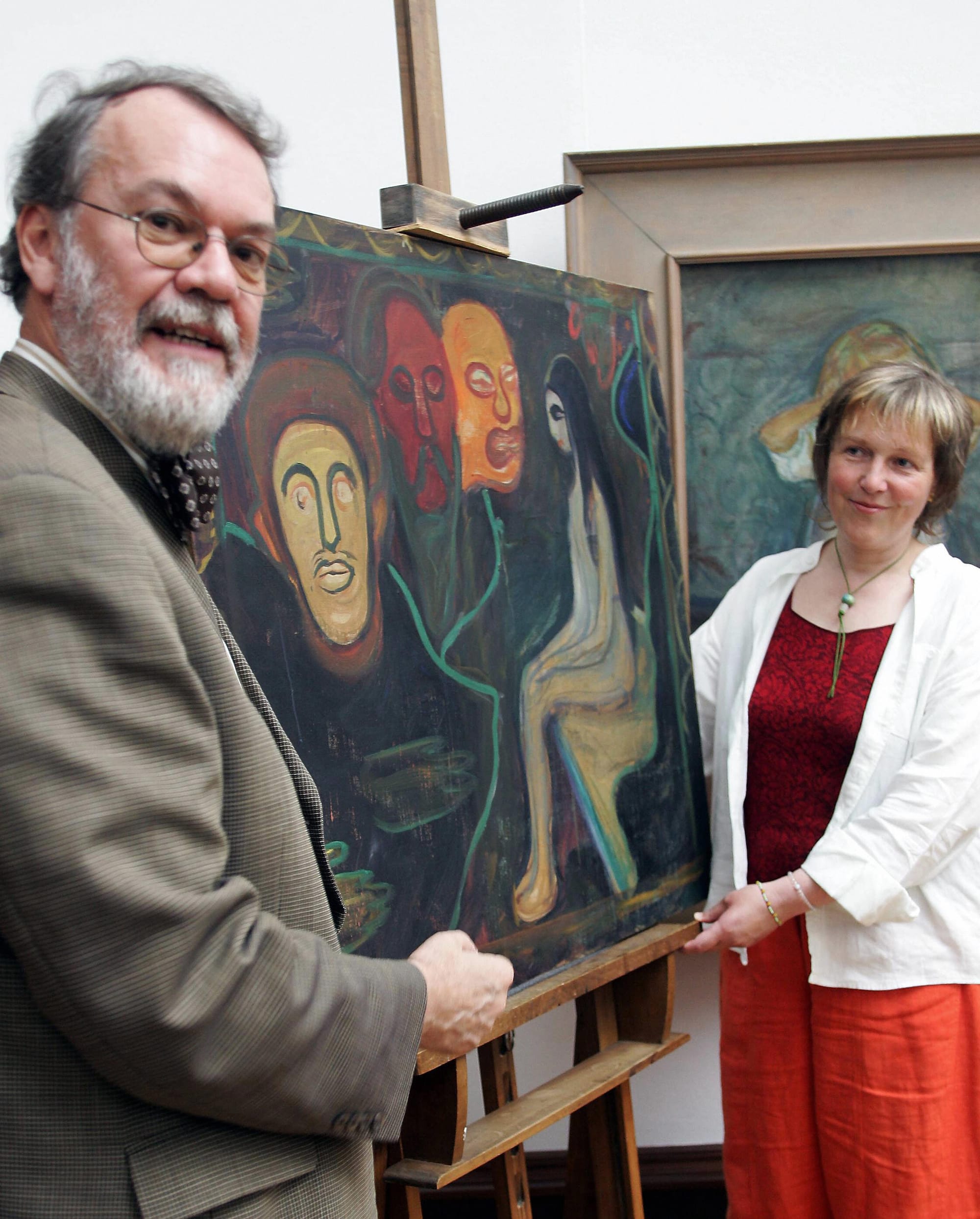
Jane Stephenson’s career was defined by her belief that artists need physical space to survive and flourish. In 1992, she co-founded the Elizabeth Foundation for the Arts (EFA) in Manhattan. For three decades, she served as its director, transforming the organization into a vital resource for studio space, professional development, and exhibition opportunities. Her background was remarkably eclectic—spanning costume design in New Mexico to wholesale clothing in Pakistan—which provided her with a unique, pragmatic perspective on the needs of the working artist.
Melodee Strong: The People’s Muralist
In Minneapolis, Melodee Strong (1973–2026) was a beloved figure whose work transformed the city’s urban landscape. Her murals were not just public decorations; they were collaborative community projects. By engaging local students in the process of painting, Strong instilled a sense of ownership and pride in the neighborhoods where her work appeared. Her Peruvian-American heritage and her role as an educator at the Minneapolis College of Art and Design meant that her impact will be felt by generations of students who learned from her approach to storytelling and social connectivity.
James Wagner: The Insatiable Collector
James Wagner (1940–2026) represented the quintessential art lover. As a pillar of the Brooklyn art community, his life was defined by an "insatiable curiosity." Alongside his partner, Barry Hoggard, Wagner amassed a collection of over 1,500 works, proving that collecting is not just an act of acquisition, but an act of support. Beyond his collection, Wagner was a committed activist, playing a vital role in ACT UP during the height of the HIV/AIDS epidemic. He remained a fierce advocate for artists until his final days, embodying the idea that to collect art is to participate in the ongoing dialogue of the human experience.
Implications: A Shift in the Cultural Guard
The passing of these seven individuals represents a significant transition for the art world. From the rigorous, institutional standards set by the likes of Feldman and Herzogenrath, to the grassroots, community-oriented philosophies of Strong and Stephenson, these leaders provided the scaffolding upon which the contemporary art market and cultural discourse are built.
The challenge for the next generation of curators, collectors, and artists is to maintain this momentum. As the art world becomes increasingly digitized and globalized, the human-centric approach championed by these figures—their focus on mentorship, physical space, social advocacy, and the physical materiality of art—serves as a necessary reminder of the core purpose of creativity. They leave behind more than just archives, catalogues, and murals; they leave a blueprint for how to nurture an ecosystem where art does not just exist, but actively contributes to the health and vitality of the society it serves.
As we mourn these losses, we are reminded that an art world is only as strong as the people who sustain it. The legacies of Feldman, Brūvere, Herzogenrath, Hinman, Stephenson, Strong, and Wagner will undoubtedly continue to influence the trajectory of creative expression for years to come.
 Muslim
 Evan Lee Salim
 Jia Lissa
