

As the political landscape of New York City shifts beneath the feet of the establishment and the global art world grapples with its own history of colonial extraction, this week’s news cycle highlights the convergence of grassroots activism and the ongoing reckoning with antiquities trafficking. From the ballot box to the museum gallery, the themes of reclamation, representation, and institutional accountability are resonating with unprecedented intensity.
Main Facts: The Rise of the Artist-Organizer
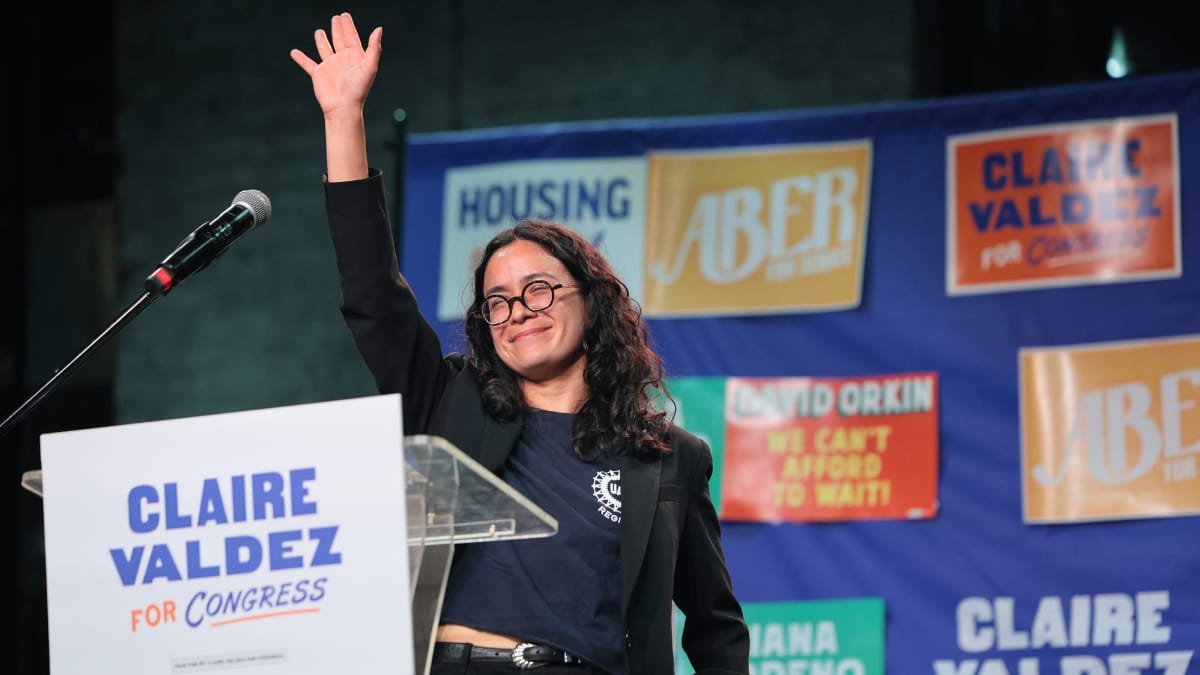
In a political upset that signals a profound shift in New York’s electoral dynamics, Claire Valdez, an artist and union organizer, has secured a resounding victory in the Democratic primary for New York’s 7th District. Her win—a landslide that has reverberated through the city’s political infrastructure—marks a significant milestone for the progressive movement, specifically the so-called "Commie Corridor" of Brooklyn and Queens.
Valdez’s campaign, deeply rooted in labor rights and artistic advocacy, represents a new breed of political candidate: the creative professional turned policymaker. As a candidate endorsed by the Democratic Socialists of America (DSA) and fellow progressive leaders like Zohran Mamdani, Valdez has successfully articulated a platform that bridges the gap between the precarious gig economy of the art world and the broader struggle for systemic economic reform. Her victory is not an isolated incident but part of a larger, coordinated success for a slate of progressive candidates who are increasingly defining the political identity of New York City.

Chronology of the Cultural Reckoning
The conversation regarding cultural property and the ethics of museum acquisition has moved from the fringes of academia to the center of public discourse. Central to this is the release of Matthew Campbell’s The Man Who Stole the Gods: A True Story of War, Obsession, and a Global Art Conspiracy.
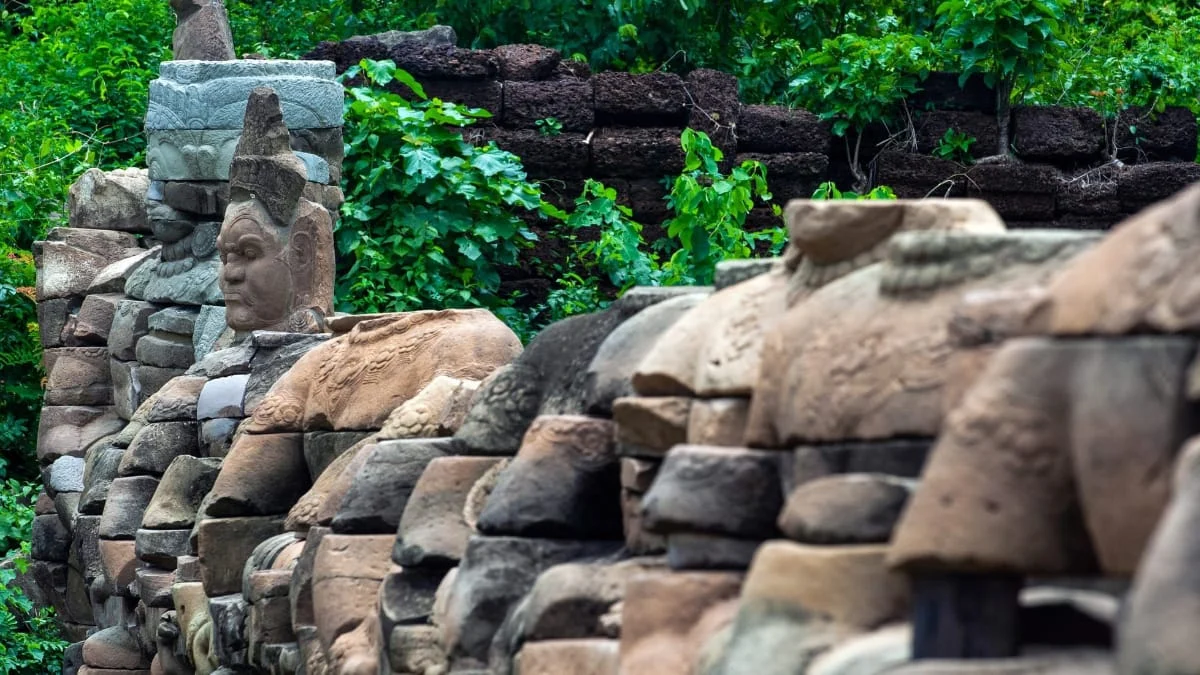
Campbell, a veteran reporter for Bloomberg Businessweek, spent years meticulously tracing the illicit pipelines that fed the insatiable appetite of Western collectors for Khmer Empire artifacts—Hindu and Buddhist deities dating from the 9th to the 15th centuries. The narrative arc of his investigation is one of systemic violence:
- The 1970s–1990s: The height of the Cambodian genocide, during which the chaos of war provided a smokescreen for the systematic looting of temples and archaeological sites.
- The 2000s–2010s: The rise of provenance research, as international pressure mounted on major institutions, such as the Metropolitan Museum of Art, to reconcile their collections with the brutal history of their acquisition.
- 2026: The current moment, marked by a surge in repatriation efforts and a public demand for transparency that institutions can no longer ignore.
Supporting Data: The Anatomy of a Conspiracy
The trafficking of antiquities is rarely a simple act of theft; it is a complex, global conspiracy involving facilitators, middle-men, and prestigious institutions that often provided the "veneer of legality" required to launder stolen objects into the canon of Western art history.
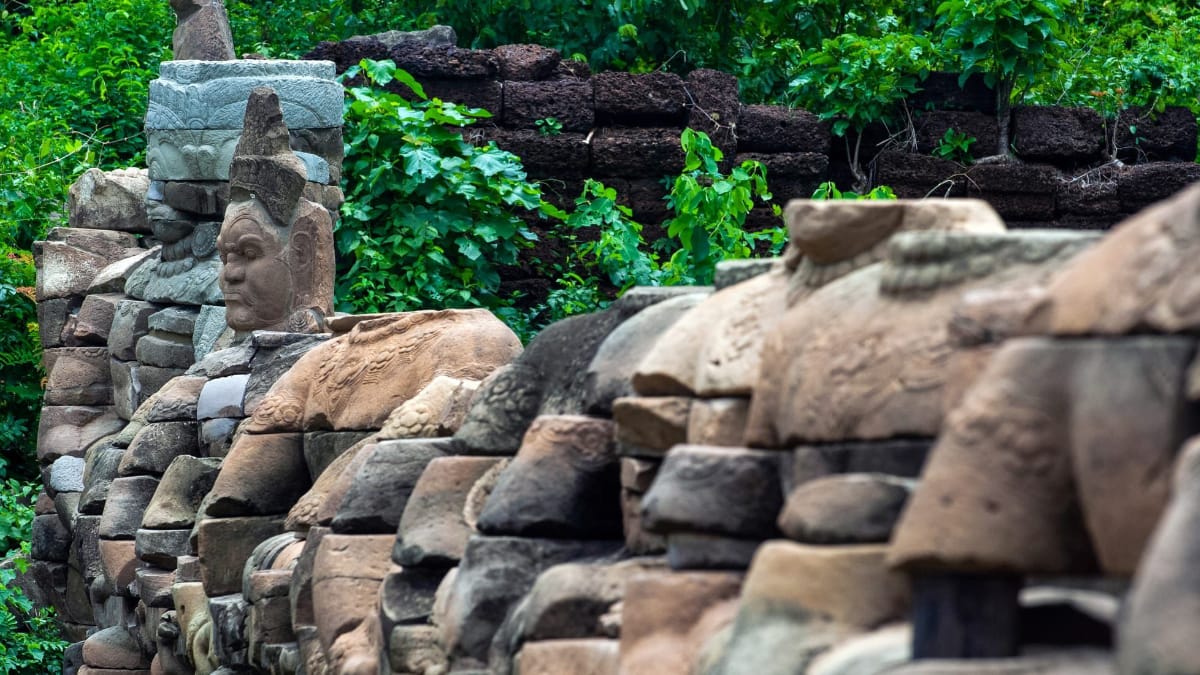
In an interview with art crime researcher Erin L. Thompson, Campbell explores the psychological and economic drivers of this trade. "What makes a looter loot?" is the fundamental question that Campbell addresses. It is an intersection of financial desperation, the geopolitical instability of post-colonial states, and the romanticized obsession of wealthy collectors who view cultural heritage as a commodity to be possessed rather than a history to be preserved.
Data from the past decade of repatriation efforts suggest that for every artifact returned to Cambodia, there remain dozens more currently held in private collections and museum basements, their histories obscured by fraudulent documentation. The "Global Art Conspiracy" described by Campbell is a multi-billion dollar ecosystem that relies on the complicity of the art market—auction houses, galleries, and private dealers who have historically turned a blind eye to the provenance of high-value items.
Official Responses and Institutional Stances
The institutional response to these revelations has been varied, ranging from cautious cooperation to outright hostility. For years, major institutions like the Metropolitan Museum of Art have faced intense criticism for their resistance to repatriation requests.

One particularly egregious incident cited in the ongoing discourse involved the museum’s handling of a Cambodian dancer who attempted to perform a ritual at the institution to honor the deities currently held in its halls. The act was meant to be one of cultural reclamation and spiritual reverence, but it was met with institutional barriers that underscored the distance between the museum’s curated narrative and the living culture of the objects it holds.
As public pressure mounts, however, the "fortress mentality" of these institutions is beginning to crack. Proactive research, the return of items to their countries of origin, and the acknowledgment of historical theft are no longer just ethical suggestions—they are becoming institutional necessities to maintain public trust.
Implications: The Future of Cultural and Political Landscapes
The developments this week suggest that we are entering an era of "radical accountability." Whether it is a voter in the 7th District demanding a representative who understands the reality of working-class labor, or an activist demanding the return of a stolen Khmer sculpture, the underlying sentiment is the same: the old systems of power are no longer sufficient to address the needs of the modern world.
The Political Horizon
For Claire Valdez, the path forward involves translating her grassroots energy into legislative efficacy. As she looks toward the midterm elections, her challenge will be to maintain the "Commie Corridor" momentum while navigating the complexities of Congressional governance. If she succeeds, she will become a bellwether for how the arts and labor sectors can intersect in federal politics.
The Cultural Horizon
In the art world, the implications are equally profound. The publication of The Man Who Stole the Gods serves as a catalyst for a broader movement. It is no longer acceptable for institutions to hide behind "legal ownership" when that ownership is predicated on the exploitation of war-torn nations. We are seeing a shift where the "value" of an object is no longer measured solely by its aesthetic quality or its price tag, but by its history and the ethical legitimacy of its presence in a collection.
Opportunities for Continued Engagement
While the macro-issues are addressed, the art community continues to foster local growth and opportunity. From the Pratt Manhattan Gallery’s "Beyond Digital" exhibition—which examines the intersection of technology, ecology, and intelligence—to the upcoming cycle of The Bennett Prize, there is a clear intent to support emerging voices and provide platforms for those traditionally sidelined by the art establishment.
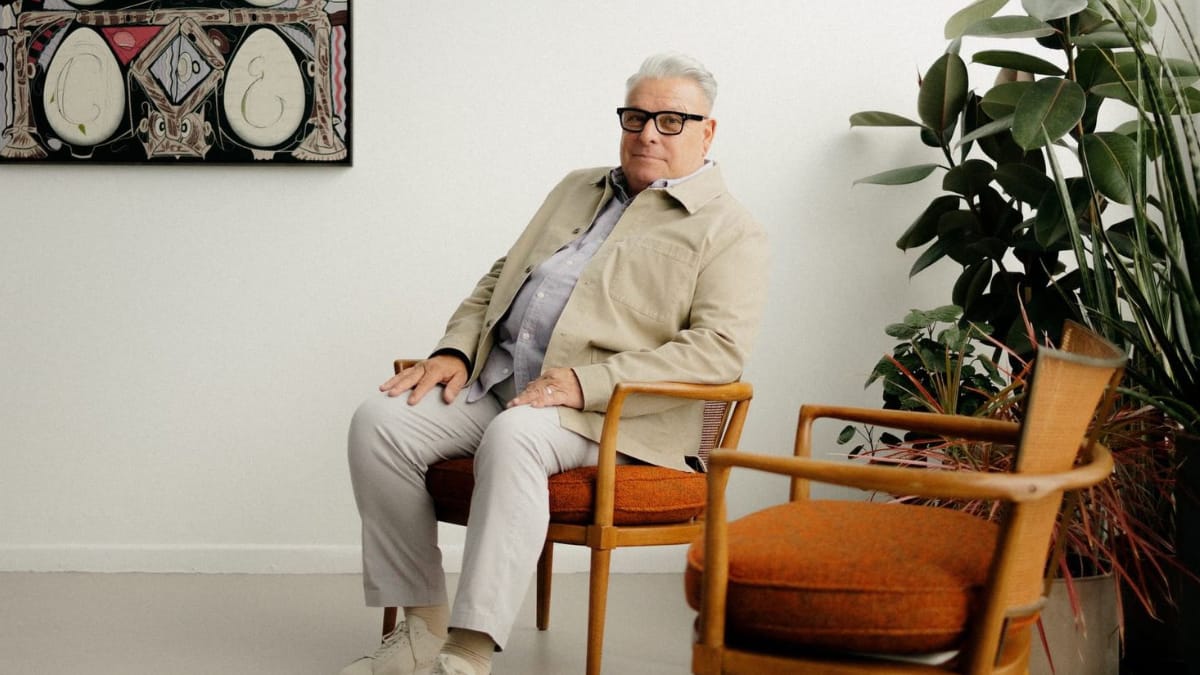
The Bennett Prize, in particular, offers a substantial $75,000 grant and a solo exhibition to women figurative realist painters. By focusing on this specific demographic, the initiative seeks to correct historical gender imbalances in the art market, echoing the broader theme of the week: that we must actively work to build a more equitable, transparent, and representative culture.
Conclusion
The news this week is a reminder that the personal is always political, and the historical is always contemporary. Whether we are discussing the ballot count in a New York district or the provenance of a 12th-century statue, we are essentially asking the same question: Who gets to speak for the past, and who gets to shape the future?
As the 7th District prepares for the midterms and the conversation around antiquities continues to evolve, one thing is clear: the status quo is in retreat. We are witnessing a transition toward a more critical, transparent, and inclusive society—one where the voices of the people and the integrity of our shared history are placed above the interests of the few.
For those looking to stay informed, the upcoming months will be critical. From local art shows in Chicago to the national stage in Washington, the actions we take today will define the cultural and political landscape for generations to come. The era of passive observation is over; the time for active participation in the shaping of our world has arrived.
 Muslim
 Evan Lee Salim
 Jia Lissa
