

By Hyperallergic Daily Desk
Published September 2026
Main Facts
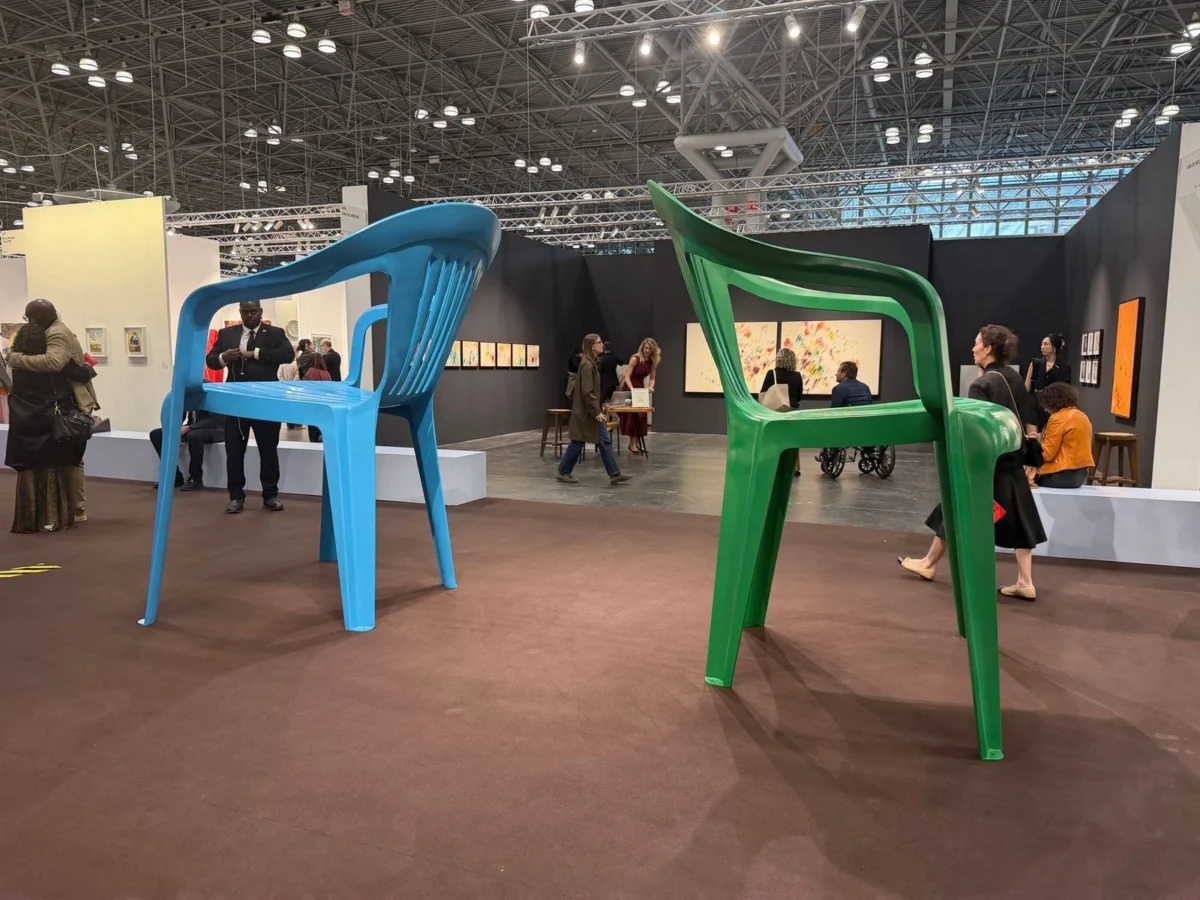
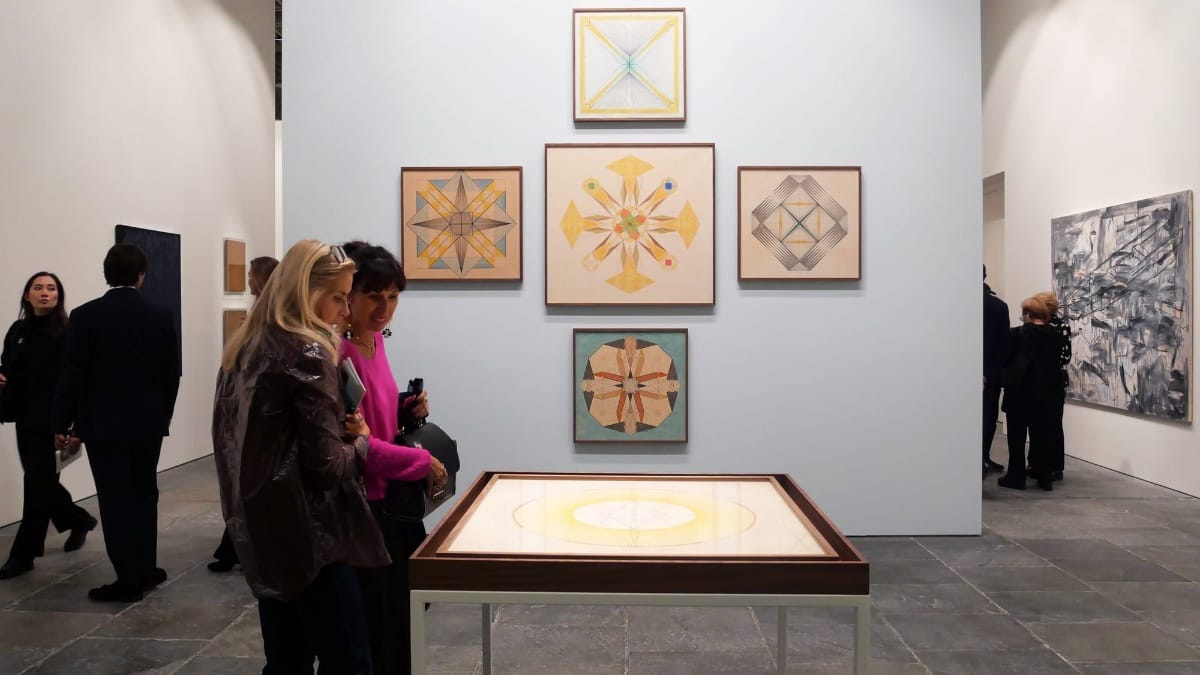
As the autumn art season kicks into high gear, New York City has once again plunged headfirst into its dizzying September fair flurry. Navigating the labyrinth of booths, press releases, and blue-chip monoliths requires equal parts endurance and critical detachment. Leading the charge into this season’s cultural calendar is the fifth edition of Independent 20th Century, which opened on September 24 at the iconic Breuer Building in Manhattan. Described by critics as a "monstrous mise en abyme," the fair occupies a brutalist masterpiece that has cycled through iterations as the Whitney Museum, the Met Breuer, and a temporary home for the Frick Collection, only to now find itself functioning as an art fair housed within an auction house.

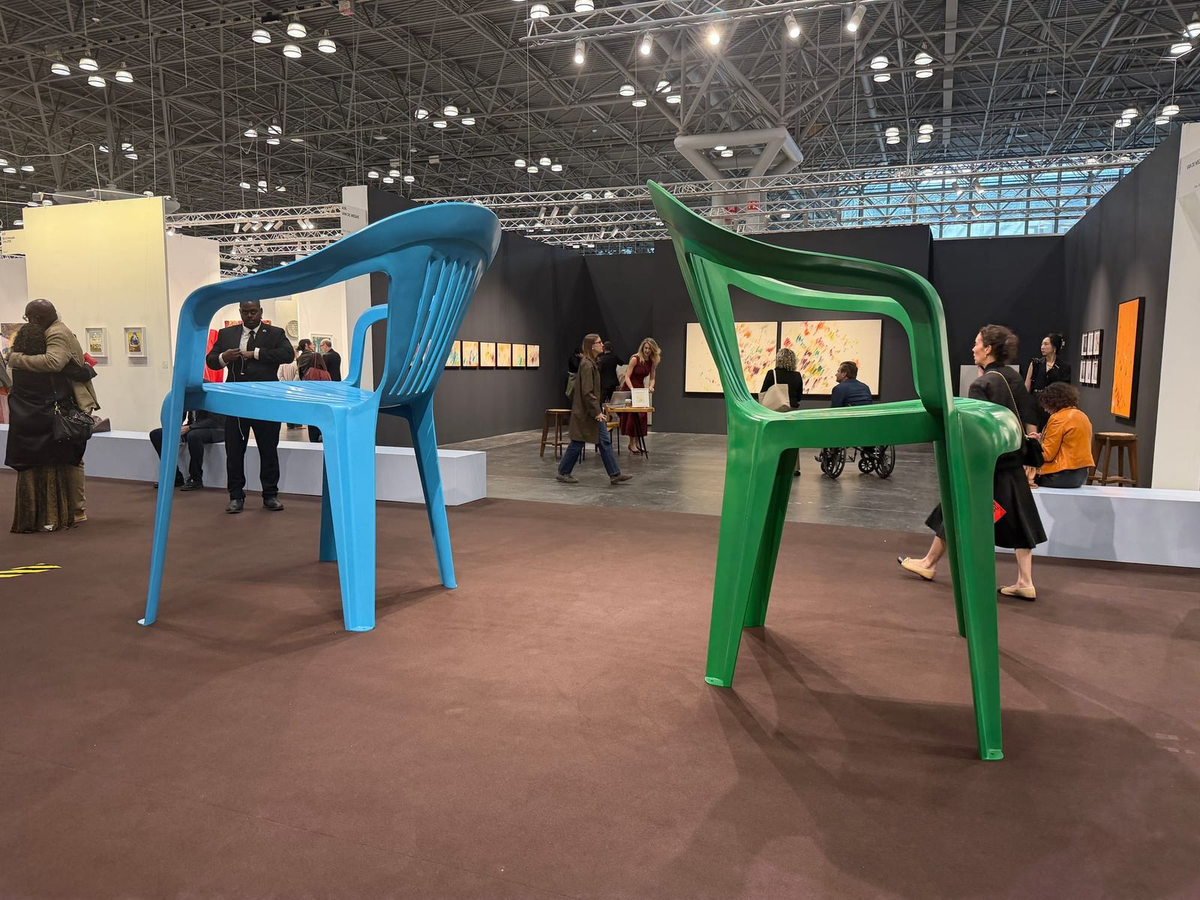
Simultaneously, The Armory Show opened its doors to a distinctly subdued reception. Editor-in-Chief Hakim Bishara characterized the atmosphere of this year’s blue-chip behemoth as "awfully quiet and downcast," noting that its muted tone made the financial sector trade show operating on the floor below feel like an absolute riot by comparison. Beyond New York, the broader cultural ecosystem continues to grapple with foundational questions of institutional legacy, posthumanism in contemporary exhibitions, and the aggressive diversification strategies of major auction houses like Christie’s launching new pop culture divisions aimed squarely at Millennial and Gen Z collectors.
Chronology of Events: The September Fair Circuit and Beyond
- 2014 – 2023 (The Breuer Building’s Architectural Odyssey): Following the departure of the Whitney Museum of American Art in 2014, the Marcel Breuer–designed brutalist landmark on Madison Avenue transitioned through brief stints housing the Metropolitan Museum of Art’s contemporary galleries and the Frick Collection during its renovations. In 2023, the building was officially acquired by Sotheby’s, setting the stage for a new commercial era.
- September 24, 2026: The fifth iteration of Independent 20th Century officially opens its doors to the public at the Breuer Building, spotlighting historically overlooked and marginalized modern artists within a complex structural framework.
- Late September 2026: Simultaneously, The Armory Show launches its annual New York run, drawing mixed reviews for its quiet, subdued atmosphere compared to previous high-octane editions.
- Ongoing (Global & Regional Exhibitions): Concurrently, international critics review standout presentations such as the Polish Pavilion at the Venice Biennale and specialized exhibitions highlighting the repatriation of handmade Indigenous Australian dolls. Meanwhile, institutions like the Frist Art Museum debut conceptual exhibitions like Shimmer: Dreaming the Posthuman, exploring human interconnectedness with the more-than-human world.
Supporting Data & Institutional Shifts
The contemporary art market is experiencing a profound identity crisis characterized by architectural repurposing, shifting demographics, and structural inequities in legacy preservation.
- The Breuer Building Real Estate Evolution: The transition of the Breuer Building from a sanctified public museum space (Whitney/Met) to a commercial auction house headquarters (Sotheby’s) hosting commercial fairs like Independent 20th Century highlights the commercialization of architectural icons. The venue itself has become a physical manifestation of the art world’s market-driven realities.
- Market Demographics and Institutional Pivots: In a bid to capture younger buyers, major market makers like Christie’s have formally launched pop culture divisions. This corporate pivot reflects broader economic data showing declining engagement with traditional fine art categories among Millennials and Gen Z, contrasted with booming interest in cross-genre pop culture ephemera, design, and digital assets.
- Artist Legacy and Preservation Disparities: Discussions sparked by recent publications—such as the Joan Mitchell Foundation’s Creating Future Memory and workshops hosted by the Center for the Preservation of Artist Legacies in New York City—underscore a persistent economic disparity. Artists frequently lack the financial and logistical mechanisms to manage their archives until late in their careers (ages 60 to 70), risking the complete loss of their cultural footprint and the so-called "second death" among grieving relatives.
Official Responses and Critical Commentary
The dual nature of New York’s September fairs—juxtaposing commercial survival against critical curation—has drawn sharp commentary from prominent art critics and industry insiders.
- Valentina Di Liscia on Independent 20th Century: Di Liscia captured the recursive irony of the fair’s setting, noting that Independent 20th Century operates as "an art fair within an auction house inside a building that used to be a museum, a monstrous mise en abyme that perfectly encapsulates the art world today." She further joked about the building’s exhausting itinerary: "If I were the Breuer Building, I’d need a vacation."
- Hakim Bishara on The Armory Show: Offering a concise verdict on the state of the blue-chip fair, Bishara wrote: "This year’s edition seemed awfully quiet and downcast, making the financial sector trade show on the floor below seem like a riot in comparison."
- Valerie Hird on Artist Legacies: Addressing the systemic challenges of artistic preservation, artist and commentator Valerie Hird noted the structural hurdles creators face: "Understanding the value we artists have to the cultural continuum is equal to the challenge of how to participate in it… Historically, we can barely find the means to create the work, let alone preserve it, ensuring that the ‘second death’ among our relatives is very real. I applaud The Joan Mitchell Foundation for publishing ‘Creating Future Memory’…"
Implications for the Global Art Ecosystem
The convergence of events at the 2026 autumn fairs signals deeper, structural transformations within the international art market:
- The Commercialization of Sanctuary Spaces: The reuse of museum-grade architecture for commercial art fairs and auction houses signals a permanent blurring of lines between civic cultural institutions and private market enterprise. While fairs like Independent 20th Century do vital work by platforming overlooked and marginalized artists from the 20th century, doing so within the belly of a major auction house underscores the inescapable financialization of canon-building.
- Generational Shifts in Collecting: Traditional fine art fairs are facing pressure to adapt as younger generations—namely Millennials and Gen Z—redefine value through pop culture, digital media, and interdisciplinary storytelling. Initiatives by houses like Christie’s to create specialized pop culture divisions indicate that legacy institutions are actively trying to reinvent their pipelines to stay relevant.
- The Urgent Need for Legacy Infrastructure: As highlighted by critical discourse surrounding artist estates, the cultural continuum depends heavily on early intervention in archiving and legacy planning. Without structural support systems—such as those advocated by the Joan Mitchell Foundation and the Center for the Preservation of Artist Legacies—the historical record will continue to disproportionately erase artists who lack the generational wealth or institutional backing to preserve their own life’s work.
 Muslim
 Evan Lee Salim
 Jia Lissa
