

NEW YORK — The Spring Break Art Show has returned to New York City, reclaiming its mantle as one of the independent art world’s most eccentric and conceptually daring fair experiences. True to form, the organizers have bypassed the sterile, white-box conventions of traditional commercial art fairs, opting instead for a sprawling, labyrinthine venue that carries a heavy, unexpected history: the recently vacated corporate headquarters of CBS News on the north side of Hell’s Kitchen.
Spanning the ninth floor of 555 West 57th Street—a space that, until earlier this year, echoed with the production meetings and broadcast chatter of stalwarts like 60 Minutes, CBS Sports, and Inside Edition—this year’s edition of the fair operates under the thematic umbrella of “Hide ’n Seek.”
Against a backdrop of lingering corporate branding, broadcast booths, and partitioned newsrooms, participating artists and curators have used the venue’s eccentric architecture to confront contemporary crises, socio-economic burdens, and the politics of visibility.
Main Facts: A Corporate Relic Meets Radical Art
The Spring Break Art Show, co-founded by Andrew Gori and Ambre Kelly, has carved out a unique space in the crowded ecosystem of New York’s annual art fair calendar. Rather than relying on massive open convention floors, the fair traditionally nests within unconventional, often derelict commercial spaces.
- The Venue: The 9th floor of 555 West 57th Street in Hell’s Kitchen, formerly a primary broadcasting hub for CBS News.
- The Theme: “Hide ’n Seek,” a conceptual framework that mirrors the circuitous, dead-end-laden architecture of the former news headquarters.
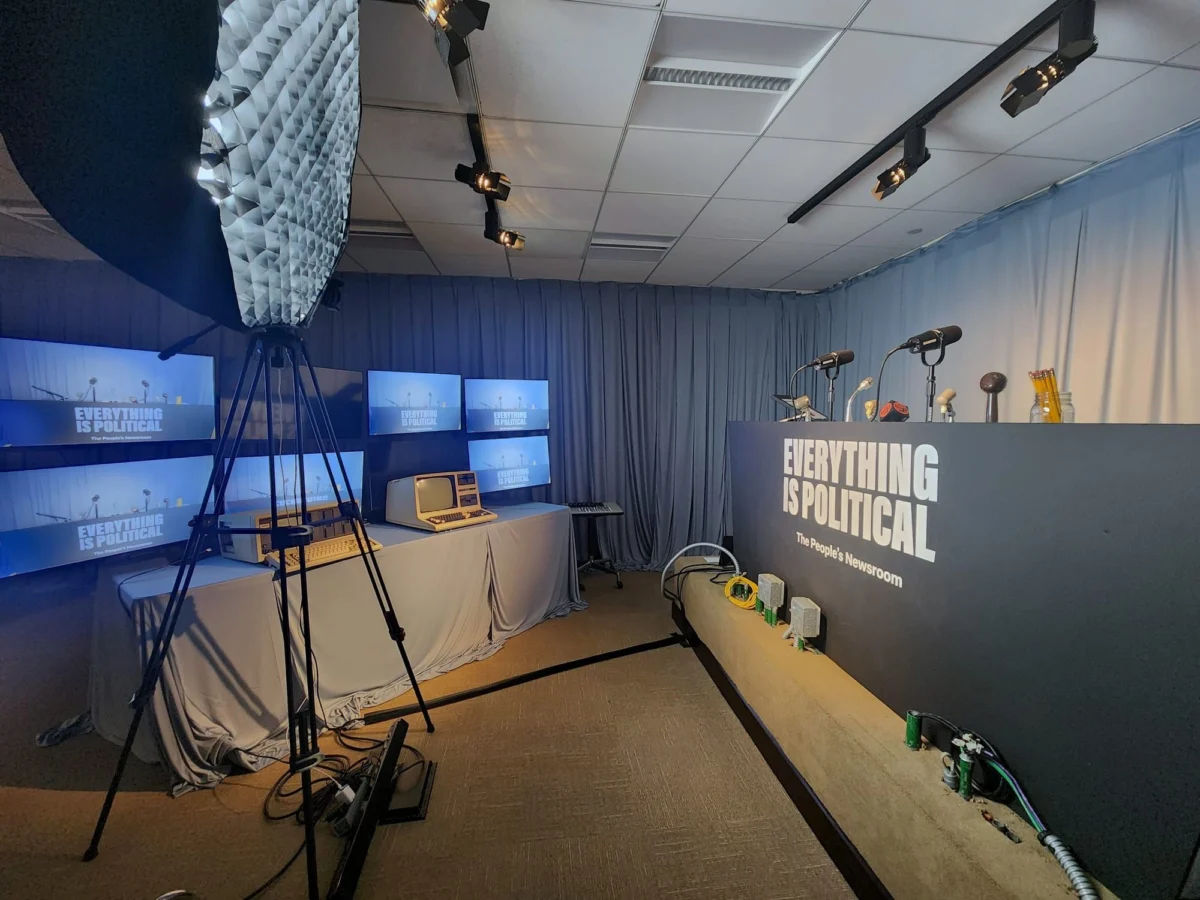
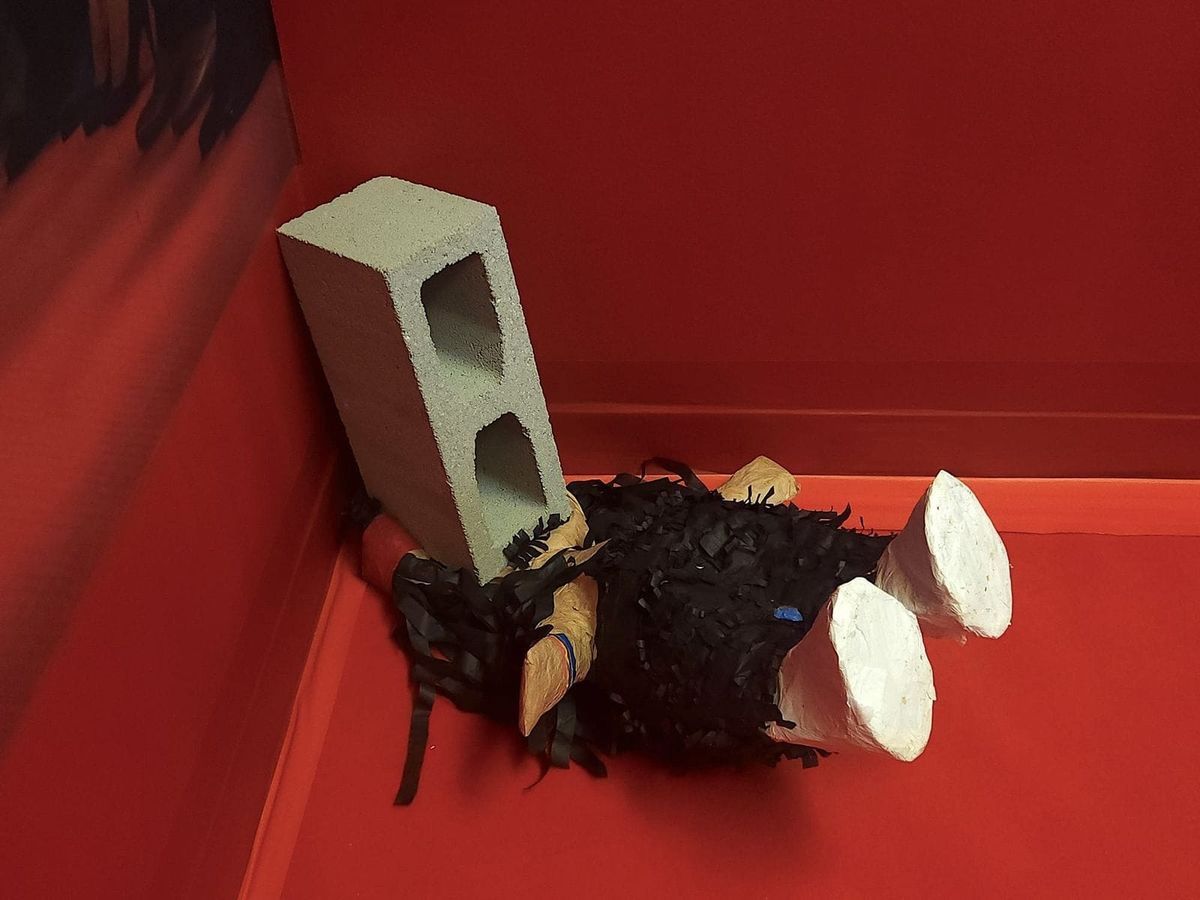
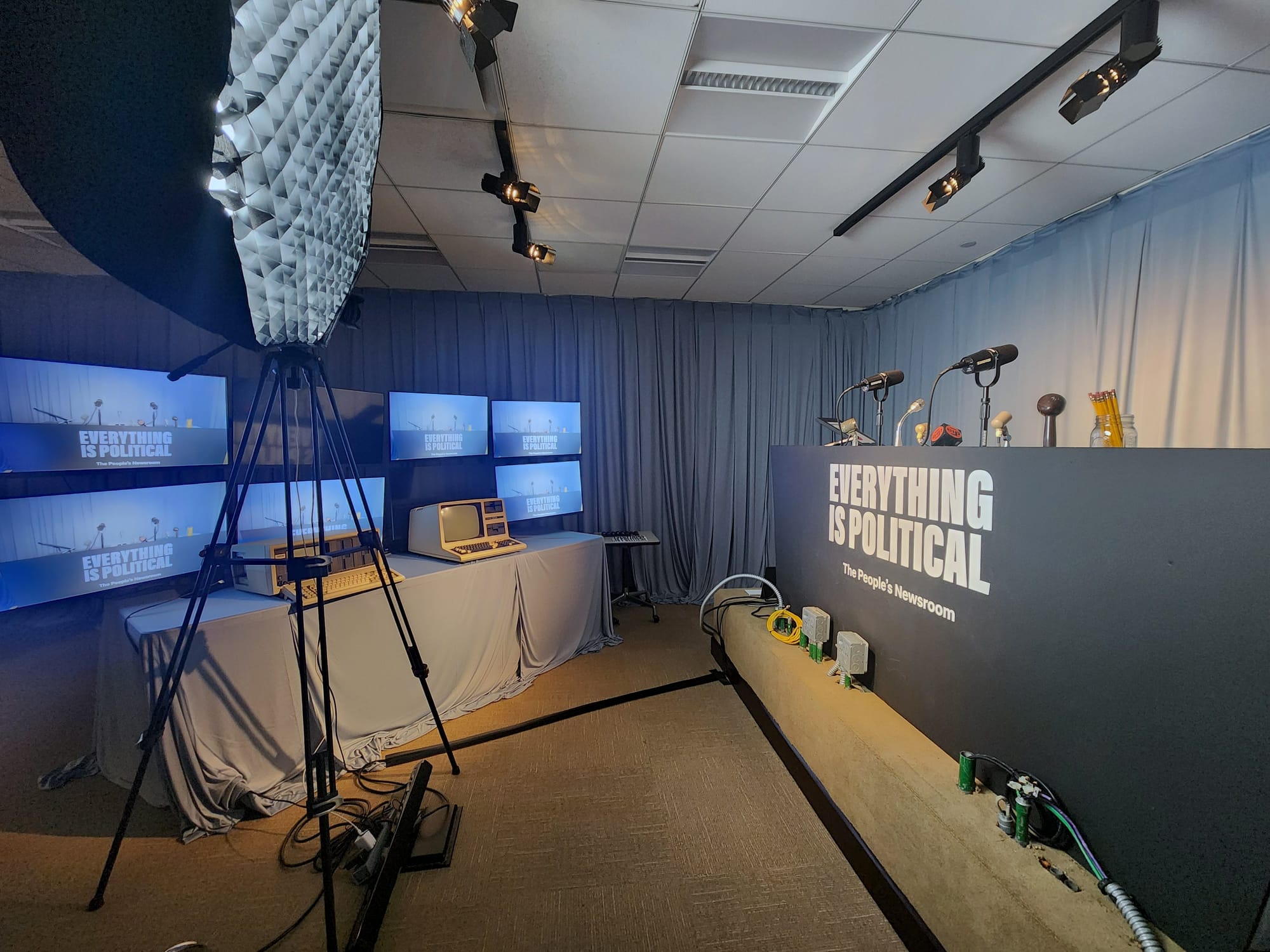
- Key Installations: Highlights include Jesus Benavente’s crushing Peso Pesado piñata sculptures, Luke Ivy Price’s tribute to overlooked maintenance labor curated by Ryan Bock, and The People’s Newsroom—a takeover of an actual CBS recording studio by the climate justice nonprofit Slow Factory.
- Core Focus: Navigating politics, current events, labor equity, privacy, and bodily autonomy through immersive, site-specific art installations.
Chronology: From Broadcast Room to Art Labyrinth
The transformation of 555 West 57th Street from a bastion of mainstream media production into an avant-garde art fair underscores the rapid shifts in New York’s commercial real estate landscape.
- Early 2026: CBS News vacates its long-held offices and studios on the north side of Hell’s Kitchen, leaving behind a heavily outfitted corporate ecosystem complete with editing bays, sound-proof recording booths, and remnants of broadcast branding.
- September 2026: Spring Break co-founders Andrew Gori and Ambre Kelly secure the 9th floor of the building, rejecting alternative offers to host the fair in neighborhoods like TriBeCa in favor of the complex, winding floor plan of the former news offices.
- Thursday, September 24, 2026: The fair opens to critics, curators, and the public. Attendees navigate a maze of dead-ends, hidden nooks, and repurposed production rooms where contemporary art intersects with the ghosts of televised journalism.
Supporting Data & Spatial Dynamics
The synergy between the venue and the artwork is not merely coincidental; it is foundational to the visitor experience. According to Gori, the decision to use the former CBS headquarters was driven entirely by how well its floor plan accommodated the “Hide ’n Seek” theme.
[555 West 57th Street, 9th Floor]
       │
       ├──► Former CBS Recording Studio ──► Slow Factory's "The People's Newsroom"
       ├──► Corporate Hallways & Nooks  ──► Jesus Benavente's "Peso Pesado" Piñatas
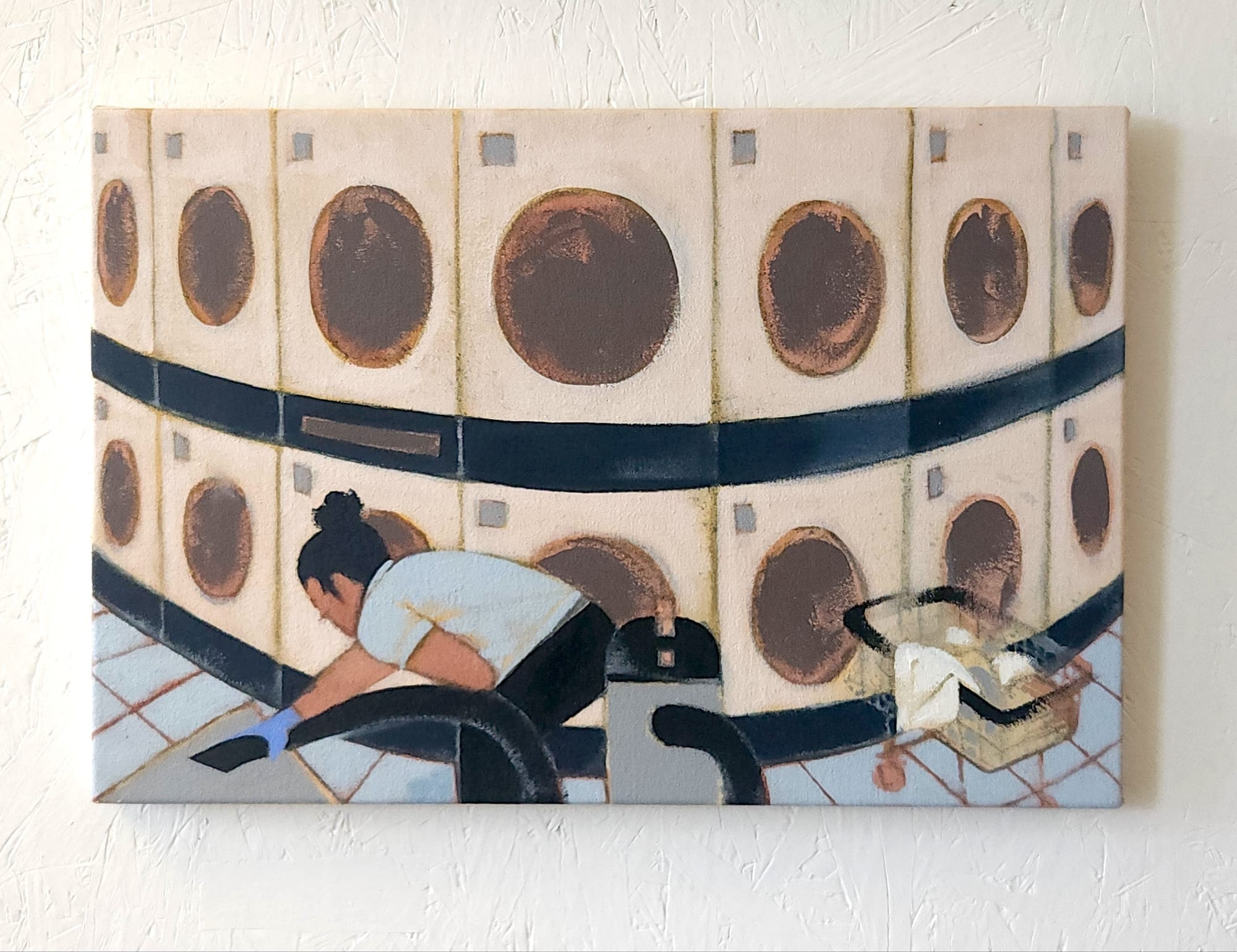
       └──► Utility & Production Bays   ──► Luke Ivy Price's "Miss Wilma Cleans the Dryers"
The Weight of Contemporary Life: Jesus Benavente’s Peso Pesado
Among the standout presentations is Jesus Benavente’s ongoing Peso Pesado (Heavyweight) series. Utilizing intricately crafted piñata sculptures, Benavente captures the crushing, systemic weight of modern existence. In a venue once dedicated to processing the day’s breaking news—often sensationalized and fast-paced—Benavente’s sculptures force a slow, tactile confrontation with personal and collective burdens. The juxtaposition of festive folk-art mediums (piñatas) with themes of exhaustion creates a poignant commentary on resilience under capitalist pressure.
Honoring the Unseen: Luke Ivy Price and Ryan Bock
Curated by Ryan Bock, artist Luke Ivy Price presents “Miss Wilma Cleans the Dryers,” a deeply moving homage to the invisible labor that underpins modern society. Set against the backdrop of a corporate office space—itself heavily reliant on behind-the-scenes custodians, technicians, and administrative staff—Price’s work shines a light on the quotidian, manual labor that is routinely underappreciated or entirely denigrated by the white-collar workforce that once inhabited the building.
Official Responses and Curatorial Intentions
The fair’s organizers and participants have been vocal about how the transition from a traditional media landscape to an artist-driven forum changes the nature of public discourse.
Speaking to Hyperallergic during the opening days of the fair, co-founder Andrew Gori reflected on the venue selection process:
"This is actually the perfect venue for the theme. We had the chance to have the fair in TriBeCa again, but this felt better suited."
Perhaps no project encapsulates this sentiment more than The People’s Newsroom, spearheaded by the climate justice nonprofit Slow Factory via their independent media project, Everything Is Political. By commandeering a former CBS recording studio, Slow Factory has subverted the corporate broadcasting apparatus. Instead of anchoring evening news segments dictated by executive producers and corporate sponsors, everyday visitors and fair participants are invited step behind the microphones, go on the record, and broadcast their own political perspectives, climate realities, and social grievances.
Slow Factory’s takeover literalizes the fair’s underlying mission: taking the tools of mass communication and handing them back to the populace.
Implications: Reclaiming Narrative Spaces
The 2026 Spring Break Art Show is more than a curation of clever booths hidden inside corporate nooks; it is a profound exercise in spatial and narrative reclamation.
- The Death and Rebirth of Corporate Media Spaces: As major media conglomerates downsize or shift their physical footprints, commercial real estate in Manhattan undergoes rapid mutation. Spring Break’s occupation of the CBS offices serves as a temporary, poetic exorcism of corporate news hegemony, replacing boardrooms and broadcast desks with raw human expression.
- The Democratization of Broadcasting: Through installations like The People’s Newsroom, the fair challenges the unidirectional flow of information. By allowing ordinary citizens to use actual broadcast infrastructure to air political dissent and ecological urgency, the project blurs the line between artist, journalist, and activist.
- The Politics of Visibility: Under the banner of “Hide ’n Seek,” the artworks force viewers to look into the corners of society that are routinely ignored—whether it is Luke Ivy Price’s tribute to maintenance workers or Jesus Benavente’s exploration of mental and physical exhaustion.
As visitors navigate the winding corridors of 555 West 57th Street, they are reminded that art, much like journalism, is fundamentally about uncovering what has been hidden, questioning who controls the narrative, and inviting the public to speak truth to power on their own terms.
 Muslim
 Evan Lee Salim
 Jia Lissa
