

New York, NY — New York City’s cultural landscape is experiencing a period of profound friction and grassroots innovation. As autumn approaches, unionized staff at three of the city’s most prominent cultural institutions have voted to authorize strikes over fair labor contracts. Simultaneously, community-driven resource programs are stepping in to mitigate the prohibitive costs of artistic production, even as formal higher arts education faces severe financial contractions. From public art interventions tied to New York Fashion Week to major architectural groundbreakings, the city’s arts ecosystem remains a dynamic focal point for labor, economics, and creative expression.
Main Facts
The current cultural cycle in New York is defined by several major developments across labor, community infrastructure, and public exhibitions:

- Museum Labor Unrest: Unionized workers at the Whitney Museum of American Art, the Brooklyn Museum, and the American Folk Art Museum have overwhelmingly voted to authorize strikes, signaling a coordinated push for equitable wages, better benefits, and sustainable working conditions.
- Public Library Craft Initiative: The Brooklyn Public Library launched a new craft supply lending program last week, allowing patrons to check out high-cost equipment such as Cricut machines and woodworking kits. This complements the recent opening of Brooklyn Creative Reuse’s brick-and-mortar shop in Industry City.
- Higher Education Contraction: Pressures on the arts economy are evident in formal education; notably, the School of Visual Arts (SVA) is shutting down its graduate photography and video practice program due to financial headwinds and declining enrollment.
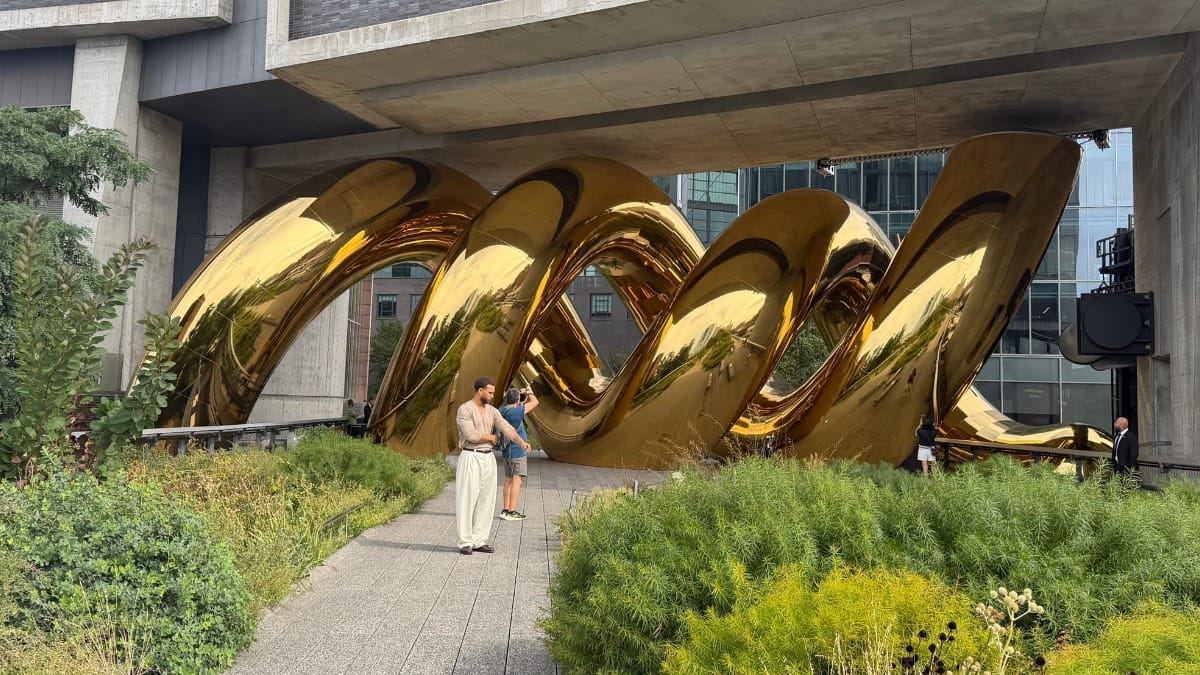
- High Line Public Art: Coinciding with New York Fashion Week, a shimmering, gilded cavatappi-shaped inflatable sculpture titled Benji, backed by luxury jewelry house Bulgari, has transformed the High Line.
- Major Exhibitions and Groundbreakings: The Metropolitan Museum of Art has broken ground on its forthcoming Tang Wing for Contemporary Art. Meanwhile, prominent exhibitions include a retrospective of the late artist Pope.L at the Drawing Center and a major solo show by Chilean artist Alfredo Jaar at Galerie Lelong.
Chronology of Recent Cultural Developments
The convergence of labor actions, institutional milestones, and public art installations unfolded over a busy late-summer and early-autumn schedule:
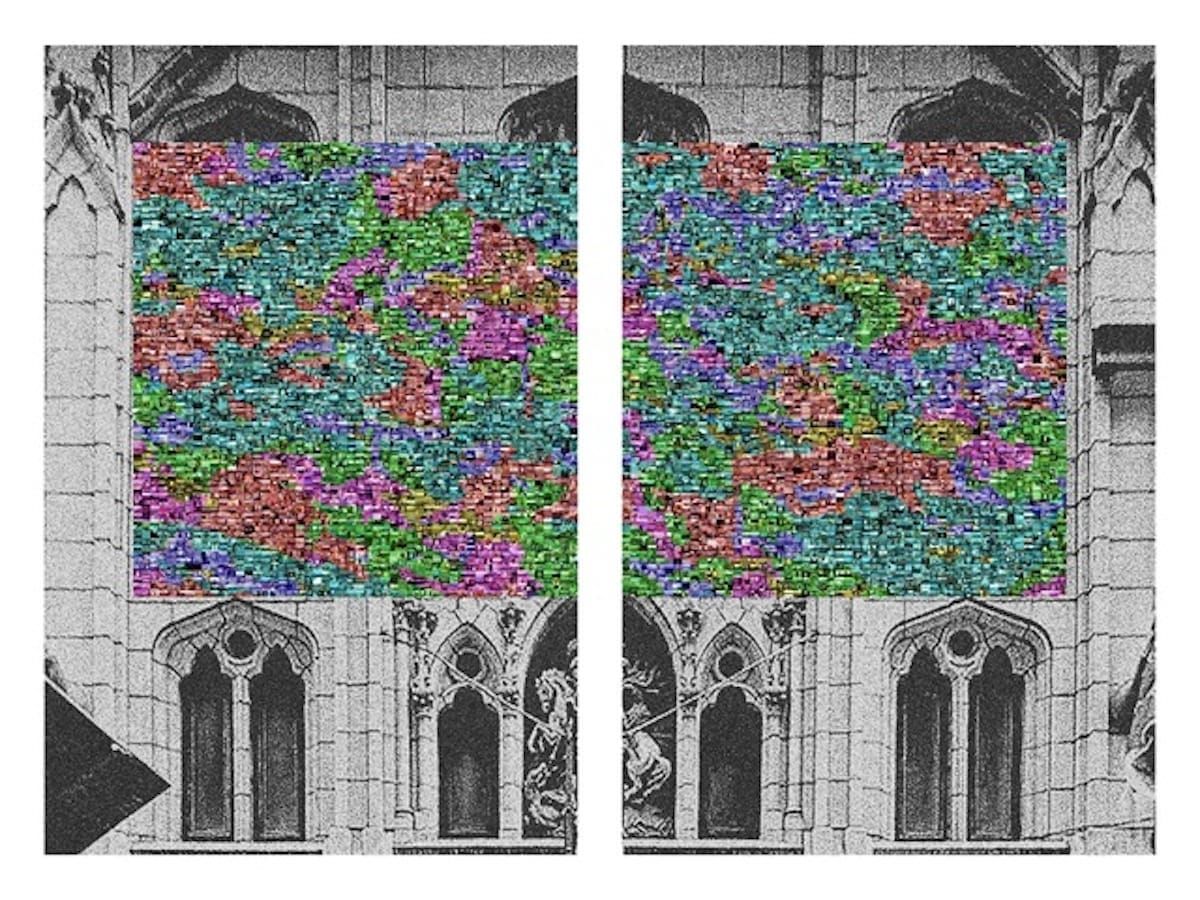
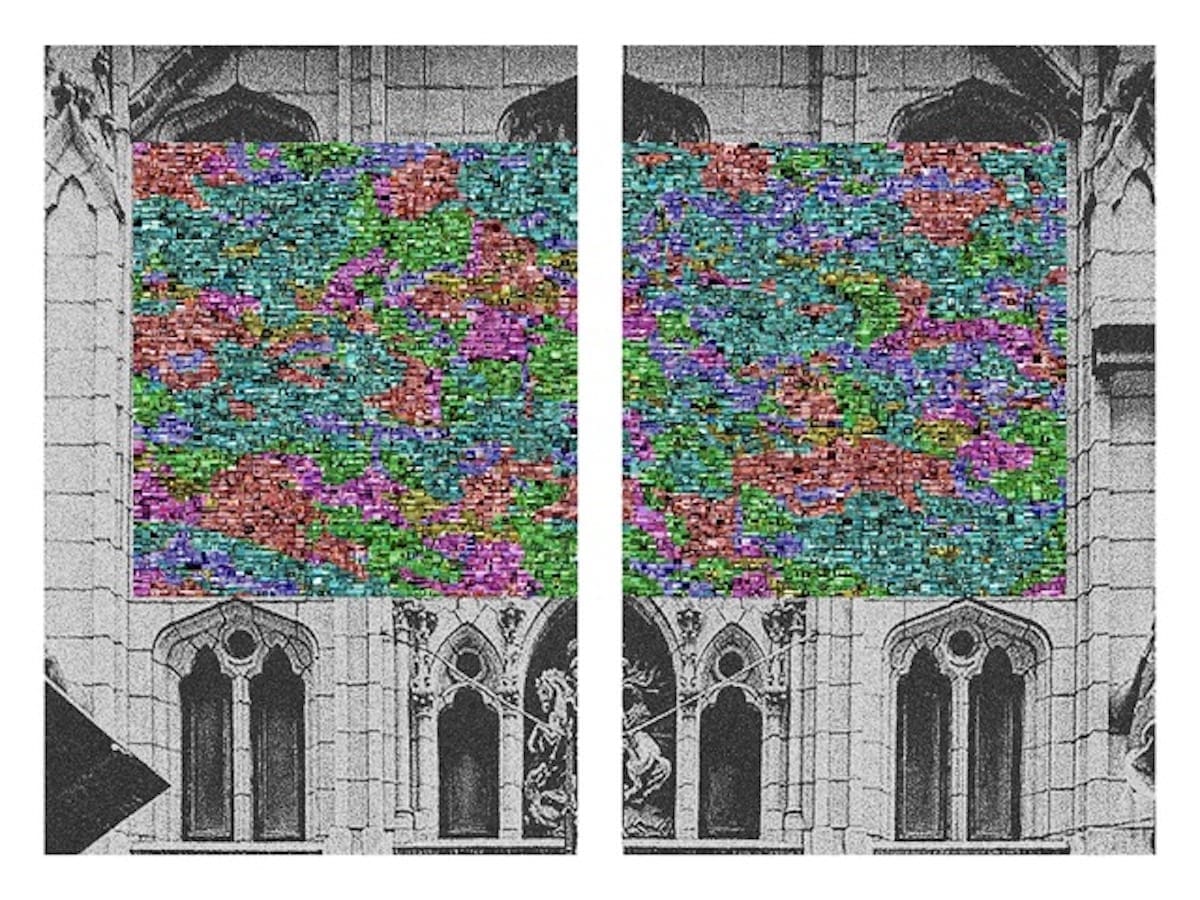
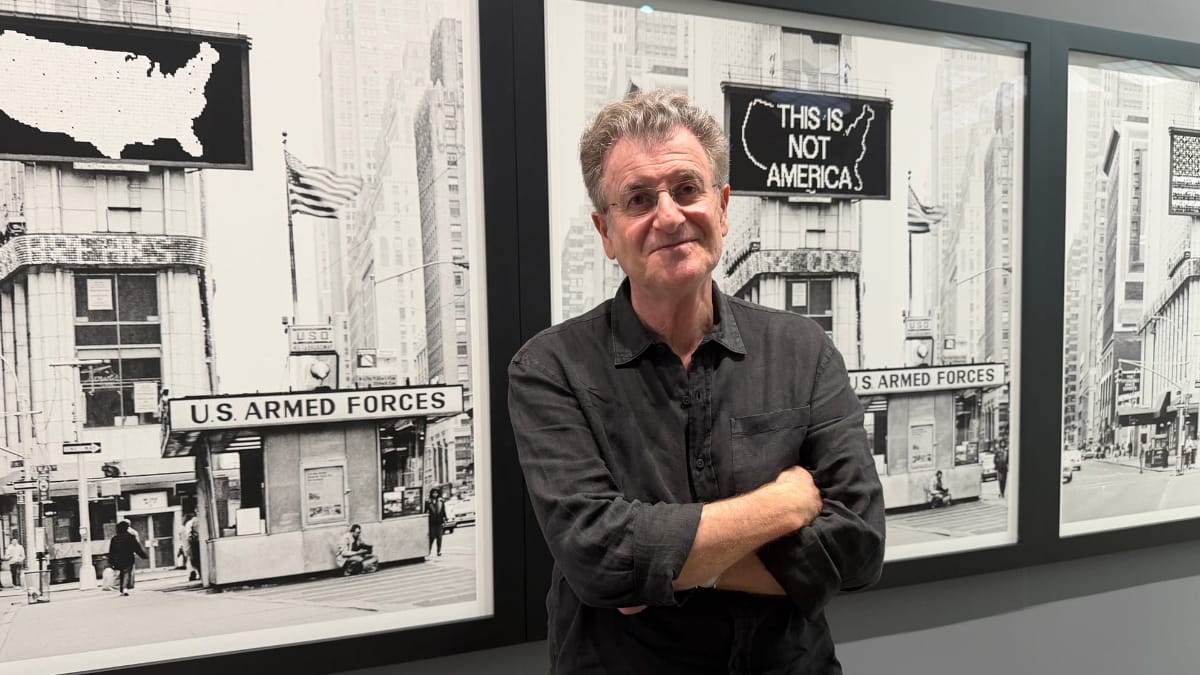
- April 1987 (Historical Context): Alfredo Jaar famously debuted his groundbreaking LED installation A Logo for America in Times Square, challenging American hegemony and cartographic definitions.
- Late Summer 2026: Arts communities grapple with the 25th anniversary of the September 11 attacks, prompting widespread critical reflections by artists and cultural workers on the global reverberations of the War on Terror.
- Mid-September 2026:
- The Brooklyn Public Library introduces its craft supply lending program, expanding public access to art-making tools.
- Unionized workers across the Whitney Museum, Brooklyn Museum, and American Folk Art Museum finalize votes authorizing strikes if management fails to agree to fair contracts.
- The Metropolitan Museum of Art hosts its groundbreaking ceremony for the Tang Wing for Contemporary Art.
- A gilded inflatable sculpture, Benji, appears on the High Line, backed by Bulgari for New York Fashion Week.
- September 16–20, 2026: The Affordable Art Fair New York Fall edition returns to the Starrett-Lehigh building in Chelsea, showcasing over 90 galleries.
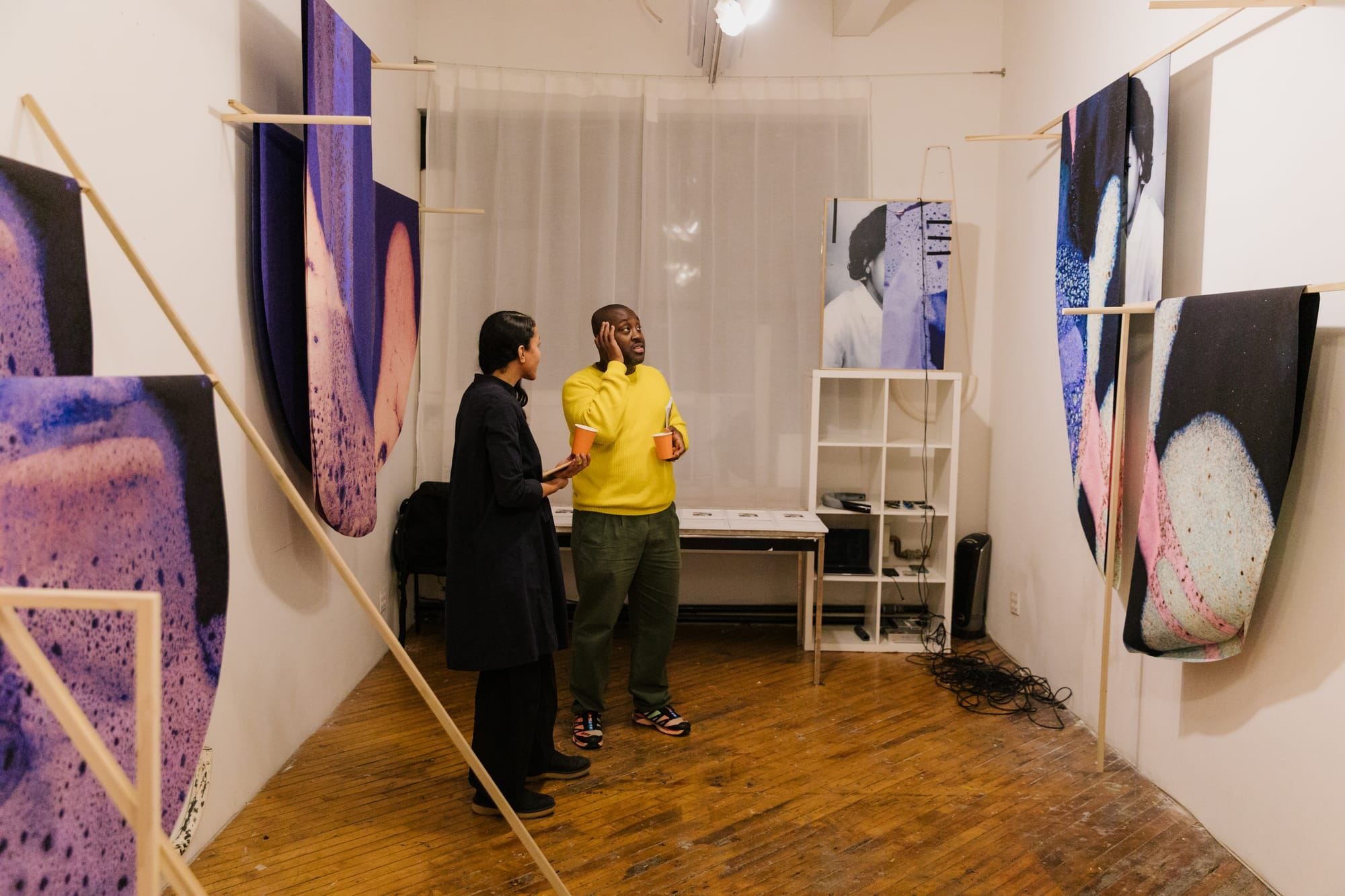
- September 30, 2026: Upcoming member events, including Hyperallergic’s studio visits for the International Studio & Curatorial Program’s (ISCP) Ground Floor Residency, highlight emerging New York artists.
Supporting Data: The Rising Costs of Art and Education
The economic realities of sustaining an artistic practice in New York City have reached a critical juncture. While institutional wealth is visibly expanding through mega-projects like The Met’s Tang Wing and corporate-sponsored fashion week activations, grassroots creators and academic students face mounting structural hurdles.
- Barriers to Entry: The cost of specialized studio equipment—such as digital cutters, woodworking tools, and archival printing systems—often places traditional and contemporary craft out of reach for independent makers. Programs like the Brooklyn Public Library’s new lending library and the newly opened Brooklyn Creative Reuse shop in Industry City address this by democratizing access to raw materials and machinery.
- Higher Education Deficits: The closure of the School of Visual Arts’ graduate photography and video practice program underscores a broader national trend: shrinking student enrollment paired with escalating operational costs in private arts education.
- The Labor Landscape: With three major museums—the Whitney, the Brooklyn Museum, and the American Folk Art Museum—simultaneously backing strike authorizations, cultural labor unions are leveraging collective bargaining to combat stagnant wages, inflation, and high living costs in the metropolitan area.
Official Responses and Perspectives
Voices from across the art world highlight a tension between elite institutional expansion and the precarious reality of everyday cultural workers and artists.
Labor and Union Leadership
While formal statements from individual museum administrations emphasize ongoing negotiations, union representatives from the affected institutions maintain that authorization votes are a necessary last resort. Workers argue that despite the prestige and multi-million-dollar capital campaigns undertaken by museums (such as The Met’s contemporary wing expansion), front-line staff, educators, and administrative personnel continue to face financial insecurity.
Artists on Legacy and Politics
The enduring relevance of political art is underscored by retrospective evaluations of figures like Alfredo Jaar and Pope.L. In a recent interview with Hyperallergic Editor-in-Chief Hakim Bishara, Jaar reflected on his decades-long effort to use art as a tool for sociopolitical critique, tracing a direct line from his 1987 Times Square intervention to contemporary struggles against geopolitical hegemony.
Similarly, reflections on the 25th anniversary of 9/11—featuring insights from artists such as Naeem Mohaiemen and Wafaa Bilal—examine how institutional and state responses to the post-9/11 era fundamentally reshaped immigrant rights, civil liberties, and the thematic concerns of a generation of South Asian and Middle Eastern artists working in the United States.
Implications for New York’s Cultural Future
The concurrent shifts in New York’s art ecosystem point toward an increasingly polarized future for the city’s creative sectors.
- A Shift Toward Mutual Aid and Public Resources: As traditional formal education pathways in the arts contract—typified by SVA’s program closures—alternative and municipal models like public library tool-lending programs and creative reuse centers are becoming vital lifelines. These grassroots systems may increasingly replace traditional institutional training grounds for independent artists.
- The Escalation of Cultural Labor: If museum administrations and unionized workers fail to reach agreements at the bargaining table, strikes across the Whitney, the Brooklyn Museum, and the American Folk Art Museum could set a watershed precedent for labor relations in the US museum sector, potentially disrupting major fall exhibition schedules.
- Corporate Integration vs. Critical Practice: The seamless blending of high fashion, corporate patronage (such as Bulgari’s backing of the High Line’s Benji installation), and public art highlights the ongoing commercialization of urban public spaces. At the same time, critical practices—visible in community-based mapping projects in Queens, institutional critiques by veteran artists, and rigorous archival retrospectives—demonstrate that New York remains a crucible for politically engaged, independent cultural production.
 Evan Lee Salim
 Jia Lissa
