

As the city vibrates with the electric tension of the NBA playoffs and the encroaching summer heat, New York’s cultural calendar is shifting into high gear. While the casual sports fan is glued to the Knicks’ postseason trajectory, the art world is orchestrating a parallel phenomenon: a convergence of high-concept cinema, long-overdue recognitions of queer history, and a fresh wave of critical appraisal at the city’s most prestigious galleries.
Main Facts: A Convergence of Sport, Cinema, and Identity
This week, New York finds itself at the intersection of global spectacle and intimate reflection. The Guggenheim Museum is pivoting toward the global stage, initiating a series of screenings dedicated to the World Cup. The centerpiece of this program is the 2006 documentary Zidane: A 21st Century Portrait, a visual masterpiece directed by Douglas Gordon and Philippe Parreno. The film, which captures the French football legend Zinedine Zidane through an array of synchronized cameras during a single match, transcends the genre of sports documentary to become a meditative study on performance and presence.
Simultaneously, the city is marking the commencement of Pride Month with a significant journalistic initiative. Hyperallergic has launched a new series of long-form interviews focusing on queer and trans elders—figures whose contributions to the fabric of New York’s creative history have often been sidelined or overshadowed by the passage of time. The series opens with a deep dive into the life and work of Jamie Nares, a foundational figure in the mid-1970s No Wave movement.
These events coincide with the arrival of the Tribeca Film Festival, turning the city into a hive of activity that feels both frantic and profoundly creative.
Chronology of Cultural Happenings
The week’s events follow a rapid, overlapping timeline that speaks to the density of New York’s social ecosystem:
- Mid-Week (Ongoing): The Knicks’ playoff run continues to dominate local conversation, setting a background hum of competitive fervor that spills over into the city’s bars and public spaces.
- Thursday: The Guggenheim officially kicks off its World Cup film screenings. Zidane: A 21st Century Portrait serves as the inaugural event, inviting viewers to engage with the architecture of the museum as a vessel for non-traditional cinematic experiences.
- Early June: The launch of the Pride Month series on queer and trans elders. This project acts as an oral history initiative, beginning with the profile of Jamie Nares, whose multidisciplinary practice spans music, experimental film, and painting.
- Throughout the Week: The Tribeca Film Festival brings an influx of industry professionals and cinephiles to the city, creating a unique synergy where the visual arts—represented by gallery exhibitions—and the cinematic arts are consumed in close proximity.
Supporting Data: The Artistic Landscape
The current cultural climate is defined by a return to both the "essences of things" and a rigorous investigation into personal and social space.

Jamie Nares and the No Wave Legacy
Jamie Nares’s career is a testament to the fluid nature of identity and the endurance of artistic exploration. Having been a vital participant in the No Wave scene—a movement characterized by its abrasive, minimalist, and experimental approach to punk and art—Nares has spent decades refining her focus on the "brushstroke." Her work is not merely an aesthetic choice; it is a philosophical inquiry into how physical motion translates to a canvas. By focusing on the elders of the queer community, the current media coverage seeks to anchor modern identity politics in the tangible, often grueling, history of New York’s 1970s underground scene.
Gallery Criticality
Beyond the museum walls, commercial galleries are currently hosting exhibitions that demand a high level of critical engagement:
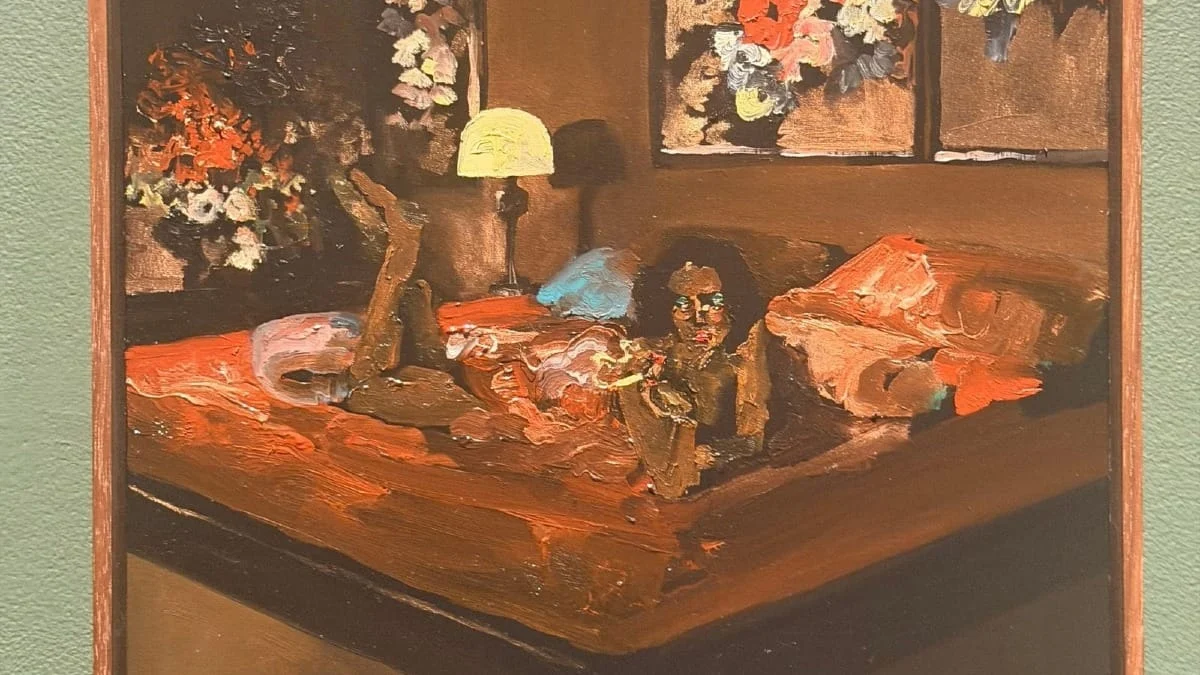
- Danielle Mckinney at Boesky Gallery: In Forest for the Trees, Mckinney presents portraits of the solitary Black feminine self. The work is being lauded for its ability to navigate the tension between public visibility and the sanctity of private rest. Critics argue that Mckinney’s subjects occupy a space of autonomy that challenges the historical objectification of Black women in portraiture.
- Sanford Wurmfeld at Ceysson & Bénétière: Wurmfeld’s exhibition, Squares 1971-74, offers a more clinical, analytical approach to the visual arts. By returning to his early studies of geometry and color, the exhibition invites a conversation about the "relentless investigation" required in abstract painting, distinguishing his methodology from that of his contemporaries in the Color Field movement.
Official Perspectives and Critical Analysis
The curation of these events suggests a deliberate effort by New York institutions to move beyond simple entertainment. When asked about the significance of the Pride series, editorial leads have emphasized the "urgency of documentation." As many queer and trans elders face the natural twilight of their lives, the act of interviewing them—of transcribing their reflections on identity and the evolution of the city—is viewed as a vital act of preservation.
Similarly, the Guggenheim’s choice to screen the Zidane film reflects a broader trend in the museum world: the breaking down of hierarchies between "low" pop culture (soccer) and "high" art (experimental film). By treating a football match as a high-art portrait, the museum forces a reappraisal of what constitutes a "masterpiece" in the 21st century.
Critics John Yau and Channelle Chevelle Russel have provided the necessary theoretical scaffolding for these exhibitions. Yau’s analysis of Wurmfeld highlights the importance of "unstable geometry," suggesting that even within rigid structures, there is room for profound emotional resonance. Meanwhile, Russel’s exploration of Mckinney’s work centers on the concept of "privacy as a radical act," suggesting that in an era of total digital surveillance, the depiction of rest is a subversive political statement.
Implications: The City as a Living Archive
What are the long-term implications of this week’s cultural density?
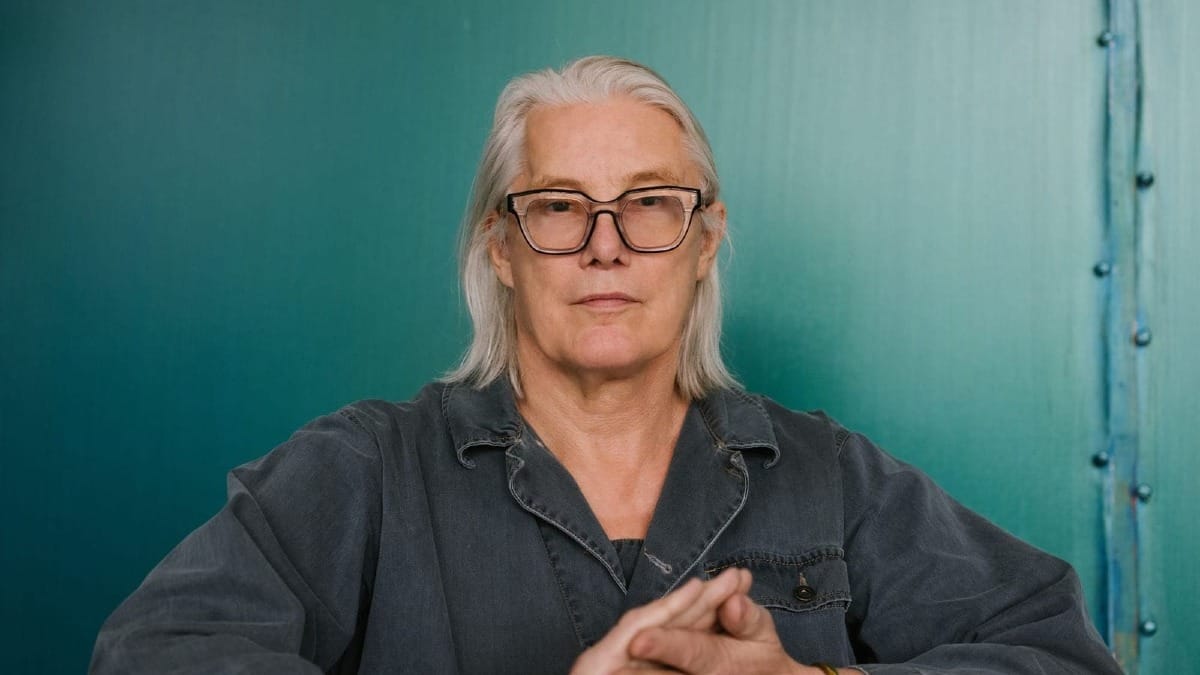
First, there is a clear shift in how New York views its history. The focus on queer and trans elders is not merely a commemorative gesture; it is an attempt to map the city’s cultural DNA. By understanding the No Wave movement through the lens of someone like Jamie Nares, younger generations are better equipped to navigate the current, often exclusionary, real estate and artistic landscape of the city.
Second, the interplay between the World Cup screenings and the Tribeca Film Festival suggests that the "sleepy" periods of the art world—often cited as the summer lull—are becoming increasingly obsolete. New York’s cultural institutions are adapting to a model of constant engagement, where sport, film, and fine art are presented as a singular, multifaceted experience.
Finally, the critical reception of artists like Danielle Mckinney indicates that the art market is increasingly valuing narratives of interiority. The shift away from the grand, performative gesture toward the quiet, intimate, and domestic reflects a societal desire for stability and introspection.
As the week progresses, the combination of high-stakes basketball, the cinematic meditation on professional sports, and the profound interviews regarding our shared queer history provides a comprehensive portrait of New York City. It is a place that refuses to sit still, always finding a way to balance the roar of the crowd with the quiet, essential stroke of the artist’s brush. Whether one is found in the darkened room of a cinema, the hushed space of a gallery, or the public arena of a sports bar, the city is currently offering a masterclass in how to look, how to listen, and how to remember.
 Basiran
 Muslim
 Evan Lee Salim
