

Introduction: The Provocateur and the Platform
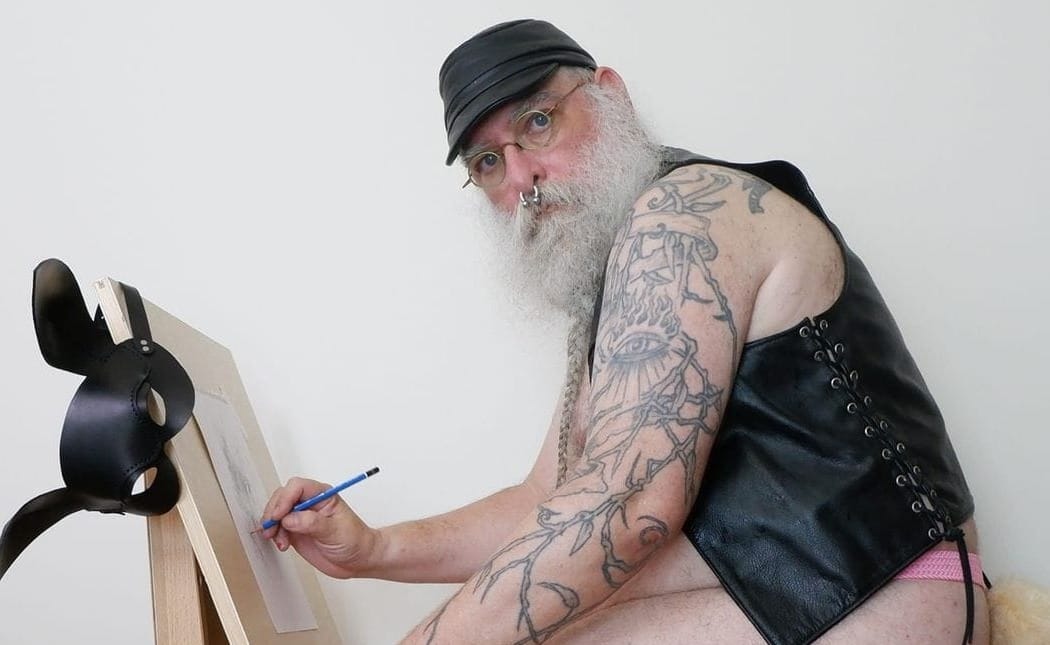
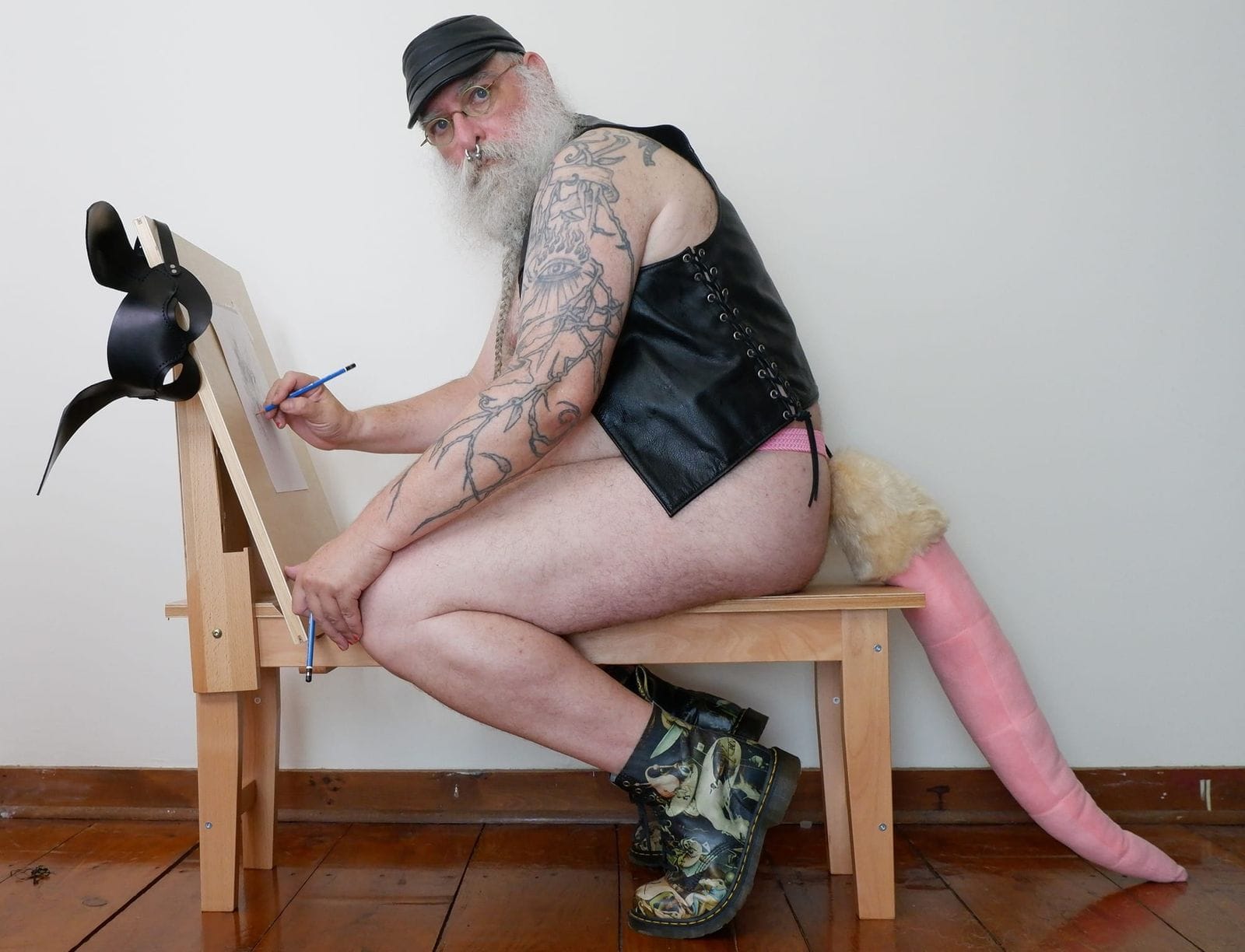
Nayland Blake is a figure who defies simple categorization. To encounter their work is to step into a space that is simultaneously cerebral, alarmingly visceral, and disarmingly funny. Often described as an "alt Santa Claus" figure—complete with a braided beard and a sharp, infectious laugh—Blake has spent decades challenging the boundaries of contemporary art, gender, and identity.
As part of Hyperallergic’s 2026 Pride Month series, this profile examines the career of an artist who views the creative process not as an exercise in self-expression, but as a mechanism for investigation. For Blake, identity is not a fixed destination or an "essential" trait to be discovered; it is a collaborative, ongoing project that requires constant interrogation and, perhaps more importantly, the continuous building of platforms for those who follow.
Chronology of a Career: From Bard to the Global Stage
Blake’s trajectory is deeply rooted in academic rigor and intellectual restlessness. Having earned their bachelor’s degree from Bard College, Blake returned to the institution not just as an alumnus, but as a co-director of its Studio Art program. This cyclical engagement with education mirrors their artistic philosophy: the idea that knowledge is a shared inheritance, not a static commodity.
- 1984: Blake relocates from Los Angeles to San Francisco, a move that places them at the center of a burgeoning generation of artists exploring the intersection of queer theory and visual practice.
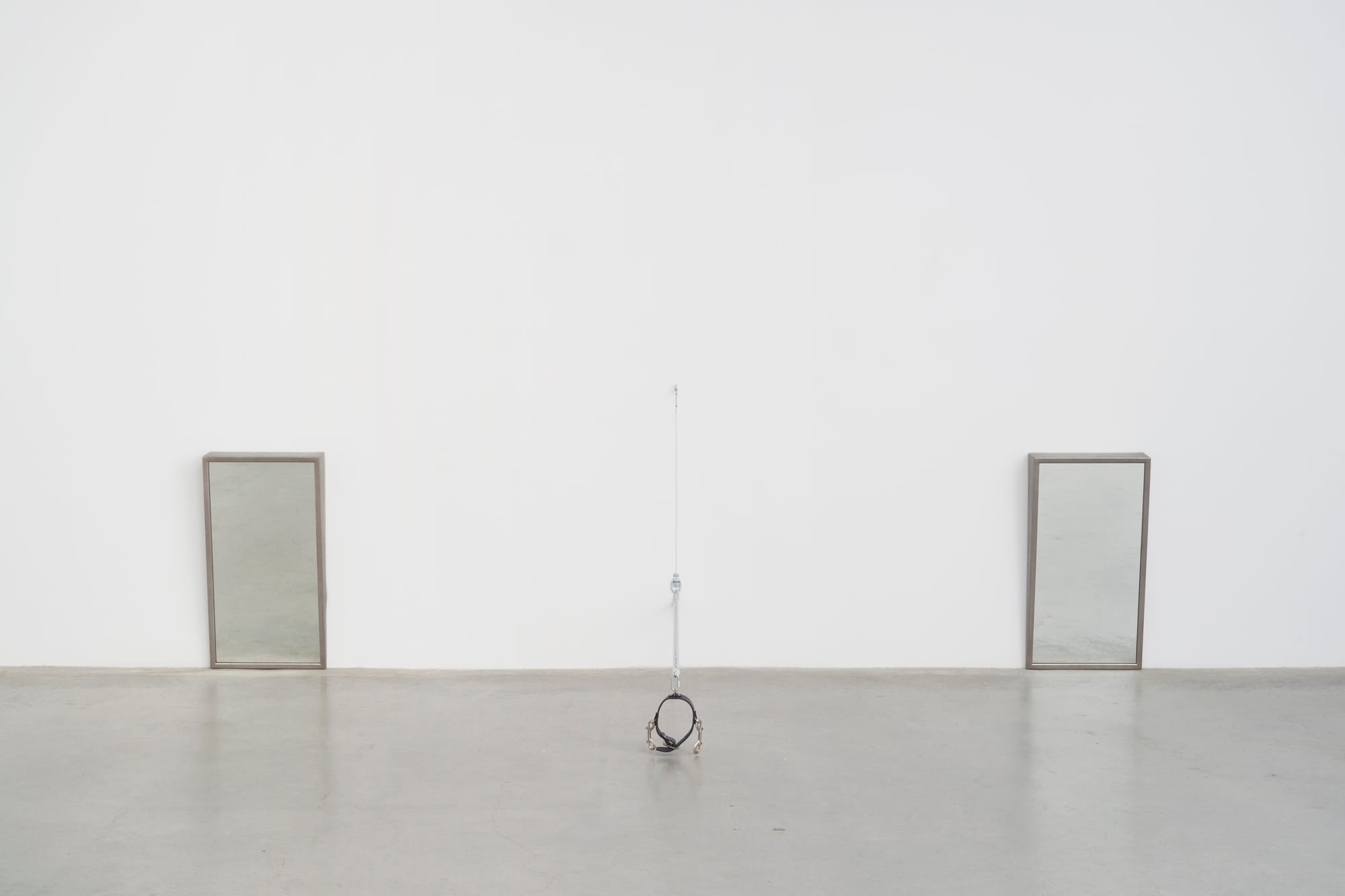
- 1988–1989: The creation of Mirror Restraint, a seminal installation featuring a BDSM collar suspended between tilted mirrors. The piece serves as a masterclass in psychological tension, denying the viewer the comfort of self-reflection.
- 1994: The release of Negative Bunny, a video performance that juxtaposes toxic domesticity with the anxieties of the AIDS epidemic, using the figure of a stuffed animal to tackle themes of HIV status and sexual agency.
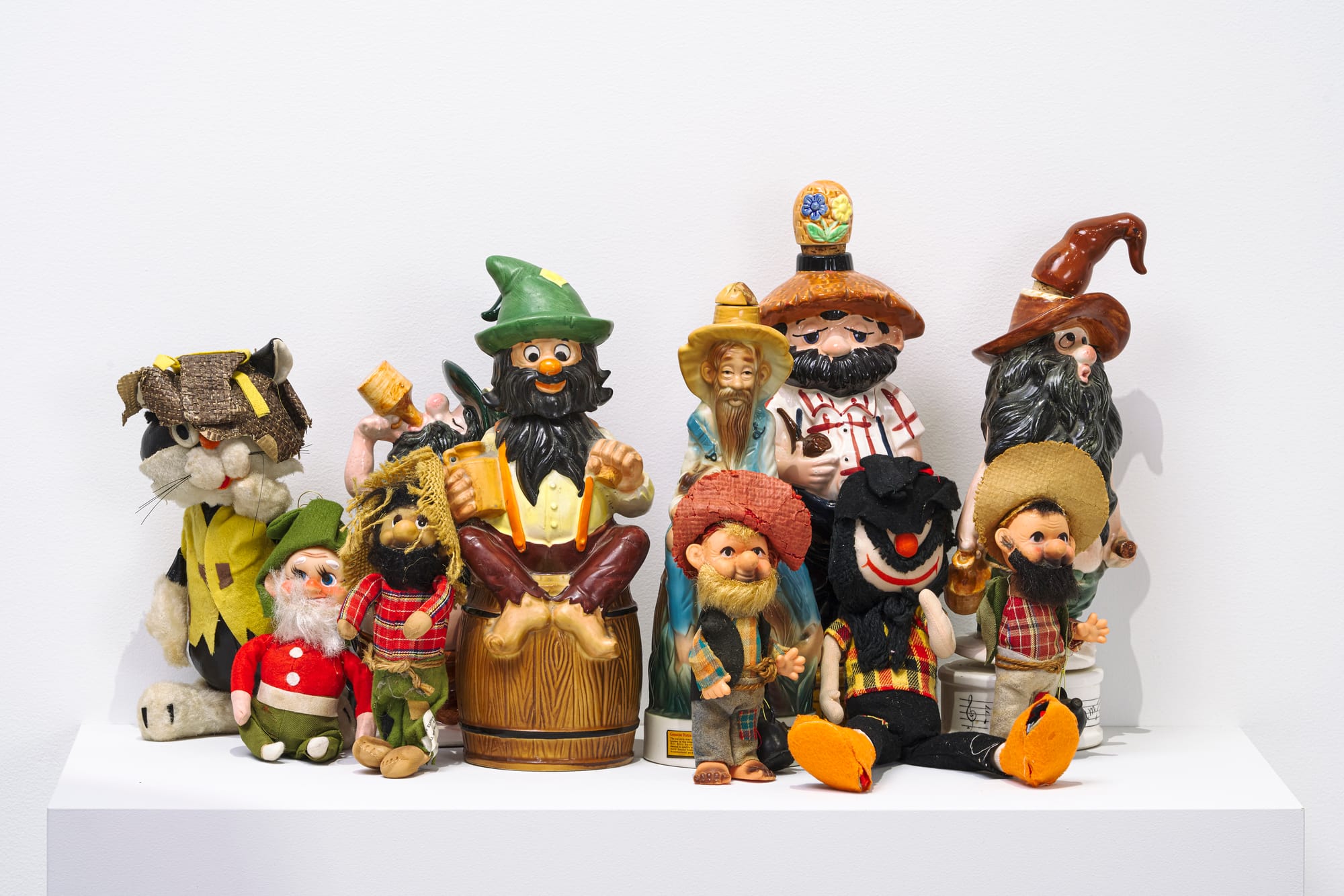
- 2006: The exhibition of Hillbilly Collection, signaling a continued interest in the material culture of identity.
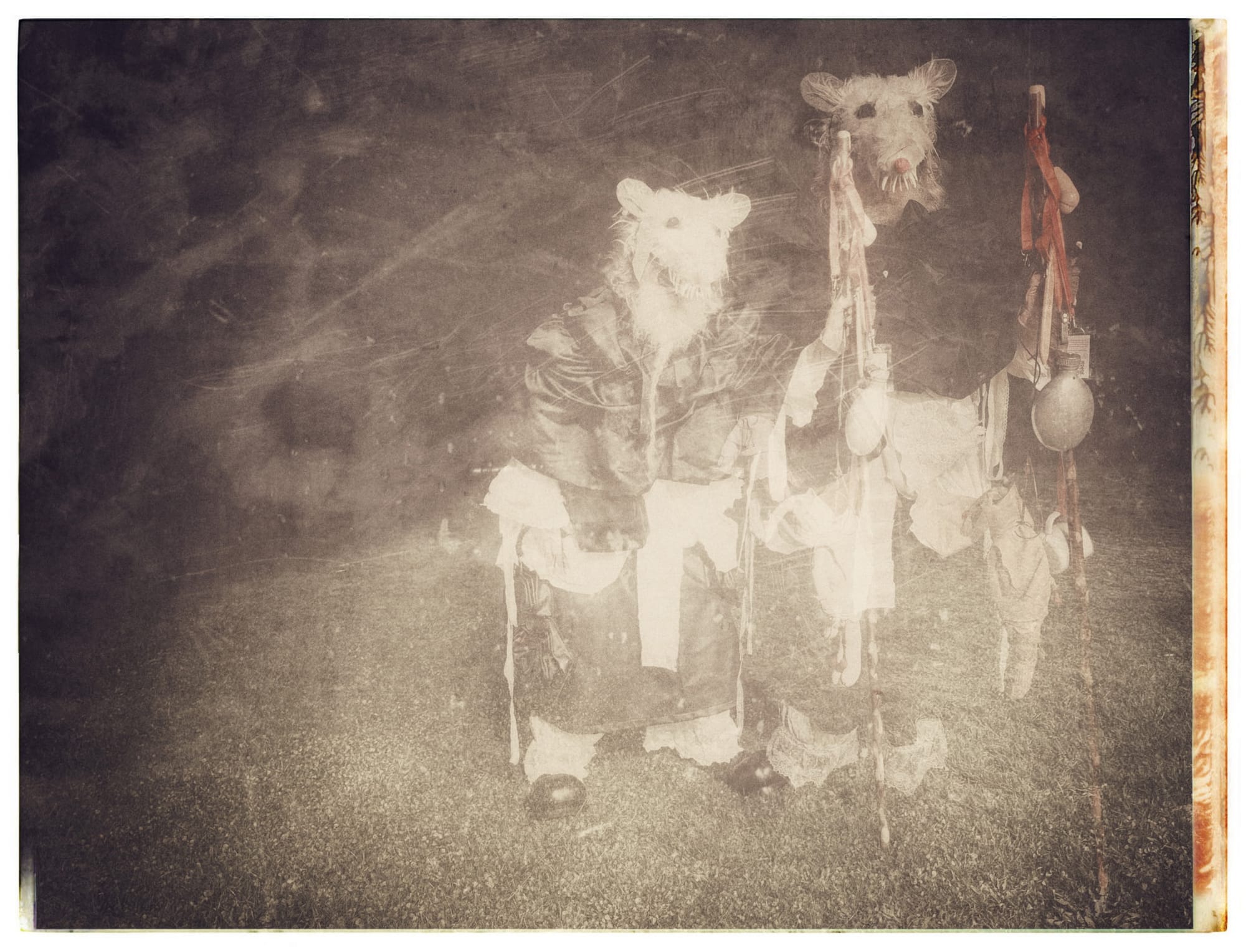
- 2026: A new milestone, with the debut of a large-scale outdoor installation at Art Omi, marking a shift toward themes of aging, the "crone" archetype, and the quiet power of chosen obscurity.
Supporting Data: An Artist in the Public Trust
Blake’s contributions to the canon of contemporary art are underscored by their presence in the world’s most prestigious institutions. Their work is held in the permanent collections of the Museum of Modern Art, the Whitney Museum of American Art, and the Brooklyn Museum.
Beyond the gallery walls, Blake has solidified their influence through pedagogical leadership and literary output. The release of a comprehensive book of collected writings last year served to consolidate their role as a theorist of the "difficult and weird." By drawing inspiration from transgressive writers like Chip Delany and Kathy Acker, rather than relying solely on traditional visual art lineages, Blake has carved out a unique space for interdisciplinary discourse.
The Mechanics of Identity: "We Are Continually Duped"
One of the most compelling aspects of Blake’s practice is their refusal to treat identity as a static "truth." In conversation, they argue against the contemporary trend of teaching artists to mine their "essential" selves.
"The problem with the way art and most creative endeavors are taught, particularly now, is that people are taught that they have an identity," Blake explains. "The problem with that formulation is that we don’t know what that is, but we’re supposed to act as if we do. We’re continually duped into this search for authenticity."
Instead, Blake uses the creative act as a tool for inquiry. By building an object or an installation, they force themselves to confront the impulses that led to its creation. They ask, "What sort of person makes this?" and use the resulting object to navigate their own nonbinary, pansexual existence. This reflexive loop allows the work to remain open-ended and resistant to the commodification of the "authentic queer experience."
Official Perspectives: Mentorship and the AIDS Crisis
When asked about their influences, Blake is quick to broaden the scope beyond the art world. Their early inspiration came from theater and literature—specifically the works of Richard Foreman and the raw, experimental energy of John Waters and Jack Smith.
Blake’s development occurred during the height of the AIDS crisis, a period that fundamentally altered the landscape of queer art. It transformed the discourse from one of liberation to one of mourning, abstraction, and elegy. For Blake, the models for survival were found in the Civil Rights and Women’s Rights movements.
"The lessons of those movements were: It’s not enough to just make something in your studio," Blake notes. "You have to also be a scholar. You have to be a person who champions other work, so that you build the context within which your work can be legible." This ethos of building community, promoting peers, and unearthing hidden genealogies became the blueprint for their career.
Implications: Building the Platform
Perhaps the most poignant aspect of Blake’s perspective is their view on generational succession. In an era where political demagogues frequently attempt to erase the history of gender fluidity and queer struggle, Blake emphasizes the importance of archival labor and intellectual persistence.
"Just because the point has been made once… doesn’t mean I should be mad at you because you’re asking me what the daily specials are," they say, offering a pragmatic metaphor for the repetitive, vital work of activism and education.
Blake views their role as a mentor with profound humility. They express genuine excitement for a younger generation for whom queerness is an unstated, fluid reality rather than a hurdle to be jumped. However, they remain clear-eyed about the purpose of their own labor.
"Movement work is about building the platform," Blake says, laughing. "So someone can come after you and stand on the platform and tell you what a bad job you did."
Conclusion: Courting Obscurity
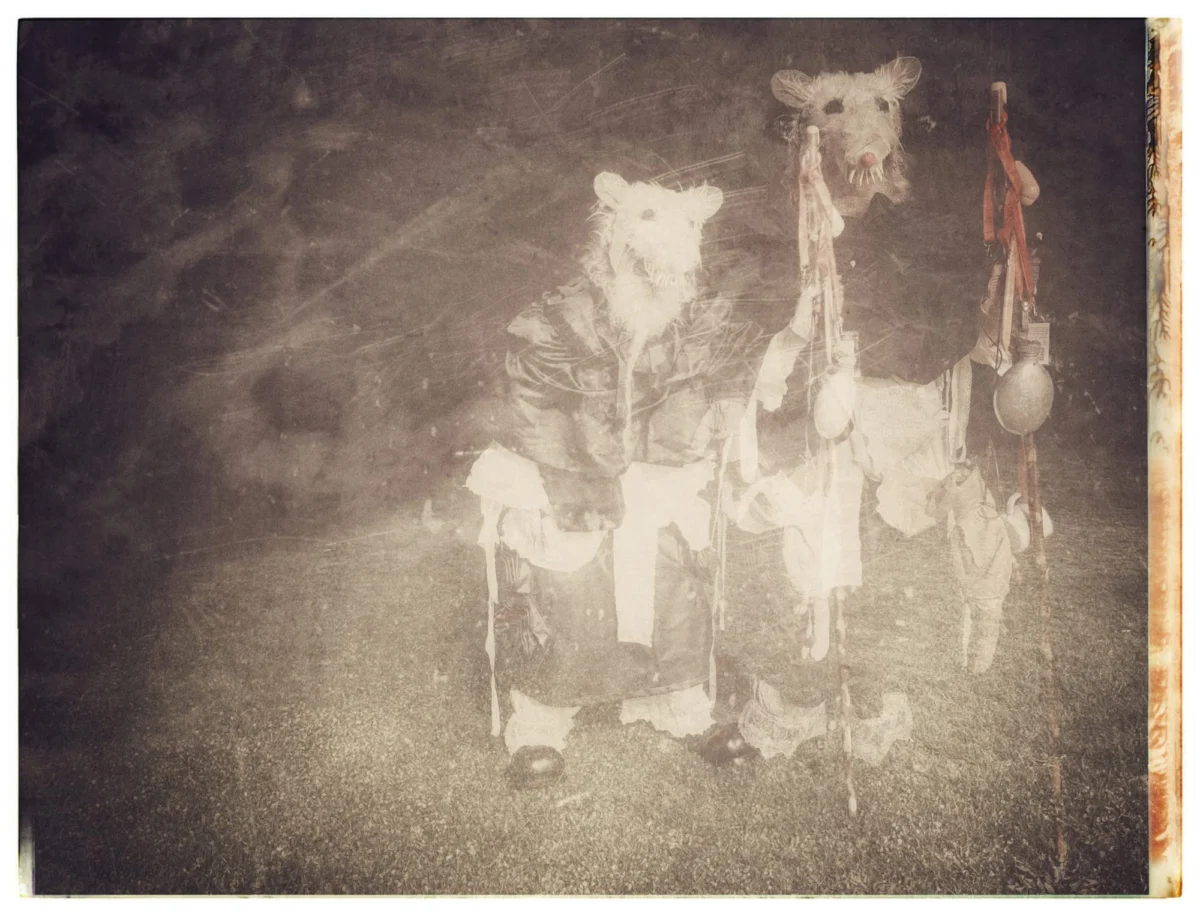
As Blake moves into this new chapter—evidenced by their outdoor work at Art Omi—there is a sense of completion. They describe the piece as an exercise in "courting obscurity," a pivot toward the role of a crone, and a move toward a different kind of visibility.
Whether they are crafting a hut in the woods or lecturing in the classrooms where they were once a student, Nayland Blake remains a steadfast architect of the queer imagination. They remind us that the struggle for space, legibility, and identity is not a linear march toward progress, but a series of waves. And in those waves, the most important thing an artist can do is ensure that the next generation has a platform, however imperfect, from which to build something entirely their own.
 Evan Lee Salim
 Jia Lissa
 Iffa Jayyana
