

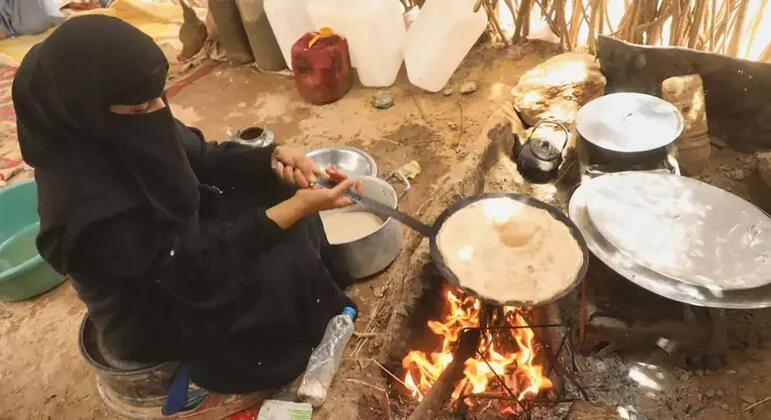
In the shadow of a protracted and brutal conflict, a silent, devastating crisis is unfolding within the borders of Yemen. It is a story of stolen childhoods, where the innocence of youth is traded for the harsh, unforgiving realities of early marriage, extreme poverty, and systemic malnutrition. For millions of young girls across the nation, the dream of an education has been eclipsed by the physical and psychological toll of becoming a mother before their own bodies have fully matured.
"I dreamed of going to school like other girls," says Fatimah, whose name has been changed to protect her identity. "Instead, I became a wife before I had the chance to live my childhood, and a mother before I truly understood what that meant."
Fatimah’s story is not an outlier; it is a grim reflection of a society where conflict has dismantled the social safety nets that once protected the most vulnerable. As the economy crumbles and healthcare infrastructure vanishes, the intersection of child marriage and humanitarian catastrophe is creating a generation of mothers facing a lethal combination of exhaustion, anemia, and preventable medical complications.
The Chronology of a Collapsing Reality
The trajectory from childhood to motherhood in war-torn Yemen is rarely a choice; it is often a desperate response to survival.
The Onset of Vulnerability
For many girls, the seeds of their current predicament were sown long before the war. Societal norms, coupled with extreme poverty, historically pushed families to marry off daughters early to reduce the "burden" of an extra mouth to feed. However, the escalation of the war significantly accelerated these trends. As families lost their livelihoods, the promise of a dowry or the belief that a husband could provide protection became a tragic, misguided survival strategy.
The Cycle of Displacement and Trauma
As the conflict intensified, families like Fatimah’s were forced into a cycle of constant displacement. Each flight from violence further eroded their resources. For many, the breaking point arrived with natural disasters—such as the floods that destroyed makeshift camps—which stripped families of their last remaining assets.
In Fatimah’s case, the trauma of the floods left her husband unable to work. Suddenly, the role of provider fell to a teenager who was herself struggling to survive. Living in a tent with no income, no access to clean water, and facing a second pregnancy, Fatimah’s primary focus shifted from her own health to the survival of her unborn child. "I feared for my baby more than I feared for myself," she recalls.
The Daily Struggle for Survival
The reality for young mothers like Donia Adel, a 19-year-old living in Al-Mahraq, is a relentless balancing act between starvation and motherhood. Forced into marriage at 15 after her family could no longer afford her schooling, Donia now faces the challenges of her second pregnancy while prioritizing the nutritional needs of her two-year-old daughter. Her daily life is a grueling cycle of physical labor—fetching water, collecting firewood, and tending to the home—all while suffering from the severe anemia and malnutrition common among pregnant girls in her position.
Supporting Data: A Nation in Crisis
The scale of the crisis is documented by humanitarian organizations, which paint a portrait of a nation pushed to the brink.
- Humanitarian Need: More than 22 million people in Yemen—over half of them women and girls—are in desperate need of urgent assistance.
- Healthcare Deficit: Less than two-thirds of the country’s health facilities remain operational. Of those, only one in five offers essential maternal care.
- Malnutrition Statistics: The United Nations Population Fund (UNFPA) estimates that 1.3 million pregnant and breastfeeding women are suffering from acute malnutrition.
- Displacement Risks: Approximately 100,000 pregnant women have been displaced from their homes, drastically reducing their ability to access prenatal or delivery services.
- Child Marriage Prevalence: Nearly one-third of all Yemeni girls are married before the age of 18, a figure that rises significantly among displaced populations.
- Maternal Mortality: Yemen currently holds one of the highest maternal mortality rates in the Middle East and North Africa region.
Official Responses and the Health Crisis
Health workers operating on the front lines describe a landscape where the "normal" complications of pregnancy are exacerbated by structural neglect and hunger.
"We are witnessing a noticeable increase in cases of malnutrition among pregnant girls," explains Reham Hazbar, a counselor at an Al Hudaydah safe space supported by the UNFPA. "Many arrive at health facilities suffering from low weight, anemia, and severe exhaustion. Their bodies are simply not prepared to handle the physiological demands of pregnancy."
Barriers to Care
The obstacles to adequate maternal health are multifaceted. Amira, a health worker in the Abyan governorate, notes that even when facilities exist, access is often restricted. "Many women cannot afford transport, medicine, or the essential supplements we prescribe," she says. "Furthermore, social restrictions often require girls to obtain permission from a husband or male relative to seek care, which often comes too late."
The result is that women frequently arrive at medical centers only when serious complications—such as hemorrhage, obstructed labor, or pre-eclampsia—have already set in. These are complications that, in any other context, would be managed with early prenatal care. In Yemen, however, they often become life-threatening emergencies.
Implications: The Long-Term Consequences
The consequences of this crisis extend far beyond the immediate trauma of childbirth. The implications for the future of Yemeni society are profound.
The Education Gap
Approximately 1.5 million girls in Yemen are currently out of school. When a girl is married at 13 or 15, her education is permanently terminated, locking her into a cycle of poverty that is passed down to her children. The loss of potential is staggering; these girls are not just losing their childhoods—they are losing the opportunity to become the teachers, doctors, and leaders their country will eventually need to rebuild.
The Generational Impact
Malnutrition in pregnancy leads to low birth weight and developmental issues for newborns. When these children are born into environments with no food security, the cycle of malnutrition continues, creating a generation of stunted children who may face lifelong health challenges.
The Resilience of the Survivors
Despite the overwhelming odds, there are flickers of hope. UNFPA-backed safe spaces are providing more than just medical referrals; they are offering counseling, literacy classes, and a sense of community. For women like Fatimah and Donia, these spaces offer a path back to a life that includes personal agency.
Donia, who is currently attending literacy classes, remains determined to reclaim the education that was taken from her. "If things were different, I would continue my studies, pursue my dream of becoming a teacher, and provide a better life for my children and family," she says.
Conclusion
The situation in Yemen serves as a haunting reminder of the cost of war on the most vulnerable demographics. When the institutions of a state fail, it is the young girls—the mothers-in-waiting—who pay the highest price. Addressing the humanitarian crisis in Yemen requires more than just food aid and medicine; it requires a concerted effort to dismantle the systems of child marriage and to restore the fundamental right to education.
As long as girls are forced into the role of mother while they are still children themselves, the cycle of poverty and fragility will continue to define the Yemeni experience. The international community faces a choice: to continue witnessing this slow-motion catastrophe or to provide the support necessary to ensure that the next generation of Yemeni girls can dream of a future beyond the confines of a tent or a kitchen. For Fatimah, Donia, and millions of others, the time for that intervention is long overdue.
 Lina Hope
 Asro
Asro
 Layla Zulfa
