

The FIFA World Cup has long been heralded as the ultimate stage for the “unlikely hero.” For decades, the narrative arc of the tournament was defined by scrappy underdogs overcoming long odds on the grass. However, in 2026, the theater of competition has expanded from the pitch to the pixel. The modern World Cup is no longer just a series of matches; it is a massive, decentralized social media phenomenon, capable of transforming a journeyman goalkeeper into a global celebrity overnight.
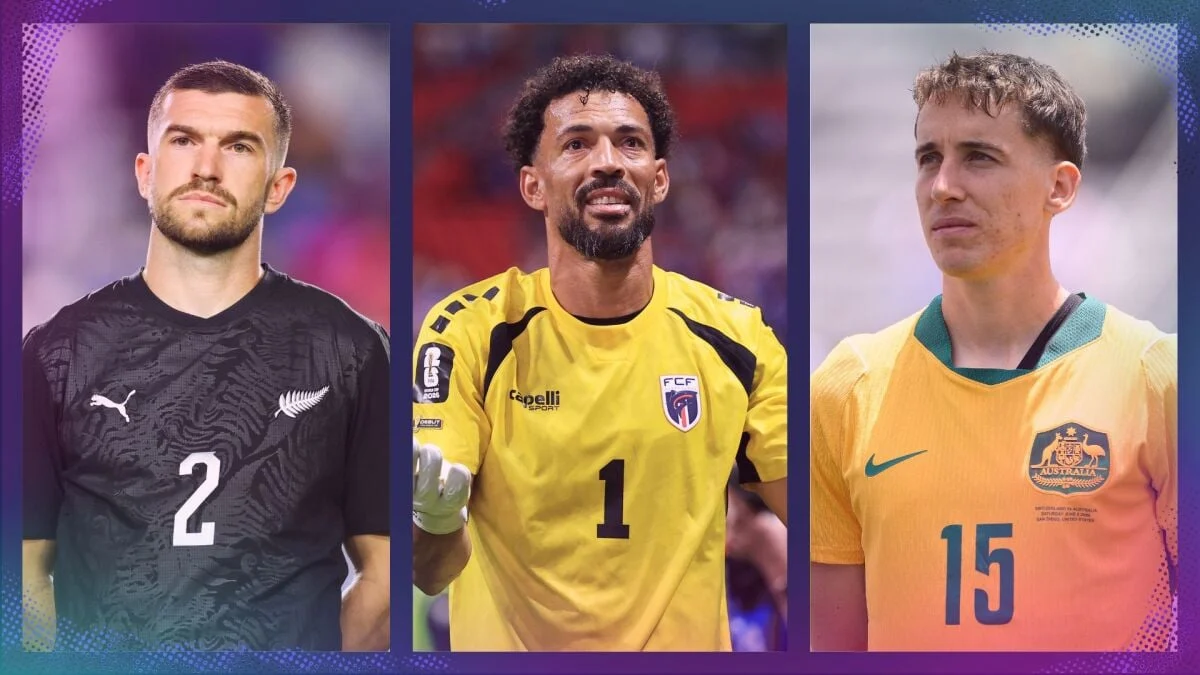
The most poignant example of this digital metamorphosis is Josimar José Évora Dias—known to the footballing world simply as "Vozinha." Before Monday’s clash against European powerhouse Spain, the Cape Verde goalkeeper was a respected professional with a 19-year career, yet he remained a ghost in the machine of mainstream international football. He entered the stadium with a modest 50,000 Instagram followers. By the time the final whistle blew on a historic 0-0 draw, the narrative had shifted entirely. Today, Vozinha boasts over 12 million followers—a digital footprint that eclipses established icons like Victor Wembanyama and Patrick Mahomes.
A Stoppage-Time Revolution: The Vozinha Phenomenon
The math of Vozinha’s rise is as staggering as his performance. Facing a Spanish side that launched 27 shots against his goal, the 40-year-old veteran produced seven acrobatic saves that kept Cape Verde’s tournament dreams alive. His composure under fire earned him the official Man of the Match honors, but his viral status was manufactured in the digital studios of Brazil.
The catalyst was Casimiro “Cazé” Miguel, the Brazilian streamer whose channel, CazéTV, holds the broadcasting rights for all 104 matches of the 2026 World Cup in Brazil. With over 31 million YouTube subscribers, CazéTV represents the new guard of sports media: a platform built not on the sterile, authoritative commentary of traditional television, but on the raucous, interactive, and highly participatory culture of live streaming.
During the broadcast, Cazé noticed the discrepancy between Vozinha’s heroic performance and his relatively quiet social media presence. In a moment of spontaneous community building, he urged his millions of viewers to “follow the hero.” The response was immediate. Within hours, the goalkeeper’s follower count surged into the millions, fueled by a collective, cross-continental effort to acknowledge his excellence. It was a testament to the power of the “second screen”—where the broadcast is merely the starting point for a deeper, social experience.
Chronology of an Internet Darling
The timeline of Vozinha’s ascent serves as a blueprint for modern digital stardom:
- Pre-Match: Vozinha holds a respectable but modest 50,000 followers.
- The Match (Minute 0–90): His seven-save masterclass against Spain establishes his athletic credentials.
- The Call to Action: During the broadcast, streamer Casimiro Miguel directs his audience to the goalkeeper’s Instagram profile.
- The Surge: By the final whistle, the follower count hits 1 million.
- Post-Match (24 Hours): The count eclipses 10 million, fueled by viral clips of his emotional post-game press conference.
- The Real-World Impact: Following a tearful admission that his mother could not attend the tournament due to visa complications, the U.S. State Department publicly intervenes to assist his family.
Beyond the Goalposts: The Human Element
The virality of Vozinha is not merely a numbers game; it is rooted in genuine human connection. The internet is often criticized for its cynicism, yet the "Vozinha effect" has displayed a surprising degree of collective empathy. His post-match interview, in which he spoke candidly about his mother’s inability to navigate the complex visa process and the financial strain of the tournament, resonated deeply with a global audience.
This vulnerability humanized the athlete in a way that corporate media rarely captures. The story transcended the boundaries of sport, catching the attention of the U.S. State Department. In an unprecedented move, government officials confirmed they are working to facilitate visa services for his family. This bridge between a viral moment and bureaucratic resolution highlights the new power dynamics of the 2026 World Cup: the ability of fan pressure to effect real-world change.
The Precedent: A Growing Trend of Digital Adoption
Vozinha is not an anomaly; he is the most successful iteration of a trend that has been simmering throughout the tournament. The "least-known player" trope has become a gamified element of the fan experience.
Earlier in the tournament, New Zealand defender Tim Payne became the subject of a similar campaign. Argentine influencer Valen Scarsini, known as "El Scarso," launched a project to identify the tournament’s "least-known player" and propel them to fame. Payne, who began with fewer than 5,000 followers, saw his digital presence skyrocket to 6 million. Similarly, Australia’s Kai Trewin was rebranded as “The Cristiano Ronaldo of the World Cup” by creator RubikayTV, resulting in a meteoric rise from 3,000 to over 100,000 followers. Even backup players like Curaçao’s Trevor Doornbusch have found themselves thrust into the spotlight following shoutouts from soccer influencers like FiagoBall.
These campaigns represent a shift in how fans consume professional sports. In 2026, being a “fan” involves active participation in the career trajectory of the athletes. Fans are no longer passive observers; they are talent scouts, PR agents, and cheerleaders, using their collective numbers to validate the efforts of the "everyman" athlete.
The Structural Shift: FIFA and the New Media Landscape
This digital upheaval is not accidental; it is the result of a calculated strategy by FIFA to align with modern consumption habits. By naming TikTok a preferred platform for video content and securing deals with YouTube that allow for live-streamed match snippets, FIFA has effectively lowered the barrier to entry for the tournament.
The traditional model—where a viewer had to sit in front of a television for 90 minutes to engage with a game—has been dismantled. Today’s World Cup is consumed in 30-second clips, reaction videos, and live-streamed commentary. This ecosystem favors the “viral moment” over the “sustained broadcast.”
For the players, the implications are profound. A player no longer needs to be a household name entering the tournament to walk away with a multi-million-dollar social media platform. The tournament has become a meritocracy of charisma and performance, where a single, well-timed save can shift the trajectory of a professional career.
Implications: The New Currency of the World Cup
The rise of the "digital hero" carries significant implications for the future of sports marketing and athlete management.
- Monetization and Brand Value: Athletes who were once limited to local sponsorship deals now possess global reach. The transition from 50,000 to 12 million followers represents a massive shift in market power, potentially unlocking significant endorsement opportunities that were previously reserved for elite-tier stars.
- The Democratization of Visibility: The "CazéTV effect" suggests that the power to make a star no longer rests exclusively with traditional broadcasting gatekeepers. Influencers and streamers are now the primary conduits of sports culture, capable of dictating the narrative of the tournament in real-time.
- The Pressure of Performance: While this newfound fame provides immense opportunities, it also creates unprecedented pressure. Players are now subjected to the immediate, unfiltered feedback of millions. The divide between "fan" and "critic" is narrowing, and the digital scrutiny is constant.
- Geopolitical Soft Power: As seen with Vozinha’s family visa situation, the visibility afforded by social media can influence government policy and humanitarian outcomes. The World Cup is increasingly serving as a platform for global social issues, amplified by the reach of digital communities.
Conclusion: A New Era for the Beautiful Game
The 2026 World Cup has proven that the "Beautiful Game" is evolving into something far more complex and interconnected. While the core of the sport remains the same—a ball, a pitch, and two teams—the context of the competition has been rewritten.
We are witnessing the death of the "unknown" athlete. In the age of the algorithm, if you perform, the world will find you. Whether through the lens of a Brazilian streamer or the organized efforts of social media communities, the players of this World Cup are being elevated, humanized, and immortalized in ways that previous generations could never have imagined. As the tournament continues, the question is no longer just who will lift the trophy, but who will be the next unlikely hero to seize the digital stage.
 Nana Wu
 Neng Nana
 Reynand Wu
