

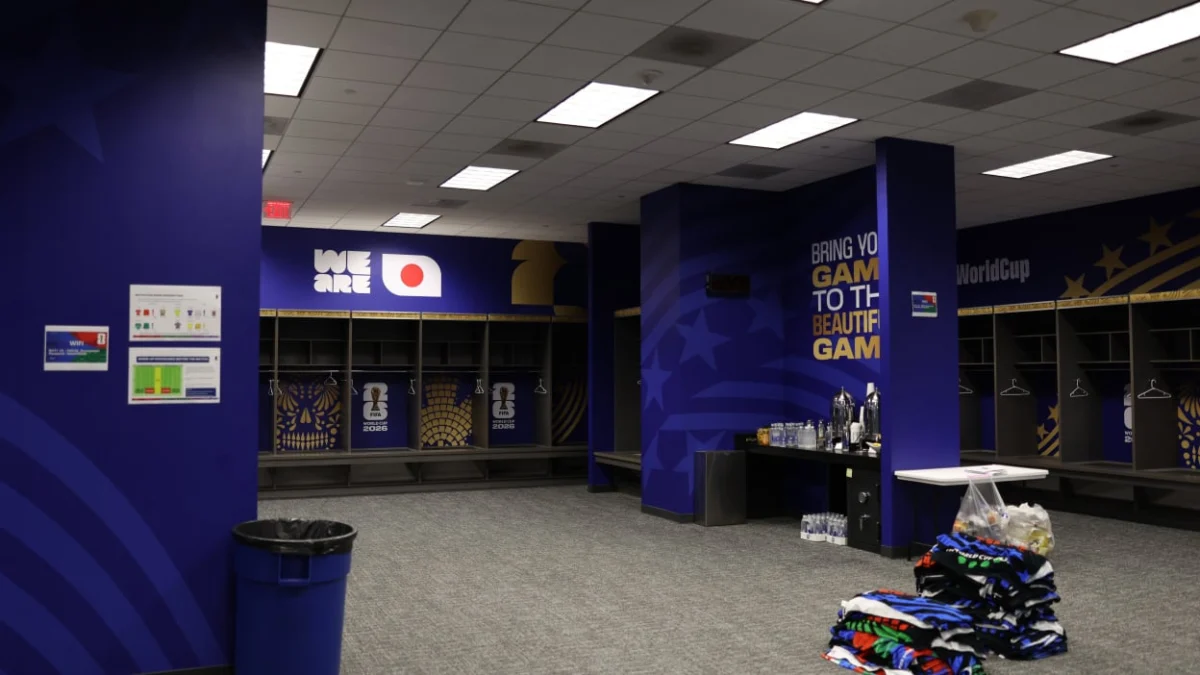
In the high-stakes, hyper-competitive atmosphere of the 2026 FIFA World Cup, the traditional markers of success—the thunderous roars of a crowd following a spectacular goal, the tactical brilliance of a clean sheet, or the rise of a breakout star—have long been the standard by which we measure a tournament’s legacy. Yet, as the world navigates a complex and often polarized geopolitical landscape, a new, unexpected metric has emerged: kindness.
The 2026 tournament, hosted across North America, has birthed a phenomenon that social media users and sports analysts are affectionately calling the "Ted Lasso World Cup." It is a trend defined not by the scoreboard, but by the conduct of teams and their fans behind the scenes. From pristine locker rooms to fan-led cleanups, the "beautiful game" is being redefined by gestures of radical empathy and mutual respect.
A New Standard: The Anatomy of the Trend
The viral nature of these moments suggests that in the digital age, a heartfelt note or a clean floor can carry as much weight as a decisive penalty kick. These actions, once relegated to the periphery of match reports, are now taking center stage on global social media feeds, garnering millions of views and shifting the narrative from rivalry to collective humanity.
The trend has established a new "gold standard" for international competition. When teams like Jordan, Japan, and Iran—nations with vastly different cultural backgrounds and footballing histories—consistently choose to leave their temporary homes in better condition than they found them, they are sending a message that transcends the sport.
Chronology of Kindness: June 2026
The wave of wholesome viral content began in earnest during the second week of the tournament, setting a precedent that teams have felt compelled to follow.

- June 14: Following a hard-fought 2-2 draw against the Netherlands in Texas, Japanese fans were captured in widely circulated videos systematically gathering trash from the stands. Using their signature blue plastic bags, they left the stadium rows cleaner than they were before the match.
- June 20: After a dominant 4-0 victory over Tunisia in Mexico, the Japanese national team proved that their fans’ behavior is a reflection of the team’s ethos, leaving their dressing room spotless and including a handwritten thank-you note to the host staff.
- June 22: Jordan’s historic first World Cup appearance concluded with a 2-1 loss to Algeria. Despite the heartbreak of elimination, the team left their dressing room in immaculate condition, accompanied by a box of traditional Jordanian sweets and a heartfelt letter of appreciation for the U.S. staff.
- June 24: Following a 0-0 defensive stalemate against Belgium, the Iranian national team released a formal note of gratitude, acknowledging the support of their fans in Los Angeles and the hospitality they received, even amidst the logistical pressures of their base camp relocation.
Supporting Data: The Cultural Roots of Respect
This phenomenon is not merely a spontaneous burst of good manners; it is deeply rooted in cultural traditions that prioritize the concept of communal care. For Japan, the practice is guided by the proverb “tatsu tori ato wo nigosazu”—literally translating to “a bird does not soil the water where it has finished drinking.”
This philosophy, often equated to the "leave no trace" ethos in environmental conservation, has been a hallmark of Japanese supporters since the 1998 World Cup. However, the 2026 tournament has seen this behavior cross-pollinate. The sight of New York Giants quarterback Jameis Winston donning a Japan jersey to assist with cleanup efforts in the stands highlights how this trend is bridging the gap between international soccer and American domestic sports culture.
Furthermore, the Jordanian team’s gesture underscored the importance of gratitude in the face of defeat. By thanking their hosts for the "dedication, professionalism, and warm hospitality," they shifted the focus from their tournament exit to the shared experience of the event.
Official Responses and the "Lasso" Effect
The "Ted Lasso" moniker is not merely a pop-culture reference; it represents a genuine shift in how the public perceives the role of athletes. The fictional coach Ted Lasso, known for his "Believe" sign and his emphasis on human kindness over tactical perfection, has become the archetype for the 2026 tournament.
FIFA officials have noted that these gestures have significantly boosted the morale of stadium support staff, who often bear the brunt of the cleanup burden in such massive global events. While official statements remain focused on the game, the unofficial narrative being pushed by tournament organizers acknowledges that the "fan experience" is improved when the atmosphere is one of mutual respect rather than hostility.

For teams like Iran, the gesture was particularly poignant. Operating under significant logistical constraints and forced to travel between the U.S. and their base in Tijuana, Mexico, the team’s decision to issue a formal thank-you note served as a powerful reminder of their commitment to sportsmanship despite challenging geopolitical circumstances.
Implications: The Future of Global Sports
As we look toward the 2030 World Cup—the first to be hosted across multiple continents—the implications of this trend are profound.
1. The Power of "Viral Goodness"
The fact that a simple thank-you note can generate as much engagement as a highlight-reel goal suggests that the audience for global sports is hungry for positive narratives. Digital platforms are no longer just arenas for highlighting individual athletic prowess; they are becoming spaces where empathy is rewarded with global visibility.
2. A Shift in Fan Behavior
We are seeing a democratization of stadium etiquette. When fans witness Japanese supporters cleaning the stands, the social pressure to follow suit is immense. This "positive contagion" is changing the demographic of the stadium experience, making it more welcoming for families and diverse groups who might otherwise be intimidated by the aggressive nature of traditional fan culture.
3. The Diplomacy of Sport
The 2026 World Cup is proving that sport remains a vital vehicle for soft power. When a team from the Middle East or Asia leaves a note of gratitude in a U.S. locker room, it builds a bridge that politics often cannot. It acknowledges that beneath the colors of the jerseys, there is a shared understanding of what it means to be a guest in a foreign land.

Conclusion: "Believe"
As the tournament moves toward its conclusion, the question remains: will this trend stick?
If the 2026 World Cup has taught us anything, it is that kindness is not a sign of weakness in the face of competition—it is a mark of professional maturity. The teams that have taken the time to pick up their trash, write their notes, and share their sweets have left a legacy that will outlast the tournament’s eventual winner.
In the words of the fictional coach who has become the mascot of this movement: "Believe." Believe that sports can be more than just a contest of strength. Believe that even in the agony of defeat, grace is possible. And perhaps most importantly, believe that in an increasingly divided world, the simple act of leaving a place better than you found it is a revolutionary act of hope.
As we head toward 2030, the bar has been set. The next generation of teams will be judged not just by how they play the game, but by how they treat the world while they are playing it.
 Nana Wu
 Neng Nana
 Reynand Wu
