

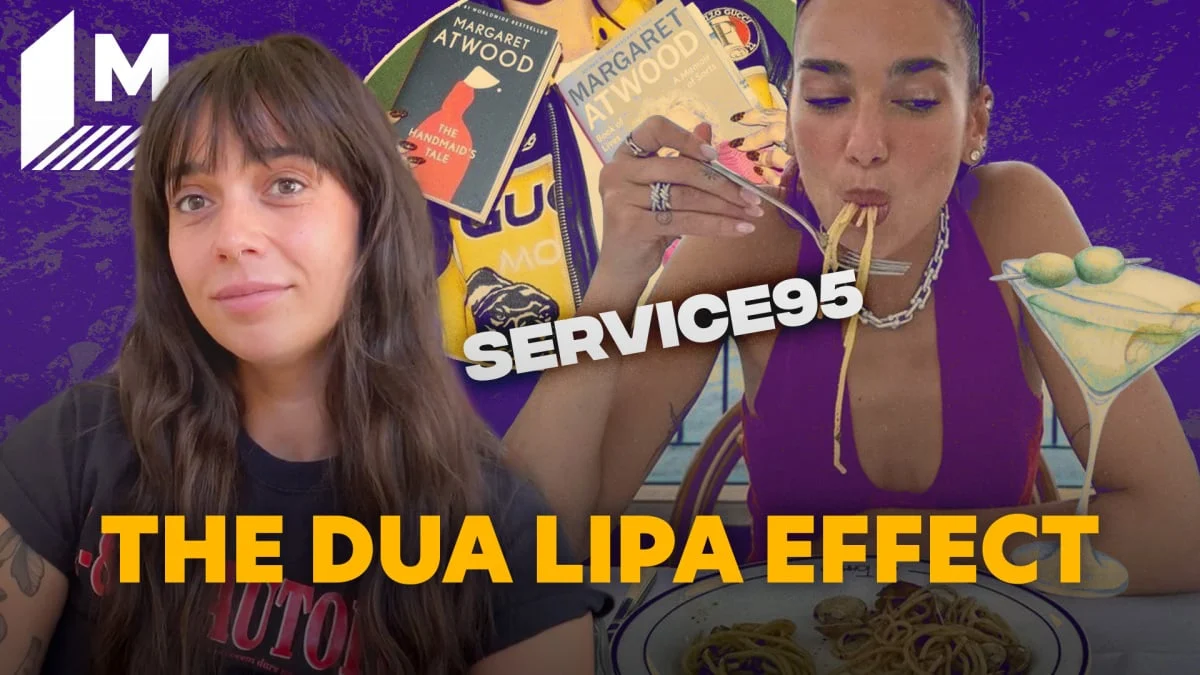
In the digital landscape of the 2020s, where algorithmic fatigue and economic anxiety have reached a fever pitch, one pop star has managed to transcend the traditional boundaries of celebrity. Dua Lipa, the Grammy-winning singer-songwriter, has evolved from a chart-topping musical act into something far more pervasive: the internet’s unofficial mood board for an idealized, autonomous adulthood.
As of June 2026, the cultural conversation surrounding Lipa has shifted away from mere music critique toward a broader fascination with her lifestyle. This phenomenon—coined by writer Madison Huizinga as "The Dua Effect"—represents a seismic shift in how Gen Z and Millennials perceive success. It is no longer just about the accumulation of wealth; it is about the accumulation of experience.
The Anatomy of an Idealized Life
To scroll through Dua Lipa’s Instagram feed is to enter a curated universe of what many consider to be the "dream version" of life. It is a tapestry of high-end travel, eclectic culinary discoveries, spontaneous dance parties, intimate gatherings, high-brow literature, avant-garde fashion, and a genuine, visible commitment to activism.
Unlike many of her peers, whose social media presence often feels like a sterile, high-gloss sales funnel for luxury goods or personal brands, Lipa’s digital footprint suggests a sense of intentionality. She is not simply displaying luxury; she is displaying leisure. In an era defined by the "hustle culture" of the 2010s, where influencers and entrepreneurs were encouraged to monetize every waking moment, Lipa represents a rebellion against the grind. She demonstrates that pleasure, curiosity, and intellectual pursuit are not merely hobbies—they are valid end-goals for a well-lived life.
Through her editorial platform, Service95, Lipa has codified this aesthetic. Positioning itself as the "ultimate cultural concierge," Service95 operates as a multimedia ecosystem—encompassing a website, a curated newsletter, a podcast, and a widely recognized book club. It serves as the intellectual scaffolding for her Instagram aesthetic, turning her personal taste into a repeatable, accessible, and highly sought-after brand.
Chronology of a Cultural Shift
The evolution of the "Dua Effect" did not happen overnight. It is the result of a multi-year trajectory that aligns with broader global trends:

- 2020–2021: During the height of the global pandemic, Lipa’s Future Nostalgia era provided a necessary escapist fantasy. At a time when physical travel was restricted, her digital presence leaned heavily into the aesthetics of the "Euro summer"—sun-drenched vistas, Mediterranean food, and a sense of timeless elegance.
- 2022: The launch of Service95 marked a transition from pop star to curator. By highlighting niche authors, independent designers, and social causes, Lipa began to cultivate an audience that valued her intellect as much as her music.
- 2023–2024: The "it girl" reading culture surged on TikTok. Lipa’s book club became a significant driver of this trend, proving that intellectual curiosity was compatible with celebrity status.
- 2025–2026: The current "Dua Effect" solidified. With widespread economic instability impacting the ability of younger generations to afford traditional markers of success—such as homeownership or early retirement—the focus shifted to "lifestyle as art."
The Economics of Leisure: Why Now?
The obsession with Lipa’s lifestyle is not a superficial trend; it is a symptom of a profound shift in generational values. Research indicates that Gen Z is increasingly disengaged from the traditional "rise and grind" mentality that characterized the early 21st-century labor market. Faced with stagnant wages and a volatile housing market, younger workers are prioritizing emotional bandwidth and life satisfaction over corporate ascension.
The Rejection of "The Grind"
The modern workplace, often fraught with digital surveillance and the blurring of boundaries due to remote work, has made the concept of a "hustle" feel increasingly hollow. When the promise of traditional career stability is perceived as unattainable, the focus shifts to maximizing the quality of the "now." Lipa, by framing her life around curiosity and social connection, provides a blueprint for an existence that feels unburdened by the relentless pressure of hyper-productivity.
Supporting Data: The Desire for Autonomy
Surveys conducted by various youth-culture agencies in 2025 and 2026 suggest that "work-life balance" has been replaced by "lifestyle integration" as the primary goal for young professionals.
- 68% of respondents aged 18–30 cite "having time for personal development" as their highest priority, surpassing "salary growth."
- 74% of social media users admit to following accounts that showcase "aesthetic lifestyle content" to cope with professional burnout.
The Tension: Accessibility vs. Aspiration
Despite the relatability of her interests, the "Dua Effect" is fundamentally built upon a foundation of immense privilege. This is the central tension of the phenomenon: while the values Lipa promotes—reading, traveling, engaging with art—are universal, the means to achieve them are not.
Most people cannot casually embark on an international tour of galleries and Michelin-starred restaurants. There is a palpable disconnect between the reality of the average person’s economic situation and the "aspirational minimalism" showcased by high-profile celebrities.
Critics argue that Lipa’s partnership with tech giants—such as her curated travel lists for Google Maps—highlights this paradox. She is selling a version of "the good life" that is essentially a product. Even when she promotes "leisure," it is often framed within a commercial context. However, supporters argue that this does not negate the value of the inspiration itself. The "Dua Effect" serves as a form of cultural escapism, a reminder that even in a world obsessed with productivity, there is space to value the pursuit of beauty and knowledge.

Official Perspectives and Expert Analysis
Sociologists specializing in digital culture suggest that the fixation on Lipa is a form of collective coping. Dr. Aris Thorne, a researcher in digital consumption, notes, "We are witnessing a shift where the celebrity is no longer just an entertainer; they are an architect of the user’s daily life. Lipa has successfully positioned herself as a guide for the ‘intellectual leisure’ class. She is not just selling a song; she is selling a set of preferences that allow followers to feel a sense of agency in their own lives."
Conversely, labor economists warn against the "Creator Economy" fantasy that often accompanies this trend. The idea that one can turn their life into their art—and earn a living from it—is a narrative that masks the precariousness of modern gig work. "Lipa’s life is an artistic achievement," says economist Sarah Jenkins, "but it is an anomaly. We must be careful not to conflate the aesthetic of freedom with the actual economic reality of the workforce."
The Sustainability of the Aesthetic
Will the obsession with the "Dua Effect" last? History suggests that trends of this nature are cyclical. The internet’s appetite for curated lifestyle content is notoriously fickle. As the economic environment shifts, so too will the icons that dictate the "ideal" way to live.
However, the core desire driving this obsession—the longing for a life that is not entirely consumed by the mechanics of labor—is likely to persist. Whether it manifests through the "Euro summer" aesthetic, "BookTok" reading habits, or the romanticization of the "slow living" movement, the quest for a more intentional, autonomous existence remains a defining feature of the modern age.
Dua Lipa’s current cultural dominance is a testament to her ability to read the zeitgeist. She has successfully translated her own personal development into a public performance that satisfies a deep, collective need. Whether or not her fans can replicate the grandeur of her lifestyle, they are, in their own ways, trying to carve out the same space for themselves: a space where curiosity, art, and human connection take precedence over the grind.
As we look toward the future, the "Dua Effect" serves as a mirror—not just to the pop star, but to the aspirations of a generation seeking meaning in a world that often feels indifferent to it. For now, the internet will continue to watch, follow, and, perhaps most importantly, learn to curate its own version of a life well-lived.
 Nana Wu
 Neng Nana
 Reynand Wu
