

In a sweeping move that has sent shockwaves through the preservationist community and Tribal Nations alike, the Trump administration has executed a dramatic reduction of two of the United States’ most significant national monuments. Through a series of executive proclamations issued this week, the White House has shrunk the Grand Staircase-Escalante and Bears Ears National Monuments by approximately 90% each.
This decision, framed by the administration as a return to "sensible land management," effectively strips federal protection from millions of acres of land, opening them to potential resource development and energy extraction. For the Indigenous communities whose ancestors have inhabited these regions for millennia, the move represents more than a policy shift; it is viewed as an act of profound cultural erasure and a direct assault on Tribal sovereignty.
The Scope of the Cuts: A Statistical Breakdown
The scale of the reduction is unprecedented in the history of the Antiquities Act. The Grand Staircase-Escalante National Monument, which previously spanned 1.87 million acres, has been reduced to a mere 181,500 acres. Similarly, the Bears Ears National Monument has been carved down from 1.36 million acres to just 121,100 acres.
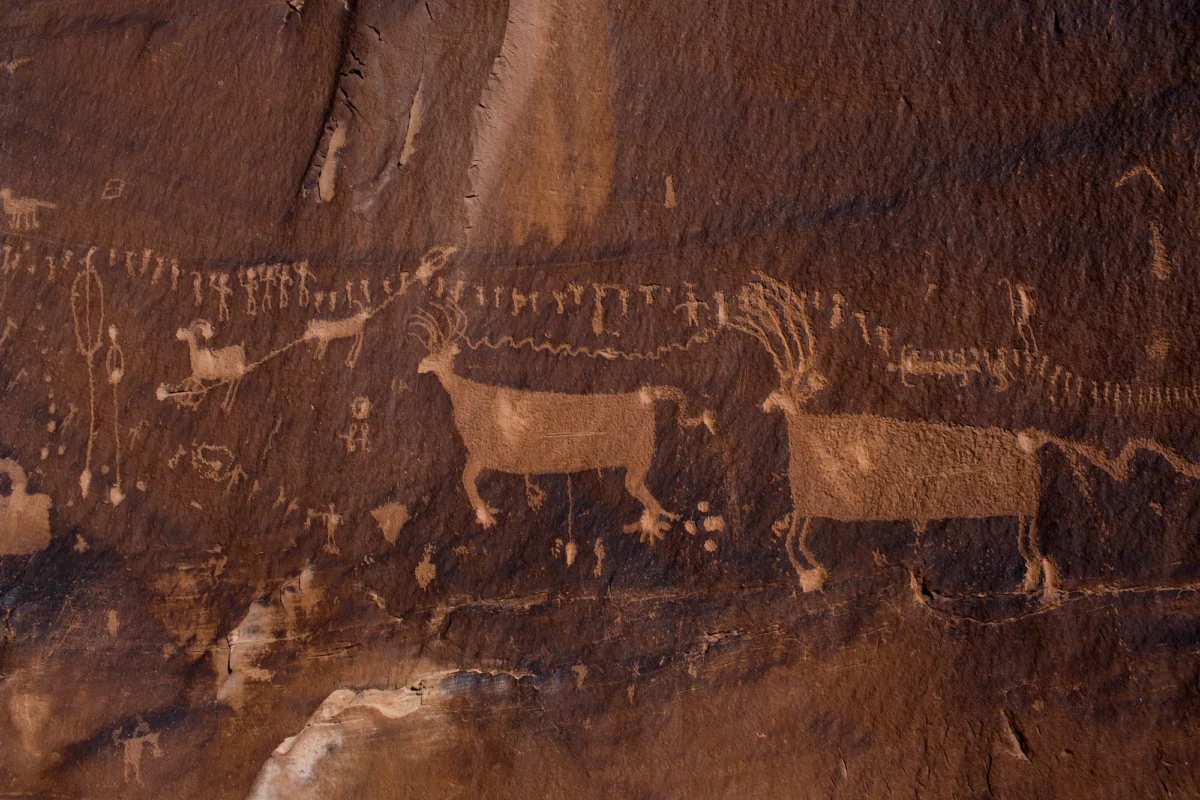
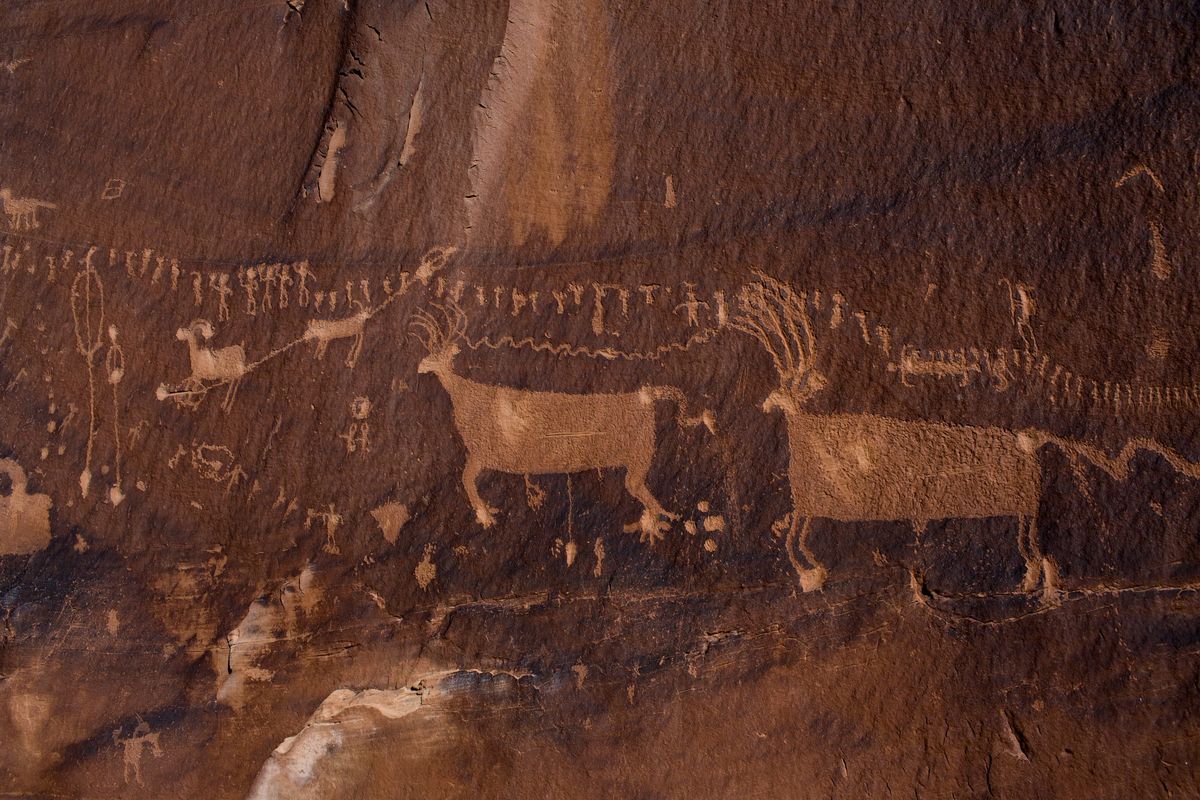
These monuments were not merely large tracts of empty wilderness; they are living landscapes of deep historical, scientific, and spiritual significance. Bears Ears, in particular, is home to an estimated 100,000 Native American archaeological sites. These include the iconic Procession Panel—a masterwork of ancient petroglyphs—and countless cave dwellings that remain sacred to the Hopi Tribe, the Navajo Nation, the Ute Mountain Ute Indian Tribe, and other regional nations.
The cuts specifically excise geographically and culturally vital zones, including the namesake rock formations of the "Grand Staircase" and the Valley of the Gods, a landscape integral to Navajo cosmology. By removing these areas from protected status, the administration has placed irreplaceable cultural heritage at risk of damage from mining, drilling, and unregulated human activity.
A Chronology of Contention
The battle over these Utah lands has been a defining feature of American environmental and Indigenous policy for nearly a decade. The current crisis is merely the latest chapter in a turbulent cycle of designation and deregulation.
- 2016: Under the Obama administration, Bears Ears was designated as a national monument following years of intense advocacy by an Inter-Tribal Coalition, marking the first time Tribal Nations were central to the creation and management of a national monument.
- 2017: During his first term, President Donald Trump enacted a massive reduction of the two monuments, cutting Bears Ears by 85% and Grand Staircase-Escalante by roughly half, citing a need to return land to state and local control.
- 2021: Following his inauguration, President Joe Biden issued executive orders to restore the monuments to their original 2016 boundaries, citing the need to protect the lands’ cultural and ecological integrity.
- 2026: In a reversal of the Biden-era restoration, the Trump administration has now implemented even deeper cuts, reducing both monuments to roughly 10% of their previously protected status.
This cyclical instability has created a "yo-yo" effect for land management, complicating long-term conservation efforts and signaling a volatile landscape for the future of federal public lands.
Official Responses: A Clash of Philosophies
The divide between the administration’s stated goals and the concerns of the opposition could not be more stark.
The Administration’s Justification
In a fact sheet released alongside the proclamations, the White House argued that the previous, larger boundaries were an example of "federal overreach." The administration claims the reshaping is designed to focus on "specific sites" rather than vast, unused swaths of land. Furthermore, officials explicitly linked the move to a broader initiative to expand "energy development," arguing that the lands excluded from the monument lack sufficient "objects of historic or scientific interest" to warrant federal protection.
The Tribal and Scientific Outcry
The reaction from Tribal leadership has been one of indignation and profound betrayal. Autumn Gillard, coordinator for the Grand Staircase-Escalante Inter-Tribal Coalition and a member of the Southern Paiute, emphasized that the administration failed to consult with the six sovereign nations affected by the change.
"This action is a direct strike against the federal government’s duty to consult with Tribes," Gillard stated. "It also profoundly disrespects our intergenerational Traditional Knowledge by destroying a framework for Tribal co-stewardship over our ancestral land in which we invested years of effort."
Archaeology Southwest, a leading cultural preservation nonprofit, has echoed these sentiments. CEO Steve Nash underscored the fragile nature of the region, noting, "Any changes to the boundaries of these monuments are a direct attack on these sovereign Tribal Nations and their rights to manage their Ancestral homelands… Archaeological resources are fragile—and once they are destroyed, their recovery is next to impossible."
The Legal and Ethical Implications
The legal battle is already underway. Earthjustice, a prominent environmental law organization, has publicly vowed to challenge the proclamations in federal court. Their argument rests on the premise that the Antiquities Act does not grant the president the authority to revoke the protected status of land once it has been designated by a predecessor.
Beyond the legal technicalities, the ethical implications are monumental. The United States has a complicated history with Tribal Nations, defined by broken treaties and the systematic appropriation of land. The current administration’s decision is seen by many critics as a continuation of this legacy. By ignoring Tribal voices, the administration has effectively signaled that the mineral and energy wealth beneath the ground outweighs the sanctity of the cultural history resting upon it.
Furthermore, the decision sets a dangerous precedent for the national monument system as a whole. If these sites—universally recognized for their archaeological and ecological value—can be stripped of protection via executive fiat, no site in the country is truly safe from political shifts.
Looking Ahead: The Cost of Destruction
As the legal teams prepare their briefs and protesters gather in the shadow of the Utah mesas, the physical reality on the ground remains the most pressing concern. The removal of federal protections means that the land is no longer subject to the same rigorous environmental impact studies, cultural surveys, and co-stewardship agreements that kept the region intact.
For the Hopi, Navajo, Ute, and other peoples, these are not "lands to be developed." They are, in the words of the Inter-Tribal Coalition, "ancestral and modern-day" homes. The petroglyphs, the cave dwellings, and the quiet desert paths are part of a continuous, living history.
As the nation grapples with this latest policy reversal, one fact remains clear: the destruction of these archaeological treasures is permanent. While administrations come and go, the cultural heritage of the American West is finite. Once the bulldozers move in, once the mining permits are issued, and once the quiet of the canyon is broken by industrial activity, the silence that held thousands of years of human history may never return.
The coming months will likely see the courts serving as the final arbiter of these lands’ fate. However, regardless of the judicial outcome, the administration’s actions have irrevocably altered the relationship between the federal government and the Indigenous nations of the Southwest, leaving behind a legacy of distrust that may take generations to heal.
 Neng Nana
 Ali Ikhwan
 Basiran
