

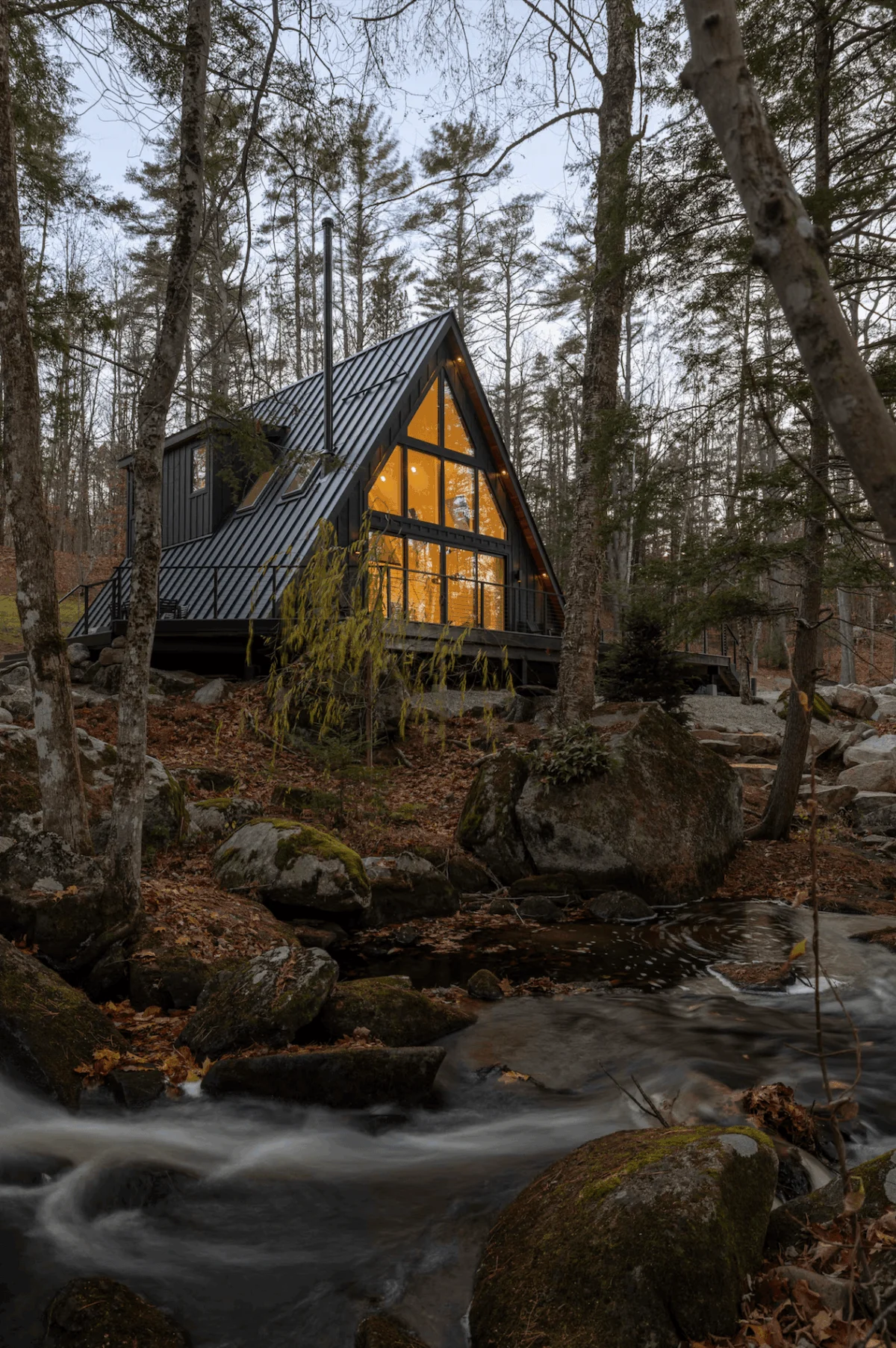
For decades, New Hampshire has served as the quiet neighbor to the more boisterous tourism markets of Vermont and Maine. Often relegated to a "drive-through" state for those heading further north, the Granite State is finally stepping into the spotlight. As travelers increasingly prioritize seclusion, authentic connection with nature, and the tactical advantages of a tax-free economy, New Hampshire’s rugged landscapes and revitalized small-town hubs are proving that "quiet" is, in fact, the ultimate luxury.
The Evolution of a Destination: Main Facts
The resurgence of New Hampshire is not a sudden trend but a calculated shift in how travelers view the "work-from-anywhere" lifestyle and the desire for high-end domestic travel. The state’s geography—ranging from the dramatic, craggy peaks of the White Mountains to the salt-kissed inlets of the Seacoast—provides a diverse canvas for tourism.
Key drivers of this shift include:
- Tax-Free Commerce: As a state with no sales tax, New Hampshire offers a distinct financial incentive for both long-term vacationers and weekend shoppers.
- Accessibility: Located within a few hours’ drive of the Boston metropolitan area and easily accessible from New York City, the state serves as the perfect pressure valve for high-stress urbanites.
- Four-Season Versatility: While historically branded by its world-class autumn foliage and winter skiing, the state has successfully pivoted to year-round appeal through artisanal dining, craft brewery culture, and glamping infrastructure.
A Chronological Return: From Urban Exile to Hometown Roots
The narrative of New Hampshire’s current appeal is best told through the eyes of those who left and returned. Like many who spent their formative years in the Granite State, the allure of the big city—specifically New York—often acts as a temporary magnet for ambition and career growth. However, the global shifts of 2020 served as a catalyst for a massive demographic "homecoming."
- Pre-2010: The era of the "traditional tourist." Visitors typically stuck to established ski resorts like Bretton Woods or the coastal hub of Portsmouth. The state was viewed as a destination for seasonal athletics rather than a cultural experience.
- 2010–2019: The "Discovery Phase." Boutique hospitality began to take hold. Small-batch roasteries, farm-to-table restaurants, and independent artisan shops began to populate sleepy downtowns, signaling a shift in the local economic engine.
- 2020–Present: The "New Residency." As remote work became the standard, a new wave of residents—often former locals or urban expatriates—purchased historic properties, restoring ancestral homes and transforming them into modern sanctuaries. This era has redefined the "vacation rental" market, moving away from generic listings toward curated, design-forward experiences.
Supporting Data: The Rise of the Vacation Rental Economy
The shift in how tourists experience New Hampshire is best quantified by the rise of short-term rentals (STRs). According to recent industry analysis, the preference for Airbnbs and Vrbos over traditional hotels has surged by nearly 40% in the last five years in rural New Hampshire counties.
Why Rentals are Outperforming Hotels
The data suggests that the modern traveler is looking for "immersion" rather than "service."
- Spatial Flexibility: Families and remote workers are opting for A-frames in the woods or renovated colonial farmhouses that offer kitchen facilities and private outdoor space.
- The "Local" Premium: Guests are increasingly willing to pay a premium for properties that showcase local architecture—such as exposed timber framing, stone hearths, and native landscape gardening.
- Superhost Standards: The democratization of hospitality means that individual homeowners are often providing a higher level of personalized local guidance than traditional concierges, leading to higher guest satisfaction scores across booking platforms.
Official Responses and Economic Implications
State tourism boards and local chambers of commerce have been quick to pivot their messaging. Recognizing that the "leaf-peeping" season is no longer sufficient to sustain a year-round economy, the New Hampshire Division of Travel and Tourism Development has invested heavily in promoting "hidden gems."
"We are seeing a transition from quantity to quality," says a spokesperson for the regional planning commission. "The focus isn’t just on getting people to the White Mountains; it’s about ensuring they spend their dollars in our local village centers, supporting our craft makers, and staying long enough to actually understand the rhythm of life here."
The Economic Ripple Effect
- Property Revitalization: The influx of capital into the rental market has accelerated the restoration of historic properties that might otherwise have fallen into disrepair.
- Tax Revenue: Despite the absence of sales tax, the state has seen a significant boost in "Rooms and Meals" tax revenue, which is vital for infrastructure projects and trail maintenance.
- Sustainable Tourism: By spreading tourism across the entire state—from the Monadnock region in the south to the Great North Woods—the state is successfully mitigating the environmental impact that usually comes with concentrated tourist hubs.
The Implication for Future Travel: What to Expect
What does this mean for the traveler planning their next trip to the Granite State? It means the definition of a "New Hampshire vacation" has been permanently upgraded.
The Search for the "Perfect Stay"
When selecting a rental, the criteria have evolved. Travelers are no longer just looking for a roof; they are looking for a narrative. Whether it is an architectural marvel nestled in a valley or a minimalist studio in a historic downtown, the modern stay must reflect the environment.
Our selection process for the best rentals in the state follows this rubric:
- Design Integrity: Does the home honor the history of the region?
- Location Strategy: Is the property positioned to allow for both solitude and access to local commerce?
- Guest-Centric Amenities: Beyond the basics, are there additions like fire pits, local artisan coffee, or curated guides to the best hiking trails?
A Concluding Perspective
New Hampshire’s true strength lies in its refusal to be everything to everyone. It does not possess the frantic pace of a major metropolitan hub, nor does it try to emulate the manicured resorts of the West Coast. Instead, it offers a sophisticated, understated experience that demands the traveler slow down.
As we look toward the future of travel, the Granite State stands as a testament to the idea that the most profound experiences often occur in the places we once overlooked. By returning to the basics—clean air, mountain vistas, authentic food, and the comfort of a home that feels like a sanctuary—New Hampshire is proving that it isn’t just a place to visit; it’s a place to be.
Whether you are looking for the rugged solitude of a high-altitude hike or the refined pleasure of a quiet coastal dinner, the state’s pockets of culture are waiting. The rumors are true: the Granite State is really, really pretty—and it is finally ready to show you why.
 Asro
Asro
 Siti Muinah
