

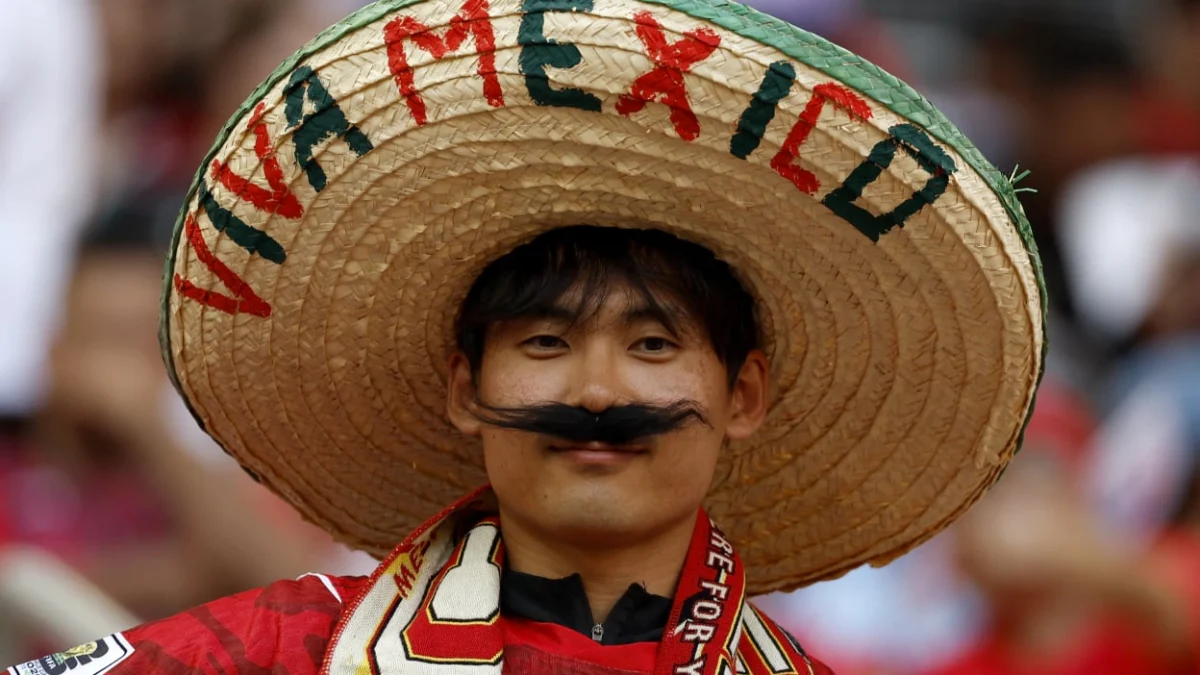
In the often-heated theater of the FIFA World Cup, where national pride is measured in goals and tactical brinkmanship, the relationship between Mexico and South Korea has emerged as an anomaly. As the two nations prepared for their high-stakes Group A clash on June 18, 2026, the atmosphere in Guadalajara was less a contest of wills and more a cross-cultural celebration. With tequila in one hand and K-pop light sticks in the other, fans from both sides have transformed a standard sporting event into the tournament’s most enduring—and endearing—storyline.
The Genesis of an Unlikely Bond
To understand the camaraderie on display this week, one must look back to the 2018 FIFA World Cup in Russia. At that time, Mexico’s hopes for reaching the knockout stage were precariously balanced on the result of the match between South Korea and Germany. In a historic upset, South Korea defeated the defending champions, a result that effectively opened the door for Mexico to advance.
The reaction in Mexico City was electric. Fans swarmed the South Korean embassy, treating the visiting diplomats like heroes. They chanted, “Coreano, hermano, ya eres Mexicano!” (Korean brother, you are Mexican now), and famously crowdfunded beer for local Korean fans. That singular moment of sports-induced euphoria planted the seeds for a cross-cultural affinity that has only blossomed over the last eight years.
Chronology of a Growing Friendship
The bond that began in 2018 was not a passing fad; it matured into a robust cultural exchange.
- 2018: The "Miracle in Kazan" (South Korea’s win over Germany) establishes a foundational "brotherhood" between the two nations.
- 2020–2024: As the digital landscape evolved, the cross-pollination of culture accelerated. Mexico solidified its position as one of the world’s most fervent markets for K-pop, with groups like BTS and Blackpink selling out stadiums in CDMX and Guadalajara.
- 2025: Spotify data confirms that Mexico is a global powerhouse for K-pop consumption, ranking fifth worldwide. This data point underscores that the "rivalry" is built on a foundation of genuine cultural curiosity rather than just a one-off sporting event.
- June 2026: The World Cup arrives in Mexico. The arrival of the South Korean national team in Guadalajara was met not with the customary hostility of opposing fans, but with a cheering, organized crowd of local supporters, signaling that the "hermano" sentiment remains as strong as ever.
Supporting Data: More Than Just Good Vibes
The friendship is not merely anecdotal; it is backed by shifting demographics and digital consumption patterns. According to international cultural exchange reports, the "Korean Wave" (Hallyu) has found a unique foothold in Latin America. The structural similarities between the fan bases—both characterized by intense loyalty, vibrant visual expressions, and high levels of social media engagement—have created a natural synergy.

When South Korean supporters arrived in Mexico for the 2026 tournament, they were met by locals who were already fluent in the cultural markers of their visitors. From impromptu performances of "Gangnam Style" in the city squares to fans trading team jerseys and sharing national beverages, the digital footprint of this event has been overwhelmingly positive. Social media platforms—specifically TikTok and Instagram—have been flooded with content highlighting the shared experiences of these two groups, creating a global narrative that challenges the traditional "us-versus-them" trope of international sports.
Official Responses and Diplomatic Undertones
The "Coreano, hermano" mantra has transcended the fan experience and entered the realm of soft diplomacy. Officials from the South Korean delegation have frequently acknowledged the warmth of the Mexican reception. During the team’s arrival, representatives from the Korean Football Association noted that the hospitality offered by the local population provided a morale boost for the players, who often face intense pressure during international tournaments.
While neither national federation has issued formal mandates regarding the "friendship," the sentiment is pervasive enough that it has become a central part of the tournament’s branding. Even as the teams move closer to the 90-minute reality of the match, the focus remains on the unity of the fans. The message from the organizers and local authorities has been clear: the World Cup is a platform for connection, and Mexico and South Korea have provided the definitive blueprint for how that should look.
The Conflict of Competition
Despite the mutual admiration, the June 18 match is a pivotal moment in the tournament. As one fan aptly stated to the press, "Whoever wins, that’s my team." This reflects the inherent tension in this "friendliest rivalry."
A matchday brings with it the cold, hard requirements of the sport. Strategy, precision, and defensive discipline are the tools of the trade, and both managers have emphasized that when the whistle blows, the focus shifts entirely to the pitch. The players are professional athletes tasked with representing their countries; they cannot afford to let sentimentality interfere with their pursuit of three points.

However, the "conflict" here is unique. Unlike historical rivalries fueled by geopolitical tensions or past sporting grievances, this conflict is purely competitive. It is a struggle for survival in Group A, yet it lacks the toxicity that often plagues high-stakes fixtures. Even the most ardent supporters admit that the prospect of a draw feels like a victory for the spirit of the game, as it would allow both teams to keep their tournament hopes alive without breaking the bonds of their newfound alliance.
Implications for the Future of Fandom
The Mexico-South Korea dynamic serves as a case study for the future of international sports culture. In an increasingly polarized world, the ability of these two fanbases to find common ground through shared pop culture and mutual respect offers a glimpse of what the World Cup can achieve.
This is not just about two teams playing soccer; it is about the evolution of the "global citizen." Fans are no longer confined by the borders of their home nations; they are building transnational identities rooted in shared interests. The "hermano" phenomenon suggests that the next generation of sports fans may prioritize the spirit of the game—and the connections made through it—over the traditional, zero-sum game of win-at-all-costs nationalism.
As the tournament progresses, the world will be watching to see if this friendship can survive the inevitable heartbreak of defeat. But regardless of the final score, the legacy of this 2026 meeting is already secured. By proving that competition does not have to be synonymous with antagonism, Mexico and South Korea have set a new standard for what it means to be rivals on the global stage.
The match will end, the players will leave the field, and the fans will eventually return home. But the memory of the "Coreano, hermano" movement will remain a testament to the power of sport to bridge divides, even when those divides are separated by thousands of miles and completely different languages. In the romantic comedy of the 2026 World Cup, these two nations have proven that even the most unexpected plot twists can lead to the most beautiful endings.
 Suro Senen
 Nana Wu
