

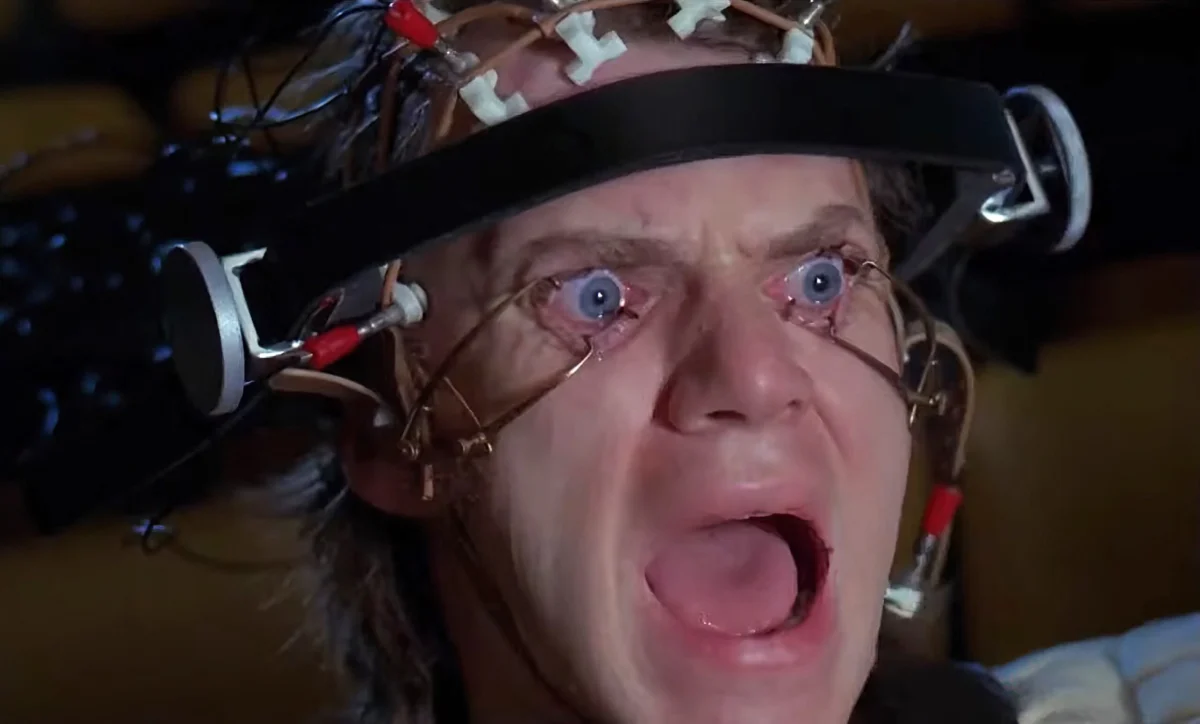
It is a perpetual state of affairs for film enthusiasts to find themselves in “Stanley Kubrick season,” but as we move through the autumn of 2026, the cultural obsession with the late, enigmatic auteur has reached a fever pitch. From the meticulous restoration of his back catalog to deep-dive retrospective podcasts, the visionary behind 2001: A Space Odyssey, Paths of Glory, and The Shining is currently experiencing a profound resurgence. This renaissance serves as a testament to the enduring power of his rigorous aesthetic, his uncompromising creative control, and his singular ability to transform the medium of film into an intellectual and sensory puzzle.
A Chronology of the Kubrick Revival
The current wave of Kubrick fervor is not merely a nostalgic exercise; it is a calculated effort to preserve and contextualize the filmmaker’s legacy for a new generation.
The momentum began in earnest with the announcement of a definitive Criterion Collection box set. This comprehensive anthology, scheduled for release on October 20, 2026, promises to be the holy grail for cinephiles. It features all 13 of Kubrick’s feature films—a journey that spans from his gritty 1956 noir The Killing to his final, haunting masterpiece, Eyes Wide Shut (1999). The inclusion of newly restored 4K transfers of these titles represents a landmark achievement in film preservation, ensuring that Kubrick’s precise visual compositions—from the sterile geometry of the Discovery One to the claustrophobic corridors of the Overlook Hotel—are experienced with the clarity he originally intended.
Simultaneously, the podcasting landscape has pivoted toward the director. Ben Mankiewicz, the esteemed host of Turner Classic Movies, has launched the latest season of his acclaimed series, The Plot Thickens. Across an 11-episode run, Mankiewicz provides an exhaustive examination of Kubrick’s life and career, stripping away the layers of myth that have accumulated around the filmmaker over the decades. By focusing on the minutiae of production and the evolution of his directorial voice, the podcast has become the primary audio companion for the Criterion release.
The Definitive Ranking: A "Screen Talk" Special
To mark the occasion, the hosts of IndieWire’s Screen Talk podcast—Anne Thompson and Ryan Lattanzio—invited Mankiewicz to join them for a special edition of the program. The resulting discussion was a masterclass in critical analysis, as the three hosts attempted the near-impossible task of ranking their top five Kubrick films.

The exercise revealed that even among seasoned experts, Kubrick’s filmography elicits deeply personal and often conflicting reactions. Mankiewicz, demonstrating his affinity for the director’s formative years, leaned heavily into the black-and-white early classics, championing the taut, suspenseful storytelling of his mid-century work. In contrast, Lattanzio opted for what he jokingly labeled “basic millennial choices,” focusing on the later color films over which Kubrick exercised absolute, total control.
The debate highlighted a recurring point of contention in Kubrick studies: the distinction between his “studio-for-hire” projects, such as the epic Spartacus, and the later works where he functioned as an absolute autocrat of the frame. The consensus, however, remained unchanged: regardless of the era, Kubrick’s films demand a level of engagement that few other directors can command.
Supporting Data: The Kubrickian Impact on Film History
To understand why Kubrick remains the North Star of modern filmmaking, one must look at the data points of his influence. His 13-film output, while numerically small compared to his contemporaries, represents a perfect hit-to-miss ratio that is statistically anomalous in Hollywood history.
- Technological Innovation: Kubrick’s insistence on using specialized equipment, such as the NASA-developed Zeiss lenses used for the candlelight scenes in Barry Lyndon, pushed the boundaries of cinematography. These choices were not mere eccentricities; they were technical solutions to aesthetic problems that redefined the industry’s standards for lighting and depth of field.
- Narrative Complexity: Kubrick’s departure from linear, comforting storytelling—most notably in 2001: A Space Odyssey—paved the way for the modern science fiction epic. The film’s reliance on visual storytelling over exposition continues to be the blueprint for directors like Christopher Nolan and Denis Villeneuve.
- Cultural Longevity: The fact that a 4K restoration of Eyes Wide Shut remains a major cultural event nearly three decades after its release—and 27 years after the director’s death—speaks to the "infinite replayability" of his work. Every frame of a Kubrick film is designed to be scrutinized, analyzed, and rediscovered, creating a feedback loop of academic and popular interest that few directors ever achieve.
Official Perspectives and Behind-the-Scenes Insights
A key highlight of the recent Screen Talk episode was the anecdotal evidence provided by Mankiewicz. Having spent years chronicling the director’s life, he shared intimate details regarding Kubrick’s legendary work habits.
Kubrick was infamous for his late-night, multi-hour phone calls with peers and collaborators. Mankiewicz noted that these conversations often served as a crucible for ideas, with Kubrick using his interlocutors—including Steven Spielberg and Todd Field—as sounding boards to stress-test his theories on human nature, technology, and the nature of the cinematic image. These stories paint a portrait of a man who was never "off the clock," treating every interaction as a potential extension of his creative process. This obsession with detail is what scholars often cite as the reason Kubrick’s films feel as though they were crafted in a vacuum, existing outside of the trends of the decades in which they were produced.

Broader Industry Implications: The Merger and the Festival Circuit
While the Kubrick renaissance dominates the discourse, it does not exist in a vacuum. The film industry is currently undergoing significant structural shifts that contrast sharply with the singular, auteur-driven world Kubrick represented.
The current discussions surrounding the WarnerMount merger provide a stark backdrop to this celebration of artistic autonomy. As the industry faces potential consolidation, the fate of historical archives and the rights to legacy catalogs—like those held by Warner Bros.—remains a central concern for critics and audiences alike. Recent developments, including a judge-granted delay following a lawsuit by the "Block the Merger" coalition, suggest that the future of Hollywood’s creative infrastructure is as contentious as the films themselves.
Furthermore, as the New York Film Festival (NYFF) kicks off this week, the industry is once again forced to reconcile the past with the present. While the festival showcases the cutting edge of contemporary cinema, the shadow of Kubrick looms large over the programming. The lessons learned from his career—specifically regarding the importance of director-led projects and the preservation of original vision—are currently being applied to the discussions regarding the future of the festival circuit. By juxtaposing the winners of the recent Toronto International Film Festival (TIFF) with the established canon of a director like Kubrick, the industry is effectively measuring the "weight" of contemporary cinema against the gold standard of the 20th century.
Conclusion: The Ever-Present Master
As we navigate the fall of 2026, the resurgence of Stanley Kubrick is more than a marketing trend or a convenient anniversary milestone. It is a necessary recalibration. In an age of algorithm-driven content and ephemeral media, the rigid, uncompromising, and deeply humanistic work of Kubrick serves as a reminder of what the medium of film is capable of achieving.
Whether you are listening to the deep-dive analysis on The Plot Thickens, debating the merits of his top five films on Screen Talk, or preparing to watch a pristine 4K transfer of his work at home, the message is clear: we are still living in the world Kubrick built. His films continue to operate as a mirror to our own anxieties, aspirations, and existential questions. Even 27 years after his passing, Stanley Kubrick is not just part of the conversation—he is the conversation.
 Jia Lissa
 Lina Irawan
 Iffa Jayyana
