

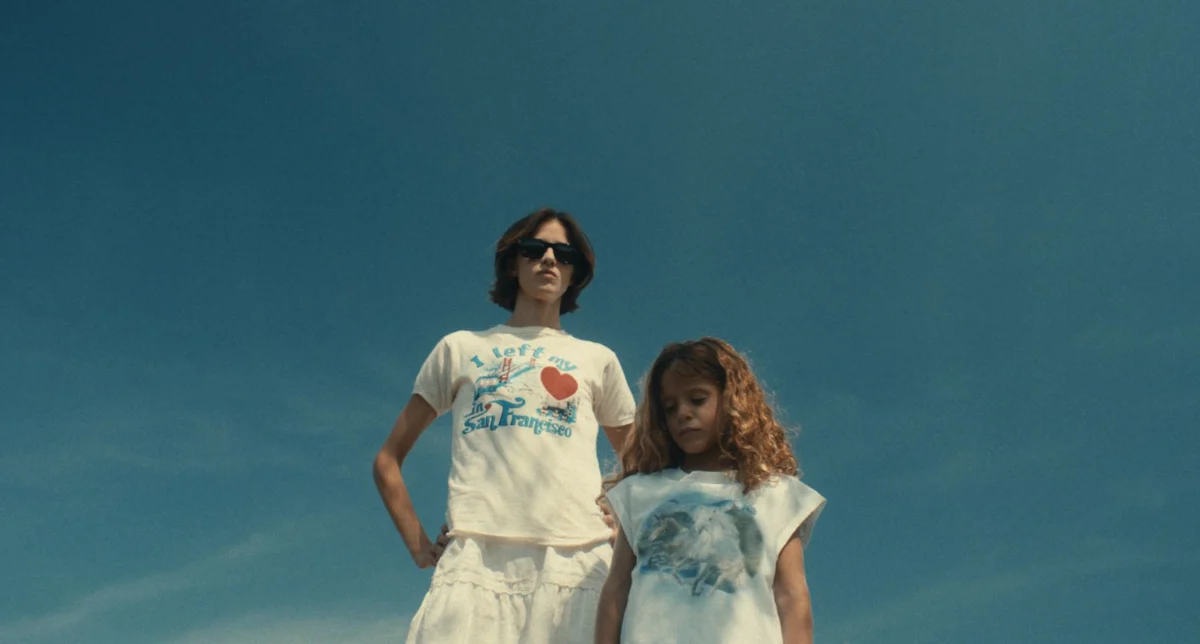
The landscape of contemporary cinema is frequently defined by safe bets, franchise expansions, and predictable casting. However, every so often, a project emerges that defies conventional logic, blending international arthouse sensibilities with the star power of a Hollywood leading man. Carolina Cavalli’s latest feature, The Kidnapping of Arabella, is precisely such a film.
Marking a significant departure for both its director and its surprise supporting star, Chris Pine, the film has become a point of intense discussion within the industry. It is a work that balances the dry, deadpan humor of modern indie darlings with the freewheeling, picaresque spirit of classic Italian cinema. This report delves into the core components of the film, the surprising linguistic transformation of Chris Pine, and the broader implications of Cavalli’s eccentric storytelling.
Main Facts: A Bold New Entry in Italian Indie Cinema
The Kidnapping of Arabella is the second feature film from Italian writer-director Carolina Cavalli, following her critically acclaimed debut, Amanda. The film is a surreal, "Lanthimos-lite" road movie that explores themes of identity, arrested development, and the haunting nature of unrealized potential.
The Production Core
- Director/Writer: Carolina Cavalli
- Key Cast: Benedetta Porcaroli (Holly), Lucrezia Guglielmino (Arabella), and Chris Pine (unnamed rival).
- Editorial Vision: Edited by Babak Jalali (director of Fremont, which Cavalli co-wrote).
- Genre: Picaresque road trip comedy/drama.
- Language: Primarily Italian.
The film’s most immediate "hook" is the presence of Chris Pine. In a move that has stunned critics, the Los Angeles-born actor appears in a role that requires him to speak fluent, nuanced Italian. Rather than being cast and then tutored, reports indicate that Pine studied the language independently out of a desire to work within the Italian film industry—a "mission accomplished" moment that serves as a testament to his current career trajectory toward more experimental, international work.
Chronology: From the Parking Lot to the Picaresque
The narrative of The Kidnapping of Arabella unfolds through a series of increasingly erratic vignettes, anchored by an unlikely pairing between a disillusioned young woman and a precocious child.
The Catalyst: Taco King and Existential Dread
The story begins with seven-year-old Arabella (Lucrezia Guglielmino), the daughter of a pompous, award-winning writer named Oreste D. The name is a clear nod to the Oresteia and The Odyssey, setting a classical stage for a very modern, mundane tragedy. Arabella, uninterested in her father’s literary accolades, has a singular focus: visiting a local fast-food joint called Taco King.
While waiting in the parking lot, she encounters Holly (Benedetta Porcaroli), a woman in her twenties who is currently "crashing out" over the failures of her own life. Once a child prodigy destined for the ballet, Holly now works at a dilapidated ice rink in the Veneto region—a place she colorfully describes as a "gigantic frozen butthole."
The "Big" Delusion
The meeting is a collision of two people seeking escape. Arabella fakes a limp to gain attention, a tactic Holly used as a child. This coincidence triggers a delusion in Holly; she becomes convinced that Arabella is a younger version of herself, or perhaps a second chance at life. This "Big" (1988) scenario in reverse—where the adult sees the child as their past self—leads to an impulsive decision: they run away together.

The Road Trip
The middle act of the film follows their journey across the Italian landscape. The "kidnapping" is less a crime and more a mutual agreement between two souls who feel misunderstood by the world. Their odyssey includes:
- Crashing Weddings: Seeking a sense of community and belonging in the celebrations of strangers.
- The Motel Interlude: Staying under the bizarre alias "Brittany the Pooh."
- The Pastoral Turn: Taking refuge in a spare room shared with a deaf goat.
Throughout these events, the film maintains an "erratically picaresque" pace, moving from one absurd situation to the next without traditional narrative urgency, favoring atmosphere and character beats over plot progression.
Supporting Data: Stylistic Influences and Technical Execution
To understand the impact of The Kidnapping of Arabella, one must look at the technical and stylistic choices that define its "vibe."
The Jalali-Cavalli Collaboration
The film benefits significantly from the involvement of Babak Jalali as editor. Having worked with Cavalli on Fremont, Jalali brings a familiar dry, deadpan rhythm to the edit. This style draws comparisons to the works of Yorgos Lanthimos or Wes Anderson, but with a specifically Italian grit. The humor is "Napoleon Dynamite-esque," relying on long takes, awkward silences, and visual gags—including a standout joke involving a Lorenzo Lotto painting.
The Veneto Setting
By setting the film in the Veneto region but stripping away modern technology and recognizable "tourist" markers, Cavalli creates an "anytime" aesthetic. This choice focuses the viewer’s attention on the internal lives of the characters rather than the external world. The ice rink and the motels serve as symbols of stasis, contrasting with the movement of the road trip.
Chris Pine’s Performance Metrics
Pine’s role, though supporting, acts as a litmus test for the film’s tone. Clad in a skin-tight suit and channeling a "yassified Nick Cave," his character seethes with jealousy over the literary success of Jonathan Franzen. His performance is not a cameo played for laughs; it is a fully realized, linguistically impressive turn that demands the audience take the film’s heightened reality at face value.
Official Responses and Critical Analysis
Critical reception for The Kidnapping of Arabella has been generally positive, though it acknowledges the film’s niche appeal.
Performance Review
Benedetta Porcaroli has been praised for her portrayal of "embittered narcissism." Critics note that she leans into Holly’s less likable traits, making her eventual tenderness toward Arabella feel earned rather than sentimental. Lucrezia Guglielmino, as Arabella, is credited with providing the film’s "puckish sincerity," acting as the perfect foil to Holly’s cynicism.

Structural Critiques
The film received a Grade: B- from major outlets like IndieWire. While the central duo is compelling, some critics found the supporting characters—such as a sympathetic police officer and Arabella’s father, Oreste D.—to be less developed. The scenes involving Oreste D. contemplating suicide while seeking comfort from a sex worker were noted for their "mordant" tone, which occasionally clashed with the jaunty, cool patina of the main road trip.
Director’s Intent
Carolina Cavalli has stated in interviews that her interest lies in characters who are "unsynchronized" with the world. Holly’s lament—"It takes so little to keep you from living the right life anymore, and the worst part is you can still imagine it"—has been highlighted as the film’s thematic thesis, resonating with a generation haunted by "the roads not taken."
Implications: The Future of the "Pine-aissance" and Italian Arthouse
The success and unique nature of The Kidnapping of Arabella have several implications for the industry.
1. The Global Actor Model
Chris Pine’s involvement suggests a new model for Hollywood A-listers. Rather than waiting for "international" roles in English-language blockbusters, actors are increasingly seeking immersion in foreign-language productions. This elevates the profile of European indie films and allows actors to shed their "movie star" baggage. Pine’s transition from Dungeons & Dragons to a commedia all’italiana suggests a career trajectory focused on artistic longevity over box-office dominance.
2. The Rise of "Vibe" Cinema
The film reinforces the growing trend of "vibe-based" storytelling. In an era of hyper-explained plots and cinematic universes, audiences are showing an appetite for films that prioritize mood, aesthetic, and specific character "angst." Cavalli is at the forefront of this movement in Italy, blending high-brow literary references with low-brow humor (the "frozen butthole" ice rink).
3. Existentialism in the Digital Age (or Lack Thereof)
By removing modern technology from the film, Cavalli implies that the modern struggle with identity and regret is timeless. However, some critics argue this forfeits a "sharper touch." The implication for future filmmakers is the challenge of balancing "generalized charm" with the specificities of the 21st century.
Conclusion
The Kidnapping of Arabella is a film defined by things that "don’t add up." From its bizarre premise to its unexpected casting, it celebrates the friction of life. As Holly notes, it is the things that don’t add up that make stories worth telling. While it may not be a perfect film, it is a vital one, signaling the arrival of a bold directorial voice and a surprising new chapter for one of Hollywood’s most recognizable faces.
The Kidnapping of Arabella is currently in limited theatrical release.
 Jia Lissa
 Lina Irawan
 Iffa Jayyana
