

The Hidden Gem of the Rheinpfalz
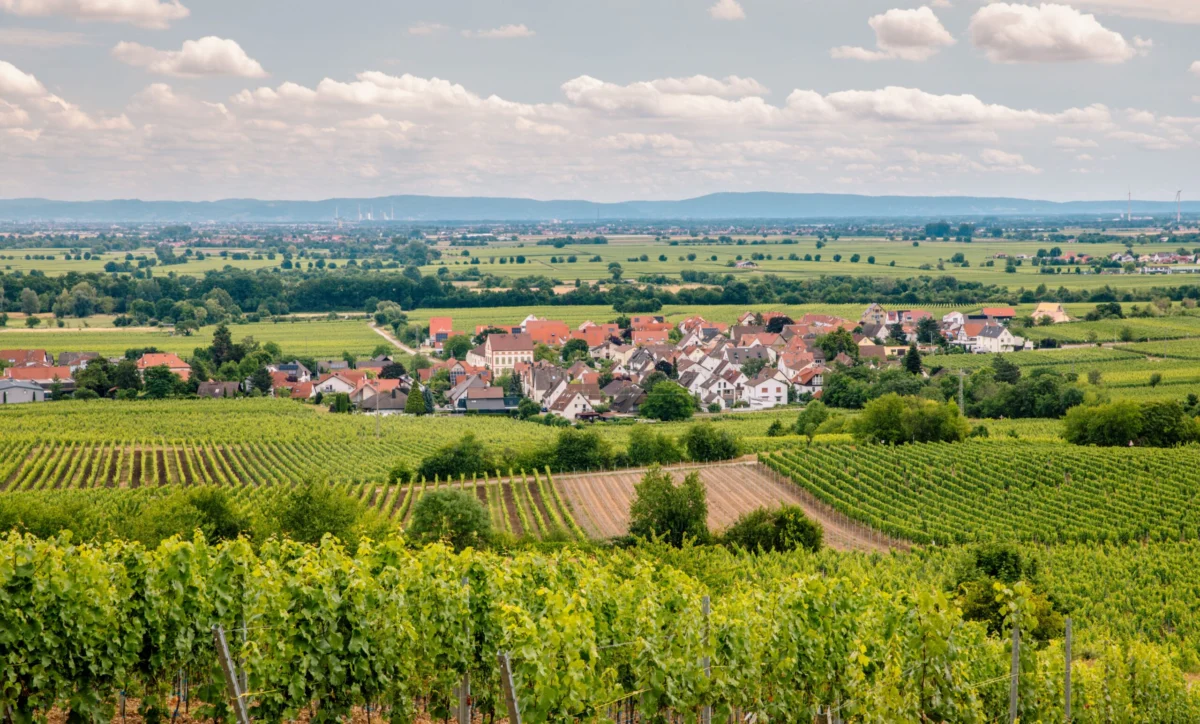
In the heart of Germany’s sun-drenched Rheinpfalz region lies Deidesheim, a hamlet of just 3,700 residents that, at first glance, appears to be a living postcard of medieval tranquility. Four-hundred-year-old cobblestoned streets wind past half-timbered houses, while the surrounding hills are carpeted in emerald-green vineyards. It is a place where the pace of life is dictated by the seasons rather than the ticking clocks of the nearby financial hubs.
However, beneath this serene, Mona Lisa-sanguine façade, a tectonic shift in the culinary world has occurred. Deidesheim is now home to Germany’s newest three-star Michelin restaurant, L.A. Jordan. This elevation has thrust the tiny village into the international spotlight, marking a significant milestone for a country that now boasts 12 restaurants with the guide’s highest honor. While Deidesheim has long been a "secret" weekend escape for the well-heeled financiers of Frankfurt and a favorite haunt for historic political figures—Chancellor Helmut Kohl famously brought world leaders like Queen Elizabeth II and Margaret Thatcher to dine at the local Deidesheimerhof—the arrival of a third Michelin star has transformed the town from a regional secret into a global bucket-list destination for the world’s most discerning gourmands.
A Chronology of Culinary Excellence
The rise of Deidesheim as a gastronomic powerhouse did not happen overnight. It is the result of a decade of focused, passionate evolution.
- 2014: The L.A. Jordan restaurant officially opens its doors within the Ketschauer Hof. It is named not after basketball sneakers, but after the visionary founder Ludwig Andreas Jordan. That same year, the restaurant secures its first Michelin star, signaling its intent to redefine the local dining landscape.
- 2023: After nearly a decade of consistent refinement and artistic growth, the restaurant is awarded its second Michelin star, placing it firmly among the elite tier of European dining establishments.
- 2024: The Michelin Guide announces its latest list, awarding L.A. Jordan a third star. This promotion elevates the restaurant into the top 150 globally and officially cements its status as a temple of haute cuisine.
- Post-Award (Present Day): The town experiences an immediate surge in international interest. Telephone lines at the restaurant are overwhelmed, and reservations are fully booked through the end of the summer, with inquiries flooding in from New York to London.
The Man Behind the Menu: Chef Daniel Schimkowitsch
Central to this success is Chef Daniel Schimkowitsch, whose culinary philosophy blends technical precision with deep respect for local, seasonal ingredients. Schimkowitsch’s cooking is defined by a sense of wonder—exemplified by dishes such as Atlantic monkfish paired with chanponzu sauce and luxurious Périgord truffle.

The chef’s reaction to the third star was one of profound humility. "I am speechless, happy, full of respect, humility, and gratitude to my entire team, the Michelin Guide, our guests, and my owner," Schimkowitsch remarked. His ascent mirrors the trajectory of the restaurant itself: starting with raw potential and refining it through years of grueling work and creative exploration until the final result is nothing short of world-class.
Official Responses and the "Culinary World Cup"
The reaction from the staff at L.A. Jordan was notably un-Teutonic, reflecting the sheer emotional weight of the achievement. Managing Director Ole Leidner, who has overseen the restaurant’s growth, described the moment the news broke as an overwhelming emotional release.
"It was like we won the food version of the Soccer World Cup, the Culinary World Cup," Leidner says. "There was screaming; I may have cried."
This level of passion is emblematic of the current spirit in Deidesheim. For a small town, the international recognition serves as a validation of a new, modern identity. Leidner emphasizes that while the town remains deeply rooted in its German traditions—the 75 percent domestic visitor rate proves this—the third star has provided an international "impact" that will fundamentally change the region’s profile for decades to come.

A Tapestry of Tradition and Modernity
Deidesheim’s charm lies in its oscillation between ancient custom and progressive innovation. The town’s calendar is packed with events that seem lifted from a different century: the Goat Day festival, where a neighboring village delivers a goat in exchange for ancient grazing rights, was recently awarded UNESCO cultural status. Conversely, the town’s vibe can shift to something akin to Berlin’s Berghain hipster cool, with DJs spinning from souped-up 1970s Kombi vans during the annual Wine Festival in August.
Beyond the Plate: A Viticultural Paradise
The wine culture in Deidesheim is, unsurprisingly, the heartbeat of the town. The vineyards form a "verdant belt" around the medieval core, with plots held by families for generations. While Riesling is the undisputed king of the region, visitors are increasingly discovering other varietals:
- Gewürztraminer: Aromatic and floral.
- Spätburgunder (Pinot Noir): Reds that rival those of better-known French regions.
- Auxerrois: A "sniper" of a wine—dangerously easy to drink and deceptively potent.
The Weinstrasse (Wine Street) serves as the main artery for the town’s social life. It is possible to "ping pong" between world-class wineries like Weingut von Winning, the glass-structured Weingut Reinhardt, and the innovative Weingut Reichsrat von Buhl, which adds a modern twist to the local scene with high-end sushi and Mexican food trucks during festivals.
The Implications: A Town Transformed
The "Michelin Effect" is a well-documented phenomenon, but for a town the size of Deidesheim, it presents both a challenge and a massive opportunity. The sudden influx of international gourmands brings a shift in the local ecosystem.

The Infrastructure of Luxury
The hospitality sector is already adapting. Beyond L.A. Jordan, the casual, French-themed 1718 restaurant provides a bridge between high-end dining and regional comfort. The Kaisergarten, with its serene koi pond and impeccable service, offers a more relaxed, sunny-afternoon experience, while the Waldschenke Deidesheimer Hütte provides a rustic, forested retreat for those who prefer their schnitzel with a side of mountain air.
The New Tourism Profile
The local government and business owners are now grappling with how to maintain the village’s "tumbleweed" charm while accommodating a global influx of food-focused travelers. The lack of large tour buses has historically kept the town’s authentic spirit intact; the goal for local stakeholders is to ensure that the "new" Deidesheim—the one that holds a three-star Michelin beacon—doesn’t lose the quiet, intimate soul that allowed it to grow in the first place.
Culinary Itinerary: A Gourmet’s Guide to Deidesheim
Where to Eat
- L.A. Jordan: The crown jewel. Modern, elevated, and currently the most sought-after table in Germany.
- 1718 Restaurant: For a more casual, yet refined, French-inspired experience.
- Kaisergarten: Ideal for sunny lunches by the koi pond.
- Gaststätte Winzerverein: The destination for traditional, face-sized schnitzels in a picturesque pergola setting.
- Sushi.B: A surprising, high-end Japanese contrast to the Eurocentric culinary landscape.
Where to Drink
- Weinbar 1911: The best spot for Riesling and people-watching in the main square.
- Gasthaus Zur Kanne: Known for its tranquil rear courtyard and creative lavender syrup mocktails.
- Kimich Winery: A must-visit for tasting in an original villa, particularly their fruity "Paradise" white wine.
Pro-Tip: When drinking locally, ask for a Dubbeglas. It is a traditional dimpled glass that holds 17 ounces. To pace yourself, follow the local custom of ordering a Weinschorle—a 50-50 mix of wine and sparkling water—which is the quintessential beverage for long afternoons in the Rheinpfalz sun.
Conclusion: A Starry Future
As Deidesheim moves forward, it balances precariously but beautifully on the tightrope between its medieval roots and its modern, three-star reality. Whether it is the cherry blossoms of March, the jazz-filled forest walks of October, or the lantern-lit Christmas markets of winter, the town offers a narrative that goes far beyond the dinner plate.

Michelin may have officially awarded the town three stars, but for the residents who have cultivated these vines and kept these traditions alive for centuries, the value of Deidesheim has always been infinite. For the rest of the world, the invitation is open—but you would be wise to book your table well in advance.
 Nana Muazin
 Sagoh
Sagoh
 Asro
Asro
