

In an era defined by rapid technological shifts and an increasingly fragmented public discourse, the gaze of a dog remains one of the few constants in the human experience. Earlier this year, this ancient, unspoken connection was thrust into the spotlight through harrowing footage of beagles held in a Wisconsin biomedical research facility. The viral images of these trembling creatures, juxtaposed against the visceral scenes of activists facing tear gas to secure their release, forced a collective, uncomfortable confrontation. When those dogs looked into the camera lenses, they were looking at us—the architects of their confinement and the potential stewards of their liberation.
It is against this backdrop of contemporary moral urgency that Thomas W. Laqueur’s The Dog’s Gaze: A Visual History (2026) arrives. A sweeping, ambitious survey of canine presence in Western art, the book posits that the dog is not merely a subject of portraiture but an "aesthetics of sociability" that bridges the chasm between species.
A Chronological Odyssey of Canines in Art
Laqueur’s project is nothing short of a chronological odyssey, tracing the evolution of the dog’s role in Western visual culture from the Paleolithic era to the digital age. By curating over 250 full-color reproductions, he illustrates a transition from the utilitarian animal to the emotional confidant.
The Primitive Witness
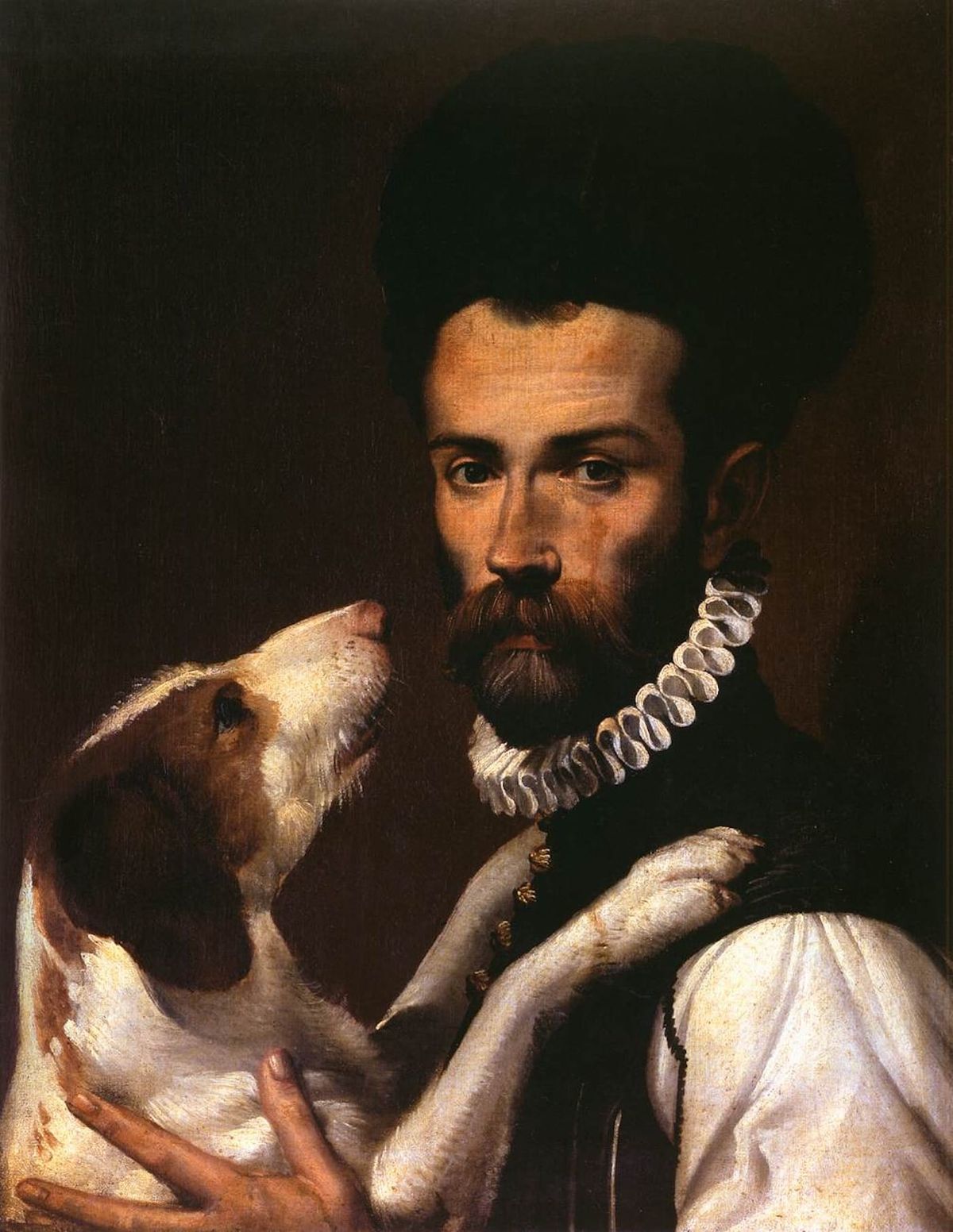
In the earliest artistic records, dogs appear as shadows of human survival—partners in the hunt or sentinels at the hearth. However, as Laqueur meticulously documents, the shift toward a more nuanced, anthropomorphic gaze begins to emerge in the Renaissance. No longer just a prop or a symbol of fidelity, the dog begins to occupy the same psychological space as the human subject.
The Renaissance and the Structural Axis
Laqueur highlights the work of Vittore Carpaccio, particularly in St. Augustine in His Study (1501–1505). Here, the dog is not a peripheral decoration; it functions as a structural anchor. The creature’s gaze dictates the flow of the viewer’s eye, effectively tethering the sacred to the mundane. It is in this period that we see the artist beginning to acknowledge the dog as a sentient participant in the human narrative.
The 19th Century: From Pet to Family Member
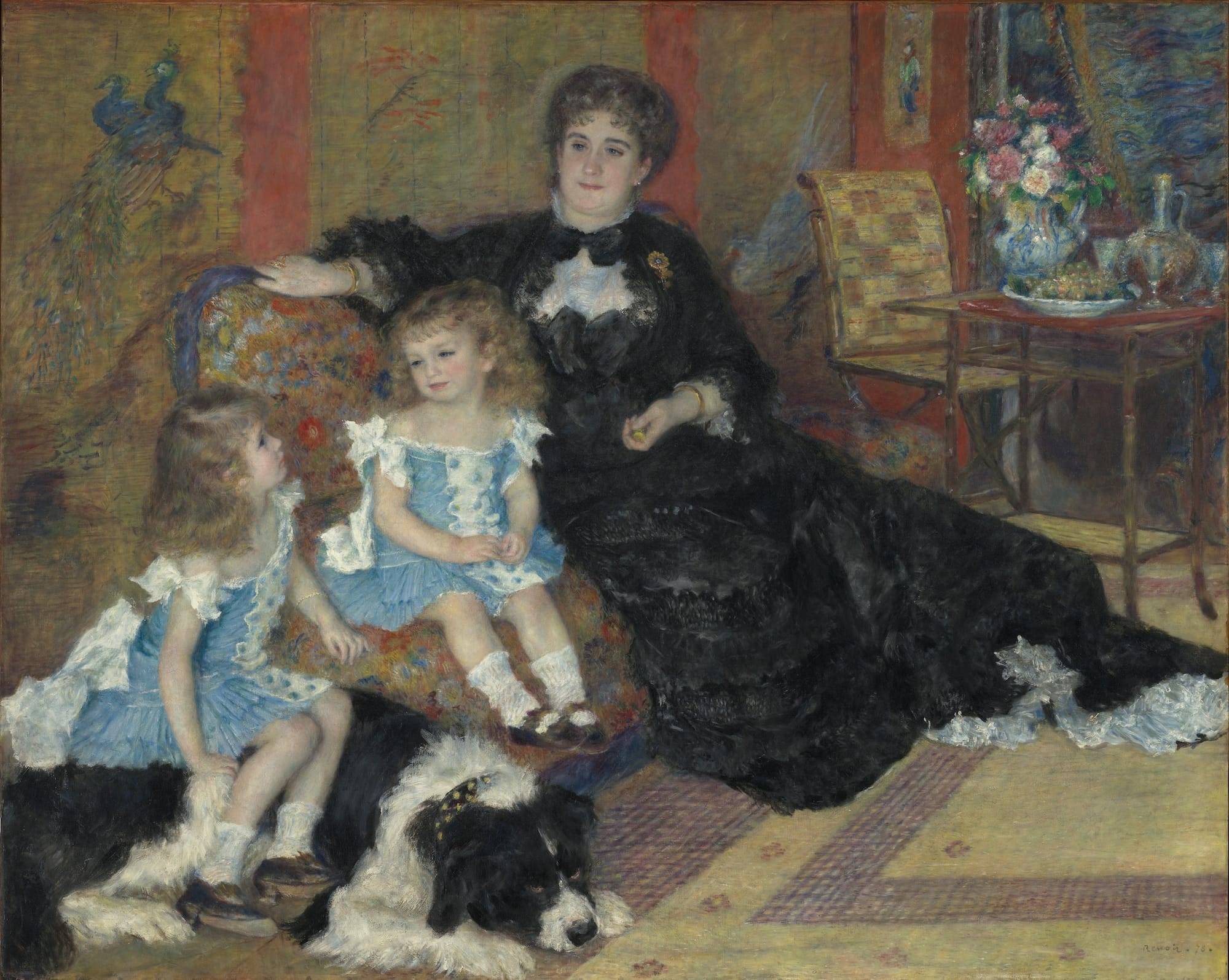
Perhaps the most significant pivot in Laqueur’s timeline occurs in the 19th century. In Pierre-Auguste Renoir’s Madame Georges Charpentier and Her Children (1878), the dog is no longer a servant but a sibling. By serving as a literal "chair" for the human subjects, the dog is integrated into the domestic hierarchy. This represents a sociological milestone: the formalization of the canine as a fundamental member of the modern family unit.

The Aesthetics of Sociability: Data and Analysis
Laqueur’s analytical framework relies on what he terms an "aesthetics of sociability." He argues that because dogs share our sensory world—they see what we see, they occupy our physical environment—they are uniquely capable of breaching species boundaries.
Comparative Art Analysis
Laqueur does not shy away from critical appraisal. He contrasts the high-minded, structural compositions of early masters with the 19th-century penchant for emotional indulgence. He critiques Edwin Landseer, famous for his tender portrayals like The Old Shepherd’s Chief Mourner (1837), for occasionally slipping into "bathos." Yet, Laqueur admits that this very sentimentality is what cemented the dog’s status as a vessel for human grief.
The Evidence of Empathy
The book provides a compelling dataset of human emotional projection. By analyzing how dogs are rendered in moments of tragedy—such as in Antonio da Correggio’s Ganymede Abducted by the Eagle (1531–32)—Laqueur shows that the dog is frequently the only character in the composition capable of witnessing human suffering with an expression of shared vulnerability. This is not merely an artistic choice; it is a profound commentary on the nature of empathy.
Official and Societal Responses: The Echoes of Vivisection
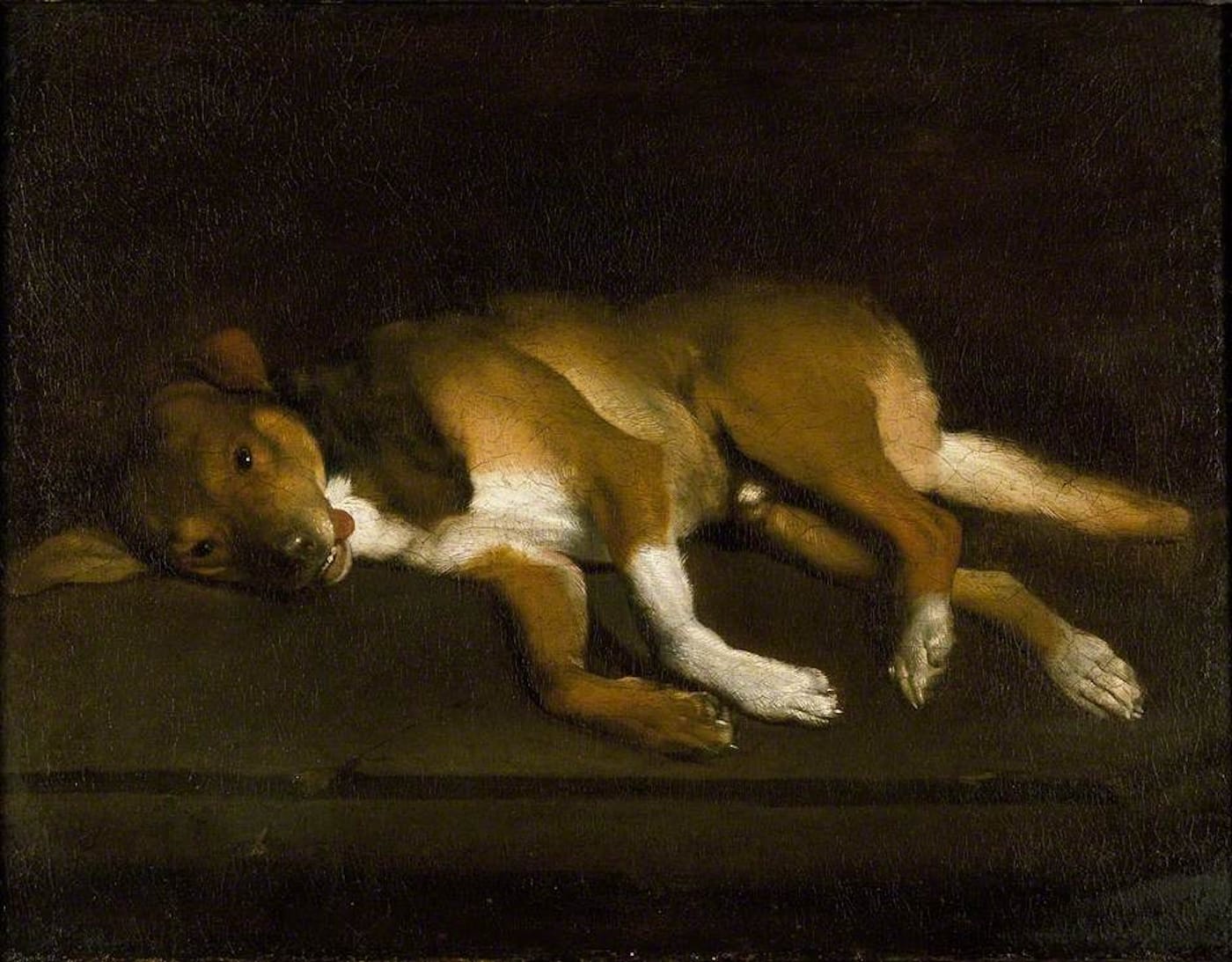
While The Dog’s Gaze is primarily an art-historical text, it is impossible to divorce its subject from the history of animal welfare. Laqueur touches upon the 19th-century anti-vivisection movement, noting how early activists utilized graphic, often disturbing imagery of dogs to catalyze public outrage.
These historical images mirror the recent events in Wisconsin, where the "gaze" of the lab-bound beagle became a rallying cry for legislative reform. The irony, as noted by observers, is that while society has moved toward viewing dogs as family members, the institutionalized treatment of dogs in research remains a stark, unresolved contradiction. Laqueur handles this tension with the detached, clinical eye of a historian, yet the implications are clear: art has long been the primary tool by which we reconcile our love for dogs with the violence we impose upon them.
Implications: The Power of Sentimentality
As the book nears its conclusion, Laqueur moves from the gallery to the personal archive. He includes a commissioned photograph of his grandfather with a Doberman in 1920s Germany and a contemporary digital snapshot of his own Weimaraner, Rudi, sleeping in his study.
The Personal Turn
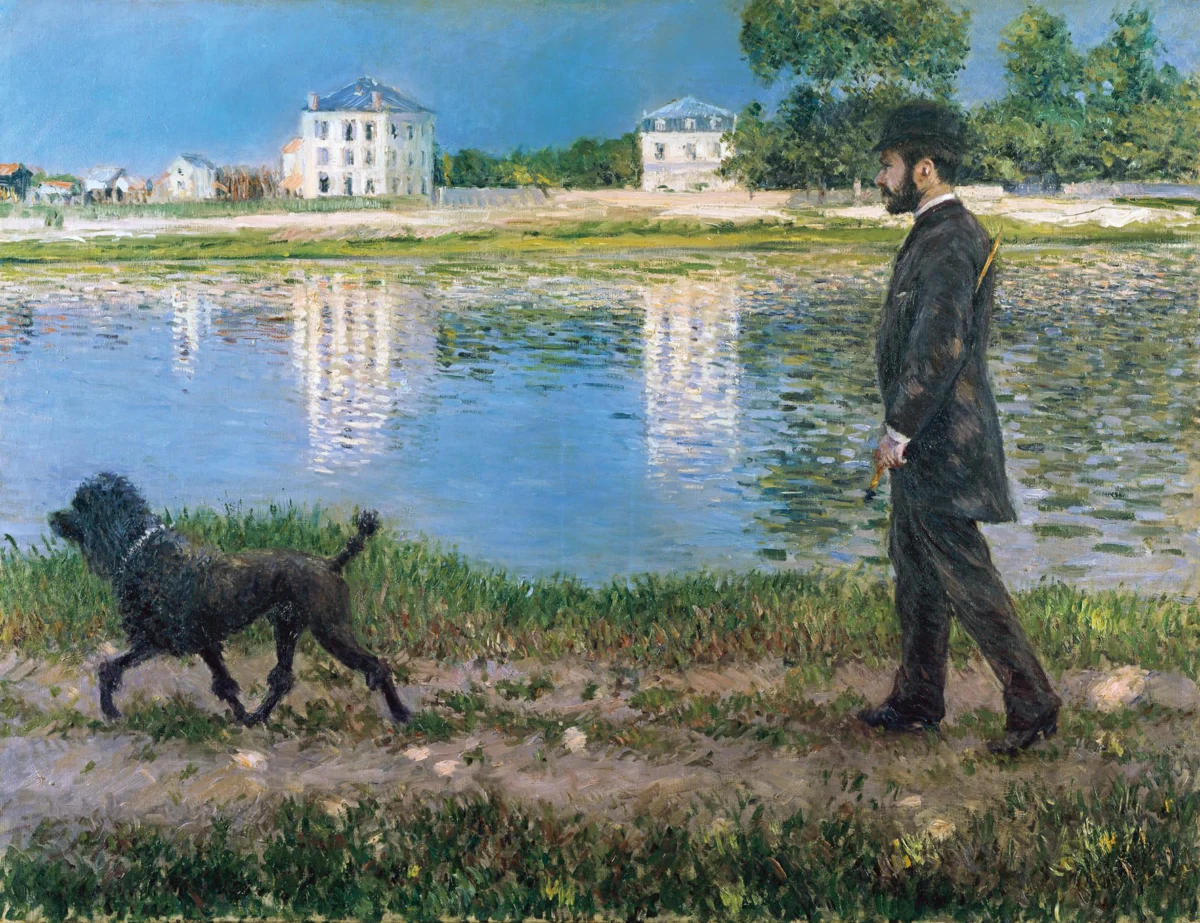
This inclusion of his own life serves a vital purpose. By placing his own dog alongside the works of Dürer and Caillebotte, Laqueur collapses the distance between the "High Art" of the past and the "Lived Life" of the present. He suggests that the sentimentality he once criticized in 19th-century painting is, in fact, a necessary survival mechanism.
A Call for Radical Empathy
The ultimate implication of The Dog’s Gaze is a call to action through emotion. If we have spent centuries painting dogs as "humans in fur," perhaps that is because we are desperate to find a mirror for our own best qualities. Laqueur concludes that this "over-sentimentalization" is not a weakness of the intellect but a strength of the spirit.
In a world that frequently treats sentient beings as disposable, the act of recognizing a dog’s gaze—and acknowledging the humanity we project into it—is a radical act. It forces us to slow down, to observe, and to feel. Whether in a museum, a laboratory, or a living room, the dog’s gaze serves as a reminder that we are not alone in our capacity for connection.
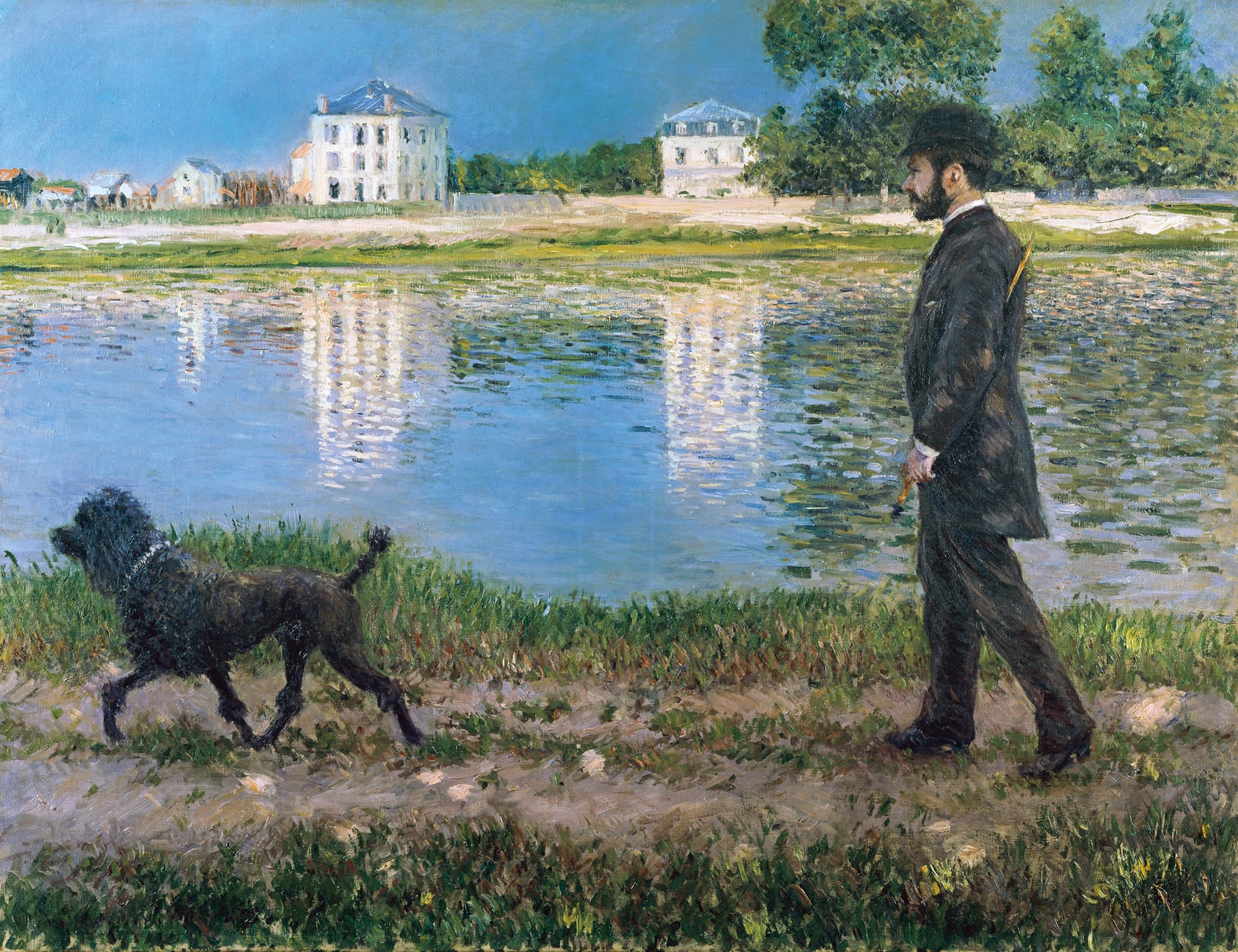
As we look at the legacy of the dogs captured in these 250 artworks, we are forced to ask: if we can see our own souls reflected in their eyes, why is it still so difficult to ensure their safety in our world? The Dog’s Gaze does not provide a legislative answer, but it provides the moral foundation upon which such an answer might be built. It is a testament to the fact that, across centuries of history, the bond between human and dog remains the most enduring mirror we have.
The Dog’s Gaze: A Visual History (2026) by Thomas W. Laqueur is published by Penguin Press and is currently available for purchase through major retailers and independent bookstores.
 Basiran
 Muslim
 Evan Lee Salim
