

In the high-stakes ecosystem of the global art market, the recent announcement by Pace Gallery—one of the world’s most powerful commercial art entities—has sent shockwaves through the cultural sector. Following the sudden termination of 50 staff members and the removal of 50 artists from its prestigious roster, the industry has been forced to confront a uncomfortable reality: the "blue-chip" gallery model, long considered an untouchable bastion of stability, is undergoing a turbulent, perhaps existential, recalibration.
As Hyperallergic has reported, this shift has prompted a wave of industry commentary. However, much of the discourse emanating from established power brokers has been characterized by a convenient detachment. By labeling the current market volatility as an "inevitable consequence" of a "broken model," these architects of the status quo attempt to evade accountability for the very systems they spent decades building and benefiting from.

The Chronology of the Contraction
The unraveling began in early June, when Pace Gallery confirmed widespread downsizing. The scale of the cuts was immediate and profound, stripping away nearly 10% of the gallery’s workforce and a significant portion of its representation.
- June 4: Pace Gallery formally announces a sweeping restructuring. CEO Marc Glimcher characterizes the decision as a necessary reaction to an industry-wide downturn, describing the current gallery model as "unfixable."
- June 4 (Afternoon): In a surprise Zoom town hall, Glimcher addresses the staff. According to multiple attendees, he acknowledged personal responsibility for the series of strategic decisions that led to the current shortfall.
- The Immediate Aftermath: Reports from within the gallery suggest a climate of confusion. While the executive leadership pointed toward external macroeconomic forces, the internal experience for many employees was one of sudden, opaque processes, with the most vulnerable staff members bearing the brunt of the layoffs.
The Hall of Mirrors: A Critical Look at Leadership
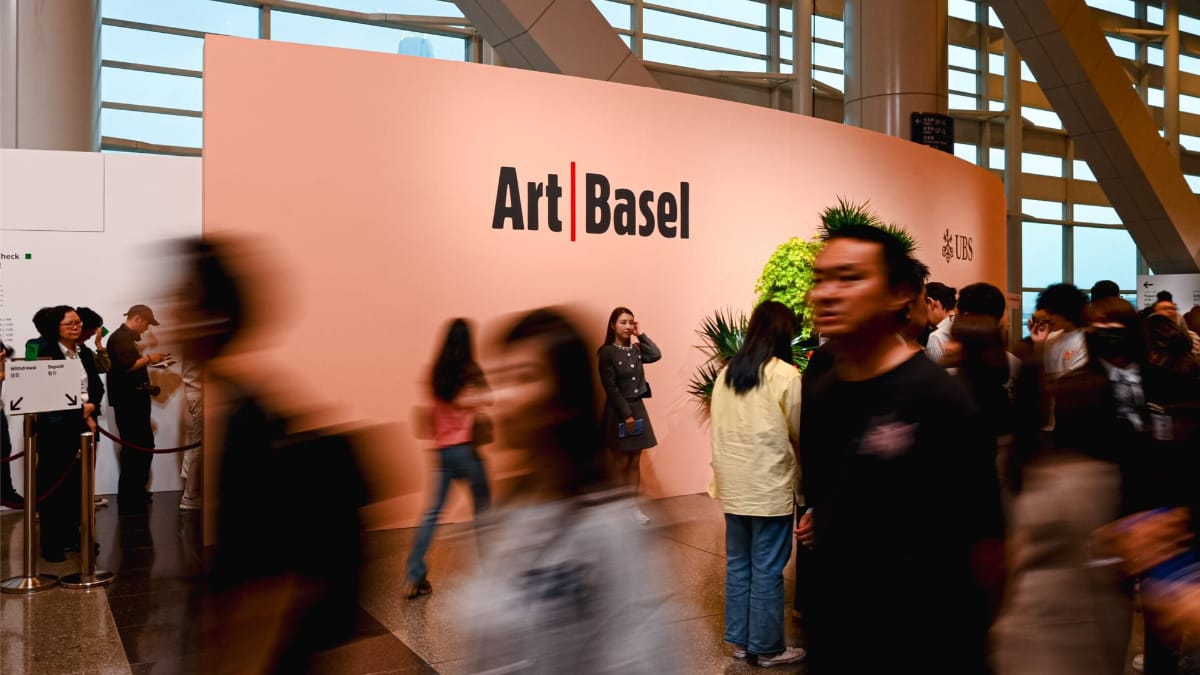
The narrative of "inevitability" is perhaps the most contentious aspect of the Pace situation. In an incisive critique, Hyperallergic contributor Barbara Pollack dismantled the recent New York Times commentary provided by former Art Basel director Marc Spiegler.
Pollack argues that figures like Spiegler write about the current decline of the gallery ecosystem with the feigned neutrality of an outside observer, rather than as one of the primary architects of the contemporary art market’s expansionist phase. By framing the crisis as a systemic failure beyond any individual’s control, industry leaders are effectively insulating themselves from the consequences of their own aggressive growth strategies—strategies that prioritized volume and rapid market saturation over the long-term sustainability of the gallery-artist-collector relationship.
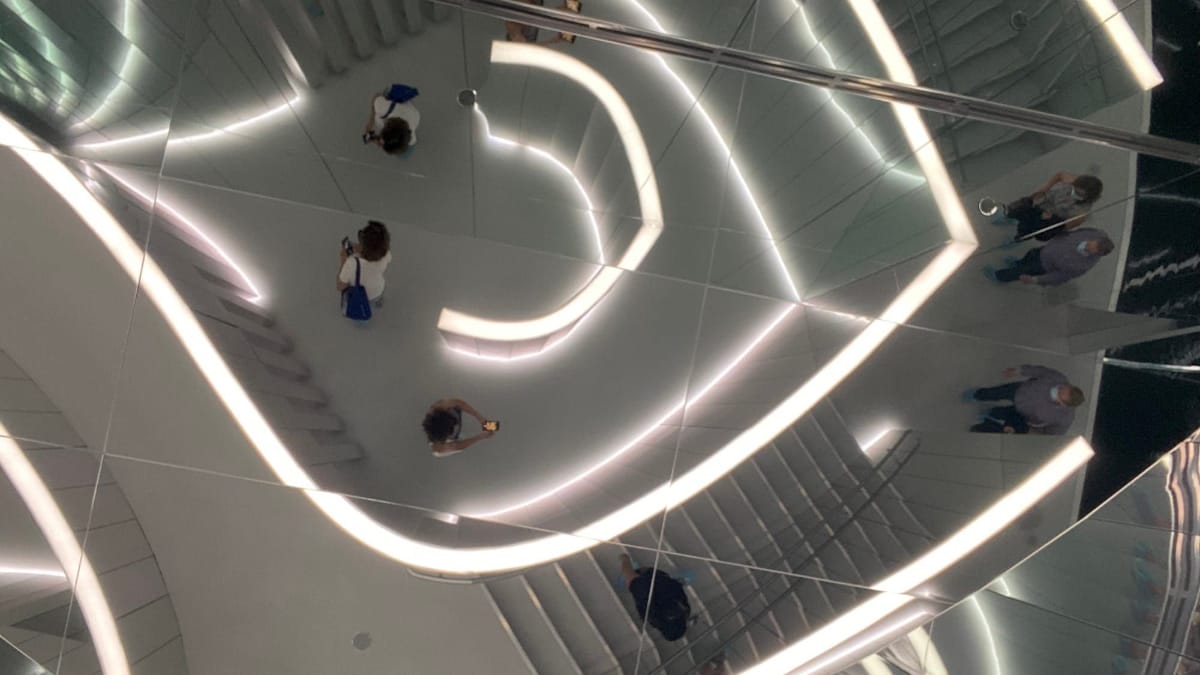
"Pace Gallery’s Hall of Mirrors," an investigative deep dive by Valentina Di Liscia and Rebecca Schiffman, further highlights this disconnect. By interviewing those on the front lines—the gallery workers and the artists—the report reveals a stark divergence between the corporate "official messaging" and the lived reality of the human beings impacted by these cuts. The "mirrors" in this case reflect a leadership team struggling to reconcile its former ambition with a market that has fundamentally shifted under its feet.
Supporting Data: The Broader Market Context
The contraction at Pace is not an isolated event; it is a symptom of a broader, more systemic malaise. Over the past two years, the art market has faced several headwinds:
- Stagnation in Mid-Market Sales: While the ultra-high-end remains largely insulated, the mid-market—where many galleries rely on consistent turnover—has seen a marked decline in demand.
- Increased Overhead Costs: The cost of maintaining global footprints in major urban centers like New York, London, and Hong Kong has become increasingly difficult to justify against shifting revenue streams.
- The Digital Disruption: The transition toward digital-first sales platforms, accelerated by the pandemic, has challenged the necessity of the massive, staff-heavy gallery infrastructure that defined the early 21st century.
- Artist/Gallery Tensions: As galleries face revenue pressure, the traditional 50/50 commission split is increasingly being challenged, leading to strained relations between institutions and the creators they represent.
Official Responses and Internal Dissonance
The official position from Pace leadership, as articulated by Marc Glimcher, is that the gallery must pivot to a more sustainable, leaner operation. Glimcher’s admission of responsibility during the June 4 town hall was a rare moment of vulnerability in an industry that typically guards its reputation with ironclad public relations.
However, for the employees, this admission offers little solace. Many workers described a process of "sudden erasure," where the human component of the gallery’s success was treated as a line item to be optimized. The lack of clarity regarding the selection process for the 50 artists who were cut has also raised questions about the gallery’s future vision and its commitment to those whose careers were built in partnership with the Pace brand.
The Human Cost and Implications for the Future
Beyond the corporate boardrooms, the impact of these events is felt most acutely by the artists and cultural workers who make the art world function.
As we look toward the future, the implications are clear: the "Blue Chip" era of infinite expansion is likely over. Galleries will be forced to choose between massive, global footprints and more boutique, sustainable models that prioritize depth over breadth.
Furthermore, the industry’s reliance on "official narratives" is being challenged. As independent journalism continues to pull back the curtain, the power dynamic between the institutions and the workforce is shifting. The demand for transparency—not just in financial dealings, but in the treatment of the individuals who sustain these institutions—is growing.
A Moment of Global Solidarity
While we focus on the mechanics of the art market, it is essential to remember the broader context in which these institutions exist. As reported previously, the recent earthquakes in Venezuela have resulted in a staggering loss of life and property. The search for loved ones continues, and the cultural community, including artists and creative workers, has been deeply affected.
Hyperallergic stands with the people of Venezuela during this time of profound grief. We urge our readers to support aid efforts and to remember that the art world’s internal crises, while significant, occur within a much larger, more volatile global landscape.
Looking Ahead: The Path Forward
The situation at Pace is a litmus test for the industry. Will major galleries continue to double down on a model of expansion at all costs, or will they begin to integrate the voices of their staff and artists into their decision-making processes?
As we move forward, we must continue to ask:
- Whom does the current gallery model serve?
- Can a system built on exclusivity ever be truly sustainable?
- How can we center the people—not just the profits—in the future of the arts?
The answers to these questions will define the next decade of the art world. For now, the "Hall of Mirrors" at Pace stands as a cautionary tale: when the reflection no longer matches the reality of those inside, the entire structure is destined for a necessary, if painful, reconstruction.
For those interested in further reading, this week’s coverage also includes an intimate look at the studio practice of 83-year-old artist Brenda Goodman, a deep dive into Richard Tsao’s "Sanuk" approach, and critical reviews of new documentaries on Georgia O’Keeffe and the ethics of AI in the arts. Join us as we continue to push past the official narrative and investigate the forces shaping our cultural future.
 Muslim
 Evan Lee Salim
 Jia Lissa
