

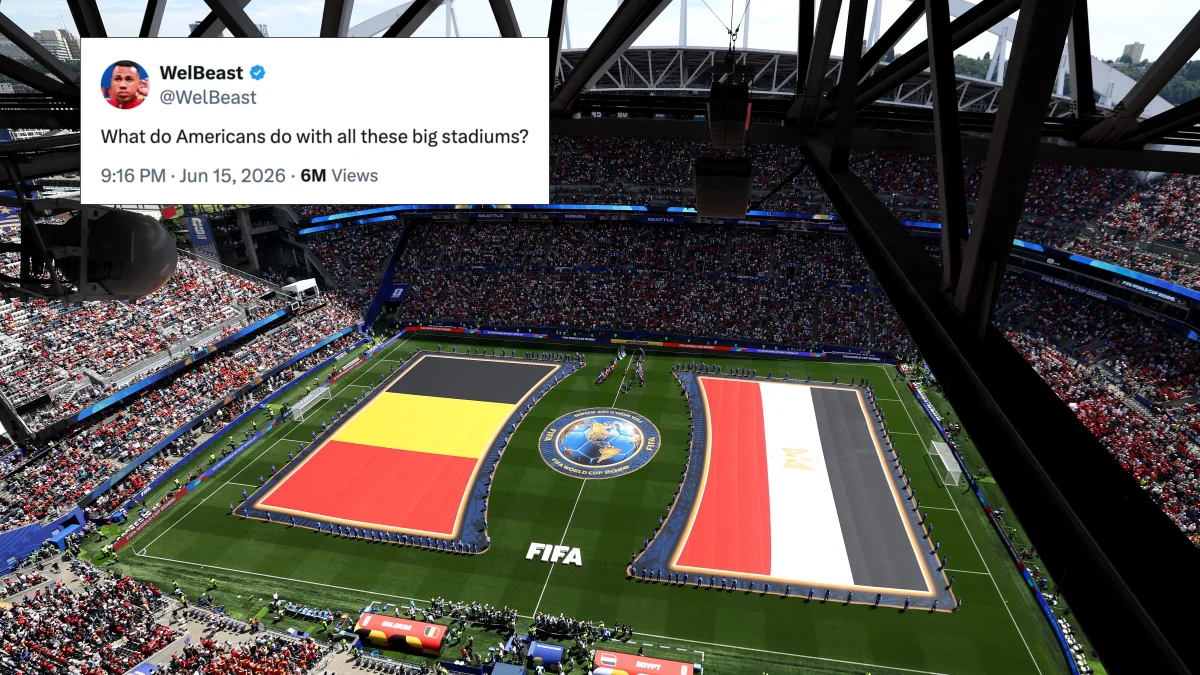
While the 2026 FIFA World Cup matches are capturing global attention with high-stakes athleticism and tactical brilliance, a parallel tournament is unfolding far from the pristine turf of the stadiums. For thousands of international visitors, the true essence of the 2026 games is not just found in the penalty box, but in the aisles of suburban Walmarts, the neon glow of Waffle House signs, and the sprawling, quintessentially American landscapes of the South and Midwest.
This unexpected cultural exchange has transformed the tournament into a massive, decentralized social media experiment. As fans navigate the logistical hurdles of a tournament spread across 11 U.S. host cities and dozens of auxiliary base camps, they have become accidental travel influencers, casting a fresh, often bewildered, and deeply fascinated eye on the rhythms of American daily life.
The Americana Phenomenon: A New Lens on the Ordinary
For the average American, a trip to a chain restaurant or a drive through a college town is a mundane necessity. For a visiting fan from Europe, Asia, or South America, these locations have become bucket-list destinations. This trend has been fueled by a collective desire to experience the "Americana" seen in movies and television, often resulting in content that oscillates between sincere admiration and humorous culture shock.
The Rise of the "Accidental Influencer"
The breakout star of this digital phenomenon is undoubtedly @FreddyLA7, a German fan whose road trip through the American South has garnered over 600,000 followers. His journey has served as a rolling documentary of the American landscape. From the "10/10" culinary experience of a late-night Waffle House run to the surreal encounter with Stranger Things filming locations, Freddy’s documentation has bridged the gap between foreign perception and American reality.
His experience became so viral that he unintentionally became a local celebrity, meeting the Mayor of Houston and receiving shoutouts from high-ranking political figures. When he noted that country singer Ella Langley’s music had become the unofficial "soundtrack" of his road trip, the internet responded in kind, ultimately facilitating a meeting with the artist herself.
Beyond the Stadium: What Fans Are Discovering
The phenomenon is not limited to one individual. Elsa Thora, a Swedish visitor, has captivated her audience by treating the most standard American staples—ranch dressing, the interior of a typical grocery store, and the iconic yellow school bus—as if they were monumental cultural artifacts.
Other notable trends include:
- The "Movie Set" Aesthetic: Fans from the UK and beyond have expressed shock at the scale of American high school football stadiums, often comparing them to professional arenas they have seen in Hollywood films.
- Culinary Curiosity: From the "bottomless" chips and salsa culture that baffles visitors accustomed to menu-priced sides, to the cult-like following of Raising Cane’s, food remains the primary language of this cultural exchange.
- The Infrastructure of Daily Life: The sheer size of American retail giants like Erewhon and Walmart has sparked countless threads regarding the abundance and excess characteristic of the U.S. consumer market.
Chronology of the Fan Experience
The narrative arc of the 2026 World Cup for traveling fans can be broken down into three distinct phases:
- The Arrival (Early June): Fans initially focused on the major host cities. During this period, the content was characterized by excitement over the spectacle, stadium grandeur, and the immediate shock of American scale.
- The Exploration (Mid-June): As teams moved to base camps—in cities like Chattanooga, Greensboro, Columbus, and Spokane—fans began to venture into the "interior" of the country. This is when the viral content shifted from football highlights to the "side quests" of Americana, such as road trips and rural exploration.
- The Integration (Ongoing): By the mid-point of the tournament, international fans began to blend into the local culture, participating in tailgates, engaging with local music scenes, and finding themselves invited into the homes and social circles of Americans.
Supporting Data and the Digital Footprint
The engagement metrics surrounding these off-field discoveries are unprecedented. Platforms like X (formerly Twitter) and TikTok have seen a surge in hashtags related to #WorldCupTravel and #AmericanRoadTrip.
- Reach: Influencers like @FreddyLA7 have seen engagement rates that rival official tournament sponsors, suggesting that the human-centric narrative of the "American experience" is currently more viral than the matches themselves.
- Geographic Distribution: While the 11 main host cities (including New York, Los Angeles, and Dallas) remain the hubs, the 25 base-camp communities have seen an influx of tourism that their local economies were rarely prepared for. This has led to a significant "multiplier effect" for local small businesses, from gas stations to local diners, which are suddenly finding themselves the subject of international attention.
The Friction: Logistics, Costs, and Access
However, the romanticism of the "American road trip" exists alongside a more complex reality. The tournament has not been without its logistical failures.
The Crisis of Accessibility
One of the most sobering aspects of the 2026 experience has been the barrier to entry. The story of Cape Verde goalkeeper Josimar "Vozinha" Dias serves as a poignant reminder of the tournament’s flaws. After a standout performance against Spain, Dias revealed that his own mother was unable to attend the game due to visa complexities and the prohibitive cost of travel. This has sparked a broader debate about whether the World Cup, in its current iteration, is truly "open" to the global community it claims to represent.
FIFA and the Price of Admission
Beyond visa issues, there is widespread dissatisfaction regarding the financial and logistical management of the event:
- Price Gouging: The cost of accommodation and transport has spiked significantly in host cities, leading to public criticism from world leaders, including the President of Mexico, who voiced concerns over the affordability of the tournament for average fans.
- Transport Chaos: In major hubs like New York, commuters and fans alike have faced significant delays and system failures, highlighting the strain on American public infrastructure during such a massive influx of people.
- Ticket Integrity: Reports of fans arriving at stadiums only to find their tickets invalid or missing have plagued the tournament, leading to calls for better oversight of FIFA’s third-party ticketing platforms.
Implications: A Tournament in Two Halves
The 2026 FIFA World Cup will ultimately be remembered for two distinct legacies. The first is the athletic competition, which continues to provide the drama expected of the world’s most popular sport. The second, and perhaps more enduring, is the social impact of the "side quest" culture.
A Shifting Perception of the U.S.
The viral nature of these fans’ experiences is fundamentally altering the perception of the United States. By showcasing the hospitality of local communities, the bizarre charm of chain restaurants, and the sheer scale of the landscape, these fans are providing a humanizing counter-narrative to the political polarization often associated with the country.
Lessons for Future Hosts
The logistical challenges—visa bottlenecks, transport failures, and ticket discrepancies—serve as a warning for future host nations. A successful World Cup requires more than just world-class stadiums; it requires a robust, accessible, and affordable infrastructure that can support the influx of the entire world.
As the tournament heads toward the final whistle on July 19, the focus will undoubtedly return to the field. But for the thousands of fans who spent their afternoons debating the merits of ranch dressing or navigating the aisles of a mid-American supermarket, the 2026 World Cup has already succeeded as a transformative, if occasionally chaotic, adventure. They arrived for the soccer, but they stayed for the Americana.
 Nana Wu
 Neng Nana
 Reynand Wu
