

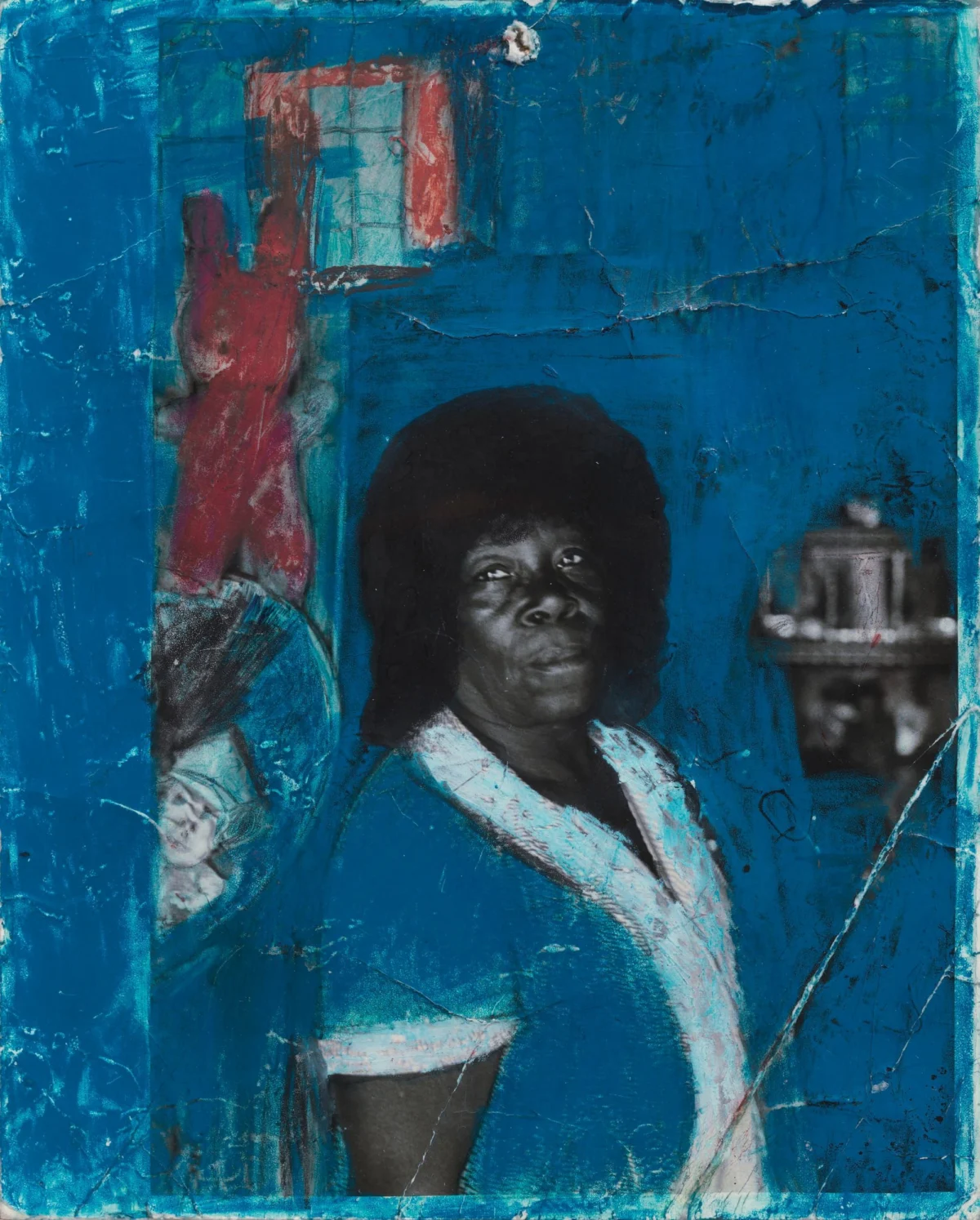
Introduction: Making Something Out of Nothing
"I would take nothing and make it something." This ethos, declared by the late, self-taught visionary Nellie Mae Rowe, serves as the spiritual anchor for This World is Not My Own (2023), a genre-bending documentary that finally brings the complexities of the artist’s life to a global audience. Beginning July 2, Black Public Media will offer the film for free via its YouTube channel, ensuring that Rowe’s indelible mark on American art history is accessible to all.
Directed by Petter Ringbom and Marquise Stillwell of OpenDox, and produced by Ruchi Mital, the film is far more than a standard biography. It is a cross-media tapestry that weaves together recorded interviews, scripted readings, and immersive 3D animation to reconstruct the vanished world of a woman who defied the limitations imposed upon her by race, gender, and the socio-political climate of the American South.
Chronology: A Life Defined by Creation
Early Struggles and Seeds of Genius
Born on July 4, 1900, in Fayetteville, Georgia, Nellie Mae Rowe was the daughter of a formerly enslaved sharecropper and a seamstress. Growing up as one of ten children, her childhood was defined by the harsh realities of the post-abolition South. Although she displayed an early, prodigious talent for drawing and crafting dolls from found materials, her formal education was cut short by the necessity of laboring in the cotton fields.
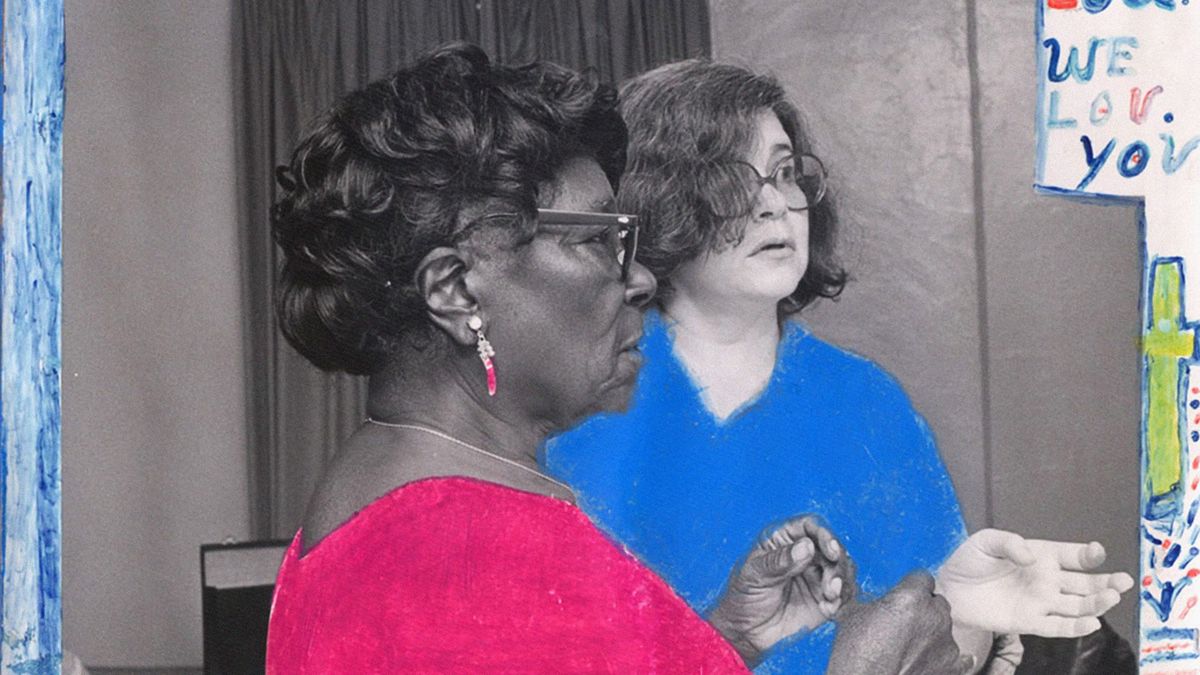
Despite these hardships, Rowe never abandoned her creative impulse. Her life was marked by two significant marriages and two periods of widowhood. By the time she was 50, she had reclaimed her independence, choosing to focus her energy on the "Playhouse"—the home she shared with her second husband, Henry Rowe, in Vinings, Georgia.
The Playhouse: A Sanctuary for the Soul
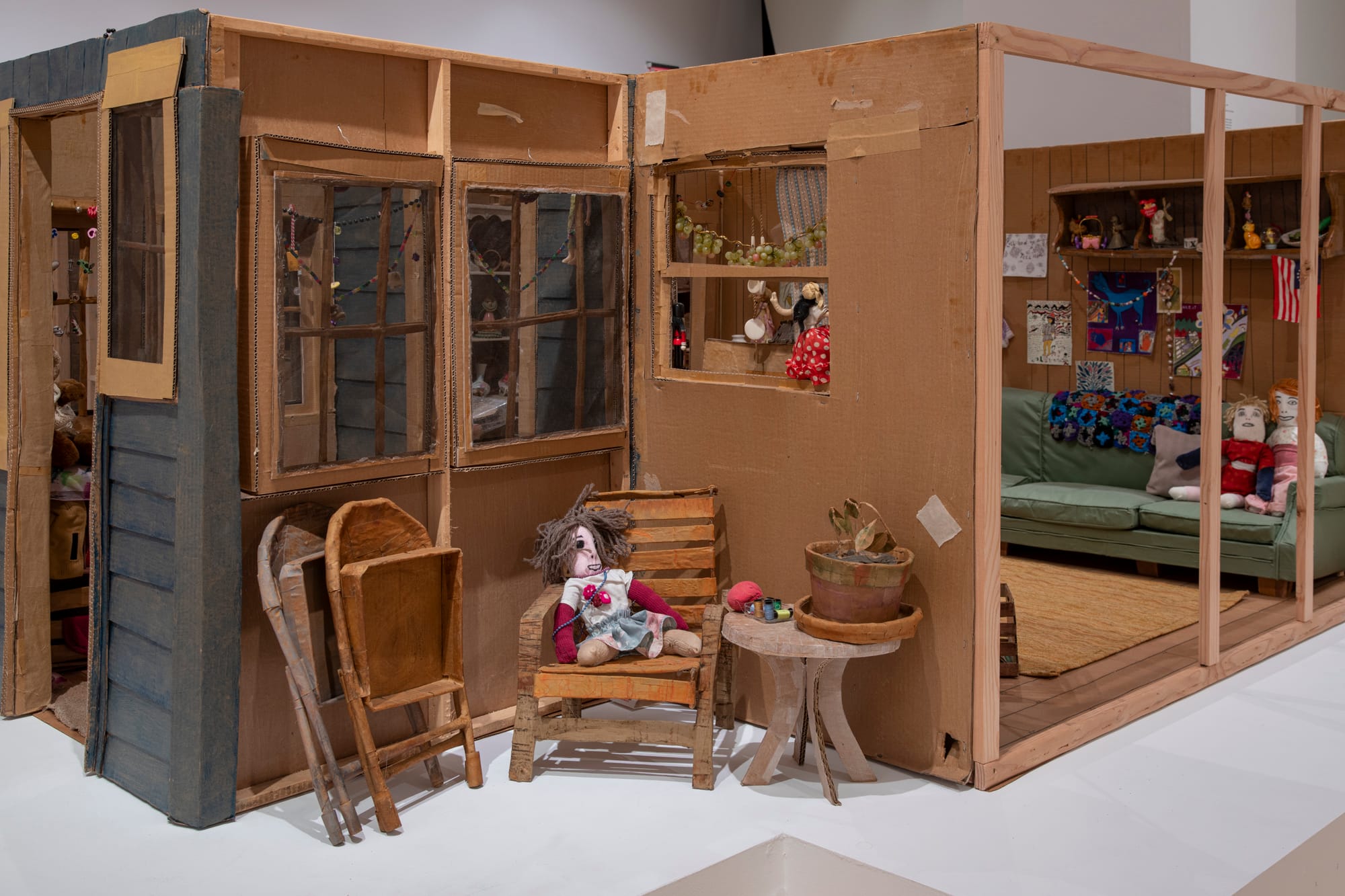
The "Playhouse" was more than a residence; it was a living, breathing work of art. Rowe transformed her domestic space into an immersive installation, covering walls with her drawings and filling the yard with "zany" lawn decor, glass-bottle trees, and sculptures made from materials as mundane as chewing gum.
While the neighborhood often viewed her eccentric displays with skepticism—and, at times, open hostility—Rowe maintained an unwavering "open-door" policy. She welcomed visitors, shared her stories, and invited others to participate in the act of creation, provided they brought their own materials (though she was famously picky about the quality of the chewing gum donated to her).

The Convergence with Judith Alexander
The trajectory of Rowe’s life shifted in the 1970s when she crossed paths with Judith Alexander, an eccentric and dedicated art dealer. Their meeting would catalyze the final, whirlwind chapter of Rowe’s life, leading to institutional recognition, her first plane ride, and her debut in the New York City art scene. The film meticulously tracks this unlikely partnership, using it as a lens to explore the tension between the artist’s raw, intuitive practice and the structured, often exploitative world of the professional art market.
Supporting Data: The Craft of This World is Not My Own
A Multi-Dimensional Narrative
The film’s 97-minute runtime utilizes a sophisticated blend of techniques to solve a documentary challenge: how to tell the story of a subject whose physical environment—the original Playhouse—no longer exists.
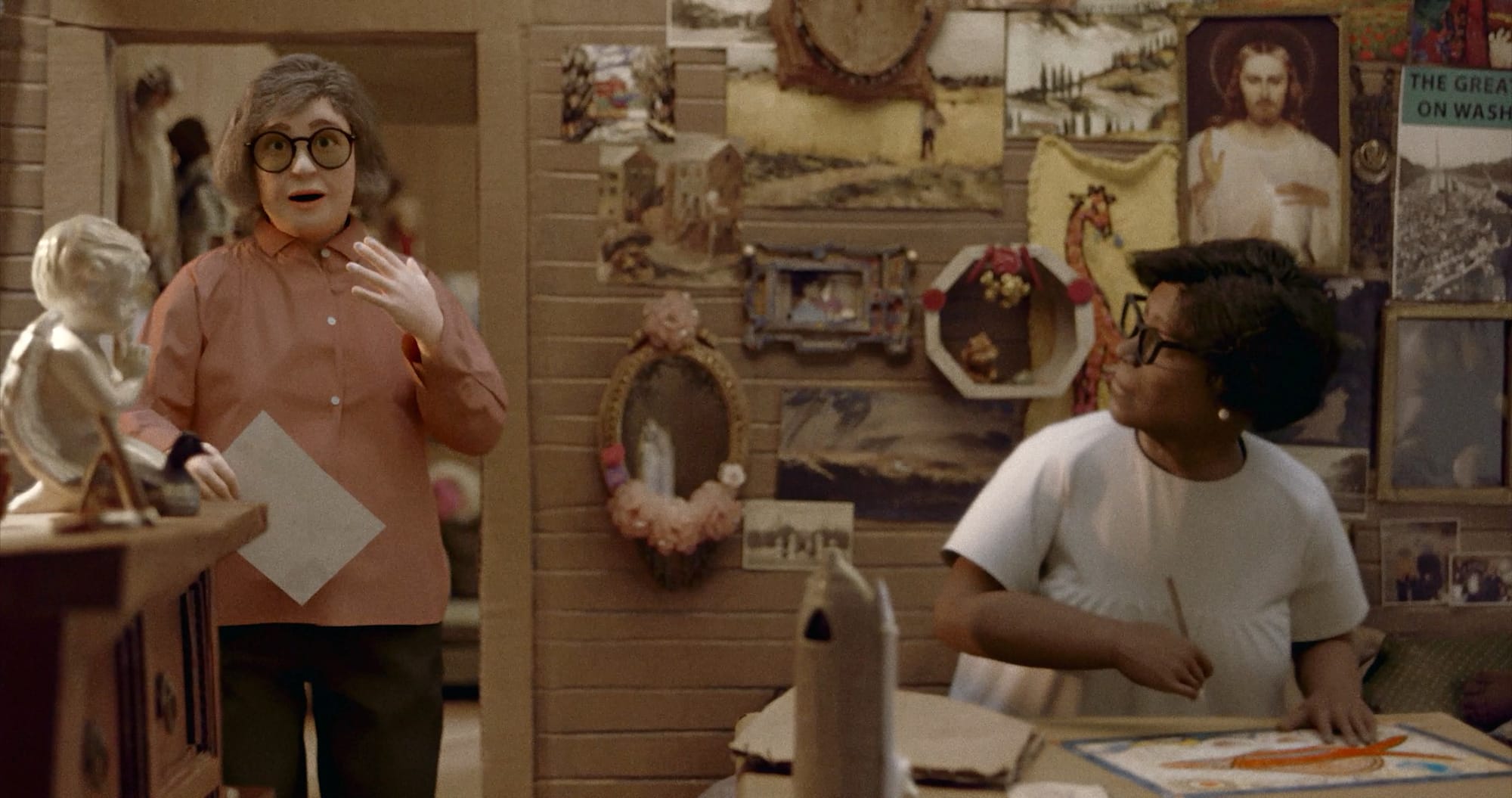
- 3D Animation: The filmmakers constructed a hand-built miniature set representing the Playhouse. Through 3D animation, they place digital avatars of Rowe and Alexander within this space, allowing the audience to witness their interactions as if they were occurring in real time.
- Vocal Resurrection: The performances of Uzo Aduba (as Rowe) and Amy Warren (as Alexander) provide a hauntingly effective emotional resonance. By utilizing their actual, documented dialogue from over 40 years ago, the filmmakers strip away the distance of time.
- Contextual Anchoring: To prevent the film from becoming a "hagiography," the directors interviewed local historians, family members, and art scholars. These voices ground Rowe’s story in the brutal history of Georgia, referencing the 1906 Atlanta Race Riots and the 1913 murder of Mary Phagan to illustrate the world Rowe was navigating simultaneously.
Official Responses: Perspectives from the Production Team
In a conversation with Hyperallergic, producer Ruchi Mital emphasized the team’s desire to avoid the "standard biopic" trap. "As an artist, you’re a product of your times and environment, but you are also responding to them," Mital noted. "But in doing so, you’re also changing it. That’s why we steered away from a biopic approach, and made it more about this relationship between the inside and the outside for the artist and what that leaves us with."
Mital further addressed the contradictions in Rowe’s own narratives regarding her fame. Some interviewees recalled her stating she knew she was destined for greatness, while others remembered her dismissing the "fuss" around her work. Mital views these contradictions not as inaccuracies, but as a testament to the artist’s multifaceted identity. "I honestly think that there has to be more space in this world for multiple things to be true at the same time, and I think Nellie had space for all of that," Mital said. "She probably told different things to different people, but we certainly know that she believed in herself."
Implications: The Legacy of Nellie Mae Rowe
Redefining the "Self-Taught" Canon
The release of This World is Not My Own arrives at a pivotal moment in art history. Institutions are increasingly reckoning with the exclusion of Black, self-taught artists from the mainstream narrative. By documenting the intersection of race, gender, and regional history, the film argues that Rowe was not merely an "outsider" artist, but a central figure whose work offers a profound critique of the American experience.
Accessibility and the Digital Future
The decision to premiere the film on YouTube via Black Public Media is a strategic move to democratize art history. By bypassing traditional paywalls, the producers are ensuring that the film reaches the communities that Rowe herself was a part of—those who might not have access to high-end film festivals or museums.
The "Playhouse" Effect
The film’s reliance on the recreation of the Playhouse serves as an important reminder of the precarity of Black art spaces. With the physical site of her creative production lost to history, the film acts as a digital preservation effort. It invites viewers to consider what is lost when we fail to protect the domestic, informal spaces where radical creativity thrives.
Conclusion: Watching the Legacy
As we approach the July 2 digital premiere, audiences are encouraged to engage with the film not just as a historical record, but as a living piece of storytelling. For those in Atlanta, the film is also scheduled for a special screening at the Tara Theater on Juneteenth, offering a poignant opportunity to celebrate a woman who, in the face of systemic erasure, refused to be anything less than her full, creative self.
Nellie Mae Rowe may have said that this world was not her own, but through her art—and now, through this film—she has claimed a permanent, undeniable space within it.
 Dwi Wanna
 Neng Nana
 Ali Ikhwan
