

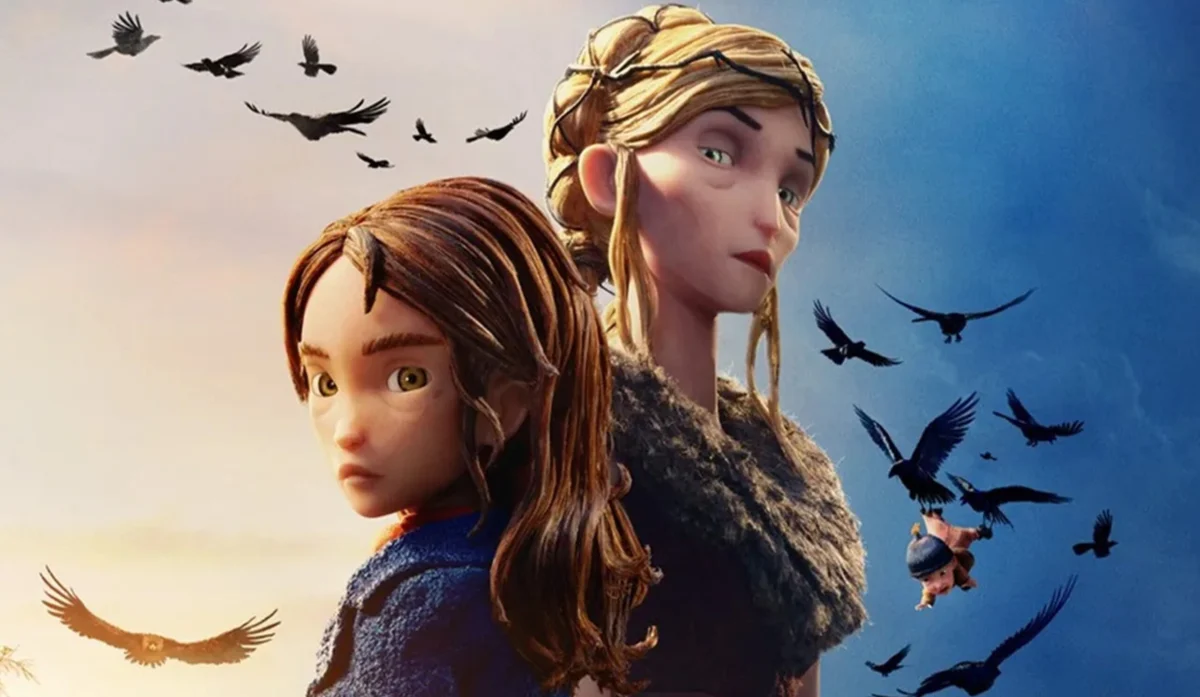
For nearly two decades, the name Laika has been synonymous with the pinnacle of stop-motion artistry. Yet, despite a flawless track record of critical acclaim and consistent recognition from the Academy of Motion Picture Arts and Sciences, the studio remains the industry’s most prestigious "bridesmaid." With the release of its latest feature, Wildwood, the Portland-based animation powerhouse is not just hoping for a nomination; they are currently the front-runner to take home the gold, potentially breaking a streak of Academy frustration that has spanned five films and counting.
The Laika Legacy: A History of Close Calls
Since its inception, Laika has maintained an unblemished record on Oscar nomination morning. Every single one of its five feature films—Coraline (2009), ParaNorman (2012), The Boxtrolls (2014), Kubo and the Two Strings (2016), and Missing Link (2019)—has secured a nomination in the Best Animated Feature category.
However, the studio has famously struggled to cross the finish line. In each of those five instances, the golden statuette has gone to either Disney or Pixar, the undisputed titans of the medium. The most recent heartbreak occurred in 2020, when the charming adventure Missing Link lost out to Toy Story 4. For animation purists, this trend has become a point of contention, as Laika’s tactile, handmade approach to storytelling stands in stark contrast to the CGI-dominated landscape of its competitors.
Now, seven years after their last outing, Laika has returned with Wildwood, and the industry chatter suggests that the tide may finally be turning. According to Gold Derby’s latest aggregated Oscar odds, Wildwood is currently positioned as the favorite for Best Animated Feature, holding a significant lead over Toy Story 5.
Chronology of a Masterpiece
The journey of Wildwood began long before its recent festival run. Adapted from the beloved novel by Colin Meloy (lead singer of The Decemberists) and illustrated by Carson Ellis, the film follows Prue McKeel, a Portland teenager whose life is upended when her baby brother is abducted by a murder of crows. Her desperate quest to rescue him leads her into the "Impassable Wilderness," a forbidden forest teeming with magic, political intrigue, and hidden dangers.

The film’s production was a massive undertaking, reflecting the slow-burn, meticulous nature of stop-motion. After years of development, the film world-premiered at the London Film Festival this past Sunday. The reception was nothing short of rapturous. Following its London debut, the film is set to headline the prestigious AFI Fest later this month, marking it as a critical pillar of the late-year awards season. Its limited theatrical release, facilitated by Fathom, is scheduled for October 23, providing a final push for voters before the Academy’s nomination window closes.
The Technical Triumph: A New Standard for Stop-Motion
What separates Wildwood from its predecessors is not just the scale of its ambition, but the sheer technical prowess on display. Directed by Laika CEO and visionary filmmaker Travis Knight, the film represents the culmination of the studio’s evolving capabilities.
Critics have been quick to point out that Wildwood isn’t just "good for an animation"; it is a cinematic achievement by any standard. William Bibbiani of The Wrap noted that the film is almost impossible to process if one is aware of the labor involved. "It’s impressive to watch Travis Knight’s film even if you don’t know how the sausage got made," Bibbiani wrote. "If you do know, if you even have the slightest inkling, then it’s one of the most astonishing animated films ever produced."
A significant factor in this visual leap forward is the involvement of six-time Oscar nominee Caleb Deschanel. Serving as the film’s cinematographer—a rarity in the world of stop-motion—Deschanel has brought a sense of light, shadow, and movement that mimics the aesthetic of live-action cinematography. By treating the puppets and sets with the same photographic language used for human actors, the film gains a grounded, visceral quality that pushes the boundaries of what the medium can express.
Supporting Data: A Critical Darling
The critical consensus for Wildwood is remarkably high. As of today, the film holds a perfect 100% "Fresh" rating on Rotten Tomatoes, accompanied by a robust 85 score on Metacritic. These numbers are rarely seen in the animation category, where critics often lean toward safer, more family-oriented fare.

The praise is universal. Matt Neglia, writing for Next Best Picture, labeled it "the finest animated film of the year and the crown jewel in Laika’s remarkable, ever-growing legacy." Gavin Spoors, reporting for Filmhounds, went as far as to call it "Laika’s magnum opus," emphasizing that the "love and ingenuity on display throughout the writing, directing, art, music and technical work is immense."
Beyond the visuals, the performances have been lauded as a turning point for voice acting in animation. Carey Mulligan, who voices the Dowager Governess Alexandra, has received particular acclaim. Critics noted that she manages to convey profound rage, grief, and desperation through her voice alone, lending a heavy, emotional weight to the film’s antagonist. The ensemble cast—including Mahershala Ali, Angela Bassett, Awkwafina, Tom Waits, Charlie Day, Richard E. Grant, Maya Erskine, and Jake Johnson—further elevates the script, creating a world that feels lived-in and deeply human.
The Shift in Tone: A Warning to Audiences
One of the most important aspects of Wildwood that potential viewers and awards voters must understand is its tonal maturity. This is not a "kiddie movie." Throughout the reviews, a common thread appears: Wildwood is dark.
It deals with themes of war, grief, and the loss of innocence. The PG-13 rating is a deliberate choice, reflecting the film’s willingness to engage in character deaths and genuine, harrowing conflict. Liz Declan of ScreenRant, who awarded the film a perfect score, noted that "it doesn’t hold back in any direction," describing the film as "at once beautiful and horrifying, heartwarming and gut-wrenching, hopeful and crushing."
This shift toward more mature, complex storytelling is a gamble, but it is one that may pay off with the Academy. The Best Animated Feature category has historically favored "safe" hits, but in recent years, voters have shown an increasing appreciation for films that challenge the audience, such as Guillermo del Toro’s Pinocchio or Spider-Man: Across the Spider-Verse.

Implications for the Industry
The success of Wildwood—and its potential Oscar win—would be a watershed moment for the independent animation sector. For years, the dominance of major conglomerates in the animation space has led to a homogenized visual style and narrative structure. Laika’s commitment to physical, tactile artistry is a form of defiance.
If Wildwood succeeds, it validates the idea that there is still a massive appetite for hand-crafted art in an era dominated by AI and rapid-fire CGI. It signals to the industry that a studio can operate as an auteur-driven boutique, rather than a corporate assembly line.
Furthermore, a win would serve as a long-overdue acknowledgement of Travis Knight’s leadership. By steering Laika through the economic and creative challenges of the last decade, Knight has positioned the studio to reclaim its spot at the top of the mountain.
As we head into the thick of the awards season, all eyes are on the forest of Wildwood. Whether or not it will finally secure the gold remains to be seen, but one thing is certain: Laika has produced something rare, something daring, and something that will be discussed for decades to come. The Academy has a chance to honor not just a film, but a philosophy—one that prizes the human touch in every frame. It is time for the bridesmaid to finally take center stage.
 Ali Ikhwan
 Nana
Nana
