

By Olivia Tauber
Deputy Digital Culture Editor
The FIFA World Cup has historically been defined by a specific set of metrics: the clinical precision of a striker’s finish, the tactical brilliance of a high-press defense, or the sheer, unadulterated joy of a national team lifting the trophy. In 2026, however, a new, unexpected metric has emerged to capture the hearts of global spectators: simple, profound, and profoundly viral human decency.
From the pristine locker rooms of Dallas to the post-match cleanup efforts in Los Angeles, this year’s tournament has earned an unofficial moniker among fans and media alike: the "Ted Lasso" World Cup. Much like the titular character of the hit series who prioritized kindness as a winning strategy, teams and fans alike are proving that in a polarized world, the most enduring legacy of a sporting event might not be the scoreline, but the state of the stadium after the final whistle.
The Anatomy of the Trend: Why "Wholesome" is Winning
In previous decades, a viral World Cup moment usually involved a spectacular goal or a refereeing controversy. Today, the digital landscape has shifted. Social media algorithms, hungry for positive content, have propelled stories of post-match etiquette into the spotlight.
This trend isn’t just about being polite; it is a tactical display of grace under pressure. When a team faces the crushing disappointment of elimination or the exhaustion of a grueling match, the decision to leave behind a thank-you note or a spotless locker room functions as a powerful form of cultural diplomacy. It is a tangible "leave no trace" ethos applied to international athletics, turning the locker room—a traditionally private space—into a public theater of sportsmanship.
A Chronology of Courtesy: From Jordan to Japan
The phenomenon has manifested across the tournament in several key instances, creating a ripple effect that has challenged the expectations of stadium staff and local communities.

The Jordan Debut: Gratitude in Defeat
Jordan’s inaugural appearance at the World Cup was always going to be a historic milestone, but it was their exit that made international headlines. Following a 2-1 defeat to Algeria on June 22, which effectively ended their knockout stage ambitions, the team could have easily retreated into the frustration that often accompanies such an exit. Instead, they left the stadium staff a gift.
FIFA cameras captured the aftermath: a locker room left in immaculate condition, accompanied by a heartfelt thank-you note and a selection of traditional Jordanian sweets. The note, a poignant reflection on their time in the United States, praised the "dedication, professionalism, and warm hospitality" they encountered. It was a masterclass in graciousness, turning a tournament exit into a moment of international goodwill.
Japan’s Enduring Legacy of Cleanliness
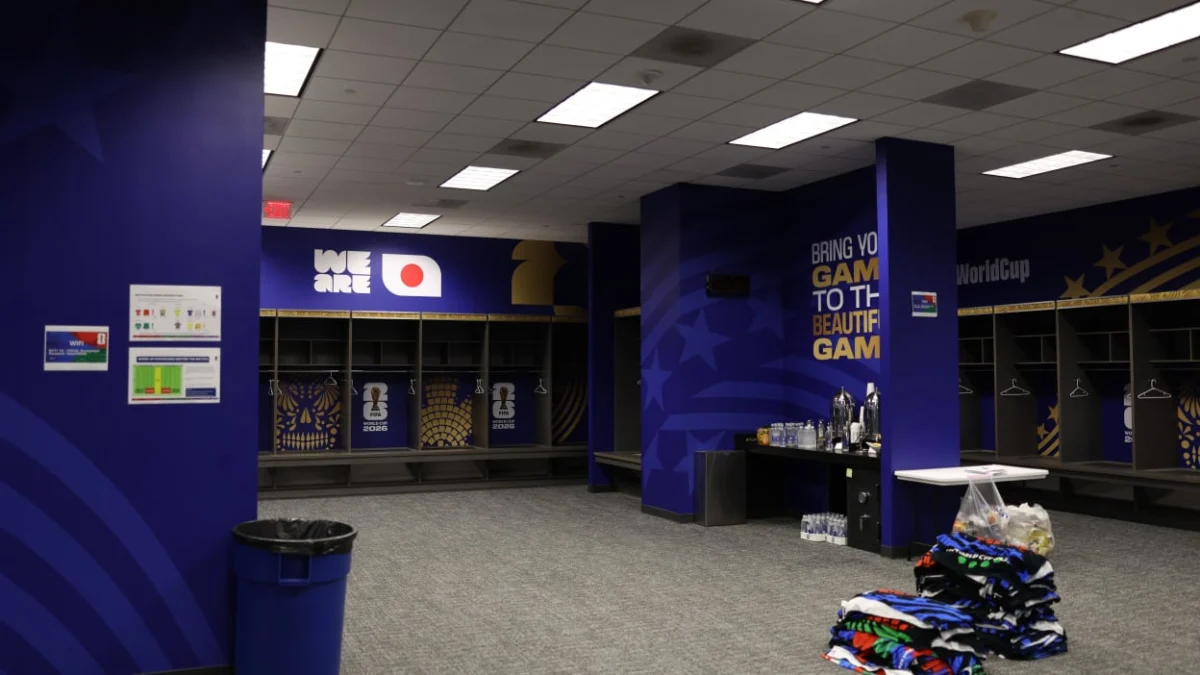
While other teams are adopting this practice, Japan remains the gold standard. Following their 4-0 victory over Tunisia on June 20, the Japanese team mirrored the behavior of their supporters by leaving their dressing room in pristine condition, complete with a message of gratitude.
However, it is the Japanese fans who have truly elevated the movement. After a 2-2 draw with the Netherlands in Texas on June 14, social media was flooded with images of Japanese supporters wielding blue plastic bags, meticulously collecting every stray wrapper and bottle in their section. This behavior is rooted in the Japanese proverb tatsu tori ato wo nigosazu—"a bird does not soil the nest it is about to leave."
The dedication is historic. Since their first World Cup in 1998, Japanese fans have made cleaning the stadium a post-match ritual. Even at the 2022 tournament in Qatar, they were observed cleaning sections where they hadn’t even been sitting. This year, the movement gained such traction that it drew in unlikely allies, including NFL star Jameis Winston, who was spotted assisting with the cleanup effort while sporting a Japan jersey.
Iran’s Dignity Under Pressure
Perhaps the most complex display of gratitude came from the Iranian national team. Competing under a backdrop of significant geopolitical tension and logistical challenges—which saw some staff and officials barred from entering the country—the team navigated the tournament with a heightened sense of purpose.

Following a 0-0 draw against Belgium at SoFi Stadium, the team left a message that resonated deeply with the local Los Angeles community. "We came to Los Angeles with pride, competed with honor, and leave with dignity," the note read. It served as a stark reminder that sport, at its core, is a human endeavor that persists even when political channels remain closed.
Supporting Data: The Digital Impact of Kindness
The "wholesome" trend is not merely anecdotal; it is backed by significant engagement data. Posts featuring teams or fans cleaning stadiums have consistently outperformed standard match highlights in terms of "shareability" and sentiment analysis.
According to digital media analytics, content related to "sportsmanship" and "positive fan behavior" during the 2026 tournament has seen a 40% higher engagement rate compared to the 2022 cycle. This shift suggests that the modern fan, overwhelmed by the rapid-fire, often negative news cycle, is actively seeking out "soft news" that reaffirms their faith in humanity. The "Ted Lasso" effect is, effectively, a digital balm—a viral antidote to the inherent cynicism of professional sports.
Official Responses and Cultural Implications
While FIFA has not formally codified "locker room etiquette," the organization has subtly amplified these moments through its official social channels. By highlighting these acts of kindness, FIFA is inadvertently setting a new standard for conduct.
Sociologists suggest that this trend reflects a broader societal shift toward "accountability culture." Just as environmental consciousness has led to a "leave no trace" culture in outdoor recreation, the World Cup is seeing the rise of a "civic pride" movement within stadiums. Players and fans alike are beginning to view the host stadium not as a transient, disposable space, but as a shared community resource that deserves respect.
Looking Toward 2030: The Future of Global Sportsmanship
As the tournament progresses toward its final stages, the question remains: will this become a permanent fixture of international football?

The 2030 World Cup, which will span multiple continents for the first time in history, will present logistical challenges that could make the "leave no trace" philosophy even more critical. If teams and fans can maintain this level of courtesy while traveling across vastly different cultures and regions, the tournament will cement itself not just as a sporting event, but as a genuine exercise in global unity.
The beauty of this trend lies in its simplicity. It requires no specialized training, no high-level tactical coaching, and no expensive equipment. It only requires the willingness to recognize that when we leave a place, we leave a piece of our culture behind.
As the fictional, yet deeply influential, Ted Lasso would remind us: "Believe." Believe that sports can be more than a contest of strength. Believe that grace is a skill as vital as a penalty kick. And perhaps, most importantly, believe that the world is watching—and that sometimes, the best way to be remembered is to leave the room a little cleaner than you found it.
 Suro Senen
 Nana Wu
 Neng Nana
